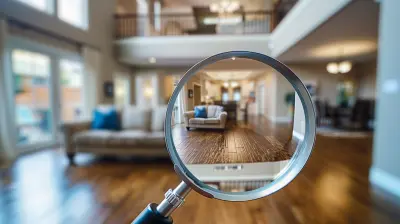
Common Rental Scams and How to Avoid Them
10 November 2025
Renting a new place can be super exciting—but let’s be real, it can also be nerve-wracking. You scroll through listings, find that picture-perfect apartment at a price that almost seems too good to be true... and guess what? Sometimes it is.
Rental scams are more common than most people think. And if you’re not careful, you can lose thousands of dollars, your identity, or even worse—your peace of mind. But don’t worry. In this article, we're going to walk you through the most common rental scams and, more importantly, how to steer clear of them. Think of this as your "scam survival guide."
What Is a Rental Scam, Anyway?
Rental scams are tricks that scammers use to steal your money or personal information by pretending to be landlords or property managers. They’ll either advertise a place that doesn’t exist, isn’t available, or flat-out doesn't belong to them.Sometimes they’re super elaborate; other times, it’s as simple as a fake listing and a sob story about why they can’t meet you. Some scams are downright obvious. Others? Not so much.
Why Are Rental Scams So Common?
It’s a perfect storm, really. The demand for rentals is high, competition is fierce, and many people are desperate to secure a place quickly. Scammers take advantage of this urgency. If you’re moving to a new city, pressed for time, or unfamiliar with the market, you’re a prime target.
The Most Common Rental Scams (And How They Work)
Let’s break these down one by one so you know exactly what to watch out for.1. The “Too Good to Be True” Listing
Ever seen a beautiful, spacious apartment in a top neighborhood for way less than the going rate? That’s a red flag right there.How it works: Scammers copy photos and descriptions from real listings and repost them with a much lower rent. When you show interest, they say they’re "out of town" and can’t show the place but ask for a deposit to "hold" it.
How to avoid it:
- Do a reverse image search of the property photos.
- Compare the price with similar listings in the area.
- Always see the property in person or have someone you trust visit it.
2. The Phantom Rental
This scam involves advertising a property that doesn’t exist. Yep, it's a total fake.How it works: The scammer posts a made-up listing, collects application fees or security deposits, and vanishes into thin air once you send the money.
How to avoid it:
- Never send money before seeing the place.
- Look up the property's address through Google Maps or local property records.
- If it’s not officially listed with any legit rental sites or property managers, stay away.
3. Bait-and-Switch Scam
Think you’re signing a lease for the apartment you toured? Surprise—it’s not the same place.How it works: They’ll show you one apartment, accept your deposit, then claim it was "just rented" and offer you a lower-quality unit instead.
How to avoid it:
- Get everything in writing—apartment number, square footage, amenities, you name it.
- Don’t hand over money unless every little detail is agreed upon and documented.
4. Fake Landlord Scam
This one’s wild—they’re not even the landlord. Just a con artist with access to the keys.How it works: Someone breaks into a vacant property, changes the locks, and pretends to be the landlord. They show the unit and collect rent or deposits from multiple people, then disappear.
How to avoid it:
- Ask for proof of ownership or property management details.
- Don’t be afraid to call the County Assessor’s Office to verify who owns the place.
- Check ID and ask for rental history or documentation.
5. CraigsList or Facebook Marketplace Rental Traps
These platforms are a mixed bag—some real gems, some total scams.How it works: Scammers know these websites are filled with eager renters. They post fake listings, then pressure you to act fast (usually with payment).
How to avoid it:
- Use trusted platforms like Zillow, Apartments.com, or local licensed agents.
- Be cautious of listings with no contact info other than email or messaging apps.
- Never wire money or use payment apps like Zelle or Venmo unless you've signed a legitimate lease.
6. Application Fee Scams
Everyone expects to pay an app fee these days, but some folks take advantage of that.How it works: Scammers will set up fake application portals and collect fees from multiple people for a rental that’s not even legit.
How to avoid it:
- Only apply through the property’s official website or trusted apps.
- Ask if the unit is definitely available before paying anything.
- Ask for a receipt and confirmation.
Signs You Might Be Getting Scammed
Let’s call this the "Scam Survival Checklist." If you spot any of the signs below, slam the brakes and dig deeper.- The rent is way below market value.
- The landlord is “out of the country” or “traveling.”
- You’re asked to wire money or pay in gift cards (yes, seriously).
- You can't view the property in person.
- There’s no lease or anything in writing.
- The landlord is rushing or pressuring you to sign/pay ASAP.
- The listing has poor spelling, grammar, or generic language.
- You’re asked for personal info (like SSN or bank account) before even seeing the place.
What to Do If You Think You’re Being Scammed
It’s always better to be safe than sorry. If your gut’s telling you something is off, here’s what you should do:1. Stop communication with the suspected scammer.
2. Report the listing to the website it’s posted on.
3. File a complaint with the FTC (Federal Trade Commission).
4. Alert your local police—especially if personal info or money was shared.
5. Put fraud alerts on your credit reports if you gave out sensitive information.
Tips to Safeguard Yourself From Rental Scams
Here are some smart habits to protect yourself during your apartment hunt:- Always tour the property or do a live virtual tour.
- Don’t fall for urgency—take your time to verify everything.
- Stick to reputable listing websites or licensed agents.
- Always get a written lease before paying anything.
- Verify landlord identity through county records or management companies.
- Trust your gut. If something feels shady, there’s probably a reason.
Real-Life Scenarios: A Look at How Easily It Can Happen
Let’s say you're moving cross-country for a new job. You’re short on time and need to lock down a place fast. You find a beautifully furnished one-bedroom in a hot neighborhood for just $950/month—utilities included! The landlord says he’s in Europe but can mail you the keys once you wire the first month’s rent.Sounds sketchy, right?
But when you’re under pressure, it’s easy to overlook the red flags. Scammers count on that. That’s why being informed is your best defense.
Final Thoughts: Stay Smart, Stay Safe
Look, finding a place to live shouldn't feel like a game of cat and mouse. But in today’s digital world, being street-smart online is just as important as it is in the real world.Always take the time to research, ask questions, and trust your instincts. If something seems off—even slightly—don’t ignore it. There are plenty of legitimate rentals out there. Taking a few extra steps could save you from a whole lot of heartache (and a drained bank account).
Then you can focus on what really matters—making your new place feel like home.
all images in this post were generated using AI tools
Category:
Rental PropertiesAuthor:

Travis Lozano
Discussion
rate this article
1 comments
Raelyn Reilly
Awareness is key to avoiding rental scams. Always verify listings, meet landlords in person, and never send money before signing a lease.
November 16, 2025 at 3:23 AM
Travis Lozano
Absolutely! Staying vigilant and verifying every detail is essential in protecting yourself from scams. Thanks for highlighting these important tips!