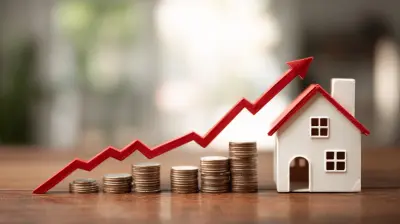
Common Pitfalls When Purchasing Foreclosed Real Estate
24 October 2026
Buying a foreclosed home can feel like hitting the jackpot—you get a property at a fraction of its market value! But before you pop the champagne, know this: the road to foreclosure deals is littered with hidden traps. Many have walked this path, thinking they scored a bargain, only to find themselves knee-deep in costly surprises.
If you're considering buying a foreclosed property, buckle up. Let’s dive into the common pitfalls that could turn your dream deal into a financial nightmare.
1. Falling for the “Too Good to Be True” Price
Ever stumbled across a foreclosure listing that seemed ridiculously cheap? It’s tempting, isn’t it? But here's the truth—if a deal looks too good to be true, it probably is.Banks and lenders sell foreclosures “as-is,” meaning you inherit all existing issues. From structural damage to unpaid liens, that low price tag might be hiding more than you bargained for.
2. Skipping a Professional Home Inspection
Would you buy a used car without checking under the hood? Probably not. The same logic applies to foreclosed homes. Yet, many buyers rush in without a proper inspection, thinking they’re saving time or money.Big mistake. Foreclosed homes often sit vacant for months or even years. During that time, they can suffer from:
- Water damage from leaks or broken pipes
- Mold growth due to poor ventilation
- Pest infestations (rats, termites, you name it)
- Structural problems like cracks in the foundation
Without an inspection, you're playing a dangerous game of real estate roulette.
3. Underestimating Repair Costs
So you walked through the property, spotted some cosmetic issues, and thought, "Eh, nothing a little DIY can’t fix." Think again.Many foreclosures suffer from intentional damage by frustrated former owners who lost their home. Broken windows, missing appliances, ripped-out wiring—these aren't uncommon.
And let's not forget homes that have been sitting vacant. With no one around to maintain them, small problems become major headaches. A leaky roof turns into a full-blown mold infestation, or a minor plumbing issue leads to severe water damage.
Always budget for repairs—and then double that estimate just to be safe.

4. Overlooking Title Issues and Hidden Liens
Imagine closing on your foreclosure deal, only to find out later that the home comes with unpaid taxes, unresolved lawsuits, or even a second mortgage you didn’t account for. Scary, right?Foreclosed properties don't always have a clean title. Banks sell them as-is, meaning any outstanding debts or legal claims could become your problem.
Before you sign anything, hire a title company or a real estate attorney to perform a thorough title search. It’s a small investment that can save you from a world of legal trouble.
5. Losing a Bidding War in an Auction Frenzy
Foreclosure auctions can feel like an adrenaline-pumping race. The fast bidding, the competition, the excitement—it’s easy to get caught up in the moment.But here’s the harsh reality: many buyers overpay at auctions. They get emotional, bid too high, and end up paying close to (or even more than) the market value of the home.
Set a firm budget before the auction starts and stick to it no matter what. Winning at an auction means nothing if that "deal" turns into a financial nightmare.
6. Not Getting Pre-Approved for Financing
You found the perfect foreclosure, but guess what? Someone else swooped in and bought it while you were still scrambling for a loan.Many foreclosed homes, especially bank-owned properties (REOs), sell fast. If you're not pre-approved for financing, you could lose out to a more prepared buyer.
Plus, some lenders have stricter loan requirements for foreclosures since these homes often need repairs. A pre-approval helps you understand your actual budget and financing options upfront.
7. Ignoring HOA and Property Tax Obligations
Think you're just inheriting the mortgage debt? Think again.Many foreclosed homes are part of homeowners' associations (HOAs), and some come with outstanding HOA fees. If the previous owner skipped payments, you might be forced to cover those debts before the HOA allows you to take ownership.
Same goes for unpaid property taxes. The government doesn’t forget, and if back taxes exist, you’ll need to pay them off before fully owning that property.
8. Assuming the Bank Will Negotiate Like a Regular Seller
In a traditional sale, you negotiate with a homeowner eager to move on. But when dealing with banks or government agencies selling foreclosures, it's a whole different ball game.Banks rarely negotiate on price unless the home has sat unsold for a long time. They care about one thing—recouping their losses fast. If you're expecting a back-and-forth negotiation, you’ll likely be disappointed.
9. Forgetting to Check the Neighborhood
You may have found a cheap foreclosure, but have you looked at the neighborhood?Some foreclosures are in struggling areas with high crime rates, declining property values, or poor schools. Always research local market trends and talk to neighbors before making a move.
After all, a cheap house in a declining neighborhood isn't really a bargain—it’s just a bad investment.
10. Not Consulting a Real Estate Professional
Buying a foreclosure isn't like purchasing a traditional home. There are different rules, legalities, and risks involved.Yet, many buyers try to go at it alone, thinking they can Google their way through the process. While online research is useful, nothing beats having a knowledgeable real estate agent who specializes in foreclosures.
A good agent can help you:
- Spot potential red flags
- Navigate the legal complexities
- Find off-market foreclosure deals
- Negotiate with banks and lenders
In short, hiring a pro could mean the difference between scoring a great deal and buying a financial disaster.
Final Thoughts: Is Buying a Foreclosed Home Worth It?
Foreclosures can be a goldmine or a money pit—it all depends on how prepared you are. The key is to do your homework, seek professional advice, and never rush into a deal blinded by a seemingly low price.If you're willing to take on the risks and navigate the challenges wisely, you might just land an incredible property at a steal. But if you ignore the common pitfalls, you could end up with a horror story instead of a dream home.
So, are you ready to take the plunge? Or will you let caution guide your next move?
all images in this post were generated using AI tools
Category:
ForeclosuresAuthor:

Travis Lozano