What Developers Should Know About Commercial Zoning Codes
7 August 2026
When it comes to real estate development, zoning codes are one of the biggest factors influencing what you can and cannot build. If you’re a developer looking to invest in commercial properties, understanding zoning laws isn’t just helpful—it’s essential.
Think of zoning codes as the playbook governing land use. They dictate everything from building height and parking spaces to what type of businesses can operate in a given area. One wrong assumption about zoning regulations, and you might find yourself entangled in expensive legal battles or forced to make costly changes to your project.
So, what should developers know about commercial zoning codes? Let’s dive in. 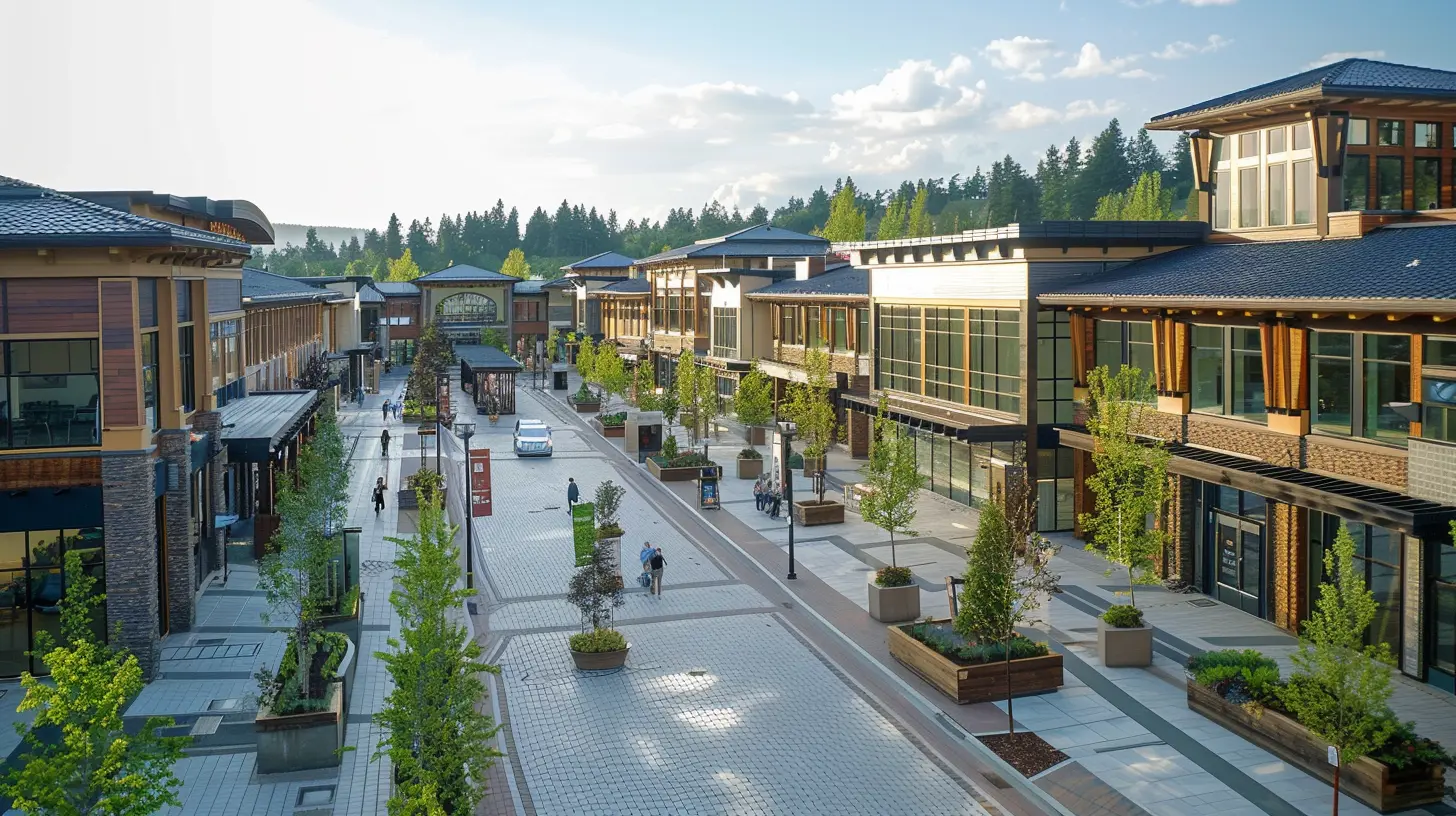
What Are Commercial Zoning Codes?
Commercial zoning codes regulate the use of land for business activities rather than residential or industrial purposes. Every city and municipality has a zoning ordinance that outlines different zoning districts, each with its own set of requirements.These codes determine where offices, retail stores, restaurants, and industrial facilities can operate. They’re designed to protect public interests, ensure organized urban growth, and prevent conflicting land uses (e.g., a nightclub next to a quiet residential neighborhood).
But here's the catch—zoning laws aren't always straightforward. They vary widely by location, and even within the same city, different areas may have different restrictions. 
Types of Commercial Zoning
Not all commercial zones are created equal. Municipalities often divide commercial zoning into multiple categories, each with specific rules.1. General Commercial (C-1, C-2, etc.)
These zones typically allow a mix of small-scale businesses, retail stores, offices, and sometimes even multi-family residential units. Think of neighborhood shopping centers or strip malls.2. Central Business District (CBD)
This zoning type applies to the commercial heart of a city, where high-rise buildings, office towers, and retail establishments dominate. Leniency in height restrictions and density allowances is common in CBD zoning to encourage economic activity.3. Mixed-Use (MU)
A combination of residential, commercial, and sometimes industrial usage. Mixed-use zoning is becoming increasingly popular as cities encourage walkable communities where people can live, work, and play in the same area.4. Industrial/Commercial (IC)
Certain commercial zones allow for light industrial use, such as warehouses, manufacturing plants, or distribution centers. However, heavier industrial activities typically require separate zoning.5. Office Park Zoning
Dedicated solely to corporate office buildings and business parks. These zones often have strict regulations regarding landscaping, parking, and building aesthetics.6. Special Use & Overlay Zones
Certain businesses—such as hospitals, hotels, and entertainment venues—might require special zoning permits or overlays that allow specific exceptions.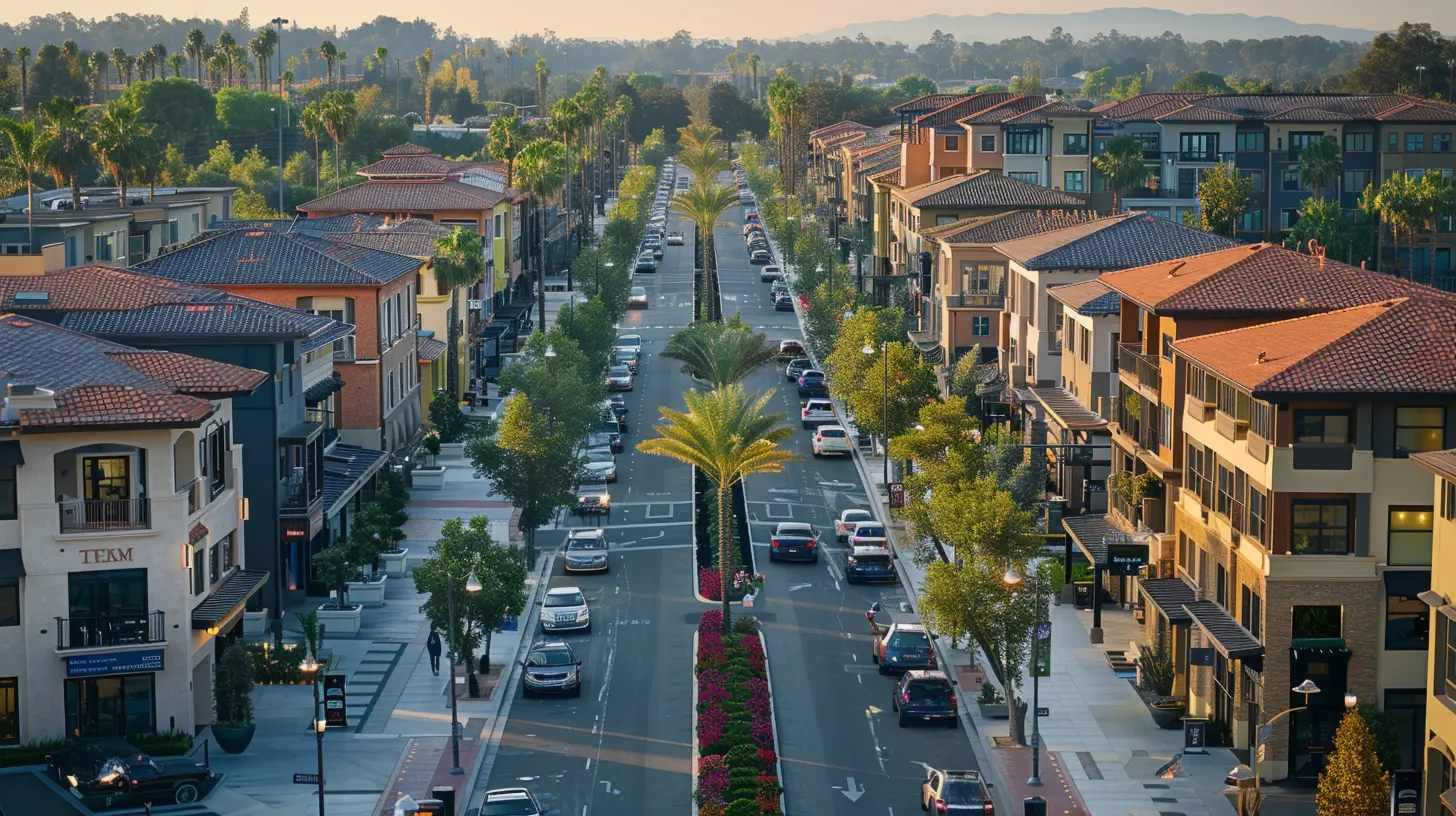
The Importance of Understanding Zoning Before Development
Commercial zoning codes are not just bureaucratic red tape—they directly impact the feasibility and profitability of your project.1. Avoid Costly Mistakes
Imagine purchasing a property, only to realize it’s not zoned for your intended business. Changing zoning designations can be time-consuming and expensive, with no guarantee of success.2. Compliance Equals Smooth Approvals
Understanding zoning laws upfront ensures your project gets through the approval process faster. When your plans align with zoning regulations, you avoid unnecessary delays, fines, or forced modifications.3. Better Site Selection
Smart developers use zoning laws to their advantage. By knowing what’s allowed in different areas, you can strategically invest in locations that align with your project’s goals—whether it’s retail, office space, or a mixed-use development.4. Maximizing Property Value
Zoning impacts property values significantly. A property zoned for high-density commercial activity is generally more valuable than a parcel restricted to low-density use. Understanding zoning can help developers make smarter investment decisions.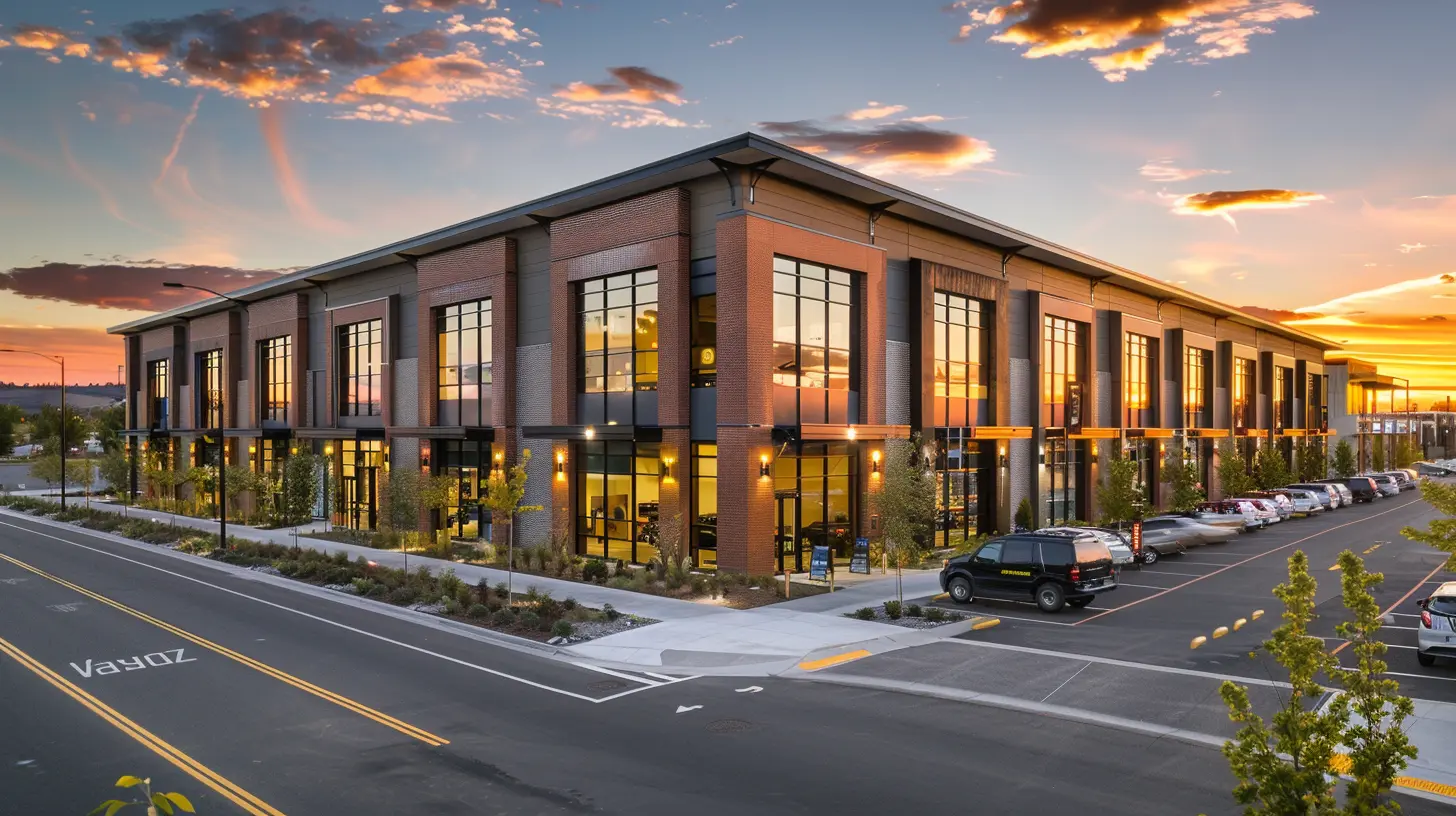
Rezoning and Variances: Can You Change Zoning Codes?
What if you find the perfect piece of land, but the zoning isn’t quite right? You're not necessarily out of luck.Rezoning
Rezoning involves changing the zoning classification of a property. This process usually requires:- A formal application to the local planning department
- Public hearings
- Approval from city council or zoning boards
Rezoning isn’t a guaranteed process. It often depends on how well your proposal aligns with the city’s development plans and whether the community supports it.
Variances and Special Permits
A variance is an exception that allows a property owner to deviate slightly from zoning requirements. For example, if a zoning code requires a 30-foot setback, but you need only 25 feet for your project to work, you can apply for a variance.Special use permits, on the other hand, allow specific exceptions within an existing zone. These are often granted to businesses like hotels, gas stations, or religious institutions operating in commercial zones.
Common Zoning Challenges for Developers
Just when you think you’ve got it all figured out, zoning surprises can throw a wrench in your development plans. Here are some common challenges to watch out for:1. Parking Requirements
Many cities enforce strict parking minimums for commercial buildings. If you're developing in an urban area with limited space, meeting these requirements can be challenging.2. Height and Density Restrictions
Some commercial zones limit the number of floors or total square footage you can build. This can affect project profitability, especially in high-demand areas.3. Environmental Regulations
Certain zoning ordinances incorporate environmental protections that restrict tree removal, require stormwater management solutions, or limit impermeable surfaces.4. Community Pushback
Even if your project complies with zoning laws, local residents or businesses may oppose it. Public hearings often play a huge role in determining whether a project moves forward.5. Changing Zoning Trends
Cities are constantly revising zoning ordinances to accommodate growth. A project that fits today’s rules may face new restrictions in the future.Smart Strategies for Navigating Zoning Codes
For developers, understanding and working within zoning laws is part of the job. Here are some pro tips to stay ahead:1. Consult a Zoning Attorney or Planner
Zoning codes can be dense and confusing. Hiring a professional to interpret and navigate local regulations can save you from costly mistakes.2. Research Before You Buy
Before purchasing land, request zoning maps and development plans from the local planning department. It’s much cheaper to walk away from a bad deal than to fight an uphill legal battle later.3. Engage with Local Officials Early
Building relationships with planning department officials can help you better understand zoning restrictions and gain insights into upcoming regulatory changes.4. Be Prepared for Public Hearings
If your project requires rezoning or variances, be ready to present your case to the community and local government. Address concerns head-on and highlight the economic benefits of your development.5. Stay Flexible
Sometimes, zoning roadblocks force you to adjust your project. A successful developer knows how to pivot and adapt while staying within legal guidelines.Final Thoughts
Commercial zoning codes are a crucial piece of the real estate development puzzle. They dictate what you can build, where you can build, and how your project will impact the surrounding community. Developers who take the time to understand zoning laws—rather than seeing them as a nuisance—gain a significant advantage in making profitable, legally sound investments.Whether you're investing in retail, office space, or mixed-use developments, zoning knowledge is power. Do your homework, consult the right experts, and always plan ahead.
all images in this post were generated using AI tools
Category:
Zoning RegulationsAuthor:

Travis Lozano
Discussion
rate this article
1 comments
Quill McMeekin
Understanding commercial zoning codes is crucial for developers to optimize projects and minimize setbacks.
August 8, 2026 at 12:46 PM
Travis Lozano
I completely agree. A solid grasp of zoning codes can really make a difference in project success and efficiency.