Zoning Variances: What You Need to Know Before Building
23 May 2026
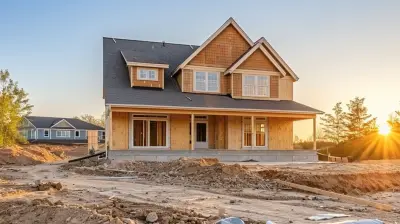
When it comes to building your dream home or starting a new business, zoning laws can feel like a big roadblock. You’ve got your plans, your vision, and probably even a Pinterest board full of ideas—but local zoning regulations might say, "Not so fast!"
That’s where a zoning variance comes in. If you're planning a construction project but local zoning laws stand in your way, a variance might be your golden ticket. But what exactly is a zoning variance? How do you get one? And what hurdles should you expect along the way?
Let’s break it all down so you can move forward with clarity and confidence. 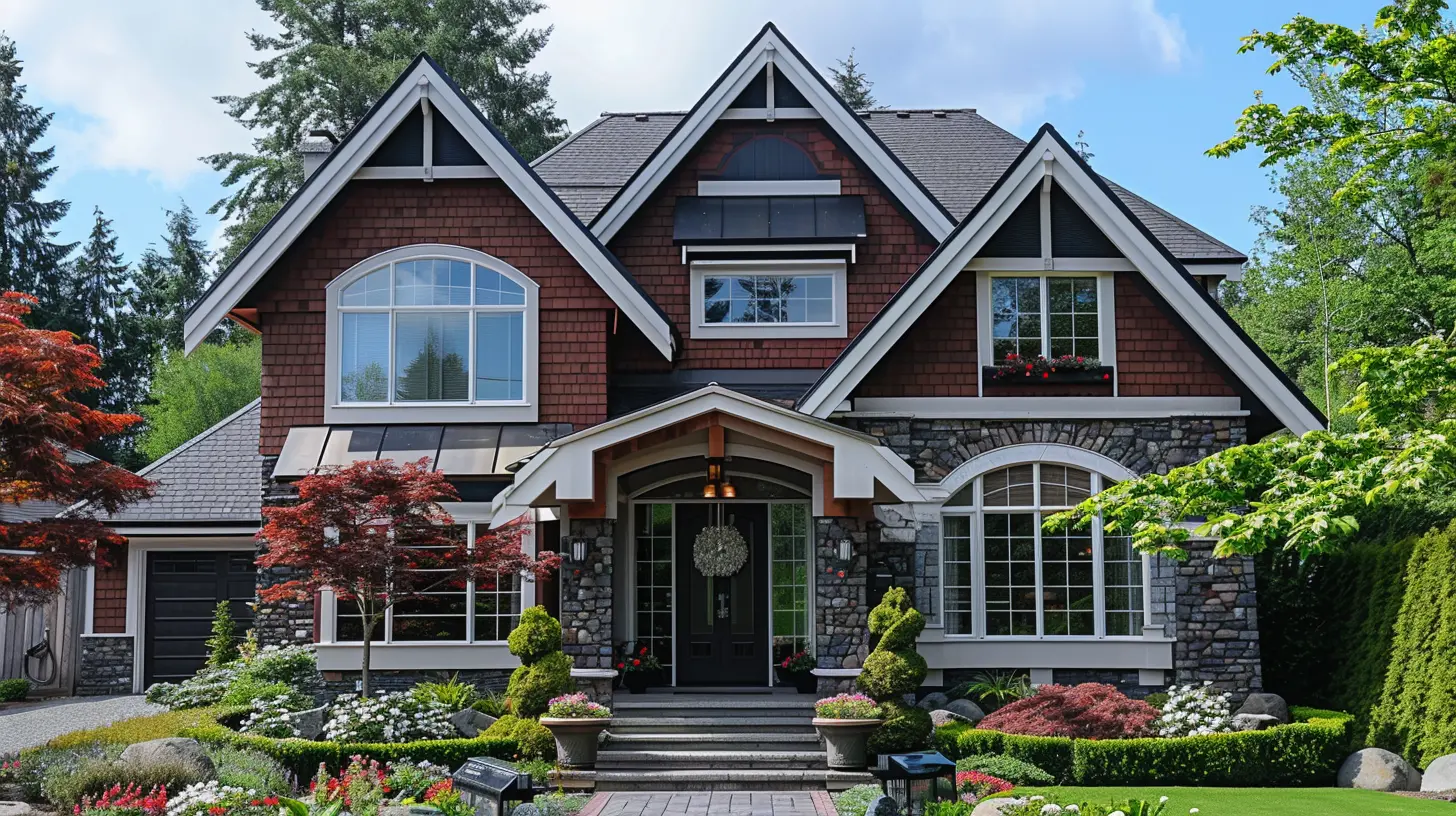
What Is a Zoning Variance?
A zoning variance is essentially an exception to zoning laws. It allows property owners to use their land in a way that doesn’t fully align with local zoning rules.Think of it as a hall pass. While most people must follow the usual zoning restrictions, a variance lets you bend the rules—legally, of course.
For example, if zoning laws require homes in your neighborhood to be at least 20 feet from the property line, but your dream layout would put your house 15 feet from the property line, you’d need a variance for reduced setbacks.
The key takeaway? A zoning variance doesn’t change the zoning law itself—it just makes an exception for your specific case. 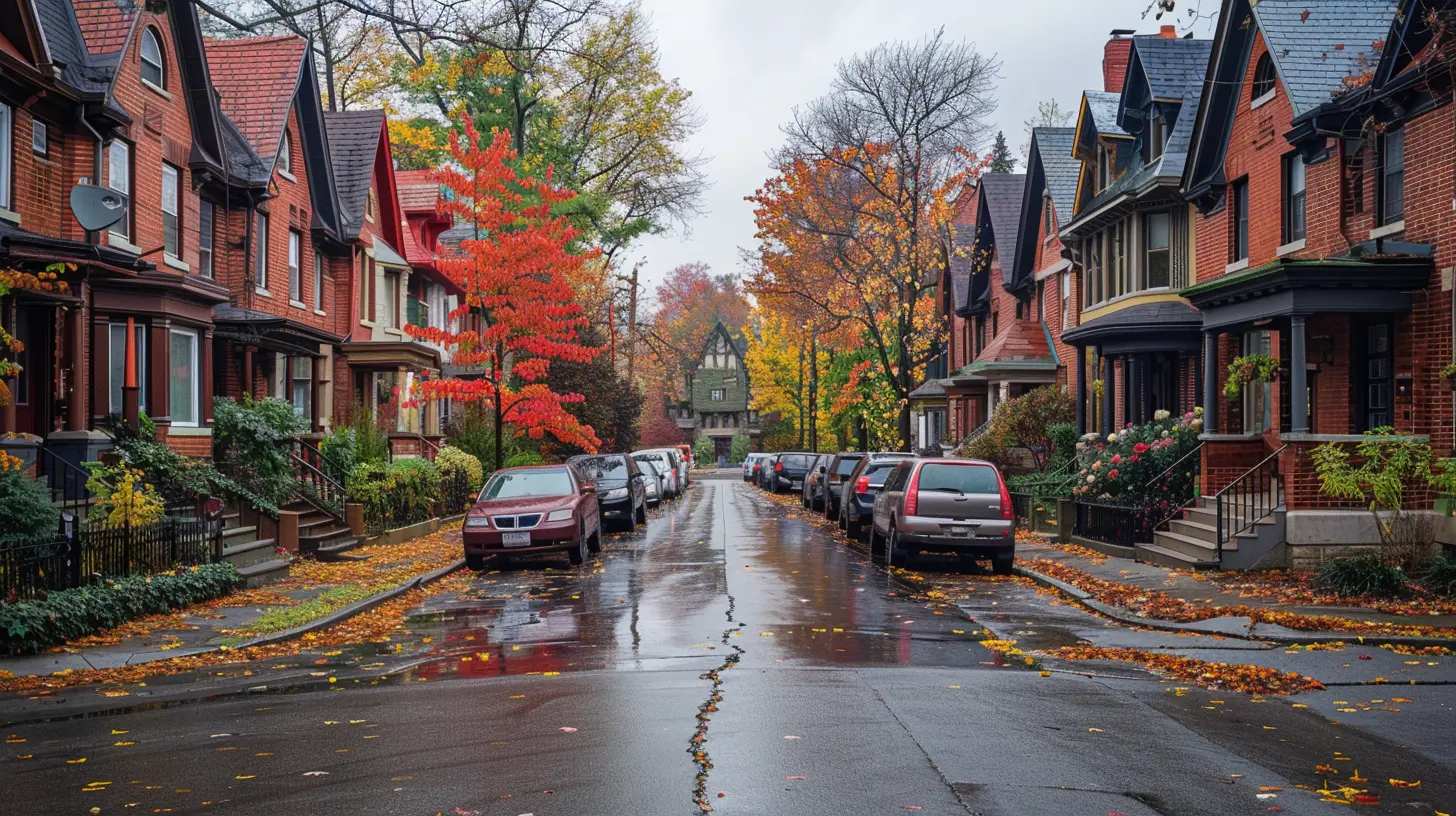
Types of Zoning Variances
Not all variances are created equal. Depending on your situation, you’ll be applying for one of two main types of variances:1. Use Variance
This lets you use a property in a way that’s normally not allowed in that zoning district.For example, say you own a piece of land zoned for residential use, but you want to open a small café there. Since businesses aren’t allowed in that zone, you’d need a use variance.
To get approved, you’ll need to prove that:
- The zoning restriction creates unnecessary hardship.
- The proposed use won't harm the community or disrupt the neighborhood.
Use variances are harder to get because they fundamentally change how a property is used.
2. Area Variance
This is more common and applies when you want to build something that doesn’t fit within zoning regulations.Let’s say you want to build an addition to your house, but local laws require larger setbacks than your plan allows. An area variance would let you proceed with your project without following the strict zoning dimensions.
Approval for this type of variance depends on factors like:
- How much the variance would alter current zoning laws.
- Whether the change negatively impacts neighbors or the community. 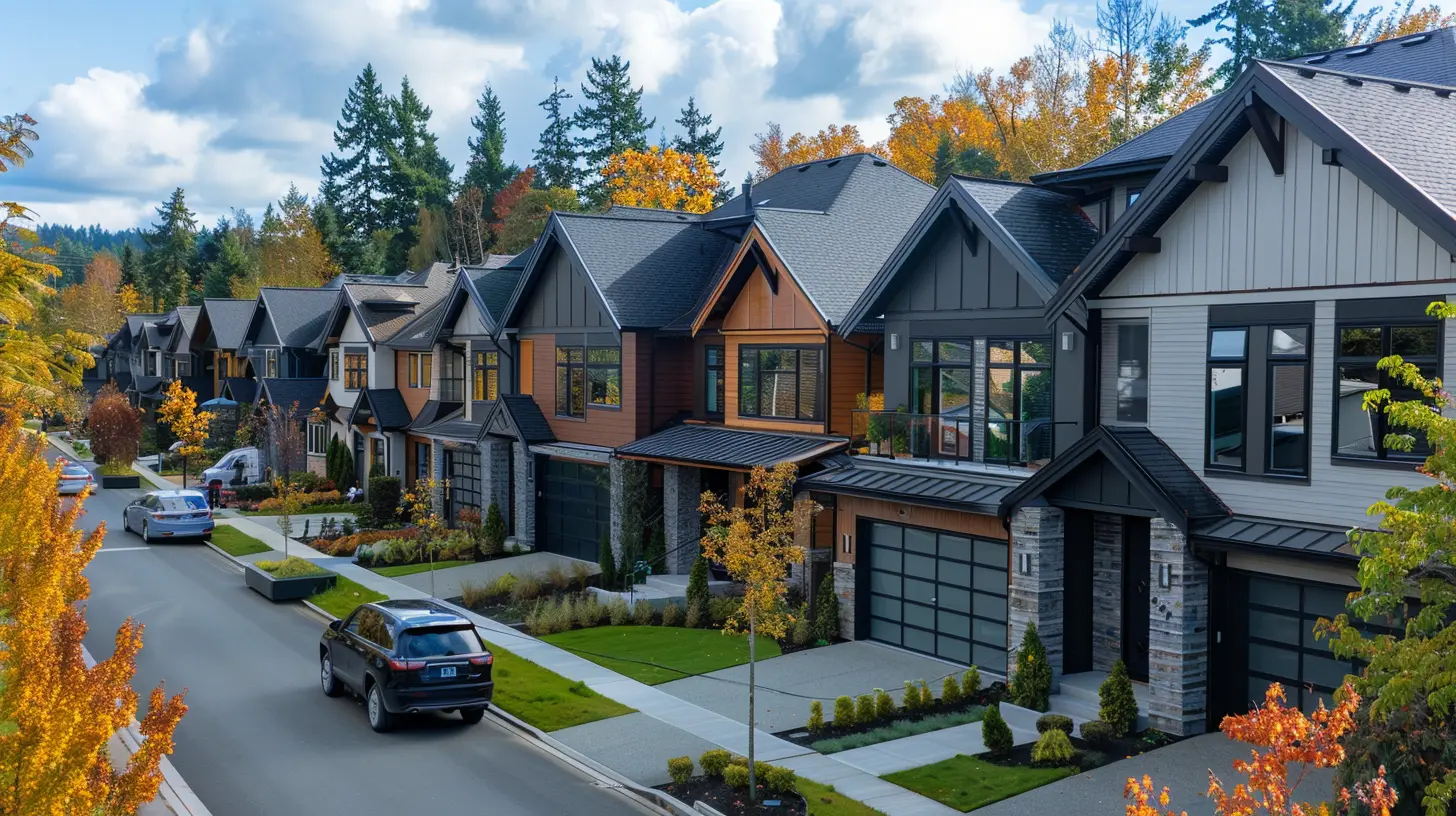
How to Apply for a Zoning Variance
Getting a zoning variance isn't as simple as just asking for permission. There's a process—and it often involves a bit of paperwork, patience, and sometimes even a public hearing.Step 1: Research Local Zoning Laws
Before you get too far into planning, check with your local zoning office. You need to understand exactly what restrictions are in place and where your project might run into trouble.Most zoning offices have maps and ordinances online, but if not, a quick visit to city hall can get you the information you need.
Step 2: File a Variance Application
Once you know you need a variance, you’ll need to submit an application to your local zoning board. This will typically include:- A detailed description of your project.
- Reasons why you need the variance.
- A site plan or blueprints of the proposed structure.
- Evidence of how the variance won’t harm the surrounding area.
Step 3: Notify Your Neighbors
Most cities require applicants to inform neighboring property owners about their variance request. Why? Because if your project affects their property, they’ll have an opportunity to voice their concerns.If your neighbors support your request (or at least don’t object), it can improve your chances of approval.
Step 4: Attend a Public Hearing
Many zoning boards hold public hearings where you’ll present your case. This is your chance to explain why your variance should be approved and address any concerns from city officials or neighbors.Expect to answer questions like:
- Why is this variance necessary?
- Would approving this variance set a bad precedent?
- Does this variance create any safety issues?
It might sound nerve-wracking, but good preparation can make a huge difference.
Step 5: Wait for Approval (or Denial)
After the hearing, the zoning board will review all the information and make a decision. If they approve your variance—congratulations! You can move forward with your project.If they deny it, don’t lose hope. You might be able to revise your plans or appeal the decision. 
Common Reasons Zoning Variances Get Denied
Not every variance request gets the green light. Some common reasons for denial include:- Lack of hardship – If the board believes you can reasonably use the property without the variance, they may reject your request.
- Negative impact on neighbors – If approving your variance would inconvenience others (like blocking a neighbor’s view or increasing traffic), it might not pass.
- Violation of zoning intent – Zoning laws exist for a reason. If your variance request contradicts the area’s overall zoning plan, it’s unlikely to be approved.
To improve your chances of approval, make sure your request is well-documented and looks at things from the board’s (and neighbors') perspective.
Alternatives to a Zoning Variance
Sometimes, a variance simply doesn’t work out. If that happens, here are some alternative solutions:Rezoning
If many people in your area face the same restrictions, the city might consider changing the zoning law altogether. This is a long process, but if you’re in it for the long haul, it might be worth pursuing.Adjusting Your Plans
In some cases, minor changes to your project could bring it back into compliance, avoiding the need for a variance.Special Permits
Some localities offer special or conditional-use permits, which allow certain exceptions under specific conditions. These permits can sometimes be easier to obtain than a variance.Final Thoughts
Zoning variances might seem like just another layer of red tape, but they serve an important purpose—helping property owners adapt to zoning laws without completely overriding them.If you’re thinking about applying for one, do your homework, prepare a solid case, and be ready to work with local officials and neighbors. It takes patience and persistence, but with the right approach, a variance could help bring your project to life.
Got questions about zoning variances? Drop them in the comments—we’d love to hear your thoughts!
all images in this post were generated using AI tools
Category:
Zoning RegulationsAuthor:

Travis Lozano
Discussion
rate this article
2 comments
Emmett Burton
Understanding zoning variances is crucial for successful property development and investment.
September 15, 2026 at 10:37 AM
Theo Cross
Zoning variances can feel overwhelming, but understanding them is crucial. Remember, it's okay to seek help and ask questions along the way.
May 28, 2026 at 12:23 PM
Travis Lozano
Absolutely! Seeking help can really clarify the process and make it less daunting. Don't hesitate to reach out for support.