Zoning and Its Role in Preventing Urban Sprawl
10 July 2026
Urban sprawl—it's a term that often gets thrown around in discussions about city planning, sustainability, and real estate. But what does it really mean? More importantly, how do we control it? That’s where zoning comes in.
Zoning laws are like the invisible hands shaping our cities and towns, ensuring that growth happens in a way that’s both practical and sustainable. Without them, we’d see chaotic development, longer commutes, inefficient infrastructure, and a dramatic loss of green spaces.
So, let’s dive into the world of zoning and how it plays a vital role in keeping urban sprawl in check.
What is Urban Sprawl?
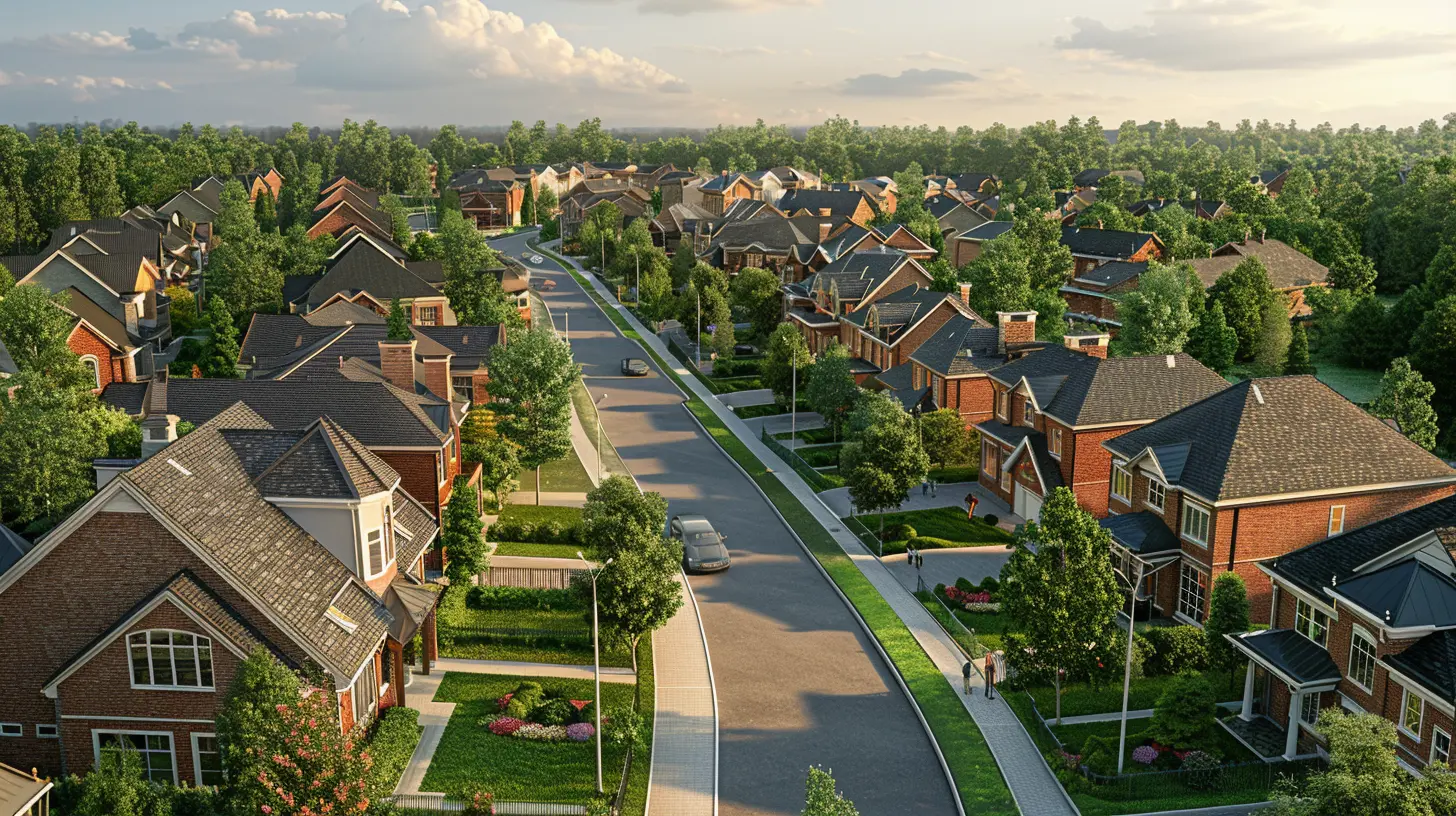
Urban sprawl refers to the unchecked expansion of cities into rural areas, creating low-density, car-dependent communities. The problem? It leads to inefficient infrastructure, traffic congestion, environmental issues, and a lack of community cohesion.Think of it like pouring a glass of water onto a flat surface—it spreads uncontrollably, rather than growing upward in a structured way. That’s exactly what happens in cities without proper zoning regulations.

What is Zoning?
Zoning is essentially the rulebook for how land can be used in a city. It divides areas into different zones—residential, commercial, industrial, and mixed-use—ensuring that development happens logically and efficiently.Without zoning, you might find a noisy factory right next to a peaceful suburban neighborhood, or a massive apartment complex in the middle of a quiet farming community. Zoning laws help avoid such mismatched development and guide cities towards smart growth.
How Zoning Prevents Urban Sprawl
Now, let’s get to the core of the issue—how does zoning actually help prevent urban sprawl?1. Encouraging Smart Growth
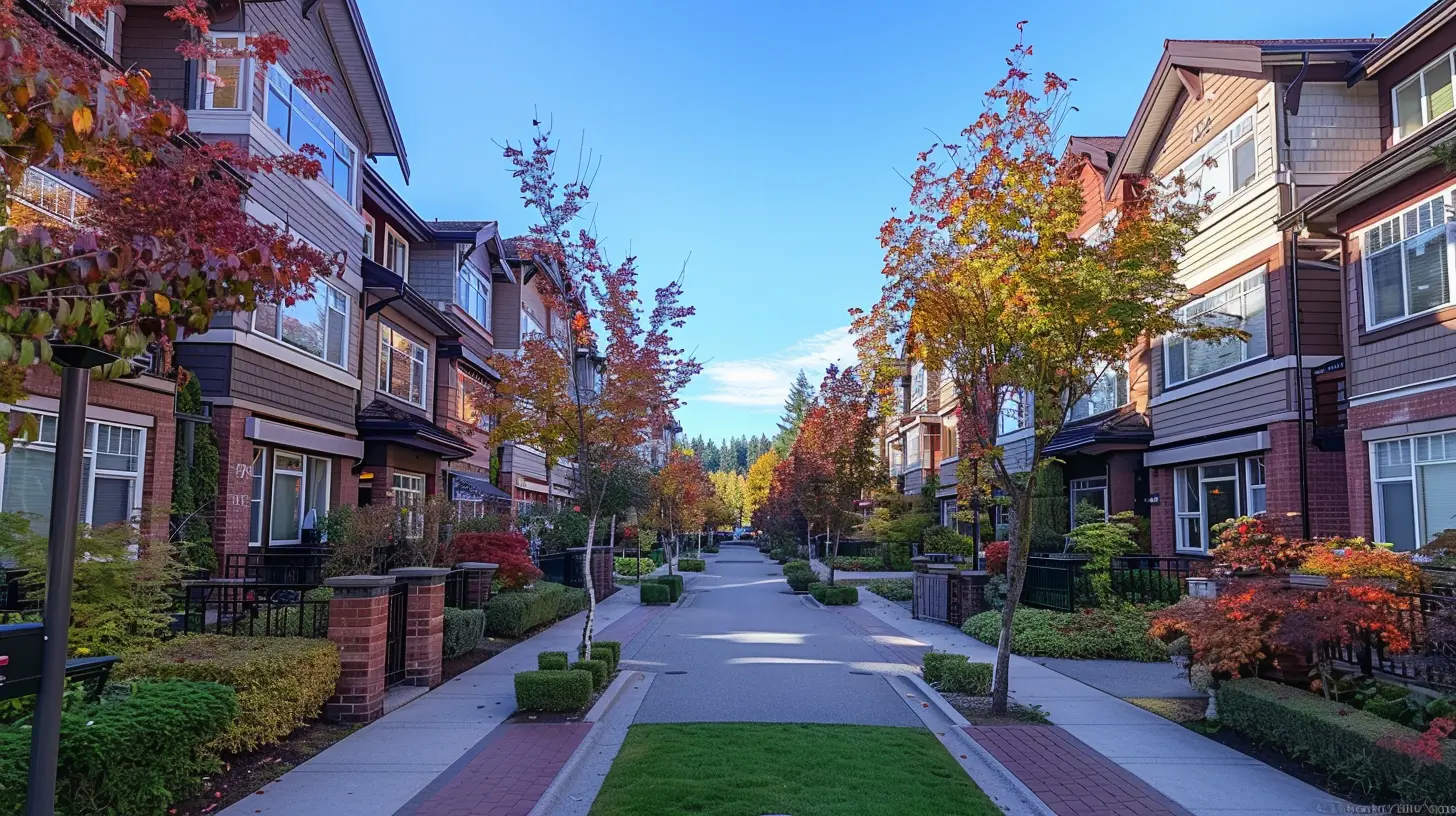
Zoning promotes compact and planned development, reducing the excessive spread of cities into surrounding rural areas. Instead of endless subdivisions popping up on the outskirts, zoning encourages growth in designated areas, making cities more efficient and livable.2. Protecting Green Spaces and Farmland
Imagine driving through the countryside, only to see endless concrete replacing lush fields. Without zoning regulations, valuable farmland and green spaces would be swallowed up by urban expansion, reducing food production and harming ecosystems.Zoning ensures that agricultural and conservation lands are safeguarded, preserving nature while preventing unnecessary urban sprawl.
3. Promoting Mixed-Use Development
One of the biggest culprits of urban sprawl is separating where people work from where they live. When residential areas are far from commercial hubs, people rely more on cars, leading to traffic congestion and longer commutes.Mixed-use zoning allows for a blend of homes, businesses, and recreational spaces in a single area, making communities more walkable and reducing the need to expand outward.
4. Efficient Use of Infrastructure
Think about it—every new neighborhood needs roads, schools, water lines, and emergency services. When development spreads too far, infrastructure costs skyrocket. Cities end up stretching their resources too thin, leading to poor service delivery.With zoning, urban expansion is controlled so that existing infrastructure is used wisely and efficiently, reducing unnecessary expenses for both the city and taxpayers.
5. Reducing Traffic Congestion and Pollution
Sprawling cities mean people have to drive further to reach work, schools, or shopping centers. More cars on the road lead to increased air pollution, longer commutes, and higher fuel consumption—not exactly an ideal scenario.Zoning encourages compact communities where public transportation, biking, and walking are viable alternatives, cutting down on unnecessary car travel and making cities more sustainable.
6. Strengthening Community Identity
Ever noticed how older, well-planned cities have a strong sense of identity? That’s because zoning helps shape cohesive neighborhoods, preserving historical areas, creating vibrant commercial hubs, and fostering a well-balanced environment.Without zoning, cities risk losing their unique character as haphazard development takes over, leading to fragmented communities with no real sense of place.
Challenges of Zoning in Controlling Urban Sprawl
While zoning is an essential tool in managing urban growth, it’s not without its challenges.- Rigid zoning laws can sometimes limit innovation. When zoning regulations are too strict, they can stifle development and make housing less affordable.
- Zoning can sometimes lead to housing shortages. Overly regulated residential zoning can limit the ability to build high-density housing, worsening affordability issues.
- Resistance from developers and landowners. Some developers prefer unchecked expansion because it allows for more suburban projects rather than compact urban developments.
Balancing restrictive zoning to prevent sprawl while ensuring enough flexibility for growth is key to effective urban planning.
Successful Examples of Zoning in Action
1. Portland, Oregon
Portland is renowned for its Urban Growth Boundary (UGB)—a zoning policy that restricts city expansion beyond a designated limit. This ensures that development remains concentrated, protecting rural areas while promoting sustainable growth.The result? A thriving city with walkable neighborhoods, efficient public transport, and a clear separation between urban and rural land uses.
2. Vancouver, Canada
Vancouver has successfully implemented mixed-use zoning, seamlessly blending residential, commercial, and recreational spaces. By prioritizing high-density housing and public transit, the city has minimized urban sprawl while creating a vibrant, livable metropolis.3. Curitiba, Brazil
Curitiba is a shining example of how smart zoning can lead to efficient urban development. By integrating bus rapid transit with zoning policies, the city has managed to curb sprawl while ensuring that transport options remain accessible and sustainable.
The Future of Zoning and Urban Development
As cities continue to grow, zoning will play an even bigger role in shaping the future of urban development. With the rise of eco-friendly planning, sustainable zoning practices will focus on reducing carbon footprints, promoting green architecture, and prioritizing public transport.What’s Next?
- More flexible zoning laws that allow for mixed-income housing, reducing affordability issues.- Eco-zoning policies that encourage green roofs, energy-efficient buildings, and sustainable infrastructure.
- Smart city technologies that use data to optimize land use and reduce congestion.
If implemented correctly, zoning can be the foundation for thriving, well-planned cities that offer both economic opportunities and a high quality of life.
Final Thoughts
Zoning is more than just a set of rules—it’s a powerful tool that prevents urban sprawl, protects green spaces, and promotes sustainable growth. Without it, our cities would be chaotic, inefficient, and environmentally unsustainable.While it’s not a perfect system, when done right, zoning ensures that urban expansion happens in a way that benefits everyone—residents, businesses, and the environment alike.
So, the next time you hear about zoning laws in your city, take a moment to appreciate the careful planning that goes into creating a balanced and livable urban space. Because when cities grow wisely, everyone wins.
all images in this post were generated using AI tools
Category:
Zoning RegulationsAuthor:

Travis Lozano
Discussion
rate this article
1 comments
Ava Good
In the dance of urban life, zoning carves the map, guiding growth with care. It nurtures community spirit, weaving spaces where nature breathes, keeping sprawling dreams within the heart of the city.
July 20, 2026 at 5:01 AM
Travis Lozano
Thanks for your thoughtful comment. Zoning really does play a crucial role in shaping vibrant communities while balancing growth and green spaces.