Wood-Plastic Composites: Blending Nature with Technology
19 October 2026
Wood and plastic—two materials that couldn’t be more different. One is organic and earthy, the other is synthetic and cutting-edge. But when you combine them, something kind of magical happens. We get wood-plastic composites (WPCs)—a material that’s both natural-looking and technologically durable. If you've ever stepped on a stylish deck that doesn’t rot or warp—or admired a low-maintenance fence line—you’ve probably seen WPCs in action.
In this post, we're diving into the world of wood-plastic composites. What are they? Why are they catching on in the real estate and construction industries? And how do they balance sustainability and performance in a world that demands both?
Let’s get into it.
What Are Wood-Plastic Composites?
At a glance, wood-plastic composites might look like traditional wood, but they’re doing way more beneath the surface.WPCs are made by combining wood fibers (usually sawdust, pulp, or wood flour) with thermoplastics like polyethylene, polypropylene, or PVC. Add a few bonding agents and color pigments, and you’ve got a material that mimics the look of wood but behaves more like plastic.
So what’s the point of mixing wood and plastic?
Well, pure wood is susceptible to rot, warping, and insects. And plastic, while durable, often lacks the warmth and natural charm that wood brings. Combine the two, and you get the best of both worlds: the aesthetic and texture of wood, with the resilience and longevity of plastic.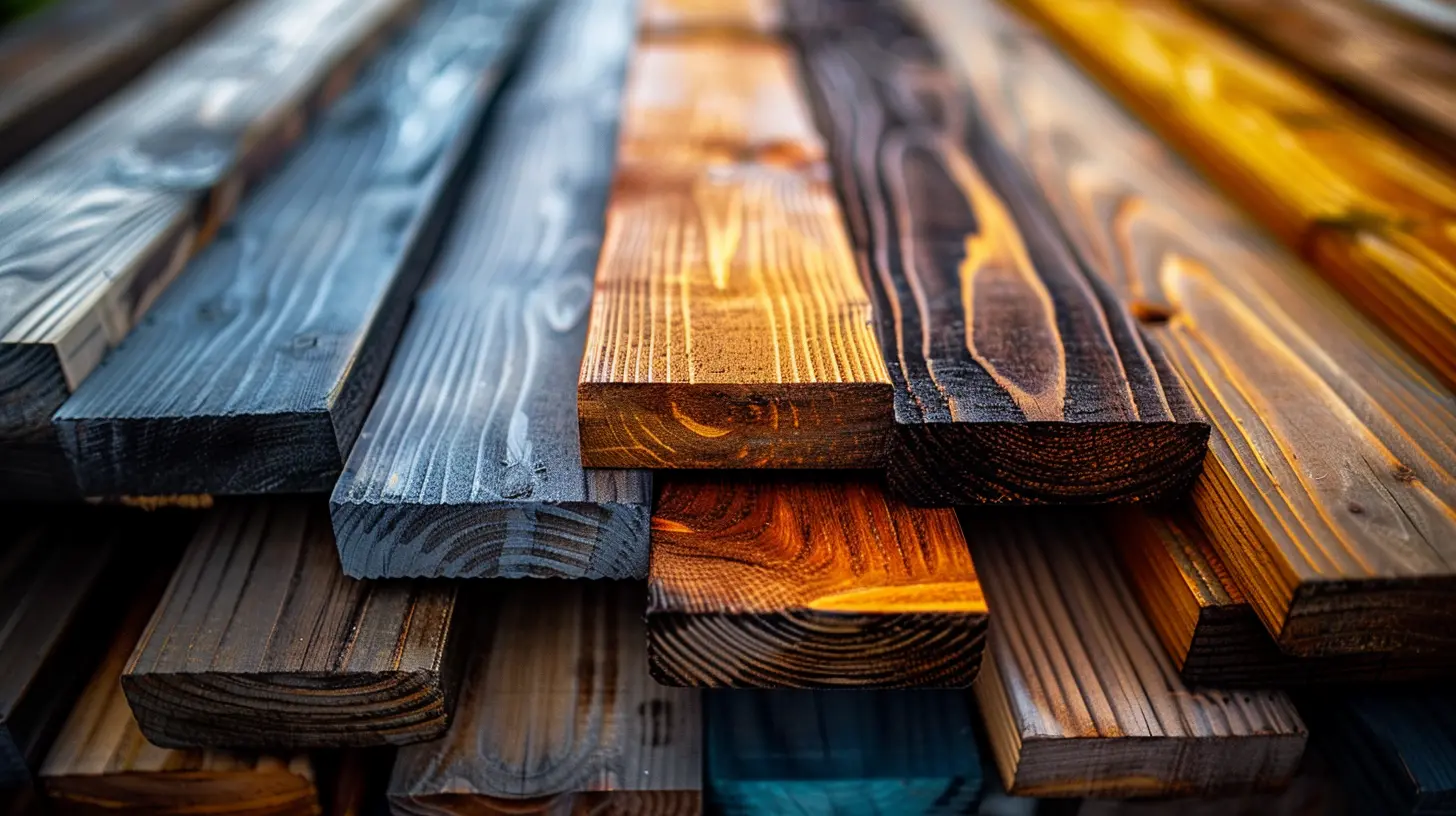
How WPCs Are Made (And Why It Matters)
WPCs are usually produced through a process called extrusion. Sounds technical, but it’s basically like using a giant Play-Doh machine. The wood and plastic particles are melted together and pushed through molds to create planks, boards, or custom shapes.This manufacturing process is what gives WPCs their uniform quality and versatility. You can build fences, decks, benches, railings, siding—you name it.
And since WPCs are customizable, architects and builders can design with freedom while keeping performance in mind. That’s a huge perk in modern construction, where both form and function matter more than ever.
The Benefits: Why Everyone's Talking About WPCs
So what’s lighting the fire under wood-plastic composites right now? Let’s break down the key advantages.1. Low Maintenance
Let’s be real: most people don’t want to spend their weekends staining a deck or replacing warped panels. WPCs resist moisture, rot, and pests, which means they don’t require sealing, painting, or much upkeep at all.A quick rinse with water (and maybe some soap) usually does the trick.
2. Long Lifespan
Traditional wood can start to degrade within just a few years. WPCs? They can last 25 to 30 years, or even longer if properly installed.Because they don’t crack, splinter, or absorb water, they maintain their integrity for the long haul. That’s a major win from both a cost and environmental standpoint.
3. Eco-Friendly Credentials
Many WPCs are made from recycled materials—both wood and plastic. That means less waste going into landfills and fewer trees chopped down for new builds.Plus, their long lifespan cuts down on replacement materials, reducing the carbon footprint of a project over time.
4. Aesthetic Versatility
You can get WPCs in a wide range of colors, textures, and finishes. Want the rustic look of cedar? Or the sleek modern vibe of charcoal gray? WPCs can deliver.Some high-end styles even feature embossed grain patterns that mimic real wood with eerie accuracy. It’s all about options.
5. Slip Resistance
Because WPCs are engineered, manufacturers can add slip-resistant surfaces, making them a safer pick for outdoor settings like pools, patios, and stairs. This is especially important for families with kids or anyone worried about safety in wet conditions.6. Cost Effectiveness Over Time
Sure, WPCs can cost more upfront than regular wood. But factor in maintenance, replacement, and longevity, and you’re often looking at a better deal in the long run.Think of it like buying a reliable car. Maybe a few extra bucks now—but fewer headaches later.
Downsides? A Few Worth Mentioning
Nothing’s perfect, right? While WPCs come with a ton of perks, there are a couple of trade-offs to consider.1. Initial Cost
Compared to softwoods like pine, WPCs can be pricey at first. It’s the classic upfront investment scenario: higher initial spend, lower maintenance down the road.2. Fading Over Time
Though most modern WPC products are UV-stabilized, they may still fade slightly over time when exposed to direct sunlight. Not a dealbreaker, but worth knowing.3. Not Biodegradable
Even though many WPCs use recycled materials, they aren't biodegradable. So while they’re greener in production and use, they’ll still need responsible disposal at the end of their life.Where Wood-Plastic Composites Shine (Literally and Figuratively)
WPCs are incredibly versatile and are making waves across a wide range of property types. Here are some places where they really come into their own:✅ Residential Decking
This is the big one. Homeowners love WPC decking for its durability and appearance. It’s perfect for entertaining spaces, BBQ areas, rooftop patios, and more.Plus, you don't have to step on a splinter again—seriously, who enjoys that?
✅ Commercial Facades
Businesses are jumping on the WPC bandwagon too. Modern office buildings and retail spaces are using composite cladding for that sleek, eco-modern look.It’s durable, low-maintenance, and makes a solid first impression.
✅ Fencing & Railings
WPC fencing is like the golden retriever of fences—reliable, low-maintenance, and always looks good. It doesn’t need painting, won’t rot, and stands up to the elements.✅ Outdoor Furniture
Benches, tables, planters—WPCs are popping up everywhere outside. They hold up in all weathers and retain their color and finish better than traditional wood.✅ Landscaping & Pathways
For builders and developers looking to create harmony between natural landscaping and modern design, WPCs are a dream come true. They can be molded into everything from footbridges to raised garden beds.WPCs and Real Estate: A Match Made in Modern Living
Let’s talk real estate for a second. The choices developers and property managers make about materials can directly influence marketability, value, and tenant satisfaction.Increased Curb Appeal
Nobody wants a building that looks like it’s falling apart. WPCs maintain that “freshly built” look for years, which helps properties stand out in a competitive market.ROI on Renovations
Upgrading old wood features to WPC can boost a property's value and reduce long-term maintenance costs. That’s a double win for landlords and homeowners alike.Eco-Focused Buyers
Sustainability isn’t a trend—it’s a demand. More buyers and renters are making decisions based on a building’s environmental impact. WPCs allow you to show commitment to green building without compromising design.Tips for Choosing the Right WPC Product
Not all WPCs are created equal. Here are some quick tips to help you get the best bang for your buck:- Check the core: Some WPCs are solid core, others are hollow. Solid cores generally last longer and offer better durability.
- Review the warranty: Top brands usually offer 20+ year warranties. That’s a sign they stand behind their product.
- Ask about additives: UV inhibitors, slip resistance, and mold-prevention additives make a difference, especially in extreme climates.
- Don’t skimp on installation: Even the best product can fail if it’s poorly installed. Hire pros or follow manufacturer guidelines closely.
Future Trends: What’s Next for WPCs?
The WPC industry is evolving fast. Here’s what to keep an eye on:- 3D Printing with Composites: Some innovators are exploring WPC-based 3D printing for architectural elements.
- Smart Composites: Imagine WPCs that change color with temperature or light—wild, right?
- Bio-based Plastics: To make WPCs even more eco-friendly, there’s a push to use plant-based plastics instead of petroleum-based ones.
Bottom line? This material’s just getting started.
Final Thoughts
Wood-plastic composites are more than just a clever mix of sawdust and plastic—they’re a massive leap forward in sustainable building materials. They blend the best of nature with the strength of man-made tech, offering a smart solution for modern construction and design.Whether you’re a contractor, realtor, homeowner, or developer, WPCs deserve a place on your radar. They tick a lot of boxes: performance, aesthetics, sustainability, and value.
So, the next time you lay a deck or put up a fence, think beyond traditional wood. It might be time to go composite.
all images in this post were generated using AI tools
Category:
Building MaterialsAuthor:

Travis Lozano