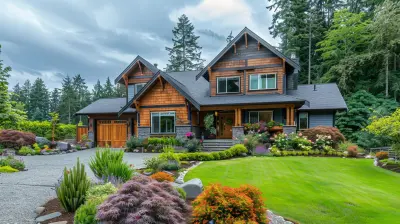
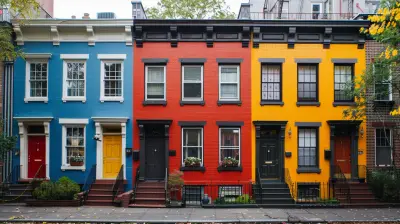
Will Urban Living Make a Comeback by 2026? Market Trends to Watch
15 April 2026
Let’s be honest. For a few years there, it seemed like the great urban exodus was the only story in real estate. Headlines screamed about empty downtowns, shuttered storefronts, and a mass migration to the suburbs and beyond. The city, that pulsating heart of culture and career, was supposedly on life support. We all saw the photos of silent financial districts and wondered: is this the end of an era?
But cities are resilient beasts. They’ve survived plagues, wars, and economic collapses. They adapt. So, I’m here to ask you a more compelling question: are we standing at the precipice of a major urban renaissance? By 2026, could we see a powerful, reimagined comeback of city living? The data, the whispers on the street, and some fundamental human truths are starting to point to a resounding "yes." But this won’t be a simple return to 2019. This is a metamorphosis. Let’s dive into the market trends you need to watch to understand this seismic shift.
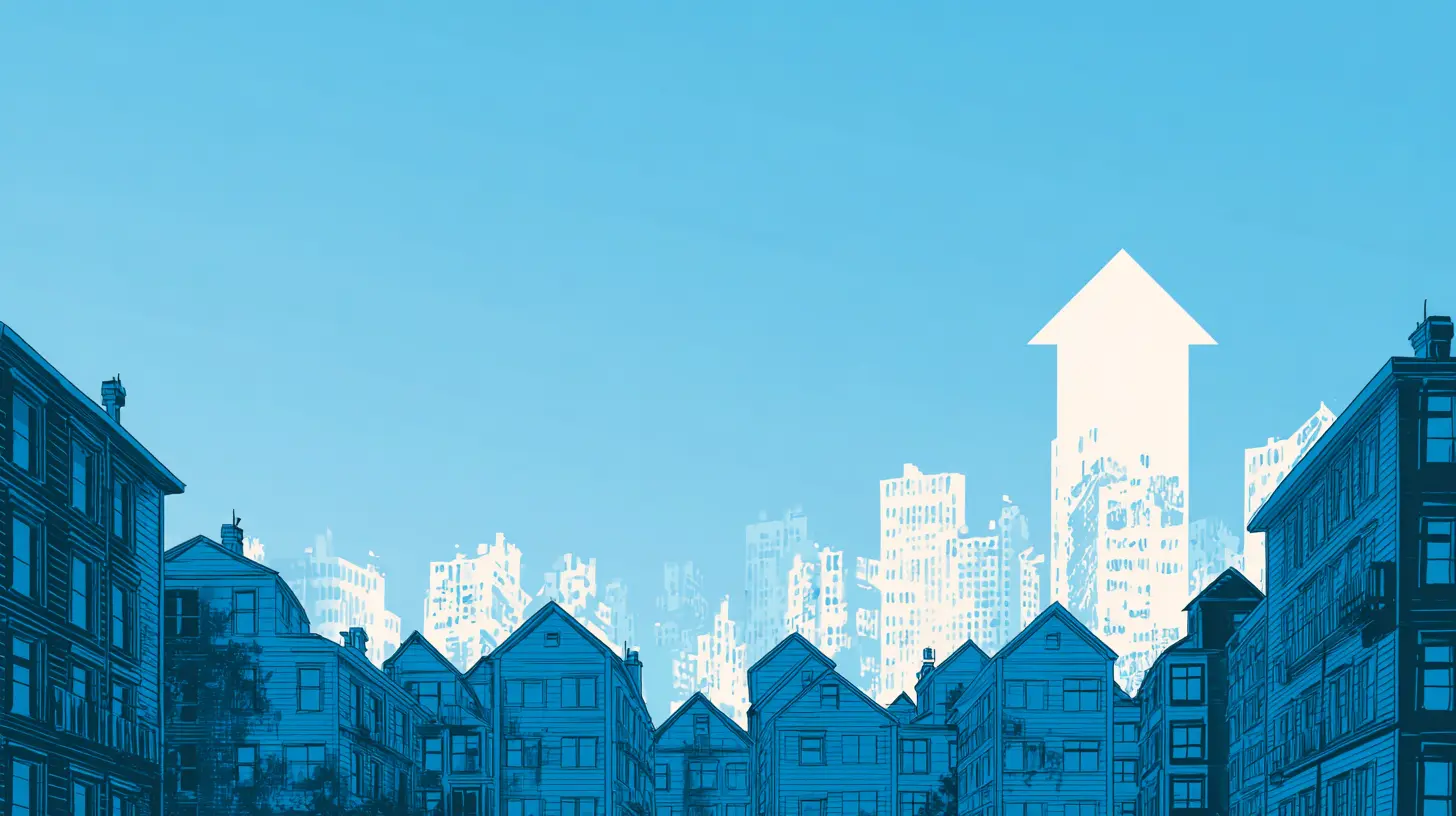
The Great Recalibration: Why the "Death of the City" Was Greatly Exaggerated
First, we need to reframe the narrative. The pandemic didn’t kill the desire for urban living; it forced a global pause and a profound reconsideration of what we want from our lives. Think of it like a relationship. You were in a fast-paced, exciting, sometimes exhausting partnership with your city. Then, you were forced to take a break. You moved to your parents' place in the country (the suburbs) for a while. It was quieter, cheaper, and you had space to breathe. But after a year or two, you started to miss the energy, the spontaneity, the culture, the potential that only that dynamic partner—the city—could offer.That’s where we are now. The initial shock has worn off. The remote work experiment, while permanent for many, has revealed its own flaws: isolation, blurred work-life boundaries, and a craving for serendipitous human connection. People, especially younger generations and empty-nesters, are remembering what cities do best: they create collision. Collisions of ideas, of art, of career opportunities, of love. You can’t get that from a Zoom grid or a sprawling cul-de-sac.
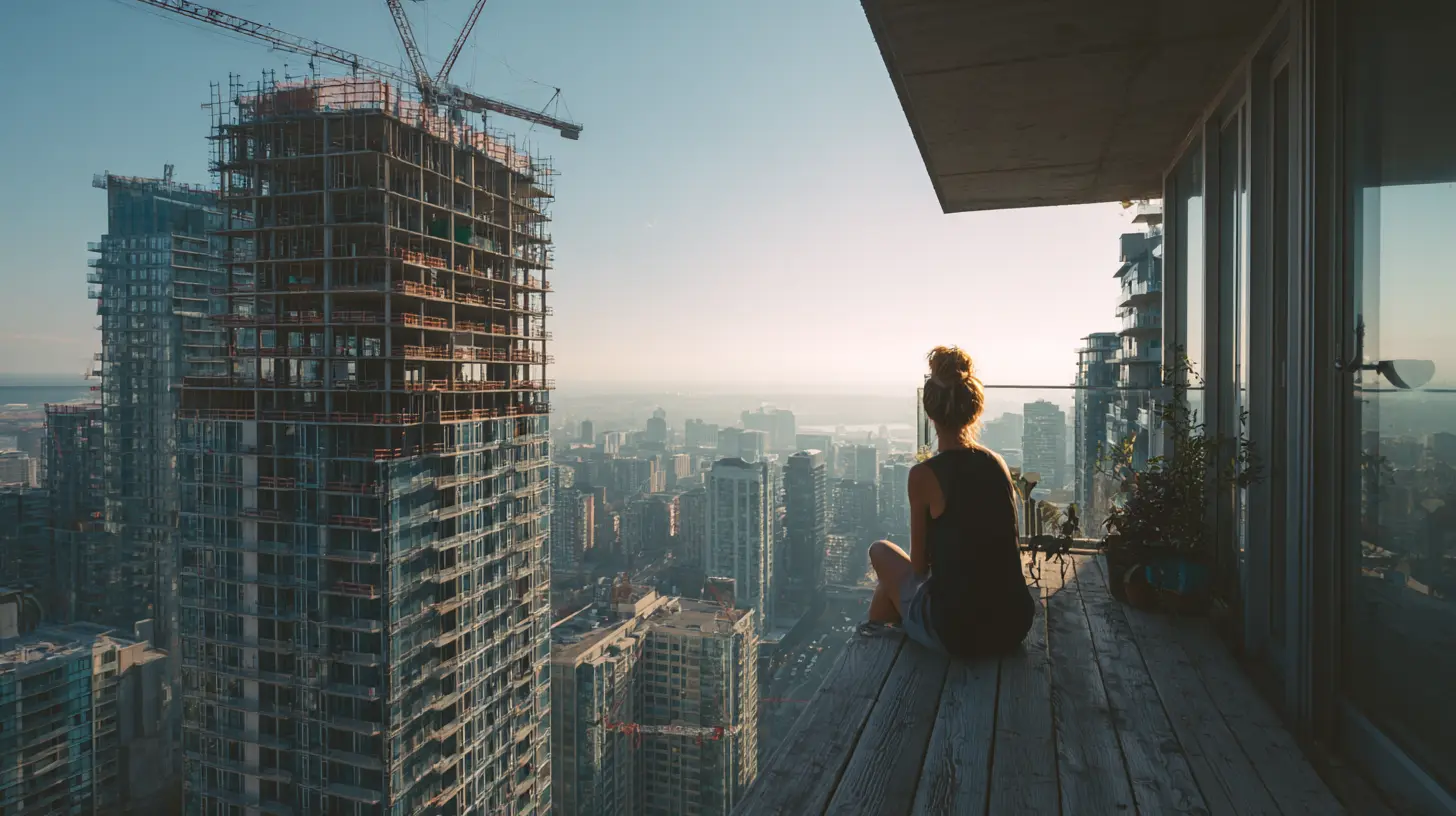
Market Trends to Watch: The Five Pillars of the Urban Comeback
So, what are the concrete signs? What should investors, homeowners, and renters be watching like hawks? Here are the five key pillars supporting the urban revival.1. The Hybrid Work Hammer: Reshaping Geography & Demand
This is the biggest driver, and it’s a double-edged sword that’s ultimately carving out a new urban model. Yes, the 5-day downtown commuter is an endangered species. But the hybrid worker—in the office 2-3 days a week—is the new king.What does this mean for cities? It means demand is shifting from central business districts (CBDs) to live-work-play neighborhoods. People no longer need to live a 45-minute subway ride from the office. They need to live within a 15-minute walk or bike ride of a vibrant, mixed-use hub where they can work from a café, grab groceries, see a show, and then hop on a train to the central office for meetings. This 15-Minute City concept isn’t just a trendy urban planning term; it’s the new blueprint for urban desirability.
Watch for soaring demand in these "secondary" neighborhoods—the Brooklyn-esque areas of every major city. Properties that offer dedicated home office space (a true "plus-one" bedroom) will command a massive premium. The downtown core won’t die; it will transform from a 9-to-5 monoculture into a more balanced destination for entertainment, flagship retail, and major corporate gatherings.
2. The Experience Economy Roars Back: Culture as a Utility
During lockdowns, we all consumed entertainment. Now, we crave experiences. We’re hungry for the roar of a crowd at a concert, the hushed awe of a gallery opening, the collective laughter in a small comedy club, the taste of a chef’s special at a impossible-to-get-into restaurant. This isn’t a nice-to-have; for urban revival, it’s as critical as water and electricity.Cities are the engines of the experience economy. You can’t stream the energy of a street festival or the networking potential of an industry mixer. By 2026, cities that double down on their cultural infrastructure—funding the arts, supporting indie venues, creating vibrant public spaces and pedestrian zones—will be the big winners. Real estate in neighborhoods adjacent to cultural corridors will see sustained growth. People will pay a premium not just for a roof, but for a front-row seat to life.
3. The Sustainability & Wellness Revolution Hits Home
The suburban dream often came with a big lawn and two cars in the driveway. The new urban dream is walkability, green space, and a smaller carbon footprint. Climate consciousness is no longer niche; it’s mainstream. Younger buyers and renters are actively seeking lower-impact lifestyles.This trend fuels demand for:
* Transit-oriented development (TOD): Apartments and condos a stone’s throw from reliable subway, light rail, or bus lines.
* Access to authentic green space: Not just a manicured pocket park, but real, wild-ish trails, community gardens, and accessible waterfronts.
* Green building standards: Energy-efficient appliances, better insulation, EV charging stations, and healthy building materials are moving from "luxury upgrades" to "market-standard expectations."
The city that can offer a dense, convenient, and green lifestyle will have an undeniable edge. It’s the ultimate efficiency play: less time commuting, less money on gas, and a clearer environmental conscience.
4. The Supply-Demand Tango: A Cooling Market Meets Pent-Up Demand
Here’s where it gets interesting for buyers and investors. The soaring interest rates of 2022-2023 did something crucial: they cooled the ferocious bidding wars and slowed new construction starts. Many large-scale urban development projects were put on hold.Now, fast-forward to 2025-2026. Demand is rising again due to the trends above, but the supply pipeline hasn’t kept pace. This sets the stage for a potential supply squeeze. Inventory in desirable urban neighborhoods may remain tight, putting upward pressure on prices and rents. However, this won’t be a uniform boom. Quality and location will be paramount. Well-maintained buildings in amenity-rich, 15-minute neighborhoods will thrive. Older, poorly located stock may continue to struggle.
5. The Demographic Double Helix: Young Pros & Active Empty-Nesters
Finally, follow the people. Two key demographic groups are aligning to repopulate cities.* Gen Z & Younger Millennials: They are entering their prime household-forming and career-launching years. For them, urban centers are not a compromise; they are the default platform for life. They value experiences over square footage, diversity over homogeneity, and accessibility over isolation. They are the native users of the hybrid work model.
* Active Baby Boomers & Empty-Nesters: After decades in the suburbs, a significant cohort is selling the big house. And where are they going? Many are choosing vibrant urban neighborhoods over retirement communities. They want walkability to restaurants and theaters, lower maintenance living, and to be in the thick of life’s action. They have the capital to buy quality urban real estate outright.
This creates a powerful, two-pronged demand stream that will buoy the urban housing market across different price points and property types.
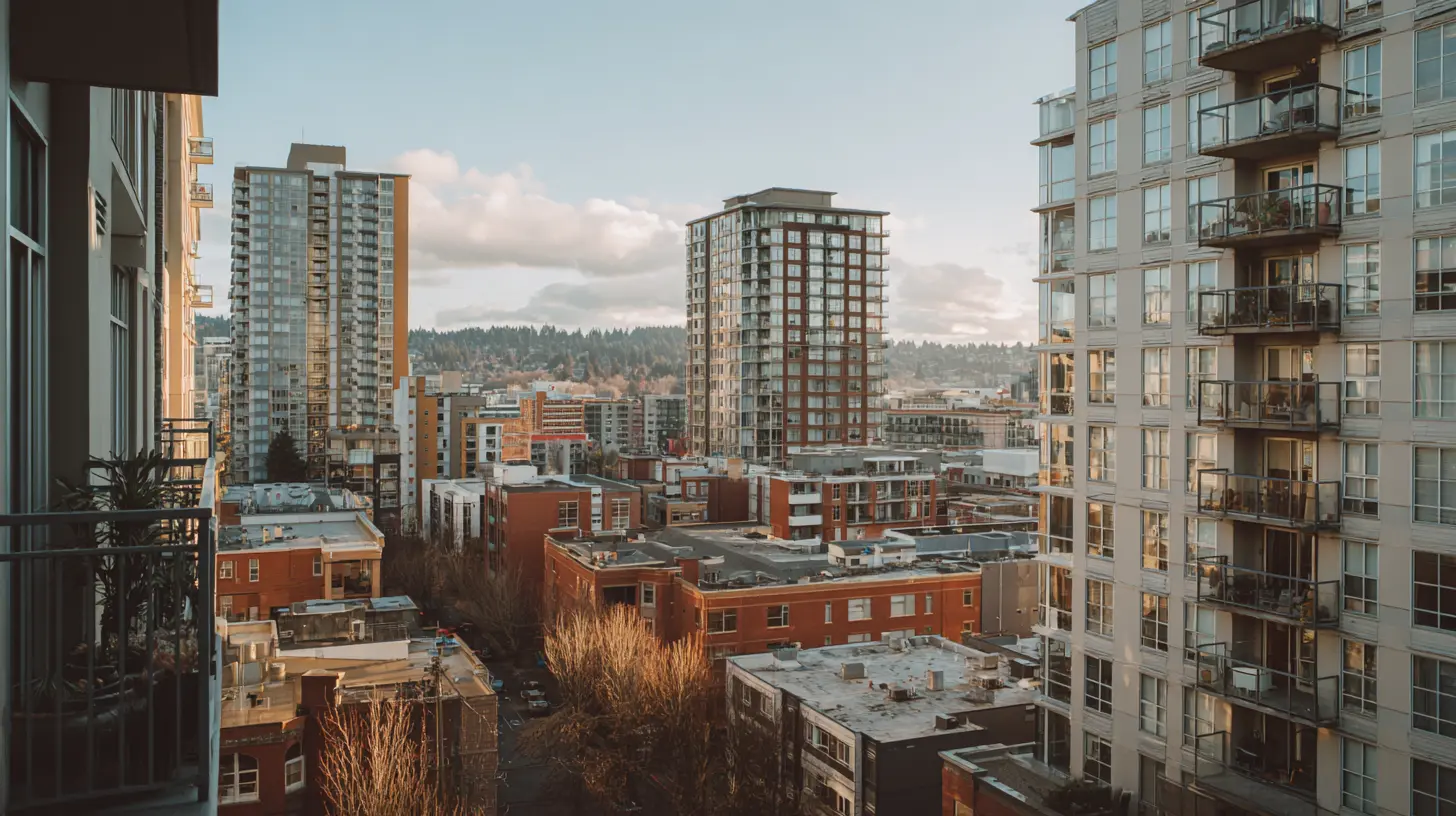
The New Urban Portrait: What Does "Comeback" Actually Look Like?
So, by 2026, the successful city won’t look like its 2019 self. It will be greener, more neighborhood-centric, more flexible, and more focused on quality of life. Imagine:* Streets reclaimed for people, not just cars, with wider sidewalks and bike lanes.
* Ground floors filled with independent shops, cafes, and clinics, not just bank branches.
* Office buildings partially converted to residential or hybrid spaces.
* A housing stock that includes more family-friendly units (yes, families are returning too, drawn by improved urban schools and parks).
* A downtown that buzzes on evenings and weekends, not just weekdays.

The Bottom Line for You
Whether you’re looking to buy, sell, or invest, the urban tide is turning. The opportunistic window of "discounted" city property is already closing in many prime spots. The comeback isn’t a vague prediction; it’s a current, building under the influence of irreversible shifts in how we work and live.Don’t look for a simple rebound. Look for a reinvention. The urban core of 2026 will be a more resilient, more livable, and more desirable version of its former self. It won’t be for everyone—the suburbs will always have their powerful appeal. But for those who thrive on energy, connection, and possibility, the city’s siren song is growing louder by the day. The question isn't if urban living will make a comeback, but are you ready for the new shape it will take?
all images in this post were generated using AI tools
Category:
Housing Market TrendsAuthor:
Travis Lozano
Discussion
rate this article
2 comments
Kyle Mathews
Exciting possibilities ahead... curious!
May 5, 2026 at 12:59 PM
Travis Lozano
Absolutely! It's an intriguing time for urban living, and the trends are promising. Let's see how it unfolds.
Zephira Carrillo
Urban revival hinges on adaptability and community needs.
April 15, 2026 at 3:48 AM
Travis Lozano
Absolutely! Adaptability and focusing on community needs are key to fostering vibrant urban spaces and ensuring their revival.