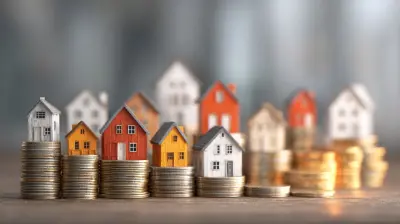
Why Real Estate Investment Is Booming Amid Price Increases Toward 2027
5 September 2026
There is a strange paradox sitting at the heart of today's property markets. Prices are rising at a pace that would normally cool demand, yet more investors are pouring money into real estate than at any point in the last two decades. The instinctive reaction to a rising price tag is to wait, to bargain, or to walk away. But in real estate, the opposite is happening. People are not just buying; they are buying aggressively, often before properties even hit the open market.
Understanding why this is occurring requires looking past the headline numbers. The boom is not driven by irrational exuberance or a simple fear of missing out. It is driven by a convergence of structural forces that make real estate one of the few remaining assets that can simultaneously hedge against inflation, provide cash flow, and offer long-term appreciation in a world where traditional safe havens are underperforming. And the timeline toward 2027 is not arbitrary. It is the period when several major economic cycles are expected to align, creating a window that many investors believe will not open again for a generation.
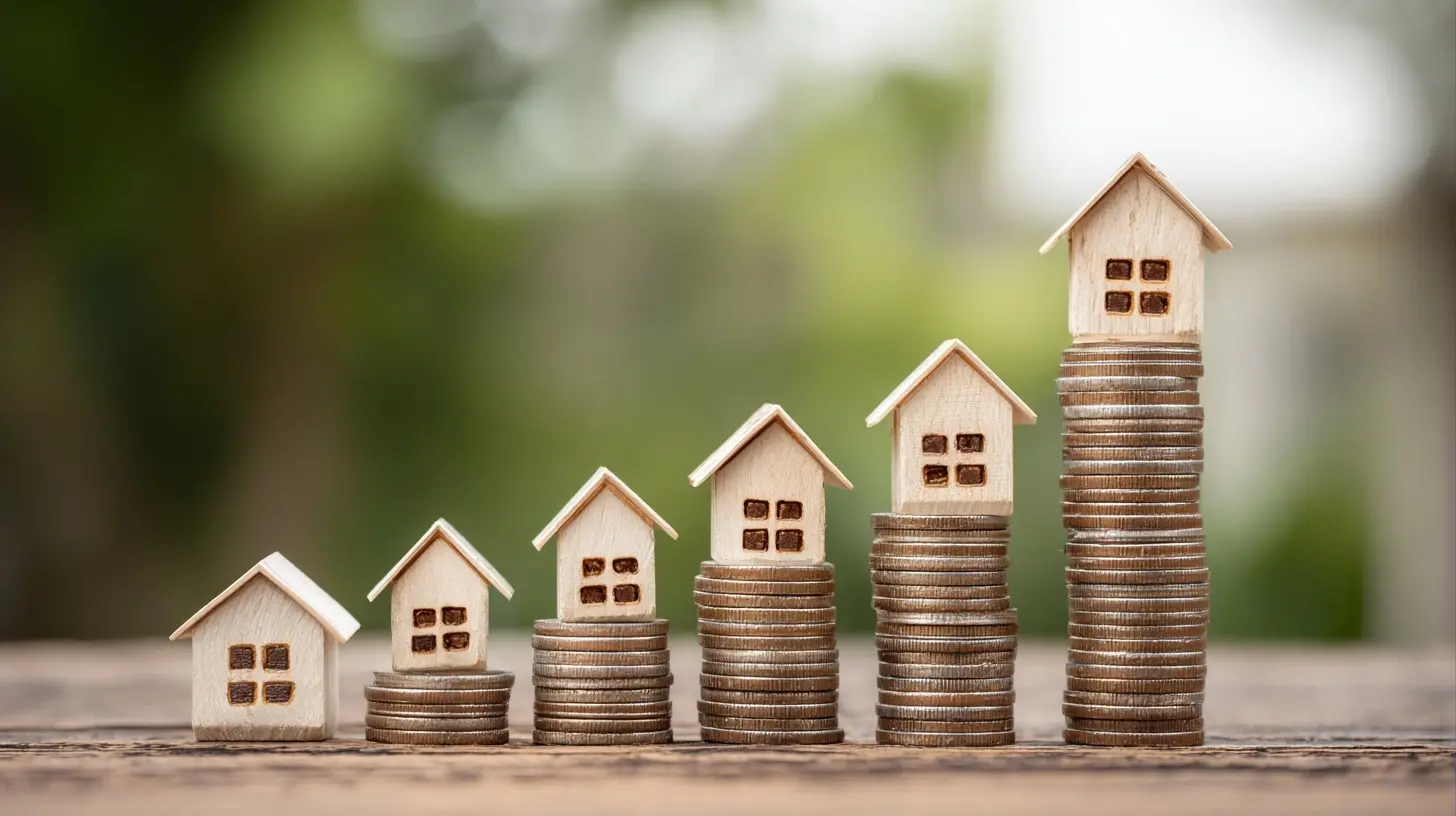
The Inflation Hedge That Actually Works
Most people understand that real estate protects against inflation, but few grasp the mechanics deeply enough to explain why it works better than gold, bonds, or even stocks. When inflation rises, the cost of replacing a building rises too. Construction materials, labor, zoning approvals, and financing costs all inflate. That means the replacement value of an existing property climbs even if its rent roll stays flat. So the asset itself becomes more valuable not because of what it produces, but because of what it would cost to build it again from scratch.Rents also adjust, though with a lag. Lease agreements often have annual escalation clauses, and in markets with strong demand, landlords can reset rents to market levels every time a tenant moves out. This is different from a fixed coupon bond, where your income stays frozen regardless of what happens to the price of groceries or fuel. A well-located property is essentially a living income statement that reprices itself to the cost of living over time.
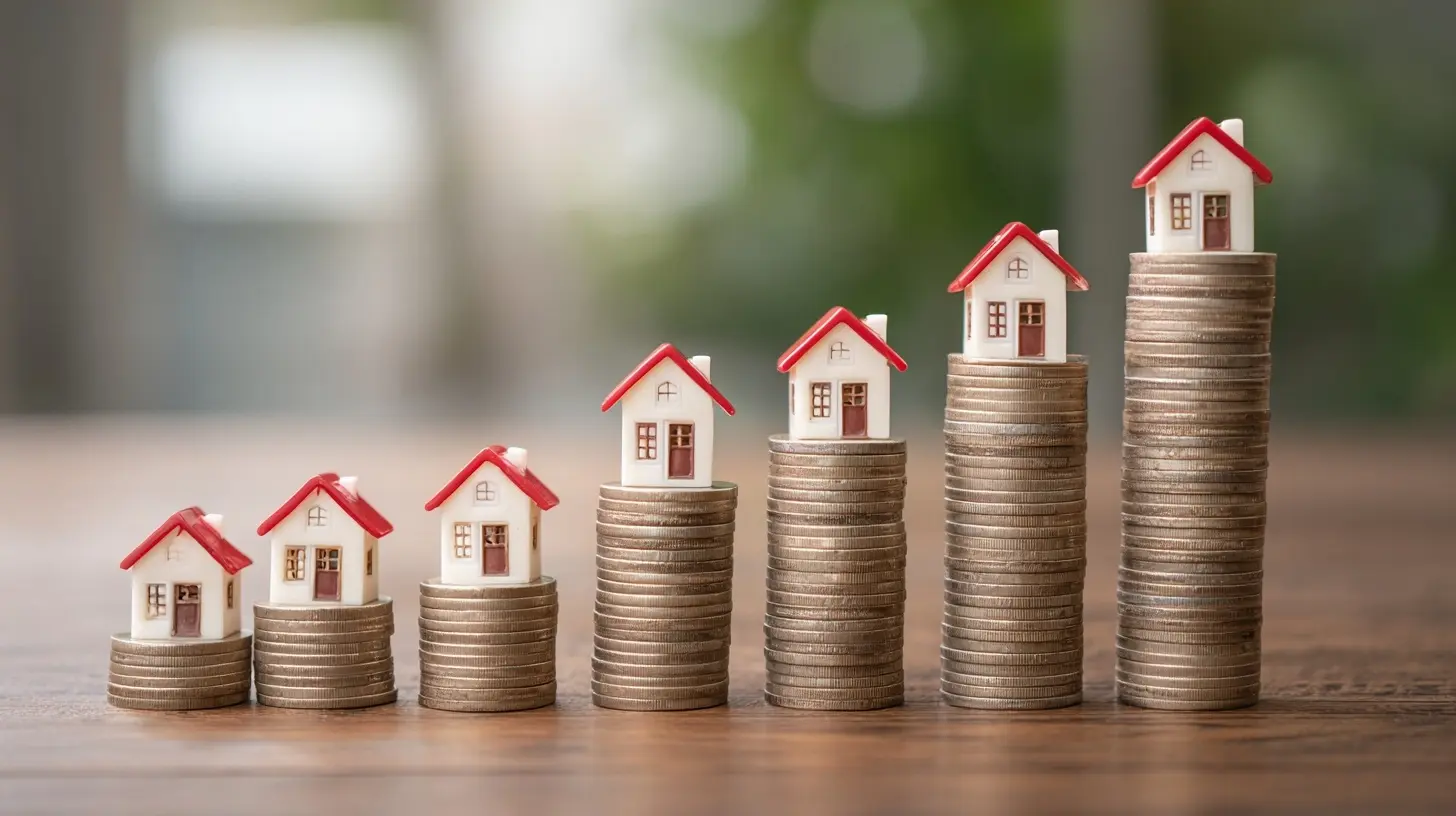
Consider a simple comparison. If you buy a bond yielding four percent and inflation runs at five percent, you are losing purchasing power every year. If you buy a property with a net yield of four percent but rents grow at three percent annually, your effective return in real terms increases over time. The yield on cost keeps rising while your mortgage payment stays fixed. That is the quiet engine of wealth creation in real estate, and it becomes louder when inflation expectations are sticky, which is exactly what we are seeing heading into 2027.
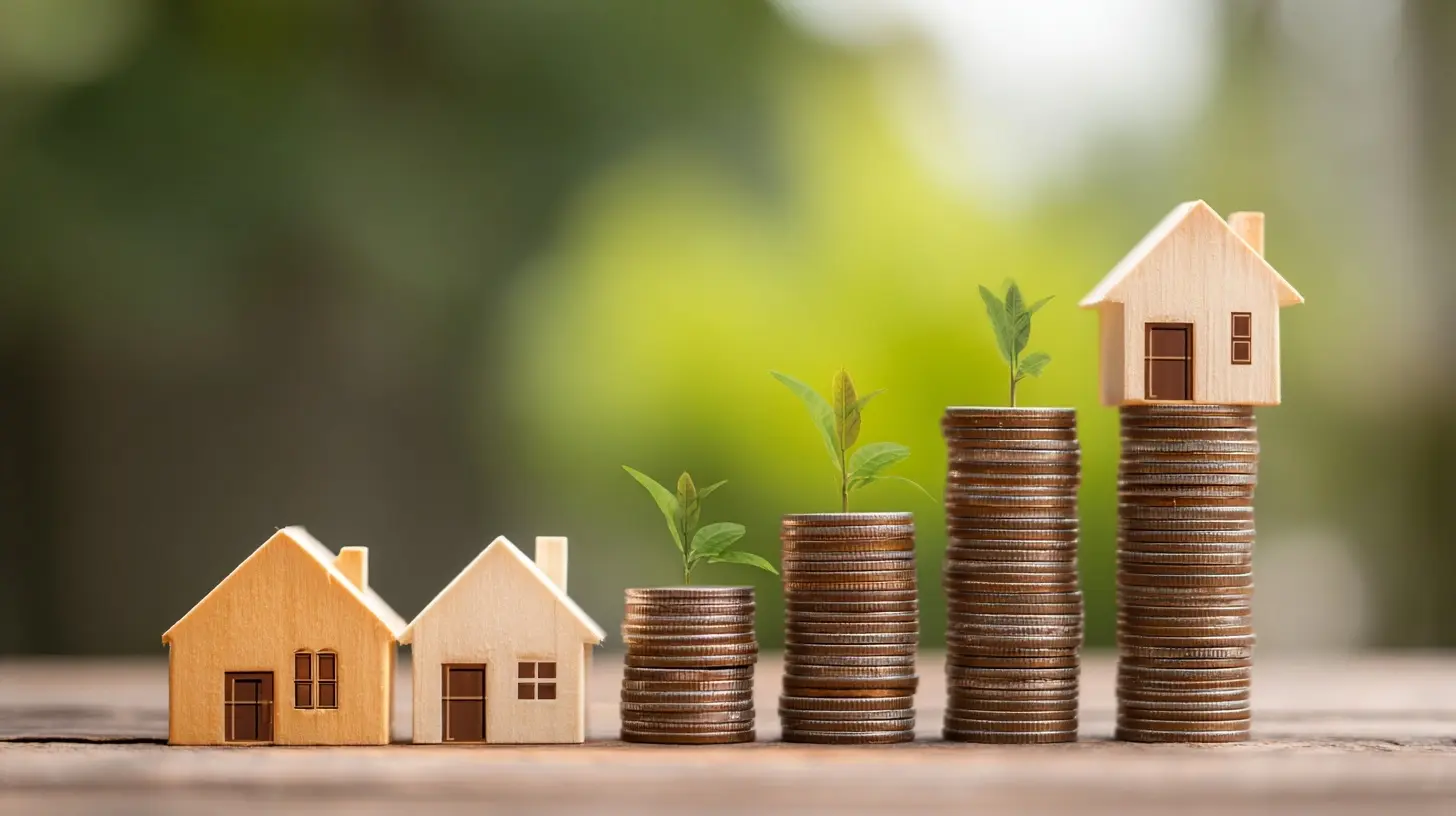
The Supply Side Is Structurally Broken
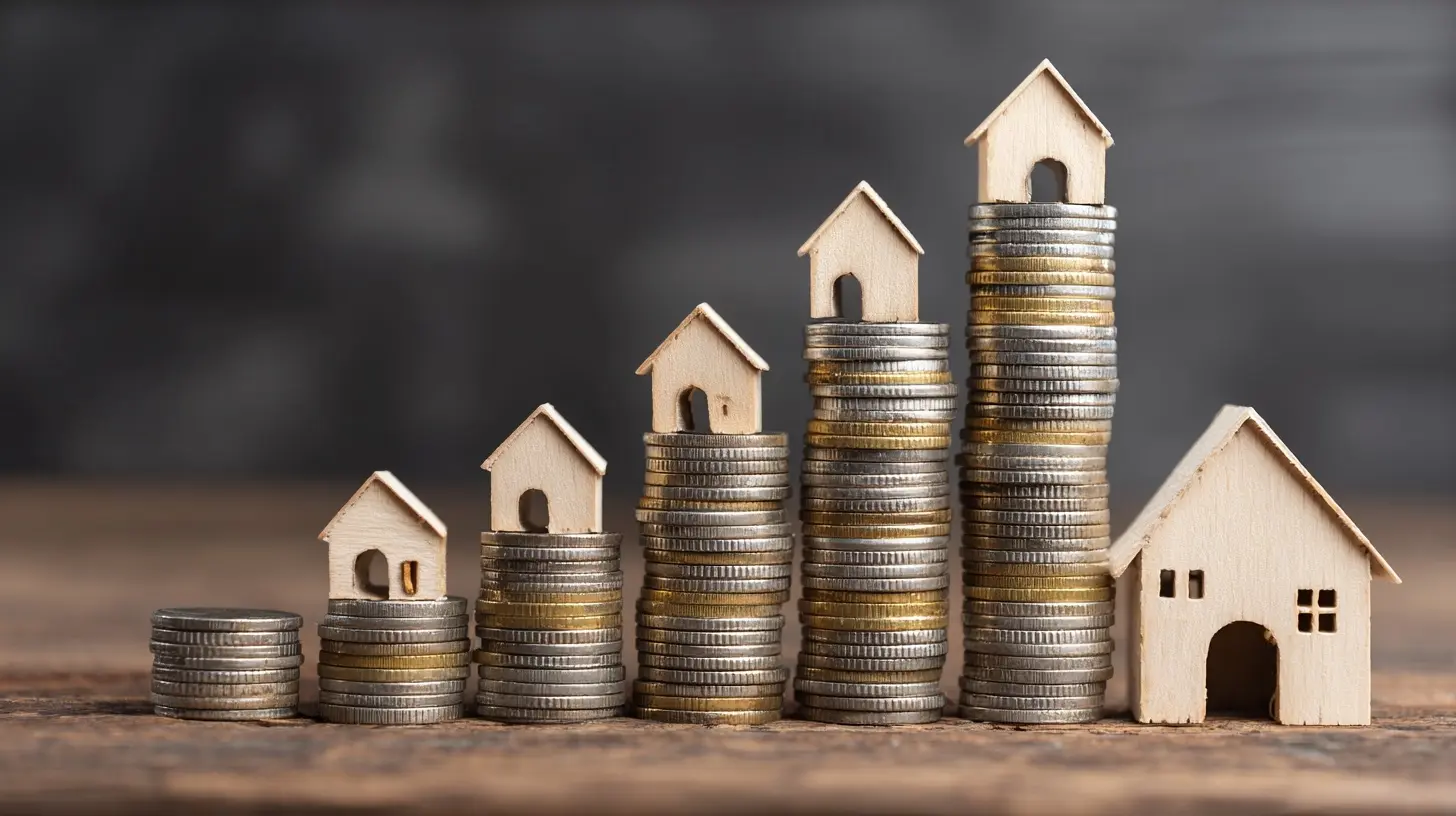
Demand is only half the story. The real reason prices are climbing toward 2027 is that supply is not keeping up, and it will not keep up for years. After the 2008 financial crisis, homebuilders in many countries simply stopped building at the pace required for population growth. Construction firms went bankrupt, skilled labor left the industry, and municipal governments tightened zoning rules in response to community pressure. The result is a decade-long deficit in housing units that is only now being fully understood.In the United States, estimates suggest the country is short several million homes. In the United Kingdom, the shortfall is measured in the hundreds of thousands. In Australia, Canada, and parts of Europe, the story is similar. This is not a cyclical dip in construction. It is a structural gap that took more than a decade to create and will take more than a decade to close, even under the most optimistic building scenarios.
The pandemic made this worse in a subtle but powerful way. Remote work and changing lifestyle preferences accelerated household formation. People who previously shared apartments in city centers wanted separate homes in suburbs or smaller cities. That shift increased the number of households, and each household needs a dwelling regardless of its size. Even if population growth slows, the number of households continues to rise because people are living alone more often, divorcing at similar rates, and delaying marriage. Every one of these trends adds demand pressure to a supply system that cannot respond quickly.
The 2027 Refinancing Wall Creates a Window
One of the most underappreciated drivers of the current boom is the so-called refinancing wall that is approaching in late 2025 and extending through 2027. During the period of ultra-low interest rates in 2020 and 2021, a massive volume of commercial real estate debt was originated with five-year terms. Those loans are now coming due. But the interest rate environment is completely different. A loan that was signed at three percent is now being refinanced at six or seven percent, assuming it can be refinanced at all.This creates a forced selling event in certain segments, particularly office properties and older multifamily buildings with heavy debt loads. Some owners simply cannot make the numbers work at higher interest rates and lower occupancy. They will sell at a discount. This is not a market crash, but it is a reset. And sophisticated investors are positioning themselves to take advantage of that reset.
The boom in prices is not uniform. It is highly selective. Class A properties in growing cities with strong employment bases are seeing bidding wars. Older, poorly located assets in declining markets are seeing price declines. The average masks a bimodal distribution. Investors who understand this are not buying everything. They are buying specific assets that will benefit from the upcoming distress in other parts of the market. They are also buying because they know that when the refinancing wave passes, the window of opportunity closes.
Demographic Tailwinds That Will Not Reverse
Demographics are often discussed in terms of aging populations and declining birth rates, but the real estate implications are more nuanced than simple population decline. The largest generation in history, the millennials, is moving through its peak household formation and family-raising years. This generation delayed homeownership due to student debt and the 2008 crash, but that delay is not a cancellation. It is a postponement, and postponed demand does not disappear.As millennials age into their late thirties and forties, they are buying homes, upgrading from apartments, and seeking properties near good schools. This is a one-time demographic wave that is now crashing onto the shores of the housing market. It will continue through the end of this decade, and it provides a floor under prices in family-oriented suburbs and mid-sized cities.
At the same time, the baby boomer generation is beginning to downsize. But they are not moving into rental apartments in large numbers. They are buying smaller, higher-end properties, often in walkable urban areas or active adult communities. This creates a two-tier market where both ends of the age spectrum are competing for a limited supply of desirable properties. The middle, traditional single-family homes in average neighborhoods, is relatively softer. But the overall effect is upward pressure on prices because the demand is concentrated in the segments where supply is most constrained.
The Shift in Institutional Allocation
Another force driving the boom is the behavior of large institutional investors. Pension funds, sovereign wealth funds, and insurance companies are increasing their allocations to real estate despite the high prices. This seems counterintuitive, but it makes sense when you look at their alternatives.Government bonds in many developed countries offer yields that barely keep pace with inflation. Corporate bonds offer slightly more but carry credit risk. Equities are trading at historically high valuations. Real estate, despite its high price tags, still offers a combination of income and appreciation that is difficult to match on a risk-adjusted basis. Institutional money is patient. It does not need to sell next year or the year after. It is looking at a ten-year horizon, and on that horizon, well-located real estate in growing cities looks attractive even at today's prices.
This institutional demand has a cascading effect. When a pension fund buys a portfolio of apartment buildings, it often does so through a joint venture with a local operator. That operator then needs to find more properties to manage, so they bid aggressively on the next available asset. Private equity firms raise dedicated real estate funds, and those funds need to deploy capital within a specified time frame. The result is that money flows into the market regardless of the price cycle, simply because the mandates require investment.
Individual investors see this and interpret it as a signal. If the smart money is buying, they reason, then the market must be going higher. This creates a self-reinforcing loop that pushes prices up further. It is not a bubble in the traditional sense, because the underlying cash flows are real. But it does mean that prices are being set by the marginal buyer, and the marginal buyer today is often a large institution with a long time horizon and a low cost of capital.
The Rental Market as the Foundation
The rental market provides the fundamental justification for the price boom. In many cities, the cost of renting has risen faster than the cost of owning over the past three years. This is unusual. Historically, owning a home carries a premium because it offers stability, tax advantages, and the ability to build equity. But when rents rise faster than mortgage payments, the calculus flips.Consider a couple in a mid-sized city. Their rent for a two-bedroom apartment is currently twenty-five hundred dollars a month. A comparable condo or townhouse would carry a mortgage payment of twenty-eight hundred dollars, including taxes and insurance. The difference is only three hundred dollars a month. But that three hundred dollars is not lost; it is going toward principal. At the end of five years, the renter has paid one hundred and fifty thousand dollars in rent and has nothing to show for it. The owner has paid a similar amount, but part of it has built equity, and the property itself has likely appreciated.
This dynamic is pushing more households into ownership, which reduces the supply of rental units, which pushes rents even higher, which makes ownership even more attractive. It is a virtuous cycle for owners and a vicious one for renters. Investors see this trend and recognize that rental demand will remain strong because the affordability gap between renting and owning is narrowing, not widening.
The Role of Government Policy and Its Limits
Government policy has played a significant role in the boom, though not always in ways that are immediately obvious. Low interest rates from 2020 to 2022 were the initial catalyst, but that phase is over. What remains are the structural policies that make building difficult. Zoning restrictions, environmental reviews, impact fees, and community opposition all add time and cost to new developments. These policies are not new, but their cumulative effect is now being felt.Some governments have responded with incentives for affordable housing or density bonuses. Others have relaxed zoning rules to allow accessory dwelling units or missing middle housing. These efforts are helpful at the margins, but they are nowhere near sufficient to close the supply gap. A city that needs fifty thousand new units and approves permits for five thousand is still moving in the wrong direction.
There is also the question of property taxes. In many jurisdictions, property taxes are based on assessed values that lag behind market values. This creates a powerful incentive to hold onto properties rather than sell and face a reassessment. The result is reduced inventory turnover. Fewer homes come on the market, which keeps prices elevated. Investors who understand this dynamic can benefit by buying and holding, rather than flipping, because the tax code rewards patience.
Common Mistakes and Misconceptions
For all the enthusiasm, there are significant risks that many new investors overlook. The first is overleverage. With interest rates higher than they were a few years ago, the cost of carrying debt is substantial. An investor who buys a property with a small down payment and a high interest rate is exposed to any downturn in rent or occupancy. If the property sits vacant for three months, the losses can wipe out a year of cash flow. This is not a theoretical risk. It is happening right now in markets where overbuilding has occurred or where employment has shifted.The second mistake is ignoring the difference between price and value. A property can be expensive because it is in a desirable location, or it can be expensive because of speculative bidding. These are very different situations. Location-based prices tend to hold their value because the land is scarce. Speculative prices can correct quickly when sentiment shifts. Distinguishing between the two requires local knowledge and a willingness to underwrite conservatively.
The third mistake is assuming that past appreciation will continue at the same rate. Real estate is cyclical, and the period from 2020 to 2025 has seen extraordinary gains in many markets. Those gains were driven by a unique combination of low rates, remote work, and demographic shifts. That combination is unlikely to repeat. Investors who project five percent annual appreciation indefinitely are setting themselves up for disappointment. A more realistic assumption is two to three percent, which is still attractive but does not justify paying any price for any property.
Best Practices for Buying in a Rising Market
Buying during a price boom requires a different playbook than buying during a downturn. In a rising market, the competition is fierce, and the temptation to overpay is strong. The best investors maintain discipline by focusing on the fundamentals rather than the momentum.First, run the numbers on a stress case. If interest rates go up another one percent, if rents stay flat for two years, if the property requires a new roof or a new HVAC system, can you still cover the mortgage? If the answer is no, walk away. There will be another property.
Second, focus on cash flow rather than appreciation. Appreciation is speculative. Cash flow is tangible. A property that generates positive cash flow from day one, even if it appreciates slowly, is a better investment than a property that loses money every month but might appreciate quickly. The latter is a bet, not an investment.
Third, buy in markets with diverse employment bases. A city that relies on a single industry, such as oil, tourism, or tech, is vulnerable to sector-specific downturns. A city with a mix of healthcare, education, manufacturing, and professional services is more resilient. The price might be higher in such a city, but the downside protection is worth it.
Fourth, consider the cost of waiting. Many investors hesitate because they think prices will drop. But if the supply deficit is real and the demographic trends are favorable, waiting may mean paying more later. The best time to buy was five years ago. The second best time is now, provided the numbers work on their own merits, not on the hope of future appreciation.
The Trade-Off Between Location and Yield
One of the most difficult decisions in real estate is choosing between a high-yield property in a secondary market and a lower-yield property in a prime location. There is no universally correct answer. The high-yield property might offer an eight percent return, but it may be in a town with a declining population and limited job growth. The prime property might offer only four percent, but it is in a city where land is scarce and demand is structural.The trade-off is between current income and long-term security. Investors who need cash flow to cover expenses should lean toward the higher-yield property, but they must be prepared for the possibility that the property will not appreciate much and may be difficult to sell. Investors who have other sources of income and are building wealth for the long term should lean toward the prime location, accepting a lower yield in exchange for capital preservation and appreciation potential.
A balanced approach is to own both. A portfolio that includes a few high-yield properties for cash flow and a few prime properties for appreciation is more resilient than one that is concentrated in a single strategy. This requires more work, but the diversification reduces risk in a way that is difficult to achieve through any other means.
What to Expect Toward 2027
Looking ahead to 2027, the most likely scenario is continued price increases in the segments where supply is most constrained, with more volatility in the segments that were overbuilt or are dependent on refinancing. Multifamily housing in growing cities is likely to remain strong. Industrial and logistics properties, driven by the ongoing shift to e-commerce, will continue to perform well. Office properties are the wild card. The future of the office is uncertain, and investors who are buying office buildings today are essentially betting that remote work will not permanently reduce demand. That is a risky bet.Single-family rental homes are an interesting middle ground. The demand for rental houses is high, particularly from families who cannot afford to buy but do not want to live in apartments. This segment has attracted significant institutional investment, and prices have risen accordingly. But the supply of single-family rentals is limited by the fact that most homes are owned by individuals who live in them. As those individuals age and downsize, more homes will come onto the market, potentially slowing the price growth.
The key takeaway is that real estate is not a monolithic asset class. It is a collection of micro-markets, each with its own dynamics. The boom toward 2027 is not a single wave. It is a series of overlapping waves, some rising and some falling. The investors who succeed will be those who can identify the rising waves and avoid the falling ones.
Final Thoughts on the Boom
The current boom in real estate investment despite rising prices is not a mystery. It is a rational response to a set of conditions that are unlikely to repeat. Inflation is eroding the value of cash and bonds. The supply of housing is structurally insufficient. Demographics are creating demand that cannot be ignored. Institutional money is flowing into the sector. And the refinancing wall is creating opportunities for those who are prepared.None of this means that every property is a good investment. It means that the conditions are favorable for those who do their homework, underwrite conservatively, and take a long-term view. The investors who will struggle are those who buy out of fear of missing out, who overleverage, and who ignore the fundamentals. Real estate has always rewarded discipline and patience, and it will continue to do so through 2027 and beyond. The boom is real, but it is not for everyone. It is for those who understand that price is what you pay and value is what you get, and that the two are not always the same.
all images in this post were generated using AI tools
Category:
Rising Home PricesAuthor:

Travis Lozano
Discussion
rate this article
2 comments
Vex Collins
Market demand and limited supply drive real estate investment growth.
September 11, 2026 at 2:21 AM
Travis Lozano
You're right. The interplay of rising demand and constrained supply is a key factor fueling the real estate boom.
Parisa Garcia
Investing now means future smiles!
September 8, 2026 at 11:37 AM
Travis Lozano
Absolutely! Smart investments today can lead to great rewards tomorrow.