Why Overpricing Your Home Is a Risky Move in 2027
16 September 2026
Pricing a home has never been a simple math exercise, but 2027 raises the stakes in ways that many sellers still underestimate. After several years of rapid price growth, shifting mortgage rates, and changing buyer behavior, the gap between a well-priced listing and an overpriced one has become wider and more punishing. A home that sits on the market too long does not just frustrate the seller. It quietly loses value, leverage, and credibility with every passing week.
This article explains why overpricing is particularly dangerous in the 2027 market, how buyers and agents actually respond to it, and what sellers can do instead to protect their equity and their timeline.

The Core Problem With Overpricing
Overpricing means listing a home above the price that informed, willing buyers would realistically pay for it given its condition, location, and competition. It is not the same as aiming high. A seller can price aggressively and still be accurate. Overpricing happens when the asking price is disconnected from what the market will support.The temptation is understandable. Sellers often anchor to a neighbor's sale price from last year, to a Zestimate-style estimate, or to the amount they need to fund their next purchase. None of those anchors reflect what today's buyers will actually pay. That mismatch is where the trouble begins.
Why Sellers Overprice in the First Place
Most overpricing is emotional, not strategic. Common drivers include:- Attachment to the home. Owners see memories and upgrades. Buyers see square footage and comparable sales.
- Anchoring to a past peak. A sale down the street six months ago may no longer be relevant if rates or inventory have changed.
- Needing a specific number. If the seller needs $650,000 to buy their next home, they may price at $675,000 to leave room for negotiation. The market does not care what they need.
- Testing the market. Some sellers want to "see what happens." In a slower market, this test is expensive.
- Bad advice. Occasionally an agent overprices to win the listing, planning to reduce later. This is a short-term win for the agent and a long-term loss for the seller.
Understanding the motive matters because the fix depends on it. A seller who overprices out of grief needs a different conversation than one who overprices out of strategy.
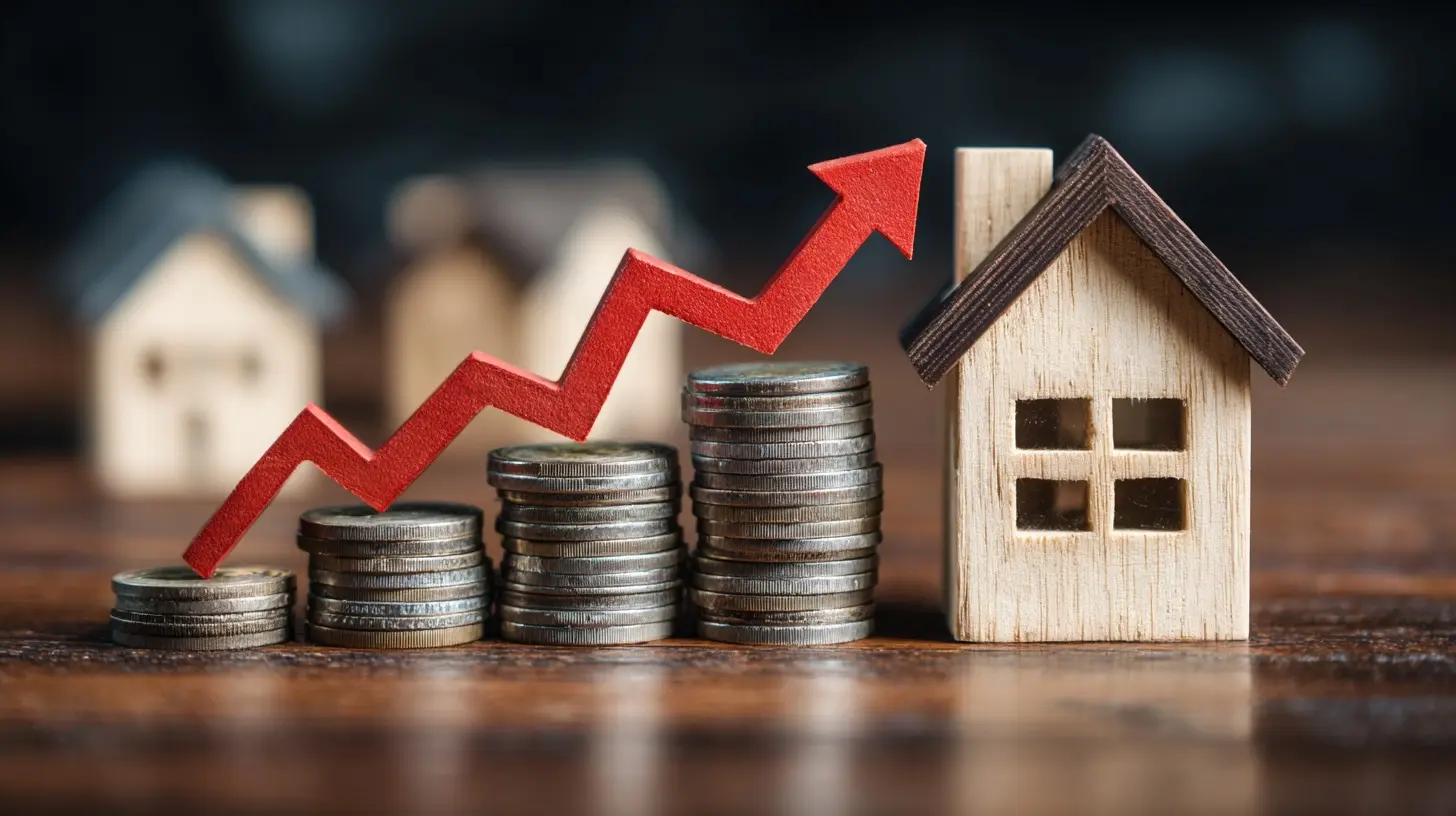
Why 2027 Is a Particularly Risky Year to Overprice
The 2027 market is not the same as 2021 or 2022. Several conditions make overpricing more dangerous now than in recent memory.Buyers Are More Informed and More Patient
Buyers in 2027 have access to more pricing data than ever. They can see price history, days on market, and recent sales within minutes. When a listing is clearly above comparable properties, buyers do not negotiate. They move on. In a market with more inventory, they have that option.Inventory Has Normalized
After years of historically low inventory, more homes are available in many markets. When buyers have choices, an overpriced home does not stand out. It gets filtered out. Buyers set search filters by maximum price, and an overpriced listing may not even appear in the results for the buyers who would actually buy it.Rates Still Shape Affordability
Even if mortgage rates have eased from their peak, they remain a major factor in monthly payments. A buyer who can afford a $600,000 home at one rate may only qualify for $540,000 at a higher rate. Overpricing ignores this math. The buyer's ceiling is set by their lender, not by the seller's hope.Appraisals Are Stricter
In a slower market, appraisers are more conservative. If a home is overpriced and a buyer agrees to pay, the appraisal may still come in lower. That kills deals or forces renegotiation. Sellers who overprice often find themselves renegotiating from a position of weakness after weeks of wasted time.
The Real Cost of Overpricing
Sellers often think the worst outcome of overpricing is simply a longer wait. In reality, the costs compound.The First Two Weeks Matter Most
Real estate professionals generally agree that a listing gets its highest level of attention in the first 14 to 21 days. This is when the most active, most qualified buyers see it. If the price is wrong, those buyers pass. The listing then enters a slower phase where only new-to-market buyers and bargain hunters are watching.Price Reductions Do Not Reset the Clock
A price cut does not put the home back at day one. Buyers who saw the original listing remember it. Agents remember it. The listing now carries a stigma: something is wrong, or the seller is desperate. Even a well-executed reduction often attracts lower offers than the home would have received at the correct price from the start.You Attract the Wrong Buyers
An overpriced home attracts two groups: buyers who cannot afford it and buyers who want a deal. The first group wastes everyone's time with showings that go nowhere. The second group submits lowball offers, hoping the seller is now motivated. Neither group is your target.Carrying Costs Add Up
Every month the home sits, the seller pays property taxes, insurance, utilities, maintenance, and often a mortgage payment. On a $600,000 home, those costs can easily run $3,000 to $5,000 per month. Three extra months on the market can wipe out the very gain the seller was trying to capture.You Lose Negotiating Power
A fresh, well-priced listing has leverage. A stale listing does not. When a seller finally reduces the price after 60 or 90 days, buyers know the clock is ticking. They negotiate harder on price, repairs, and closing costs. The seller ends up giving back more than they would have at a realistic price.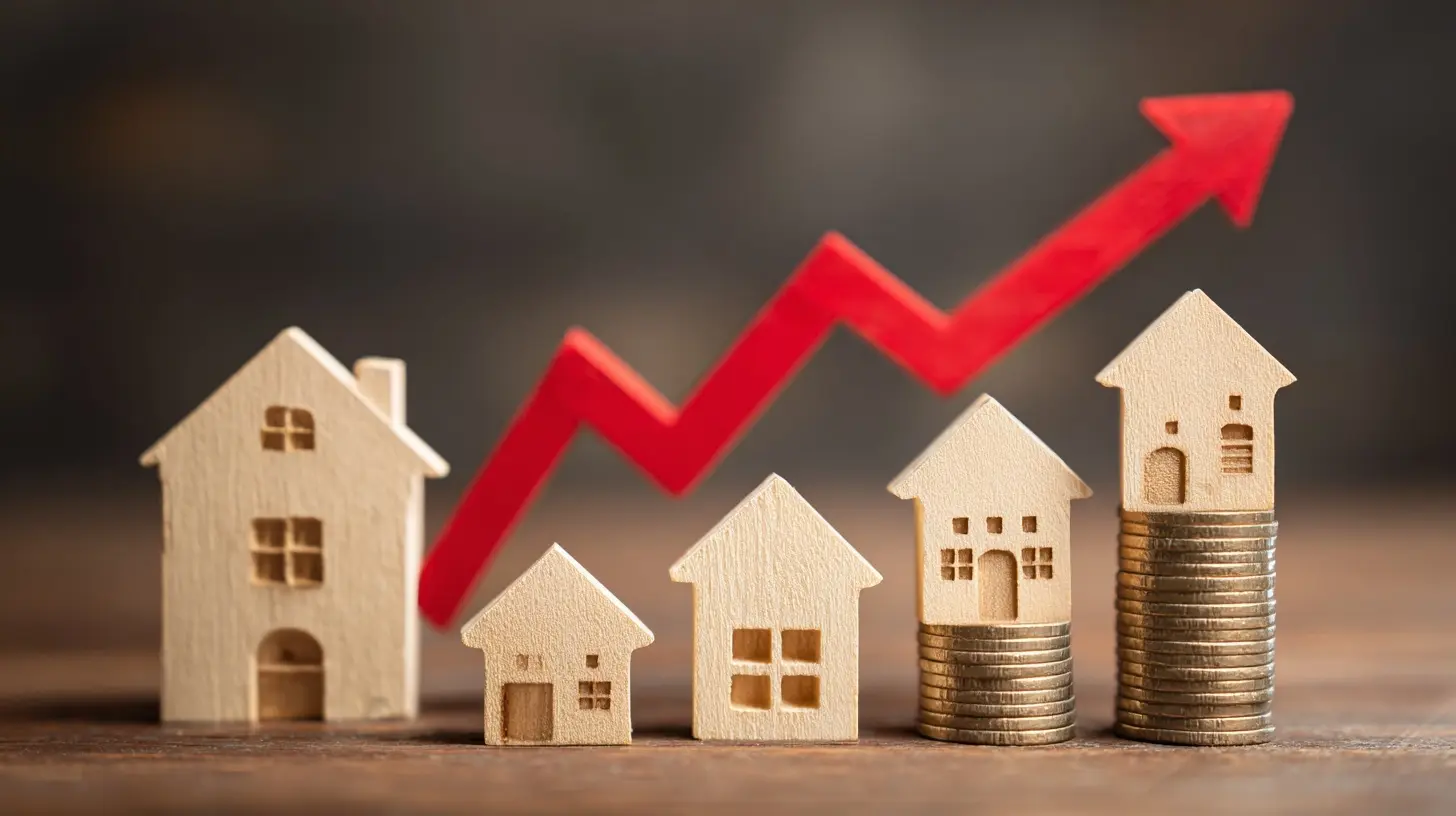
A Concrete Example
Consider two nearly identical homes on the same street in a mid-sized metro area. Both are three-bedroom, two-bath homes with similar updates.Home A is listed at $615,000, which reflects recent comparable sales. It receives six showings in the first week, two offers, and goes under contract in nine days at $608,000.
Home B is listed at $665,000 because the seller wants a cushion. It receives three showings in the first two weeks and no offers. After 45 days, the seller reduces to $639,000. Two more weeks pass. The seller reduces again to $619,000. A buyer offers $595,000, citing the long days on market. The seller accepts, netting roughly $13,000 less than Home A and paying three extra months of carrying costs.
Same street. Same house, essentially. The difference is pricing strategy, and it cost the second seller tens of thousands of dollars.
How Buyers Actually React to Overpricing
It helps to see the market from the buyer's side. Buyers do not compare your home to your asking price. They compare it to every other home they can buy for the same money.The Comparison Trap
If your home is listed at $665,000, buyers will compare it to other $665,000 homes. If those homes have an extra bedroom, a larger lot, or a renovated kitchen, your home looks like a poor value. The buyer does not think "this is overpriced." They think "this is not as good as the others." That is a worse outcome because it feels like a judgment on the home itself.The Filter Effect
Most buyers search with a maximum price filter. If your home is priced $40,000 above what it is worth, you may be invisible to the buyers who would actually love it at a fair price. You are only visible to buyers shopping in a higher bracket, and they have better options.The Stigma Effect
Days on market is public information. When buyers see a home has been listed for 90 days, they assume something is wrong. Maybe it has foundation issues. Maybe the seller is difficult. Maybe the neighborhood has a problem. Even if none of that is true, the perception sticks.
Common Misconceptions About Overpricing
Several myths keep sellers from pricing correctly. Each one deserves a direct response."We Can Always Reduce Later"
Yes, but at a cost. The best buyers are gone, the listing is stigmatized, and the seller has paid carrying costs. Reducing later is a fallback, not a strategy."Buyers Will Negotiate Down Anyway"
Buyers negotiate from the asking price. If the asking price is already inflated, serious buyers do not bother. They assume the seller is unrealistic and move on."Our Home Is Better Than the Comps"
Sometimes it is. But "better" has to be quantified. A renovated kitchen might add $20,000 in buyer perception, not $60,000. Sellers routinely overestimate the value of their own upgrades."We Have Time"
Time is a luxury only if the seller can carry the home indefinitely. Most cannot. And even those who can are tying up equity that could be working elsewhere."The Right Buyer Will Come Along"
In a slower market with more inventory, the right buyer has many options. They will not wait for an overpriced home to become reasonable. They will buy a reasonably priced one today.What Overpricing Costs Beyond Money
The financial cost is easy to measure. The emotional and strategic costs are harder but just as real.Sellers who overprice often endure months of stress, repeated showings, awkward conversations with their agent, and the slow erosion of confidence. Some begin to resent the process or blame the agent. Others make rushed decisions, like accepting a low offer out of exhaustion or pulling the listing entirely and relisting later at a loss of momentum.
There is also an opportunity cost. Equity tied up in an unsold home cannot be used for a down payment, an investment, or a life change. For sellers who need to move for a job, a family change, or a health reason, delay is not neutral. It is a real cost.
How to Price Correctly in 2027
Pricing well is not about leaving money on the table. It is about capturing the market's actual willingness to pay. Here is how to do it.Start With a Real Comparable Analysis
A good comparative market analysis looks at homes that are similar in size, condition, location, and features, sold within the last 90 days, and currently active or pending. It adjusts for differences. It does not rely on a single sale or an online estimate.Consider the Absorption Rate
Absorption rate measures how quickly homes are selling in your area. If only two homes sell per month in your neighborhood and there are 20 active listings, you have 10 months of inventory. That is a buyer's market, and pricing must reflect it. In a seller's market with one month of inventory, you have more room to push.Price at or Slightly Below the Top of the Range
Pricing slightly below the highest reasonable comparable often generates more interest and multiple offers. This is not a gimmick. It works because buyers perceive value and act quickly. In competitive situations, the final sale price can exceed the asking price.Use a Pre-Listing Appraisal When It Makes Sense
If the home is unusual, has unique features, or has had significant renovations, a pre-listing appraisal can provide an objective number. It costs a few hundred dollars and can prevent a pricing mistake worth tens of thousands.Test the Price With Real Feedback
If the home has been on the market for two weeks with showings but no offers, the feedback is the market's answer. Sellers should listen to it. Waiting for a miracle is not a plan.When Pricing High Can Make Sense
There are narrow situations where pricing above the expected sale price is defensible.- The home is genuinely unique. A property with no real comparables, such as a waterfront estate or a historic property, may need a higher asking price to find the right buyer.
- The market is rapidly appreciating. In a fast-moving seller's market, pricing slightly ahead of recent sales can work because values are rising weekly.
- The seller is not motivated. If the seller is testing the market with no urgency, a high price is a low-risk experiment. But they should understand the trade-offs.
Even in these cases, the price should be grounded in some logic, not hope.
The Agent's Role and What to Watch For
A good agent tells the seller the truth, even when it is uncomfortable. A weak agent tells the seller what they want to hear to win the listing.Sellers should be cautious of agents who:
- Agree to a price far above comparable sales without justification.
- Promise a sale price that no data supports.
- Suggest a "price high and reduce later" strategy without explaining the costs.
- Avoid discussing days on market and absorption rates.
Sellers should look for agents who:
- Present a written comparative market analysis.
- Explain the trade-offs of different price points.
- Show what happened to overpriced listings in the area.
- Recommend a pricing strategy that aligns with the seller's timeline and goals.
Alternatives to Overpricing
If the goal is to maximize net proceeds, overpricing is rarely the best path. Consider these alternatives.Invest in Presentation Before Listing
Staging, professional photography, and minor repairs often cost far less than a price reduction and can justify a higher price. Buyers pay for homes that show well.Offer Concessions Instead of Cutting Price
Sometimes a seller can hold the price and offer to cover closing costs or a rate buydown. This preserves the list price, which matters for appraisal and perception, while giving buyers real value.Time the Listing Strategically
In many markets, spring and early summer attract the most buyers. Listing at the right time can support a stronger price than listing in a slow season.Adjust the Terms, Not Just the Price
Flexible closing dates, rent-back options, or included appliances can make a home more attractive without lowering the price.
Final Thoughts
Overpricing a home in 2027 is not a harmless gamble. It is a decision that costs time, money, and leverage. The market is more informed, more patient, and more selective than it was during the boom years. Buyers compare, filter, and walk away. Sellers who ignore this reality pay for it.The better path is disciplined pricing based on real data, honest advice, and a clear understanding of the seller's goals. A home priced correctly attracts the right buyers, generates competition, and closes faster. A home priced on hope sits, stales, and sells for less.
The market does not reward optimism. It rewards accuracy. Sellers who accept that will protect their equity and move on with their lives.
all images in this post were generated using AI tools
Category:
Real Estate MythsAuthor:

Travis Lozano
Discussion
rate this article
1 comments
Bear Butler
Great insights! It's crucial for sellers to stay informed about the market dynamics. Pricing a home right can make all the difference. A realistic approach attracts genuine buyers and secures the best outcome. Thanks for sharing this valuable advice!
September 16, 2026 at 4:44 AM