What to Look for When Shopping for a Beachfront Vacation Home
24 January 2026
Ever dreamed of waking up to the rhythm of waves gently crashing outside your window? A beachfront vacation home is more than just a real estate investment—it’s a lifestyle upgrade. Whether you're visualizing your own sandy escape or planning to snag a property that could bring in rental income, buying a beachfront home is a big decision. And, oh boy, there’s a lot more to it than just “ocean view” and “cozy patio.”
Let’s break down everything you need to know before diving headfirst into the salt and sea. Think of this as your go-to guide that cuts through the fluff and tells you what actually matters.
1. Location Isn’t Just About the View
Sure, you want the ocean in your backyard. Who wouldn’t? But choosing the right location goes way deeper than picking the prettiest spot on the map.Proximity to Amenities
How close is the nearest grocery store? Can you walk to restaurants and shops? Is there a hospital nearby? It’s easy to overlook these things when you're enchanted by the view, but being remote could turn into an inconvenience real fast.Local Weather Patterns
Some beaches are warm and sunny year-round. Others? Not so much. Understand the seasonality. If your beach town turns into a ghost town for six months, what impact will that have—especially if you're thinking about renting it out?Community Vibes Matter
Spend a few weekends in the area before making a commitment. You’ll want to scope out the locals, seasonal traffic, noise levels, and overall atmosphere. Is it a quiet retirement-style haven or a party hot spot?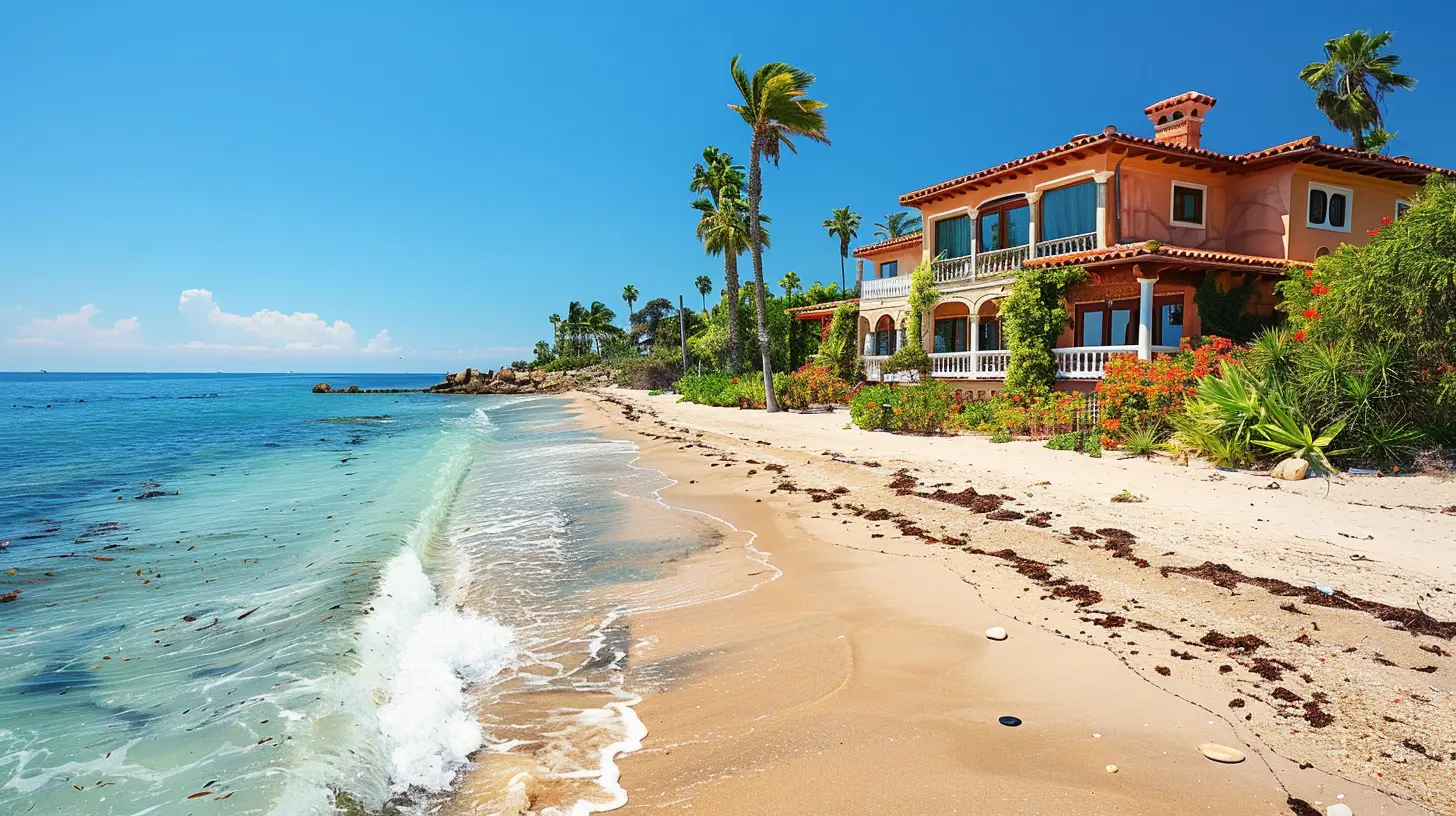
2. Don’t Be Blinded by Beauty — Inspect the Property Like a Detective
Beachfront homes take a beating from nature. Salt, wind, water, and sun—all beautiful but brutal over time. You’ll need to get a little bit picky here.Structural Integrity
Is the foundation solid? Any signs of rust on metalwork or water damage in the walls? These homes are exposed to constant moisture; even minor cracks and leaks can lead to major issues down the road.Roof and Windows
Check for high-quality, weather-resistant materials. Impact-resistant windows and storm-proof roofing are a must. Upgrading these can be super pricey, so you’ll want them in good shape from the start.Pest Concerns
Tropical and coastal areas are bug paradises. Termites, ants, even raccoons—yep, they all love beach homes too. Make sure the house is free of critters (and has a prevention plan in place).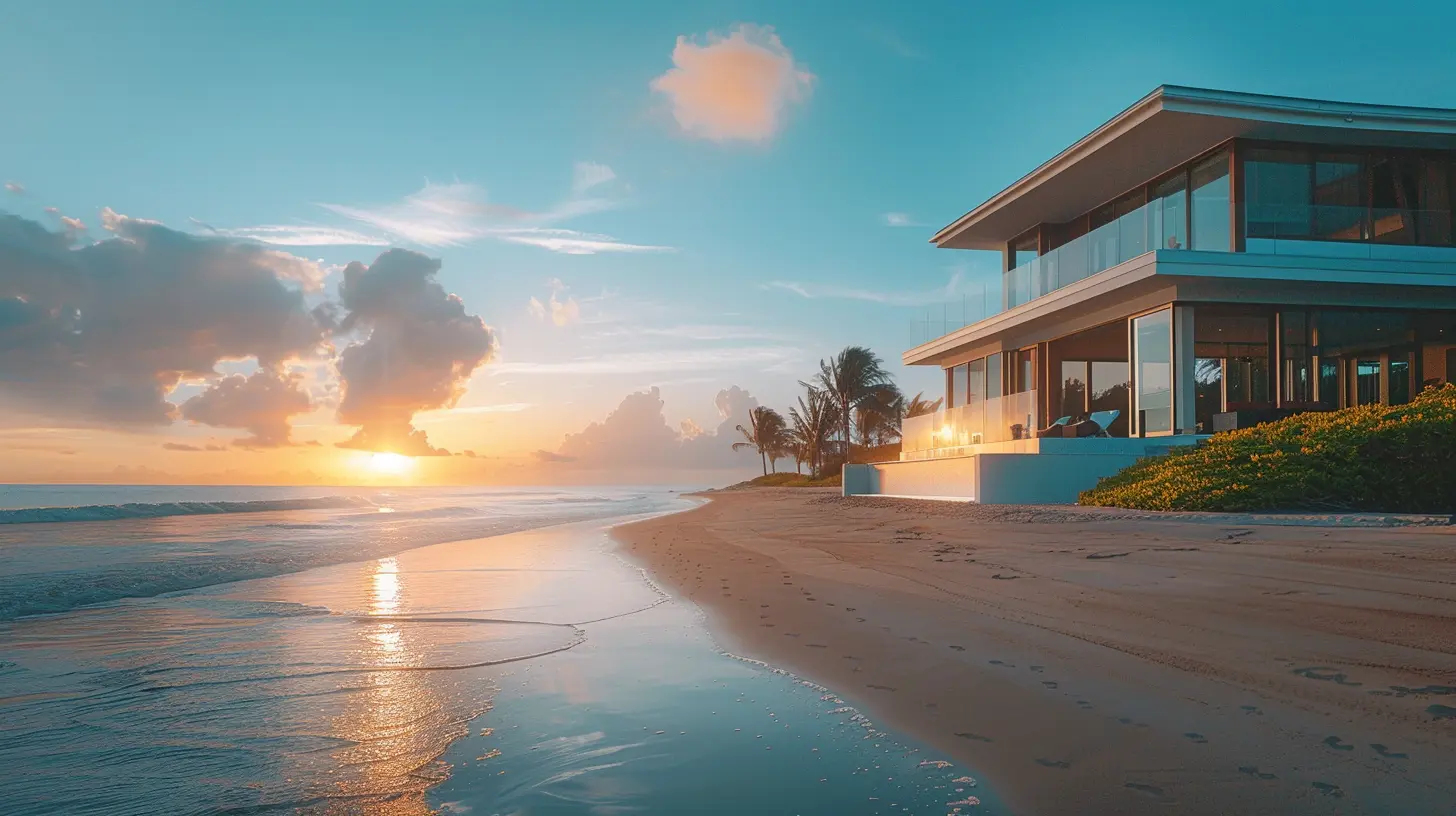
3. To Rent or Not to Rent?
Thinking about turning your beachfront beauty into a cash cow? Smart. But pause right there—there are a few things you need to consider first.Zoning Laws and Rental Restrictions
Some areas have strict rules when it comes to short-term rentals. You might need a special permit, or you may not be allowed to rent it at all. Always check local ordinances before closing the deal.Property Management
If you’re not local, you’ll need someone to oversee cleaning, maintenance, and key handling. Are there reliable property management services in the area? Factor that cost into your budget.Potential Rental Income
Run the numbers. Assess the typical occupancy rate, average nightly rental fee, and competition. Tools like AirDNA or even just browsing Airbnb can help you forecast your possible returns.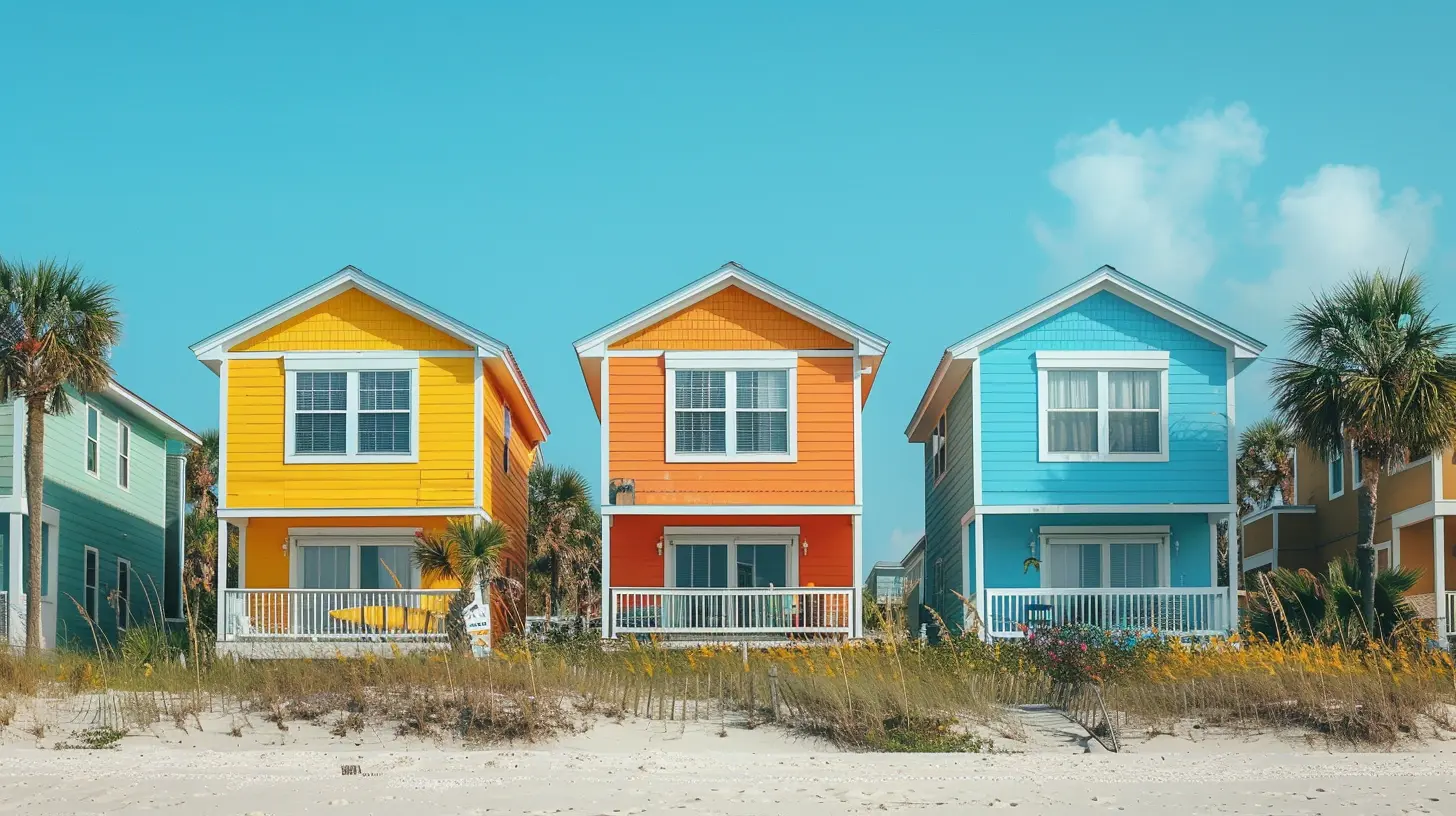
4. Flood Zones and Insurance — The Not-So-Fun But Crucial Bits
Let’s be real: beachfront homes, while dreamy, are high-risk properties. That means you need to be fully aware of insurance costs and potential natural disasters.Understand Flood Zones
Most beachfront homes sit in high-risk flood zones. Use FEMA’s flood maps to understand what you’re dealing with. The higher the risk, the higher the insurance premium.Insurance Costs Can Be a Doozy
Besides standard homeowners insurance, you’ll likely need flood insurance, wind/hurricane coverage, and possibly earthquake coverage if you’re on the West Coast. Don’t be surprised if annual premiums jump into the four-digit zone.Preventative Measures
Look for homes with elevated foundations, storm shutters, sump pumps, and other features built to withstand Mother Nature’s worst moods. These upgrades may save you thousands in the long run.5. Maintenance: It’s Like Owning a High-Maintenance Pet
Beachfront homes require constant TLC. If you think of your home as a living, breathing thing, this one’s got some diva-level demands.Saltwater Damage is Real
Salt is corrosive. It eats away at metal, damages paint, and can even affect electrical systems. You’ll need to rinse down exteriors, clean windows constantly, and stay on top of maintenance like it’s a hobby.Landscaping Challenges
Forget lush gardens—you’ll be dealing with sand, wind, and salty air. Opt for native plants that thrive in coastal environments and don’t need much TLC.HVAC and Dehumidifiers
Moisture is a constant battle. Make sure your HVAC system is up to snuff and consider investing in dehumidifiers to keep mold and mildew at bay.6. Resale Value — Think Long-Term
Even if you plan to retire there or keep it in the family, it’s smart to think ahead. What will resale look like 10 or 20 years from now?Market Trends
Beachfront property tends to hold value well, especially in popular destinations. But trends can shift. Research long-term growth projections, planned developments, and neighboring properties.Upgrades That Matter
When upgrading or renovating, focus on changes that boost value—modern kitchens, updated bathrooms, and extra bedrooms. Amenities like an outdoor shower, private boardwalk, or fire pit can also make your home more desirable to future buyers.7. HOA and Community Rules — Read the Fine Print
Many beachfront homes are part of a homeowner's association. That can be helpful—or headache-inducing.What’s Covered?
Some HOAs cover maintenance for common areas, landscaping, or even exterior repairs. That can be a perk. But…Watch Out for Restrictions
Some HOAs have rules on paint colors, rental policies, noise levels, and even how you decorate your porch. Make sure you’re comfortable with their guidelines.8. Financing a Beachfront Home Isn’t Exactly a Walk on the Beach
Lenders treat beachfront homes as higher-risk, especially if it's considered a second home or investment property. Be prepared for stricter lending terms.Bigger Down Payments
Most lenders will require at least 20–25% down for a second home. Some may even ask for more.Interest Rates and Loan Terms
Interest rates could be slightly higher, and the loan process might involve additional paperwork—especially for properties in flood zones.Work With a Local Expert
A mortgage broker who specializes in coastal properties can be a lifesaver. They’ll know the ins and outs of what lenders expect and how to navigate the process smoothly.9. What’s the Walkability and Vibe?
Is this a beach where people gather with surfboards and bonfires? Or is it a quiet stretch of sand where the loudest sound is a seagull squawking?This may sound minor, but it really sets the tone for your experience.
Walkability
Check out the local scene. Can you walk to a beachside café? Pick up groceries without driving 30 minutes? A car is great, but walkable areas often retain value better.Noise Levels
Some beaches attract nightly parties; others have a strict quiet-hours policy. Visit at different times to get the real feel of the place, especially during weekends or peak season.10. Go With Your Gut (And a Great Real Estate Agent)
You know that feeling when something just “clicks”? Trust that instinct but back it up with cold, hard facts.Get a Local Real Estate Agent
A local pro will know which areas flood, which ones rent well, and which ones to avoid entirely. Don’t just rely on online listings or out-of-town agents.Take Your Time
Nothing wrong with being picky. You’re not just buying a home—you’re buying sunset strolls, salty breezes, and a slice of serenity. Make sure it’s exactly what you want.Final Thoughts
Buying a beachfront vacation home can be your ticket to living the dream—as long as you go in with your eyes wide open. From hidden maintenance costs to jaw-dropping insurance premiums, it's not always smooth sailing. But with the right research, a smart plan, and a little beachy intuition, you could find yourself owning a little piece of paradise.So, grab your flip-flops, do the homework, trust your gut, and let the sea breeze guide you.
all images in this post were generated using AI tools
Category:
Vacation HomesAuthor:

Travis Lozano
Discussion
rate this article
2 comments
Russell McNab
Great insights! Considering location and amenities is crucial. Thanks for sharing this helpful guide for potential beachfront homeowners!
February 13, 2026 at 3:51 AM
Travis Lozano
Thank you! I'm glad you found the guide helpful!
Astra Jacobs
Prioritize location, accessibility, and value.
January 30, 2026 at 12:29 PM
Travis Lozano
Absolutely! Location, accessibility, and value are key factors that can enhance your beachfront vacation experience.