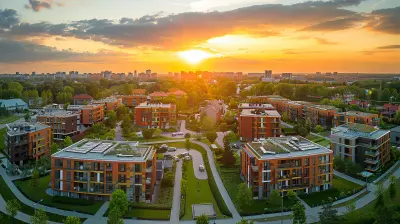
What Makes Cross-Laminated Timber (CLT) So Popular in Building Today?
27 December 2025
The construction industry is experiencing a remarkable shift toward sustainability and efficiency, with Cross-Laminated Timber (CLT) emerging as a game-changer. If you've been following architectural trends, you've likely heard about CLT and its growing presence in modern building projects. But why is everyone raving about it? What makes this innovative material so popular today? Let's dive in and uncover the reasons behind the CLT buzz.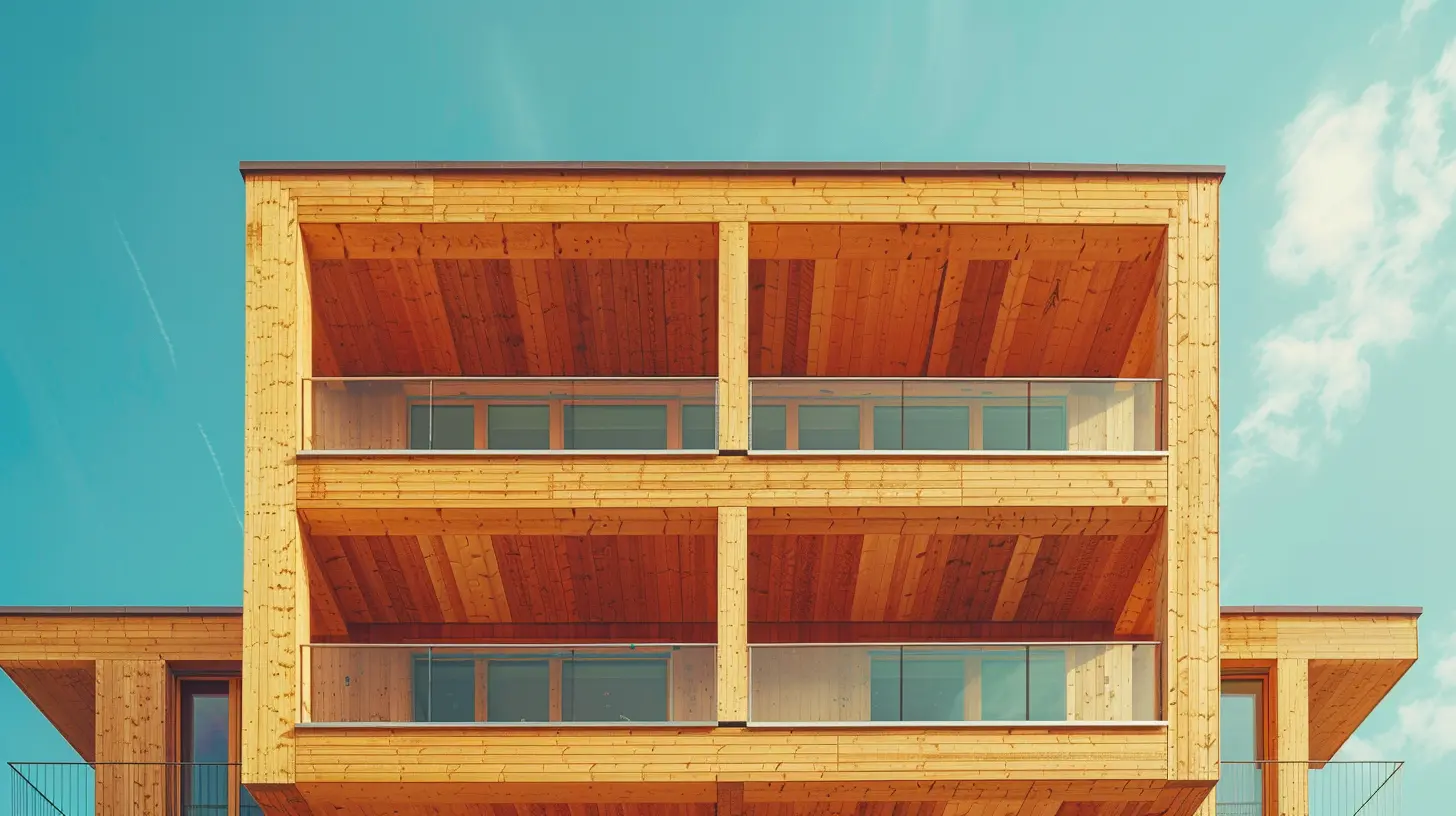
What Is Cross-Laminated Timber (CLT)?
Before we get into why it's so popular, let's break down what Cross-Laminated Timber (CLT) actually is.CLT is an engineered wood product made by stacking multiple layers of timber in alternating directions and bonding them with strong adhesives under high pressure. This cross-laminating technique enhances the wood's strength, creating a durable and versatile construction material that rivals traditional options like concrete and steel.
Now that we know what CLT is, let's explore why it's making waves in the construction industry.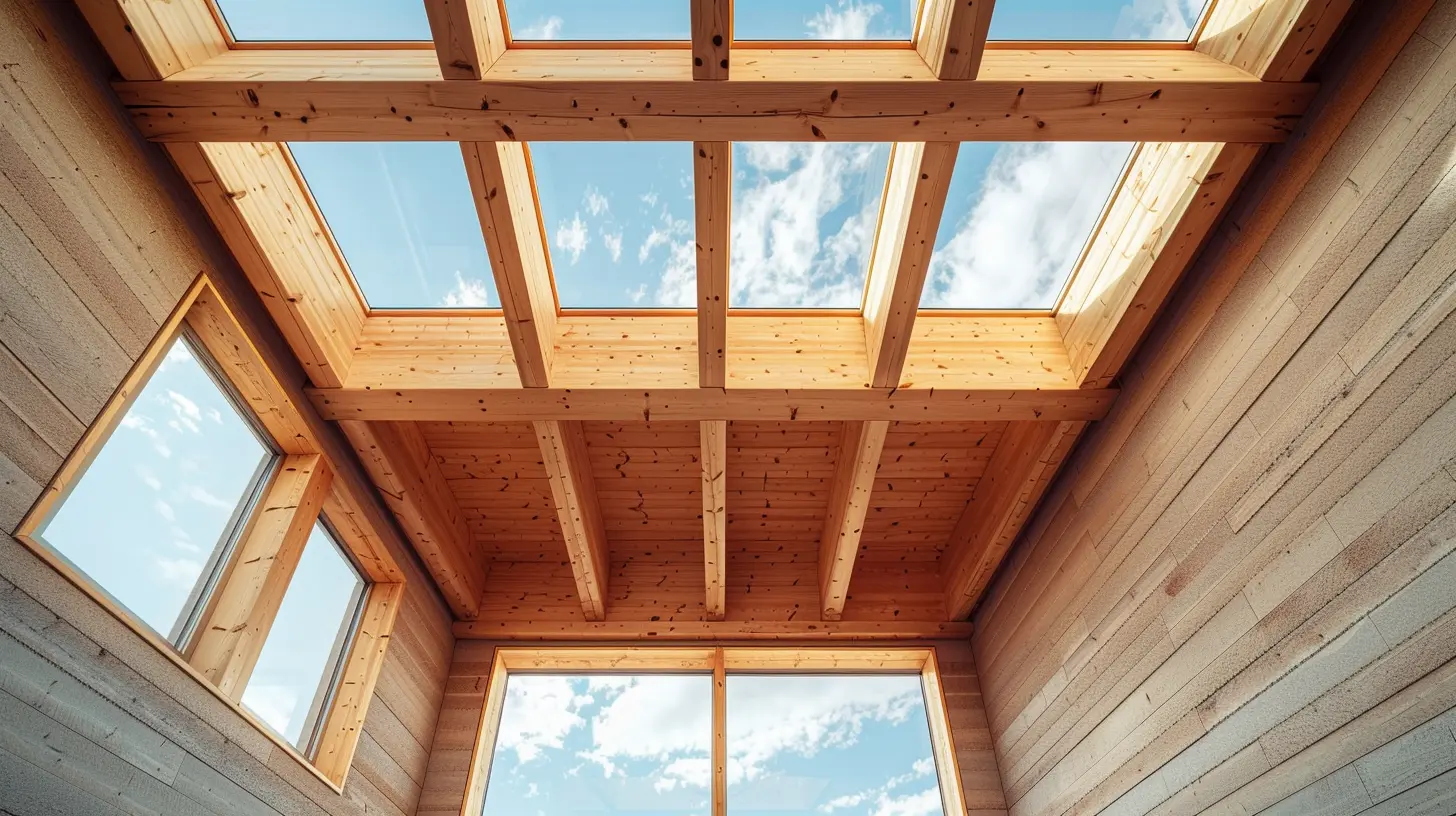
1. Sustainability: A Green Building Solution 🌱
One of the biggest reasons CLT has gained traction is its environmental benefits.- Unlike concrete and steel, which have high carbon footprints, CLT is a renewable resource. Wood captures and stores CO₂, reducing greenhouse gas emissions in construction.
- Sustainable forestry practices ensure that trees used for CLT are replanted, creating a cycle that supports the environment.
- CLT buildings use less energy due to natural insulation properties, helping reduce heating and cooling costs.
With sustainability at the forefront of modern architecture, CLT provides an eco-friendly alternative without compromising durability.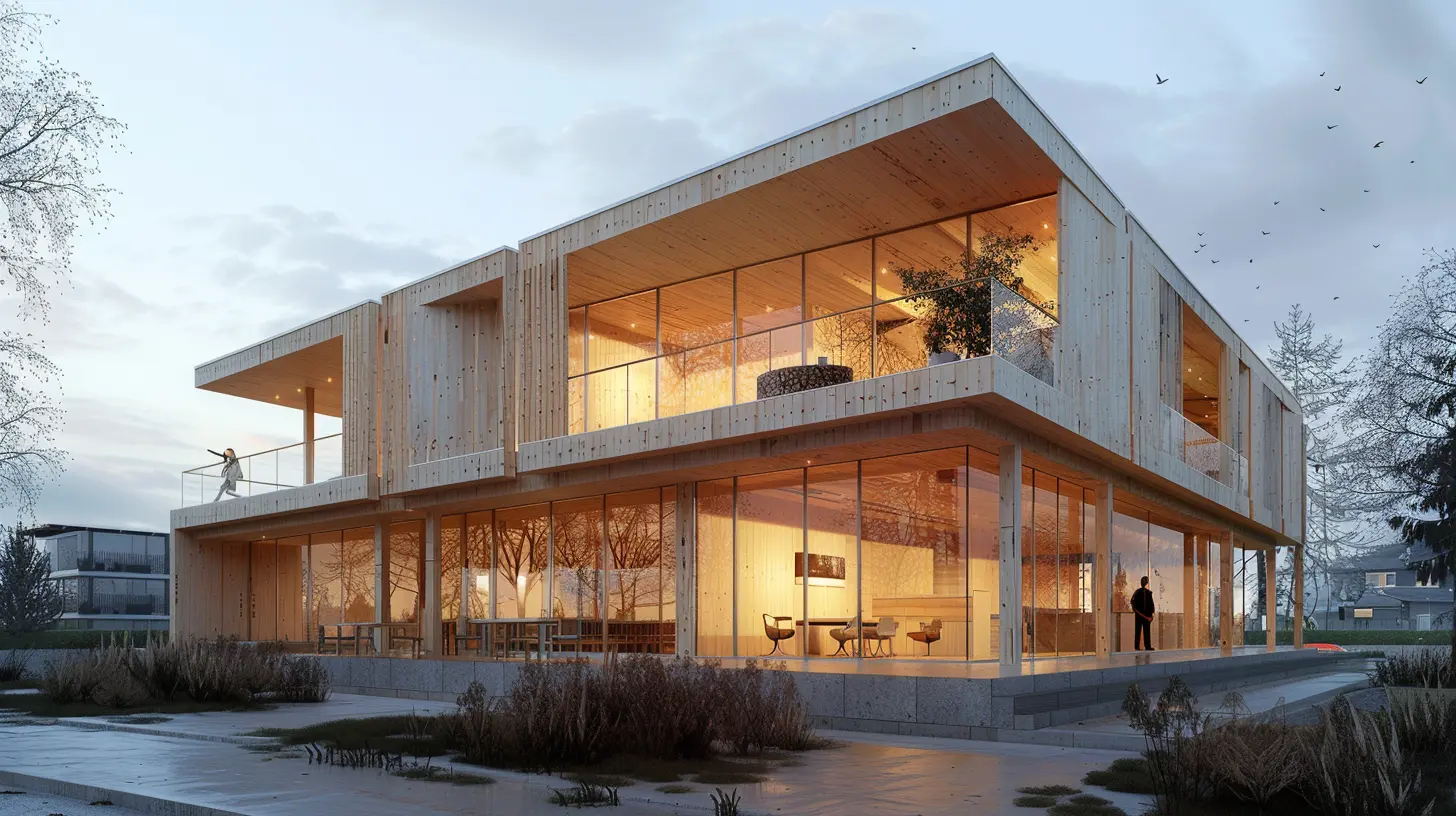
2. Strength and Durability: Yes, It’s As Tough As Concrete! 💪
You might be wondering: "Wood? As strong as concrete and steel?" The answer is a resounding YES! CLT is designed to handle impressive loads, making it highly durable.- Thanks to its cross-laminated structure, CLT resists bending, warping, and shrinking.
- It performs well under pressure, making it ideal for high-rise buildings and large-scale projects.
- It has excellent fire resistance—yes, you read that right! CLT chars on the outer surface when exposed to fire, creating a protective layer that slows burning and prevents structural failure.
This combination of strength, stability, and fire resistance makes CLT a reliable choice for both residential and commercial buildings.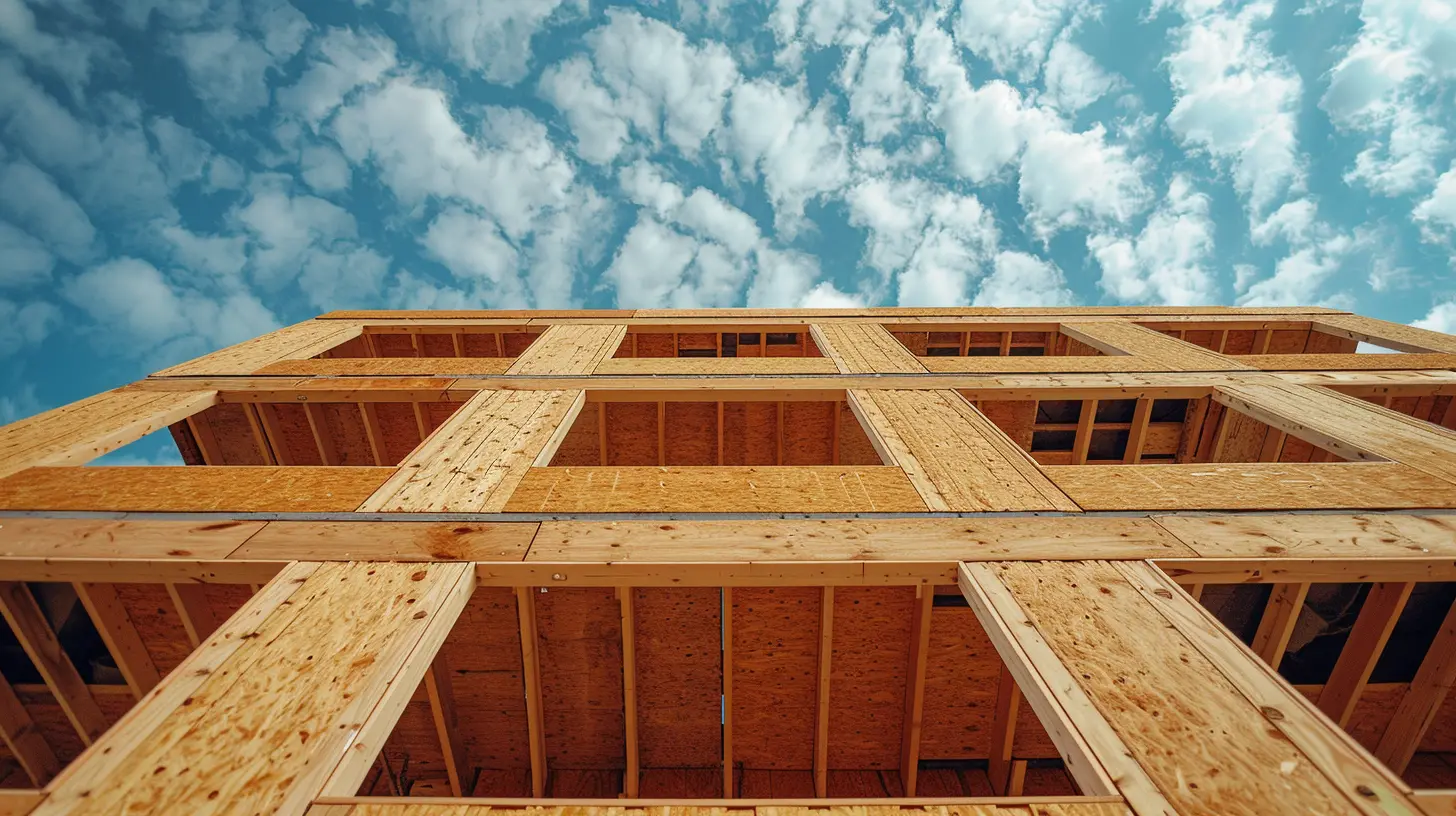
3. Speedy Construction: Time Is Money ⏳💰
Time is a crucial factor in construction, and CLT delivers big-time savings here.- CLT panels are prefabricated, meaning they arrive at the site ready to assemble like a giant jigsaw puzzle.
- Because it's lightweight, CLT is easier and quicker to transport and install when compared to concrete or steel.
- This reduces labor costs and shortens project timelines by 20-40%.
Think about it—fewer disruptions, less waste, and faster completion. Who wouldn't love that?
4. Design Flexibility: The Architect’s Dream 🎨
Architects adore CLT because of its aesthetic and structural versatility.- It allows for creative, open-concept designs without the need for bulky support beams.
- CLT complements a variety of materials, offering a modern yet natural feel to any building.
- It’s perfect for a wide range of projects—residential homes, office buildings, schools, and even skyscrapers!
The warmth of natural wood also enhances indoor spaces, creating welcoming and visually stunning interiors.
5. Superior Insulation: A Cozy and Quiet Living Experience 🏡
Here's a bonus: CLT isn’t just strong and sustainable—it also provides excellent insulation.- Wood naturally regulates temperature, keeping interiors warmer in the winter and cooler in the summer.
- It acts as a sound insulator, making CLT buildings quieter and more comfortable.
So whether you're in a busy city or a quiet countryside, CLT ensures your home remains a peaceful retreat.
6. Seismic Performance: Built to Withstand Earthquakes 🌍
Another jaw-dropping feature of CLT? It can handle earthquakes better than traditional materials!- Due to its lightweight nature and flexibility, CLT can absorb seismic energy without catastrophic failure.
- Studies have shown that CLT buildings outperform concrete structures in earthquake-prone regions.
- Some of the tallest earthquake-resistant buildings are being constructed using CLT technology.
For regions prone to seismic activity, CLT is proving to be a safe and resilient building choice.
7. Less Construction Waste: Efficient and Eco-Friendly 🚮♻️
Traditional construction methods often result in huge amounts of waste, but CLT helps tackle this issue.- Since CLT panels are custom-made before they arrive at a construction site, there’s minimal cutting, trimming, or material wastage.
- Any wood scraps can be reused or recycled into wood-based products like biofuel and furniture.
This means lower landfill contributions and a more sustainable industry overall.
8. Health and Well-Being: A Natural Living Space 🌿🏠
There’s something about being surrounded by natural materials that just makes us feel good, right?- Studies indicate that wood interiors reduce stress and promote well-being.
- CLT housing offers better indoor air quality, enhancing residents' physical and mental health.
- The presence of natural wood has been linked to improved concentration, relaxation, and overall happiness.
Imagine living in a home that not only looks good but actually makes you feel good too!
9. The Future of High-Rise Wooden Buildings 🏗️🌆
CLT isn’t limited to small-scale projects—it's scaling new heights (literally)!- Modern architecture is pushing the boundaries with tall wooden skyscrapers.
- Countries like Canada, Japan, and Sweden are constructing record-breaking CLT buildings, proving that wood can compete with steel and concrete in urban development.
- Timber towers offer lighter construction, reducing the need for heavy foundations and cutting down on costs.
If this trend continues, we might be looking at a future dominated by sustainable timber cities!
The Bottom Line: Why CLT Is the Future of Construction
So, why is Cross-Laminated Timber (CLT) so popular today? Simple—it's strong, sustainable, efficient, and beautiful.From reducing carbon footprints to enabling faster, smarter, and more resilient construction, CLT is revolutionizing how we build. Whether you’re an architect, builder, or future homeowner, it’s clear that this material is more than just a trend—it’s the future.
If you've been thinking about incorporating CLT into your next project, there’s never been a better time to embrace this game-changing technology!
all images in this post were generated using AI tools
Category:
Building MaterialsAuthor:

Travis Lozano
Discussion
rate this article
2 comments
Carter Lewis
Great insights! CLT's sustainability and efficiency truly make it a fascinating choice for modern construction. Thank you!
January 16, 2026 at 3:33 AM
Travis Lozano
Thank you for your kind words! I'm glad you found the insights on CLT's sustainability and efficiency valuable.
Naomi Wolfe
Cross-laminated timber embodies a harmonious blend of sustainability, aesthetics, and innovation. Its rise in popularity signifies a shift towards eco-conscious construction, challenging traditional materials while inviting us to rethink our relationship with nature and design.
December 27, 2025 at 4:13 AM
Travis Lozano
Thank you! I appreciate your insights on cross-laminated timber and its role in sustainable architecture. It's exciting to see how it is reshaping our approach to construction and design.