What Investors Should Know About Airport Zoning Restrictions
17 July 2026
Investing in real estate is like playing a strategic game—you need to know the rules before making your move. And when it comes to properties near airports, zoning restrictions can be a hidden obstacle that many investors overlook.
Sure, owning land near an airport sounds promising. High traffic, potential commercial opportunities, and steady demand—what’s not to love? But before you jump in, there are crucial zoning laws that could make or break your investment.
In this article, we’ll break down everything you need to know about airport zoning restrictions—without the legal jargon and headache. 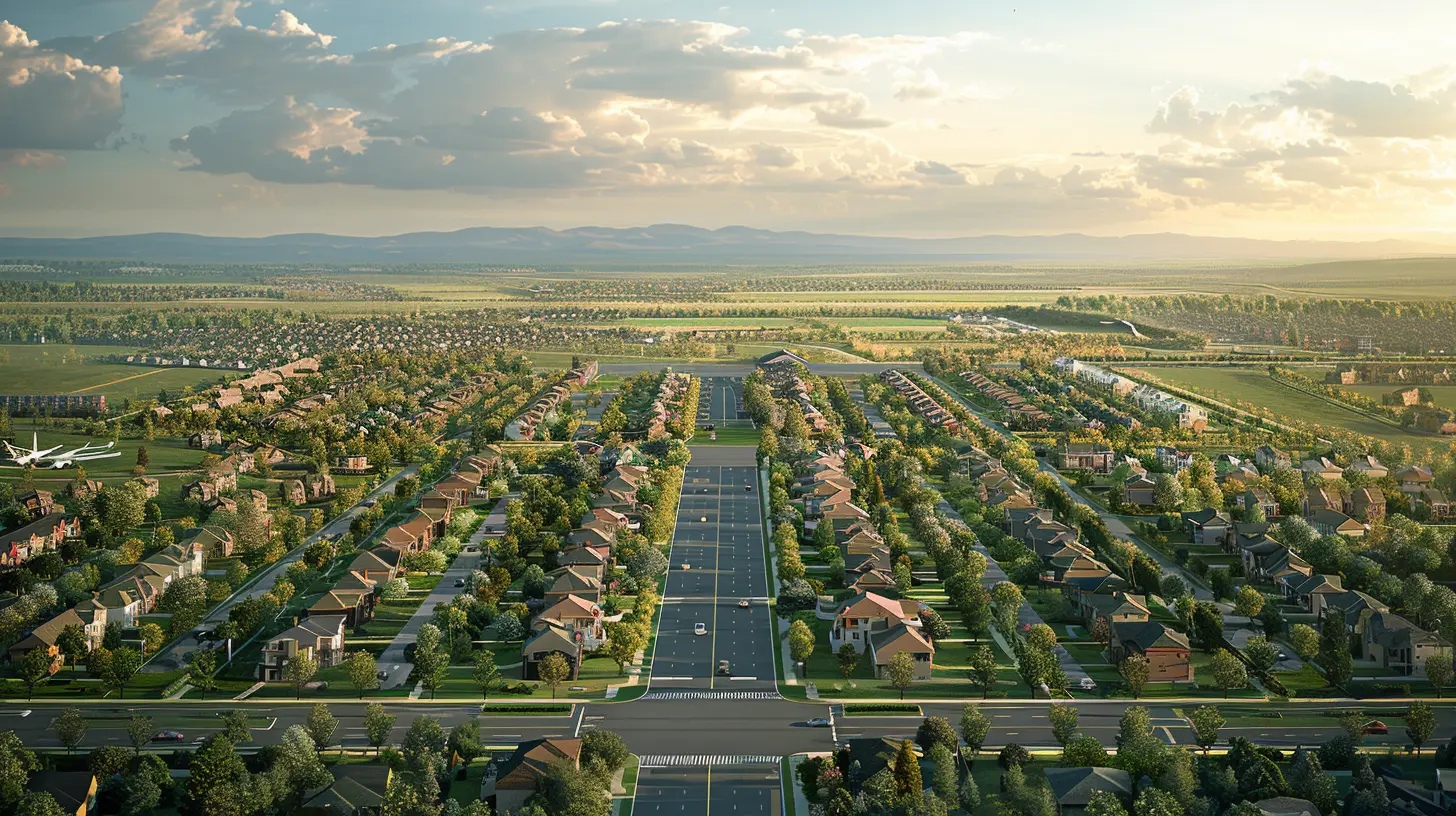
?️ What Are Airport Zoning Restrictions?
In simple terms, airport zoning restrictions are regulations that control what can and cannot be built near airports. Governments enforce these rules to ensure safety, minimize noise pollution, and protect flight operations.Think of it as setting boundaries in a sandbox—without them, things could get messy real fast.
Why Do These Restrictions Exist?
If you've ever lived near an airport, you know how loud those takeoffs and landings can be. Now imagine developers building high-rise apartments right under a flight path or businesses putting up huge billboards that could distract pilots—total chaos, right?Airport zoning restrictions exist to:
✅ Keep air traffic safe and free of obstructions.
✅ Prevent noise disturbances from affecting residents.
✅ Ensure land use around airports remains compatible with aviation operations.
In short, they help strike a balance between urban development and aviation safety. 
? Key Airport Zoning Restrictions Investors Should Know
If you're considering an investment near an airport, here are some critical zoning rules that might impact your plans.1. Height Restrictions: The Sky Isn’t Always the Limit
One of the biggest concerns for airport authorities is tall buildings or structures interfering with flight paths.If your dream was to build a 50-story skyscraper next to an airport, you might want to reconsider. Most airport zoning laws limit building heights based on proximity to runways.
? The Closer to the Airport, the Lower the Allowed Height.
Before making any investment, check local zoning laws to see how high you can build. The Federal Aviation Administration (FAA) in the U.S. and similar regulatory bodies worldwide enforce these restrictions to avoid any risk to air traffic.
2. Noise Compatibility: Can You Handle the Roar?
If you've ever been jolted awake by a jet engine roaring overhead, you know that airport-adjacent properties can be noisy!Noise zoning regulations dictate what types of buildings can be placed within high-noise areas. Residential properties, schools, and hospitals are often discouraged or require special noise-reduction measures (like soundproof windows and walls).
? Tip: If you're looking at a residential or hospitality investment near an airport, consider the cost of noise mitigation before making a purchase.
3. Land Use Restrictions: Not All Businesses Are Welcome
Think you can put up a daycare center next to an airport? Think again.Certain businesses and establishments won't get zoning approval in areas close to airports, especially those that:
? Attract large numbers of people (schools, hospitals, large public venues).
? Have activities that could interfere with flight operations (radio towers, bright lights, drone operations).
? Increase the risk of accidents (wildlife-attracting businesses like landfills or large water bodies).
If your investment plan includes commercial ventures, double-check zoning laws to ensure your business type is permitted.
4. Runway Protection Zones: A No-Go for Development
Some areas near airports are outright banned for development. These are known as Runway Protection Zones (RPZs), designed to provide extra safety margins in case of emergency landings.Trying to build in an RPZ? You’re out of luck. Most jurisdictions strictly prohibit residential, commercial, or industrial development in these zones.
? Before you buy land near an airport, check if it falls within an RPZ—otherwise, you’re looking at a serious headache.
5. Lighting & Signage Restrictions: Keeping Pilots Focused
Airports and the surrounding areas follow strict lighting and signage guidelines to avoid distracting pilots.That massive, flashing LED billboard you planned? It might not fly—literally. Bright lights or reflective surfaces near airports can interfere with pilots' visibility, leading to potential safety concerns.
? Plan accordingly if your investment involves outdoor advertising or brightly lit commercial properties. 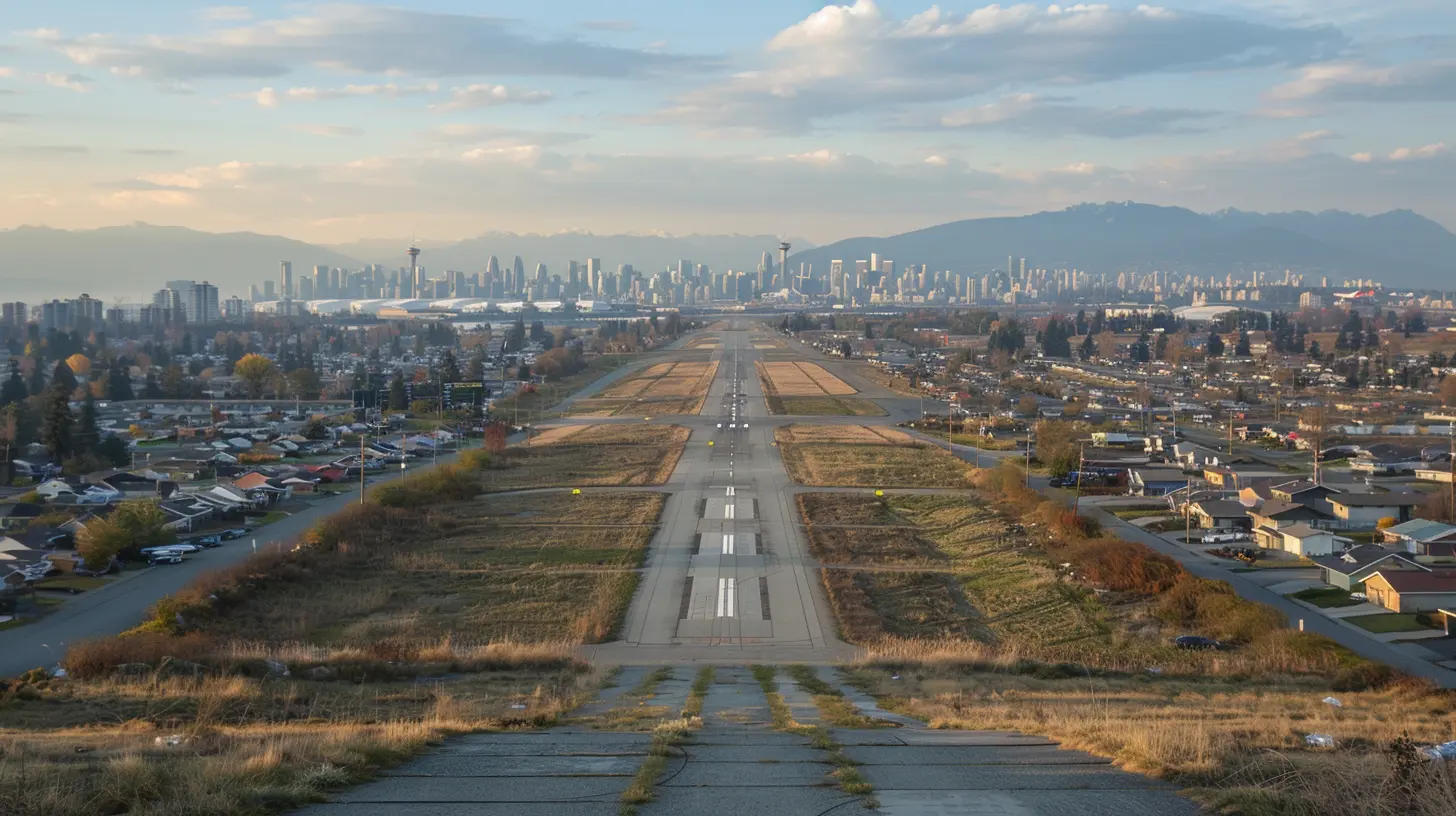
? Is Investing Near an Airport a Smart Move?
After going through all these restrictions, you might be wondering:> Should I even bother investing near an airport?
The answer? It depends.
Investing near an airport comes with unique challenges, but if you plan wisely, it can also be incredibly lucrative. Here’s a quick breakdown of the pros and cons:
✅ Pros of Investing Near an Airport
- Steady Demand – Airports drive economic activity, leading to constant demand for commercial and industrial spaces.- High Traffic – Hotels, car rentals, restaurants, and logistics companies thrive around airports.
- Infrastructure Development – Airport areas often receive government funding for roads, transit, and utilities.
❌ Cons of Investing Near an Airport
- Noise & Pollution – Can be a dealbreaker for residential investments.- Strict Zoning Laws – Limits what you can build and operate.
- Resale Challenges – Some buyers might avoid airport-adjacent properties due to noise and restrictions.
If your investment goal aligns with airport-friendly businesses (think logistics, industrial warehouses, car rentals), you could hit the jackpot. But if you're thinking of building suburban dream homes… you may want to reconsider. 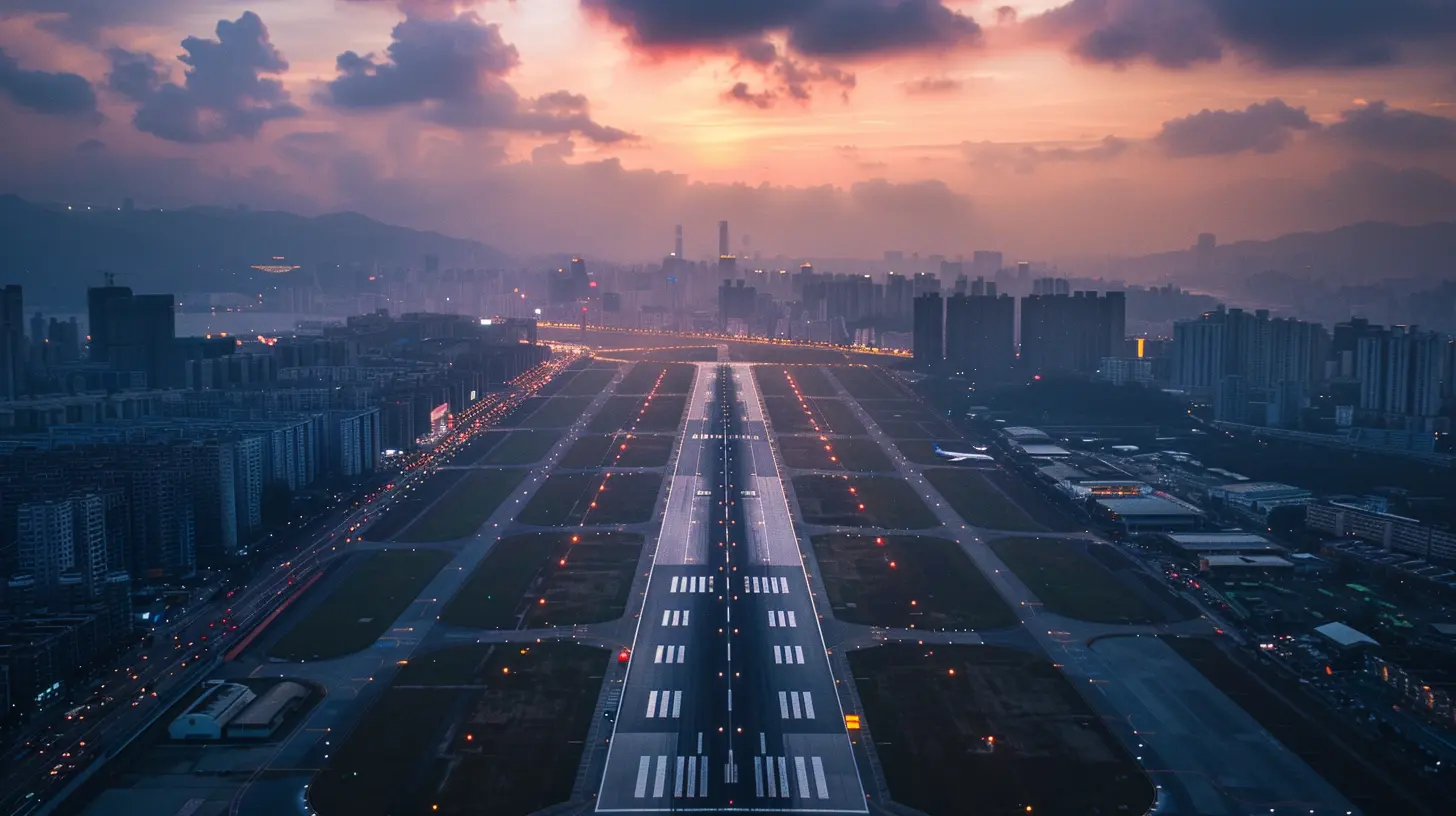
? How to Navigate Airport Zoning as an Investor
So, how do you work around these restrictions and ensure your investment is a success?? Do Your Homework Before Buying
Research zoning laws, airport expansion plans, and local ordinances before making any commitments.? Consult Local Authorities
Reach out to zoning offices or city planners to get a full understanding of what’s allowed.? Consider Noise Mitigation Measures
If you're set on a residential investment, budget for soundproofing solutions to keep tenants happy.? Look at Long-Term Airport Growth Plans
Airports are constantly expanding. A small quiet airport today could become a bustling international hub tomorrow.? Seek Legal Advice If Unsure
Real estate lawyers or zoning consultants can help you navigate the fine print and prevent costly mistakes.✈️ Final Thoughts
Investing near an airport isn’t for the faint of heart, but with the right strategy, it can be a highly rewarding move.Understanding airport zoning restrictions is crucial—you don’t want to be blindsided after purchasing a property that you can't develop the way you imagined.
So before you jump in, do your due diligence, plan smart, and make informed decisions. A little extra research today can save you from major headaches (and financial losses) tomorrow.
all images in this post were generated using AI tools
Category:
Zoning RegulationsAuthor:

Travis Lozano
Discussion
rate this article
1 comments
Sebastian Montgomery
Oh great, airport zoning restrictions. Just what every investor dreams of-navigating endless red tape and regulations while juggling noise levels and flight paths. Who needs a peaceful property when you can have planes flying over at all hours? Sounds like a real investment paradise... not!
July 19, 2026 at 3:23 AM
Travis Lozano
I get your frustration. Airport zoning can definitely complicate things for investors. It's important to weigh the potential drawbacks against the opportunities in these areas.