What Higher Interest Rates Could Mean for Housing in 2026
20 April 2026
Let’s be honest—talking about interest rates can feel a bit like discussing the weather. We all know it’s powerful, it changes constantly, and it has an undeniable impact on our plans, but predicting it two years out? That’s a tall order. Yet, just as a sailor studies long-term climate patterns before a voyage, anyone with a stake in housing—buyers, sellers, homeowners, investors—needs to look at the horizon. So, let’s set our sights on 2026. What could a landscape of higher interest rates really mean for the American dream of homeownership, the value of your property, and the very fabric of our neighborhoods? Buckle up; it’s a nuanced journey.
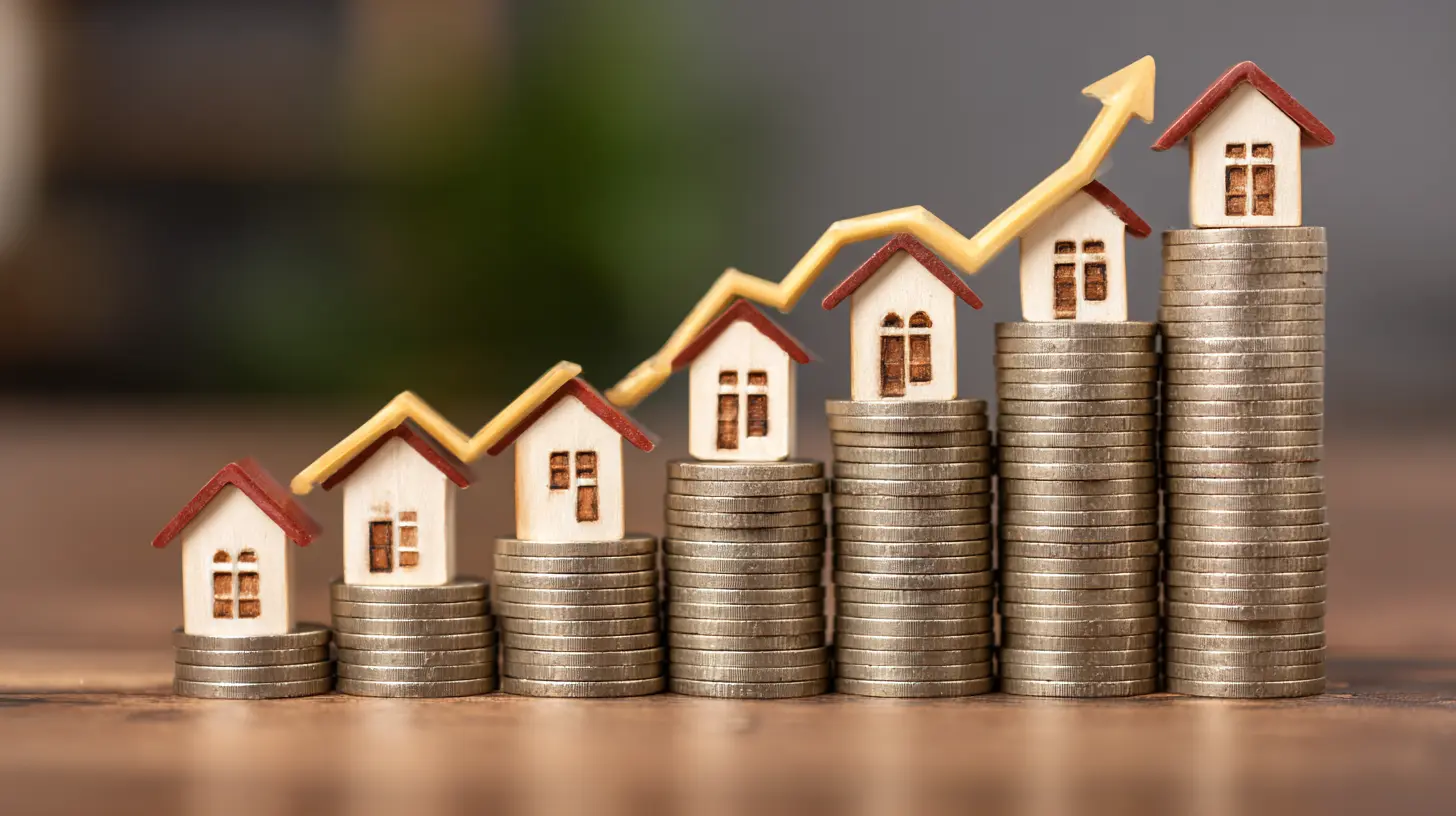
Setting the Stage: Why 2026 Isn't Just Another Year
First, we need context. We’re emerging from a period of historic lows, a sugar rush of cheap money that supercharged housing demand and sent prices soaring. The Federal Reserve’s rate hikes were the necessary bitter medicine to cool inflation. By 2026, the consensus among many economists is that we’ll have settled into a "new normal." Think of it not as the emergency brake being slammed, but as the car cruising at a higher, more sustainable speed on a different road. Rates are unlikely to return to the 3% days of 2021. Instead, we’re likely looking at a plateau—perhaps in the range of 5-7% for a 30-year fixed mortgage, depending on broader economic conditions.This isn't just a number on a page. It’s the fundamental cost of borrowing money to buy the largest asset most people will ever own. That shift changes everything, from your monthly budget to the national housing inventory.
The Buyer's Dilemma: Redefining "Affordable"
For the aspiring homeowner in 2026, the math will be stark. Higher rates act as a gravitational force on purchasing power. Simply put, the same monthly payment buys you less house.Let’s use a metaphor. Imagine your monthly mortgage payment is a glass of water. In 2021, that glass could hold a large, refreshing amount of house. In 2026, with higher rates, it’s the same-sized glass, but a portion of it is now filled with the "ice" of interest costs. The amount of liquid "house" you get is noticeably smaller. This means buyers will be forced to recalibrate their expectations. The search might shift from the dream home to the feasible home. We’re likely to see:
* A Return to Compromise: That extra bedroom, the gourmet kitchen, the prime school district—choices will become sharper. Buyers may prioritize location over size, or condition over curb appeal.
* Geographic Flexibility: The exodus to suburbs and secondary cities, accelerated by remote work, could continue as buyers stretch their dollars further from traditional job centers.
* The Inspection is King: With less financial wiggle room, buyers will be hyper-vigilant about a home’s condition. Overpaying for a property that needs a new roof and HVAC will be a non-starter.
But here’s a twist: this pressure on buyers could also foster a more thoughtful, less frenzied market. Gone may be the days of waiving inspections and offering $100k over asking in a blind panic. For those prepared with solid savings and realistic expectations, 2026 could offer a chance to breathe, negotiate, and make a considered decision.
The Seller's Shift: From Power to Partnership
If you’re planning to sell in 2026, throw out the 2021 playbook. The era of simply planting a sign and sparking a bidding war is likely over in most markets. Higher rates create a double-whammy for sellers: they dampen the pool of eligible buyers and they make your own next move more expensive.This leads to what I call the "Golden Handcuff" dilemma. Many existing homeowners are locked into mortgages with rates at 3% or 4%. Trading that for a new mortgage at 6%+ on a different property is a brutally expensive proposition. Why would you give up a $2,000 monthly payment for a $3,500 one on a similar house? This psychological and financial lock-in effect will be a major factor in 2026. It means:
* Tight Inventory May Persist: While demand cools, supply may remain strangely constrained. People won’t list unless they have to (job relocation, life changes). This could provide a surprising floor under home prices in many areas, preventing a crash.
Presentation is Non-Negotiable: With buyers being pickier, your home needs to shine. Professional staging, pre-listing inspections, and addressing minor repairs will transition from "nice-to-have" to "must-do." It’s no longer a seller’s market; it’s a marketer’s* market.
* Patience Becomes a Virtue: Days on market will likely increase. Sellers will need to price correctly from day one—strategic overpricing will backfire, leading to stale listings and price cuts. The transaction becomes less about a power trip and more about finding a meeting point with a serious, qualified buyer.
The Price Puzzle: Stagnation, Not Collapse
This is the million-dollar question (sometimes literally). Will prices fall? The interplay of higher rates (pushing down on prices) and stubbornly low inventory (propping them up) creates a fascinating stalemate.We probably won’t see a uniform, national price plunge. Instead, think of the market like a vast ocean. Some pockets—overvalued markets that soared on speculation, or areas with weak job growth—might see significant corrections, like powerful waves receding from the shore. Other regions with strong fundamentals, diverse economies, and housing shortages may see prices simply flatten or appreciate at a very modest, single-digit pace. Appreciation will become local, specific, and tied to tangible factors like job creation and infrastructure, not just cheap money.
The great reset won’t be in price, but in pace and psychology. The housing market will move from a sprint to a marathon.
The Renter's Reality: A Silver Lining with Clouds
For renters in 2026, the picture is mixed. On one hand, the cooling demand for homeownership might take some pressure off the rental market. The frantic competition for apartments could ease slightly. However, don’t expect rents to plummet. High costs for landlords (property taxes, insurance, maintenance) and the continued undersupply of housing units nationwide will likely keep rents elevated.The potential silver lining? The quality of rental stock might improve. As large investors and builders see for-sale demand moderate, they may pivot to building more high-quality, build-to-rent communities. For many, renting in 2026 could become a more deliberate, long-term choice—a lifestyle decision offering flexibility without the burden of maintenance and a massive mortgage, rather than just a stepping stone.
Innovation and Opportunity: Where New Doors Open
Challenging environments breed innovation. Higher rates in 2026 will accelerate trends that were already bubbling.* Creative Financing’s Comeback: Seller financing, lease-to-own agreements, and adjustable-rate mortgages (with clear understanding) may become more common tools to bridge the affordability gap.
* The ADU Revolution: With moving being so expensive, more homeowners will look inward—and backward. Financing an Accessory Dwelling Unit (ADU) in the backyard could become a brilliant strategy to generate rental income or house family, all while staying put in your low-rate primary home.
* The "Home as HQ" Evolution: If you’re staying put for longer, you invest in it differently. Renovations for home offices, energy efficiency upgrades, and creating multi-generational spaces will boom. The focus shifts from flipping to fortifying.
Final Thoughts: Navigating the New Terrain
So, what’s the takeaway for you as we look toward 2026? It’s not about fear, but about preparation and perspective. The housing market isn’t ending; it’s evolving. It’s maturing.For buyers, it means getting your financial house in order now. Boost your credit score, save for a larger down payment, and study markets with fundamentals you believe in. Your moment for a more balanced purchase may be coming.
For sellers, it means valuing your home not by 2021’s euphoria, but by 2026’s reality. Invest in its appeal and partner with a savvy agent who understands the new pace.
For homeowners, it’s a time to appreciate the asset you have, consider how to adapt it to your long-term needs, and make peace with the fact that your home’s value may simmer, not boil, for a while.
Higher interest rates in 2026 will be the thermostat for the housing market, not the wrecking ball. They will enforce discipline, reward prudence, and remind us that a home is, first and foremost, a place to live—not just a ticker symbol. By understanding these coming currents, you can adjust your sails and navigate toward your goals, no matter what the financial climate brings.
all images in this post were generated using AI tools
Category:
Housing Market TrendsAuthor:

Travis Lozano
Discussion
rate this article
2 comments
Ranger McGuffey
Great insights on how interest rates could shape the housing market in 2026. It's fascinating to think about how these changes might impact buyers and sellers alike. Looking forward to more updates!
May 24, 2026 at 3:18 AM
Travis Lozano
Thanks for your thoughts! It really is an exciting topic, and I'll keep sharing updates as things evolve. Stay tuned!
Cruz Reynolds
As rates ascend in the 2026 sky, Ripples in housing may soon amplify. Buyers reconsider, dreams may take flight, Finding their balance in financial light. Yet within the shifting winds, hope still gleams, For every challenge births new dreams.
April 20, 2026 at 12:08 PM
Travis Lozano
You've captured the essence beautifully. It's true that while challenges arise with rising rates, new opportunities often emerge for those willing to adapt.