Virtual Tours Aren’t Just a Pandemic Fad in 2026
8 October 2026
In March 2020, real estate agents scrambled. Open houses shut down, buyers stayed home, and an entire industry that runs on handshakes and walkthroughs had to figure out how to sell homes through a screen. Virtual tours went from a nice-to-have to a lifeline overnight.
Six years later, the question I hear from agents, brokers, and developers is always some version of the same thing: "Wasn't that just a pandemic thing?"
No. And here's the part that surprises people who stepped away from the industry during those years. Virtual tours didn't just survive the return to normal life. They became one of the most powerful tools in a listing agent's arsenal, and the agents who dismissed them as temporary are now playing catch-up.
Let me explain why, and what it actually takes to use them well.
The Misconception That Won't Die
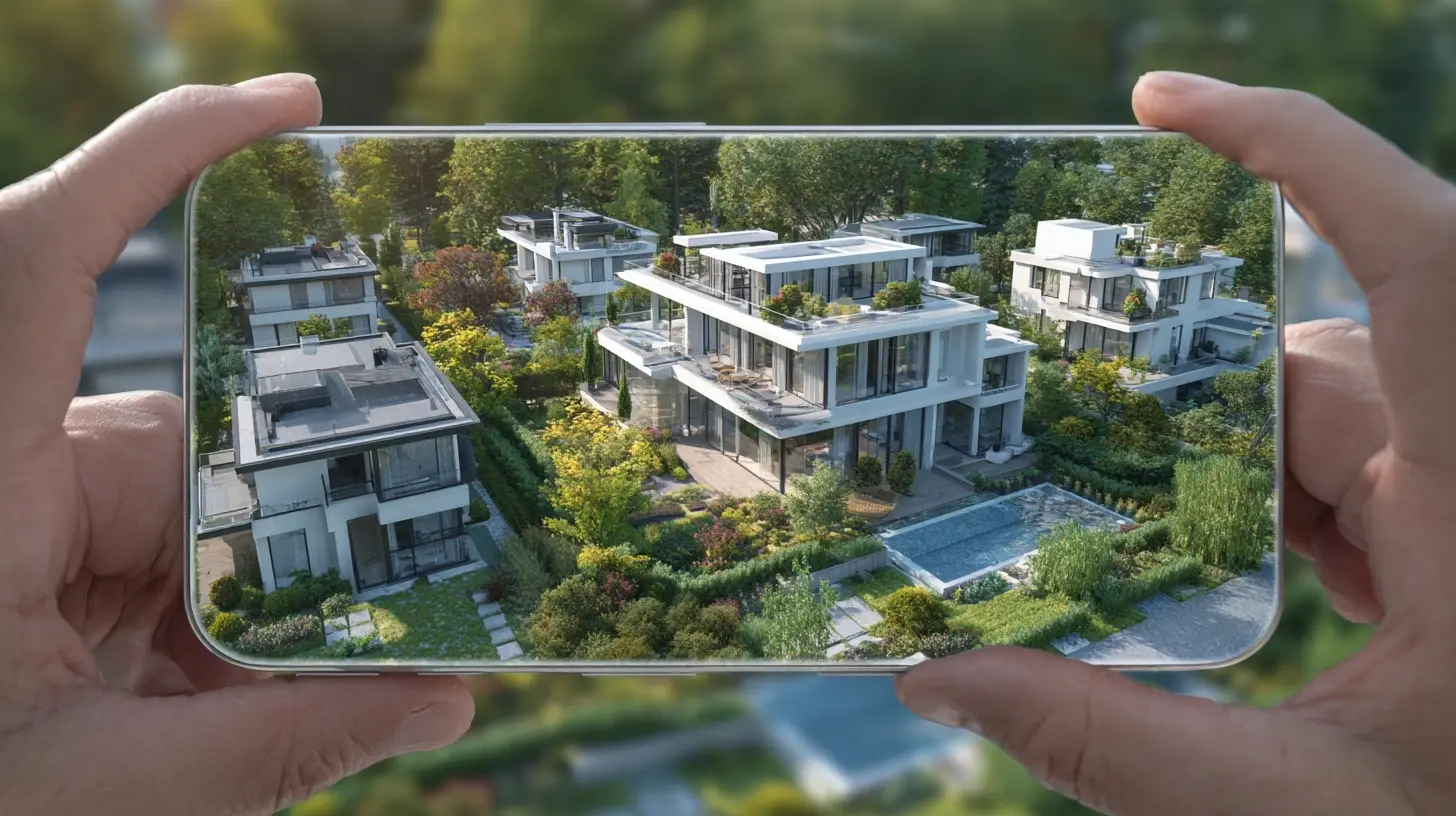
The core misunderstanding is that virtual tours existed as a substitute for in-person showings. During lockdown, that was true. They filled a gap. Once the gap closed, a lot of people assumed the tool would fade.But that framing misses what virtual tours actually do. They don't replace the showing. They replace the first showing, the one where a buyer drives across town, walks through a home they already know isn't right, and wastes everyone's time. That first showing has always been the least efficient part of the sales process, and virtual tours eliminate most of it.
Think about how buyers actually behave. A serious buyer in 2026 scrolls through dozens of listings before they ever contact an agent. The listings that stop the scroll are the ones that answer the question "what does this place actually feel like?" Photos give you fragments. A floor plan gives you geometry. A virtual tour gives you the experience of moving through space, and that is the thing buyers are trying to evaluate.
That's the shift. Virtual tours aren't a workaround anymore. They're a filtering layer that makes the entire pipeline more efficient.
What "Virtual Tour" Actually Means in 2026
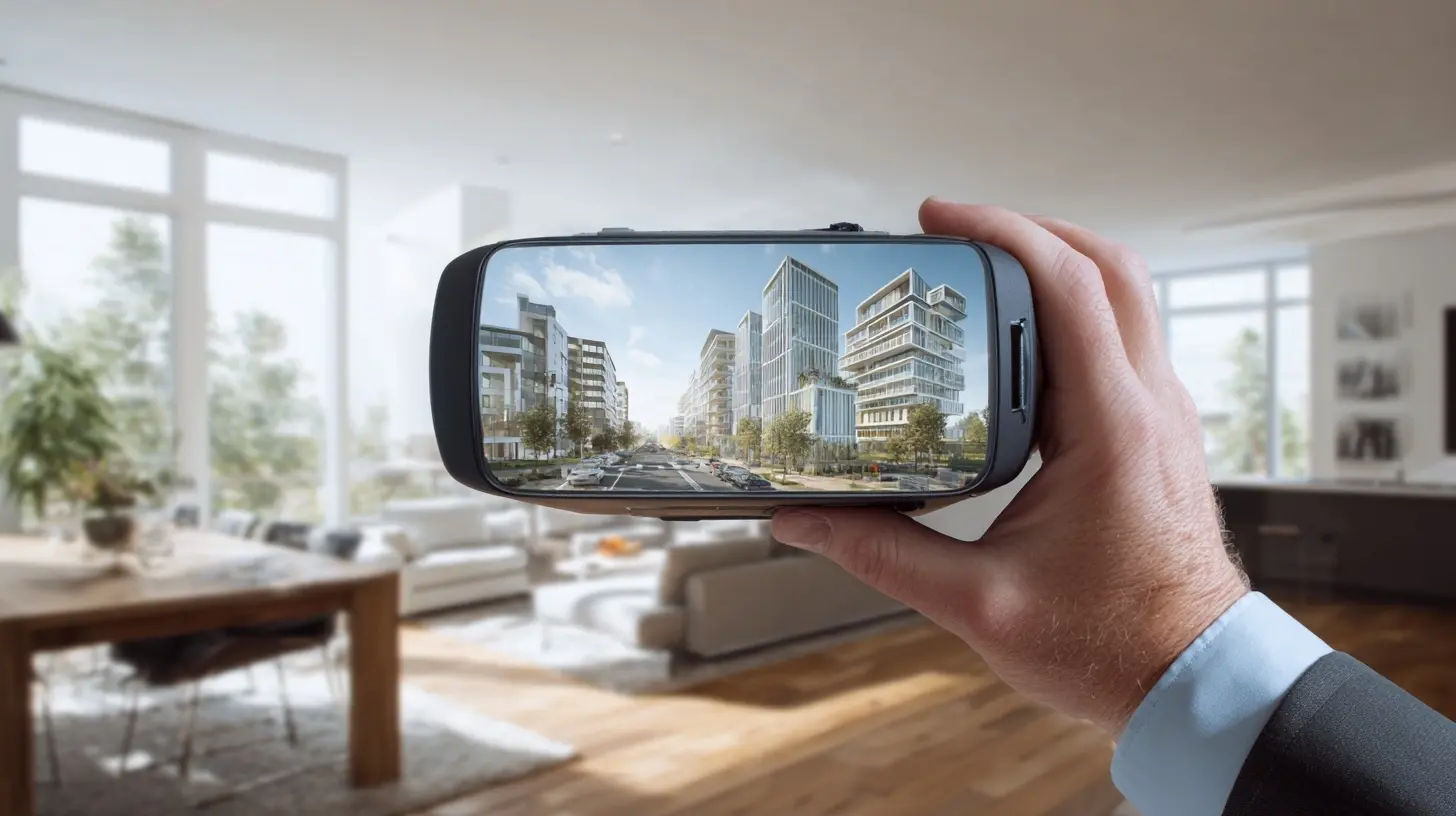
The term gets used loosely, so let's be precise. There are several distinct formats, and they serve different purposes.The 3D walkthrough (Matterport-style). A camera captures the space from many angles, and software stitches it into a navigable 3D model. Buyers click through rooms, look around, and get a genuine sense of layout. This is the gold standard for most residential listings.
The 360-degree photo tour. A series of panoramic images stitched together with hotspots that let viewers jump between locations. Cheaper than full 3D capture, faster to produce, and often good enough for straightforward homes.
The video walkthrough. A guided tour, either live or recorded, where an agent or videographer moves through the property. This works well for luxury properties and for conveying flow and light.
The live video showing. An agent walks the property in real time while a buyer watches and asks questions. This is the most interactive format and the closest thing to being there.
The hybrid. Increasingly common. A 3D tour for the initial browse, plus a live video call for serious buyers who want to ask questions before committing to an in-person visit.
Each format has trade-offs in cost, production time, and buyer experience. Choosing the right one depends on the property, the price point, and the buyer profile. More on that later.
Why They Keep Working: The Economics
Here's the practical case, and it has nothing to do with pandemics.They compress the sales timeline
A buyer who can eliminate five properties from their list without leaving the couch saves days or weeks. That buyer arrives at the one in-person showing already pre-qualified mentally. They've seen the layout, they know the kitchen faces the right direction, and they've decided the neighborhood works. The in-person visit becomes a confirmation rather than an investigation.Agents who track this consistently report that virtual tours reduce the number of physical showings per sale. Fewer showings means less time, less wear on the property, and fewer disruptions for sellers who are still living there.
They widen the buyer pool
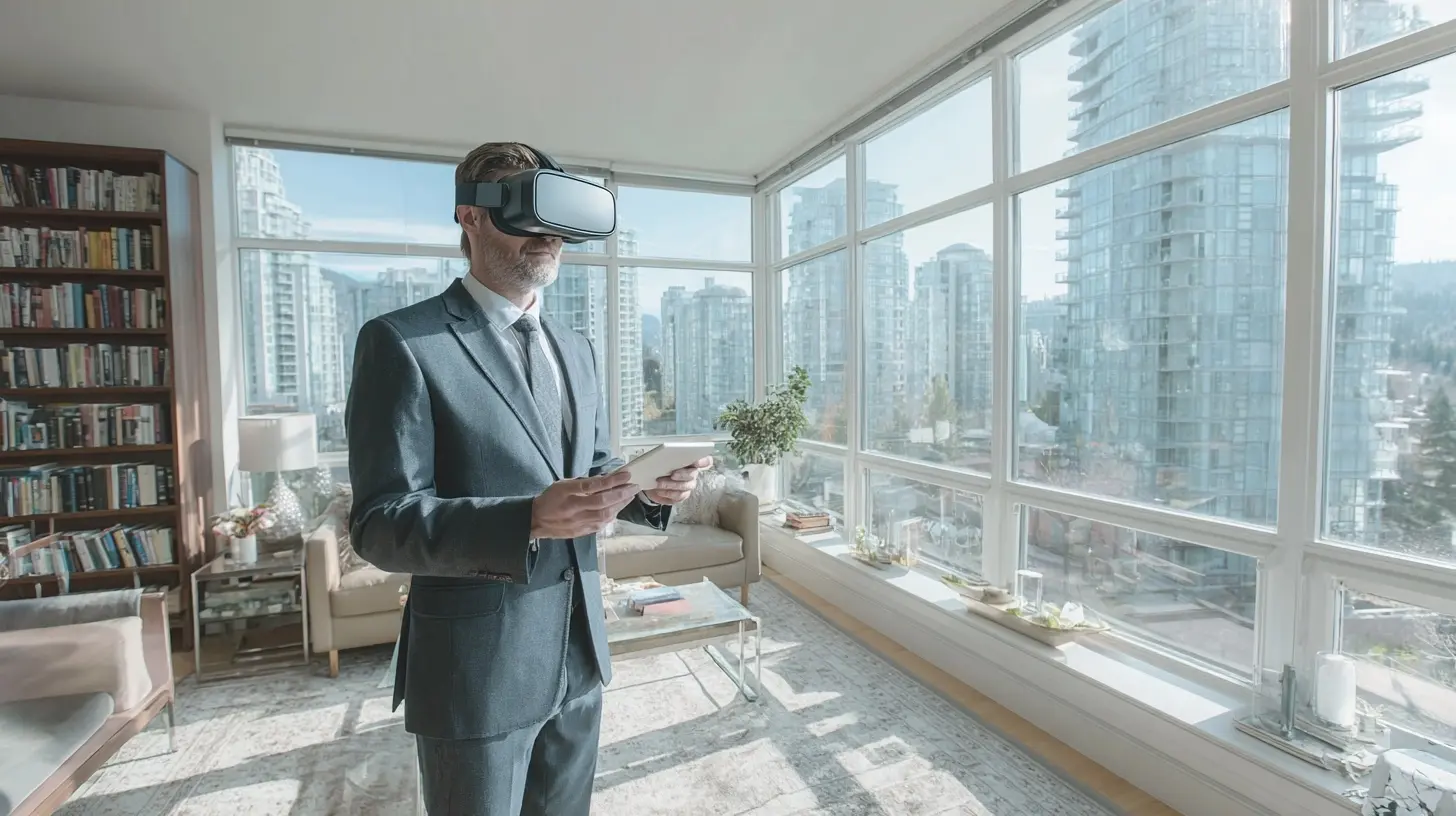
A local buyer can visit ten homes in a weekend. A relocating buyer, or an international buyer, cannot. Virtual tours collapse geography. Someone in another country can evaluate a property with real confidence before booking a flight. That matters enormously in markets with high relocation volume, second-home markets, and investment properties.The practical effect is that a listing with a strong virtual tour competes for a larger pool of buyers. More competition generally means better offers.
They reduce wasted effort on both sides
Every agent knows the feeling of driving forty minutes to a showing that lasts four minutes. Virtual tours cut that down. Buyers self-select. The people who show up in person are the people who are genuinely interested, and that changes the entire character of the showing conversation.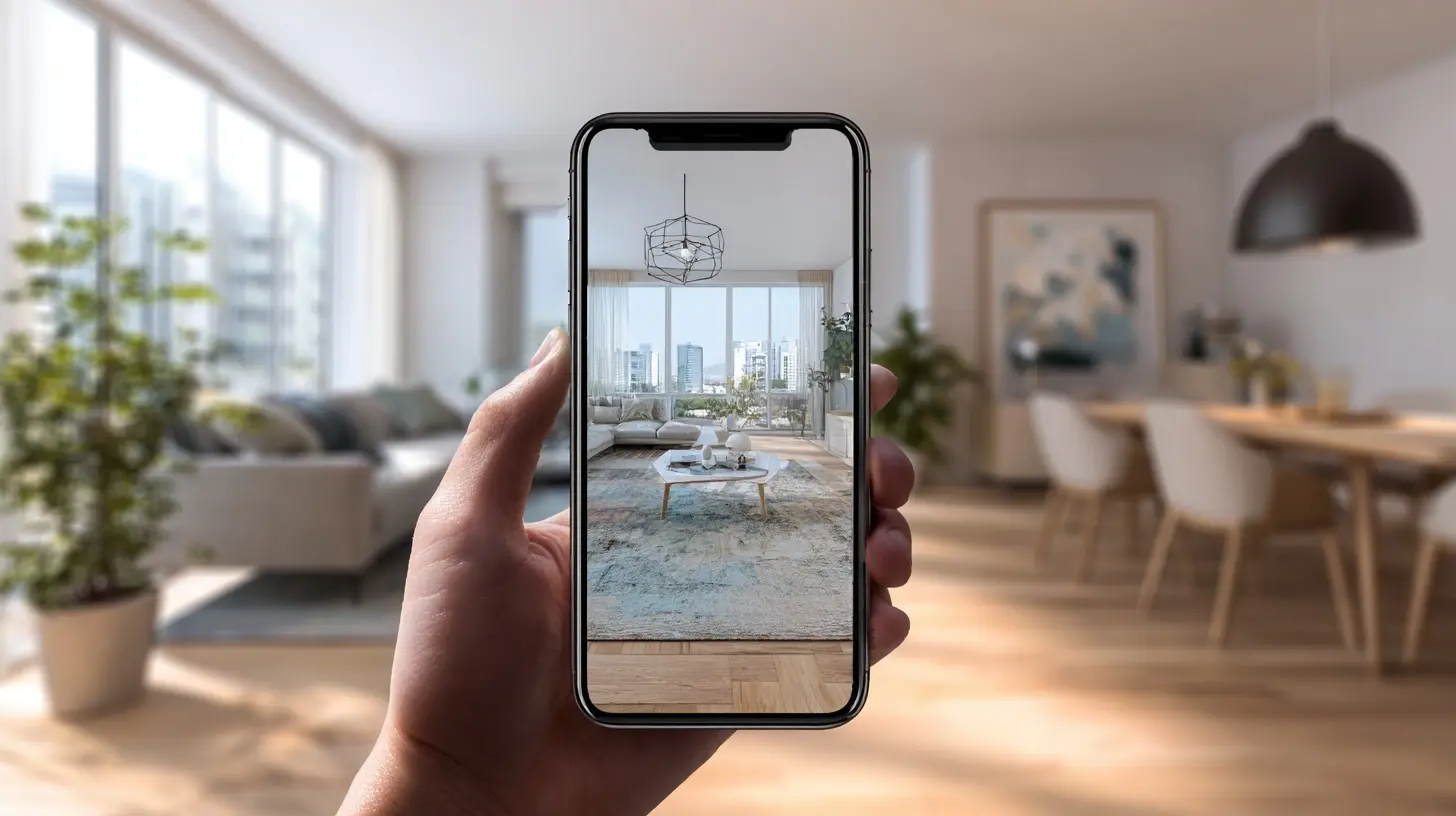
Where Virtual Tours Fall Short
I'd be doing you a disservice if I pretended this technology solves everything. It doesn't, and the agents who get burned are usually the ones who over-trust it.They can't convey feel. A 3D tour shows you the layout, the finishes, the light. It cannot tell you that the floorboards creak, that the neighbor's dog barks at 6 a.m., or that the street gets loud on Friday nights. Some things require presence.
They can flatter a property. Wide-angle capture makes small rooms look bigger. Bright editing makes dim spaces look airy. Buyers who feel misled when they arrive in person will lose trust, and that lost trust kills deals. Accuracy matters more than polish.
They don't replace the human. A virtual tour is a tool for the agent, not a substitute. The agent's job is to interpret, to answer questions, to flag issues, and to guide the buyer toward a decision. A tour with no follow-up is just a fancy brochure.
They can be expensive to do well. A cheap 360 tour can look amateurish and hurt the listing. A high-quality 3D capture costs real money. The calculus only works if the property and price point justify the investment.
The honest position is this: virtual tours are powerful when used correctly and counterproductive when used lazily. The difference is in the execution.
Matching the Format to the Property
This is where most agents get it wrong. They pick a format based on budget alone, or they default to whatever their photographer offers. Better to start with the property and the buyer.Entry-level and mid-market homes
A clean 360-degree photo tour or a well-shot video walkthrough is usually sufficient. Buyers in this segment are often local, price-sensitive, and making decisions quickly. They need clarity, not spectacle. Overspending on a 3D capture for a starter condo rarely pays off.Mid-to-upper market homes
This is the sweet spot for 3D walkthroughs. Buyers are more likely to be relocating or comparing multiple properties across a wider area. They want to understand layout, flow, and proportion before committing to a visit. A Matterport-style tour pays for itself here.Luxury and unique properties
Video walkthroughs and live video showings tend to outperform static 3D tours at the high end. Luxury buyers want narrative, atmosphere, and a sense of the lifestyle. A skilled videographer can deliver that in a way a 3D scan cannot. Live showings add the personal touch that this segment expects.Investment and commercial properties
3D tours with accurate measurements and floor plans are extremely valuable here. Investors care about square footage, layout efficiency, and how a space could be reconfigured. A navigable model lets them evaluate those factors without a site visit.Land and new construction
Virtual tours are limited for raw land, though drone footage and site overlays can help. For new construction, 3D tours of the model home are invaluable because the actual unit may not be finished. Buyers can see what they're buying before it exists.The rule of thumb: the more the buyer needs to understand space, the more a virtual tour earns its cost. The more they need to understand feeling, the more you should lean on video and live interaction.
Common Mistakes That Undermine Results
I've reviewed hundreds of virtual tours over the years. The same problems show up again and again.Poor lighting. A tour shot in dim conditions looks murky and uninviting. Natural light is your friend. Shoot during the brightest part of the day, open blinds, and turn on lamps that warm the space.
Cluttered rooms. Buyers can't see the architecture through the mess. Staging matters for virtual tours just as much as for photos, sometimes more, because the viewer is spending more time in each room.
Bad camera placement. Every room should have a clear focal point and a logical walking path. If the viewer gets lost or disoriented, they leave.
No floor plan. A 3D tour without a floor plan is missing half its value. Buyers want to see the relationship between rooms at a glance. The plan and the tour work together.
Ignoring mobile. Most buyers will view the tour on a phone. If the interface is clunky or slow on mobile, you've lost them before they've seen the kitchen.
No call to action. Every tour should end with a clear next step. Book a showing. Contact the agent. Request more information. A tour that doesn't guide the viewer toward action is leaving money on the table.
Outdated tours. If you repaint, replace the floors, or change the staging, reshoot. An outdated tour is worse than no tour because it creates a false impression.
Best Practices That Actually Move the Needle
These are the habits I've seen separate agents who get real results from virtual tours and agents who just check a box.Shoot before the listing goes live. The tour should be ready on day one. The first weekend of a listing generates the most traffic, and you want the full toolkit available.
Pair the tour with a floor plan and a strong photo set. Each asset answers a different question. Photos create desire. The floor plan creates understanding. The tour creates confidence. Together they form a complete picture.
Write a description that complements the tour. Don't repeat what the viewer can see. Use the text to add context: the neighborhood, the schools, the commute, the recent upgrades. The tour handles the space; the copy handles the story.
Use the tour in your follow-up. When a buyer inquires, send the tour link immediately. When a lead goes cold, send it again with a note about a specific feature. It's a low-friction way to re-engage.
Track engagement. Most tour platforms provide analytics: how long viewers stayed, which rooms they visited most, where they dropped off. That data tells you what buyers care about and what might need adjusting in your marketing.
Offer live tours for serious buyers. A recorded tour is passive. A live tour is a conversation. For buyers who are on the fence, a scheduled live walkthrough with an agent can be the thing that tips them toward an offer.
Be honest. If a room is small, let the tour show it. If a feature is unusual, address it in the description. Buyers respect transparency and punish surprises.
The Agent's Role Is Changing, Not Disappearing
Some agents worry that virtual tours make them less necessary. The opposite is true, but the role shifts.When buyers can preview properties on their own, the agent's value moves from access to interpretation. Anyone can send a listing link. The agent who can look at a tour, understand what the buyer is really asking, and answer the question behind the question is the one who wins the client.
This means agents need to get comfortable with the technology. Not necessarily operating the camera, but understanding what makes a tour effective, how to read the analytics, and how to weave the tour into a broader marketing strategy. The agent who treats the tour as a set-it-and-forget-it asset will get mediocre results. The agent who treats it as a living part of the sales process will outperform.
What Buyers Expect Now
Buyer expectations have shifted permanently. In 2026, a listing without a virtual tour feels incomplete, especially above a certain price point. Buyers have learned that they can save time, and they've come to expect the option.This doesn't mean every listing needs a full 3D capture. But it does mean that skipping virtual entirely is a competitive disadvantage. The listings that offer a rich, accurate, easy-to-navigate preview get more inquiries, more showings, and more offers. The ones that don't get scrolled past.
There's also a trust dimension. A buyer who can see the property thoroughly before visiting arrives with fewer suspicions. They've already verified the basics. The in-person visit becomes about confirmation and connection rather than investigation and doubt.
The Bottom Line
Virtual tours survived the pandemic because they solved a problem that existed long before it and will exist long after: buyers need to evaluate properties efficiently, and sellers need to reach the widest possible pool of qualified buyers. The technology happened to arrive at the right moment, but its value was never tied to lockdowns.In 2026, the agents and developers who treat virtual tours as a core part of their marketing are seeing the returns. Shorter timelines, fewer wasted showings, wider reach, and better-qualified leads. The ones who still think of them as a pandemic relic are quietly losing ground.
The tool isn't the differentiator. The execution is. A virtual tour done well is a genuine asset. A virtual tour done poorly is a liability. The gap between those two outcomes is where the real work lives, and it's where the best agents are investing their time.
all images in this post were generated using AI tools
Category:
Real Estate MythsAuthor:

Travis Lozano