Understanding the Strength and Flexibility of Geopolymer Cement
31 March 2026
When we talk about construction materials, concrete is usually the first thing that comes to mind. But did you know there's a more eco-friendly, stronger, and more durable alternative? Enter geopolymer cement—a material that could change the way we build structures in the future.
But what exactly is geopolymer cement? And why is it gaining attention in the construction industry? Let’s break it down in simple terms.
What is Geopolymer Cement?
At its core, geopolymer cement is a binder made from industrial byproducts like fly ash, slag, and other aluminosilicate materials. Unlike traditional Portland cement, which relies on limestone and emits a significant amount of CO₂ during production, geopolymer cement is much more sustainable.Instead of using ordinary cement clinker, this innovative material undergoes a chemical reaction in an alkaline environment to form a strong, durable, and heat-resistant binder. The result? A concrete alternative that offers superior performance while significantly reducing carbon emissions.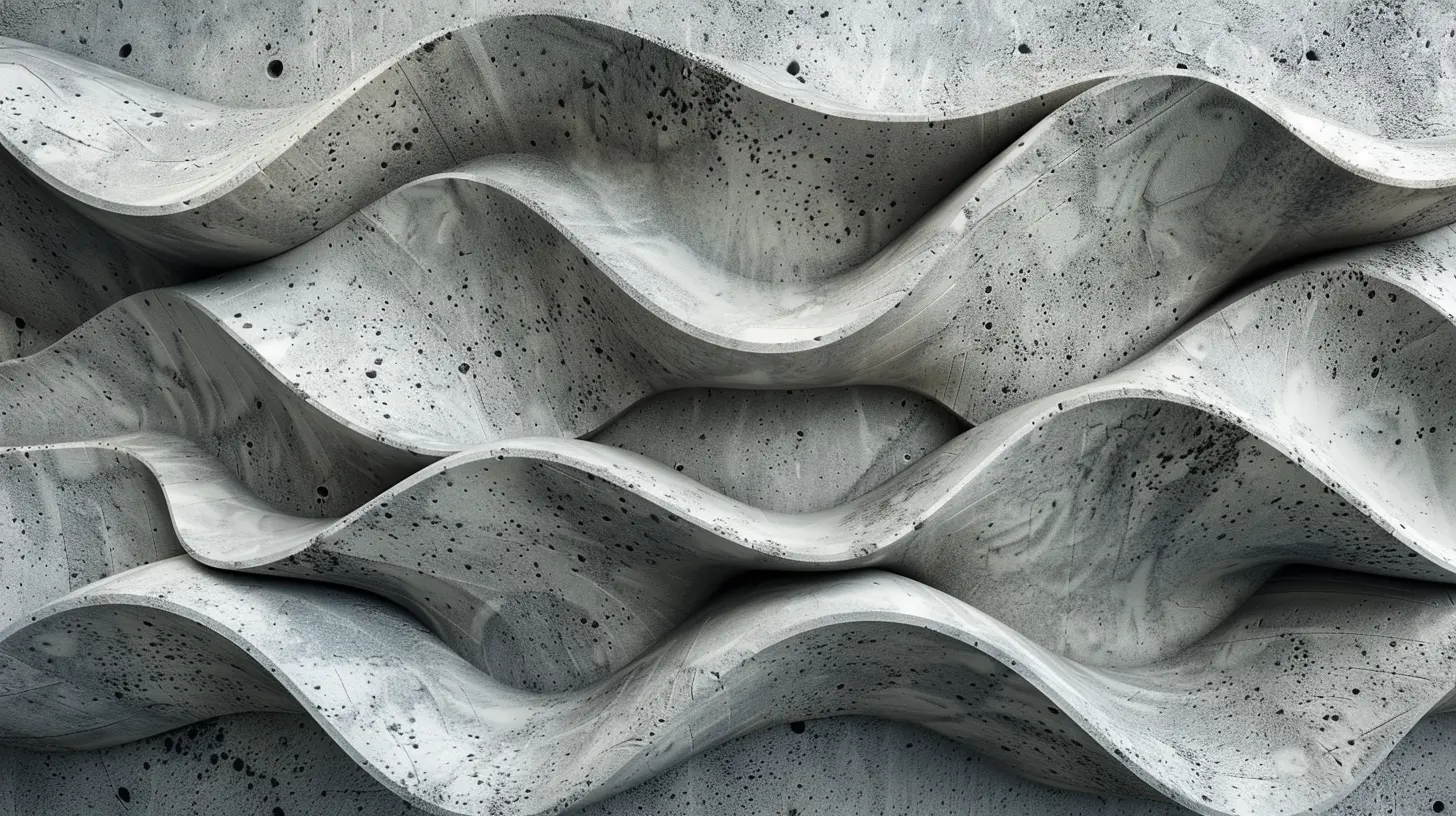
Why Should We Care About Geopolymer Cement?
Let’s be honest—traditional concrete, while strong, has some serious downsides:- High Carbon Footprint: Cement production is responsible for 8% of the world’s CO₂ emissions.
- Cracking and Durability Issues: Over time, concrete cracks due to environmental factors.
- High Water Usage: Traditional concrete requires a lot of water for mixing and curing.
Geopolymer cement tackles all these issues head-on, offering strength, flexibility, and sustainability—all in one.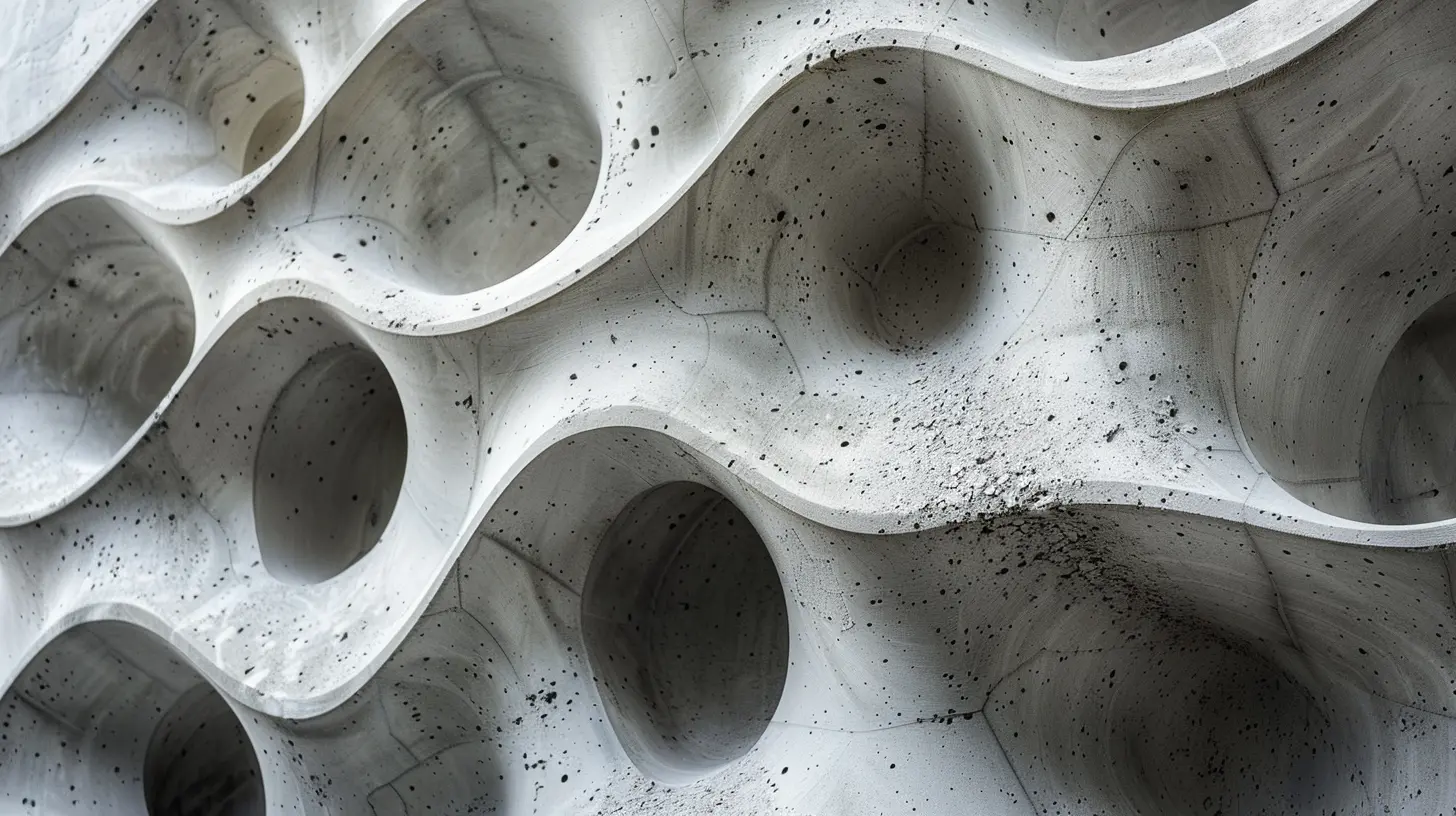
Strength: How Tough is Geopolymer Cement?
If you’ve ever seen concrete crumble under extreme conditions, you might wonder—is geopolymer cement any better? The short answer: Yes, by a long shot!1. Compressive Strength
One of the biggest advantages of geopolymer cement is its high compressive strength. It can easily outperform ordinary Portland cement, with some geopolymer mixtures reaching strengths of 40-100 MPa (Mega Pascals).To put this into perspective, standard concrete typically maxes out around 20-40 MPa for most applications. That means geopolymer cement can handle heavier loads and stresses without breaking down.
2. Fire and Heat Resistance
Ever seen a concrete building collapse in a fire? That’s because traditional concrete starts to break down at around 300-400°C. But geopolymer cement? It can withstand temperatures well over 1,000°C without losing its structural integrity.This makes it perfect for buildings, tunnels, and even fireproof infrastructure.
3. Chemical Resistance
Traditional cement doesn’t hold up well against chemical exposure, especially in industrial zones or marine environments. On the other hand, geopolymer cement is highly resistant to acids, sulfates, and other harmful chemicals.This makes it ideal for wastewater treatment plants, bridges, and even underground mining operations.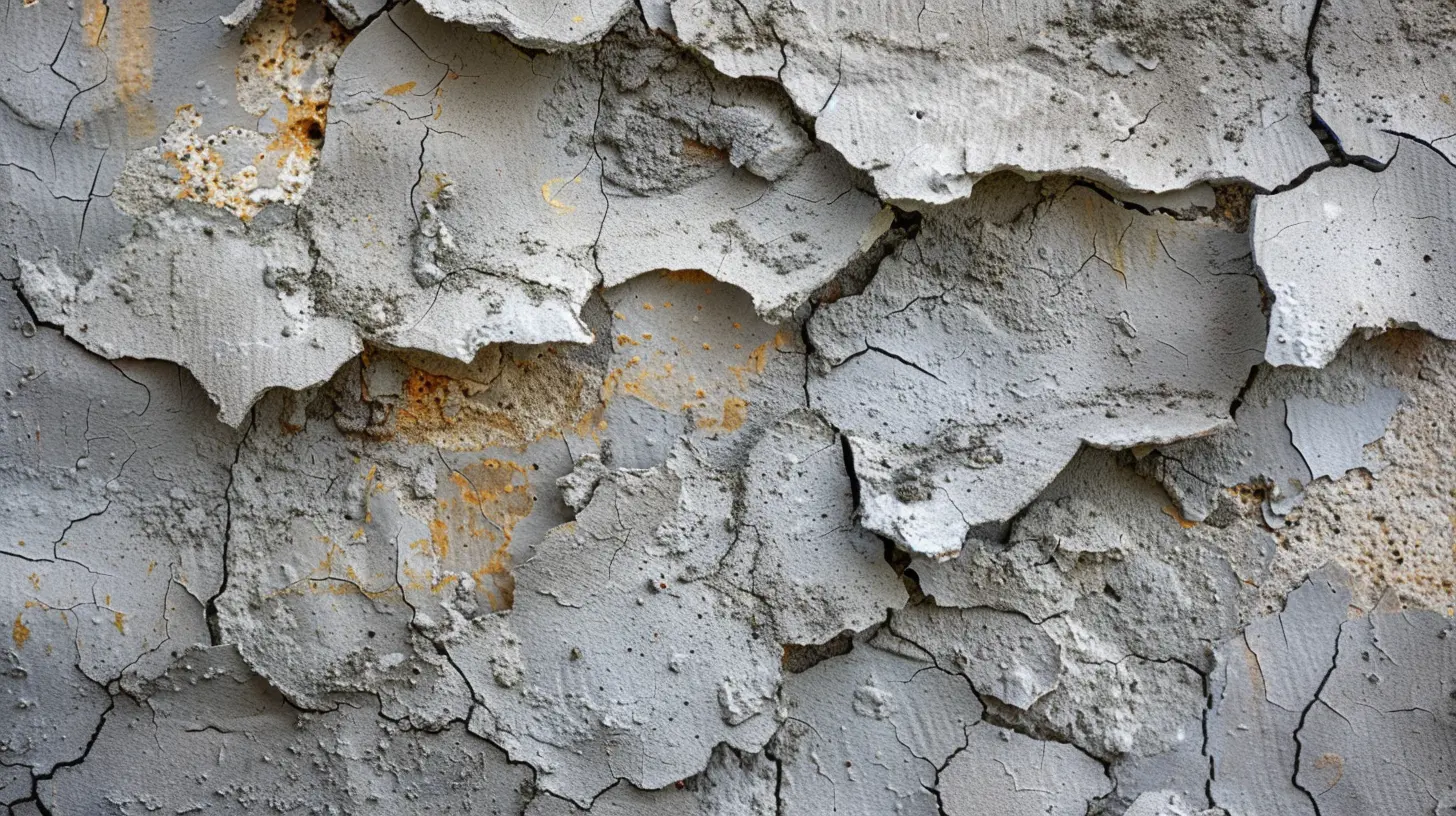
Flexibility: How Versatile is Geopolymer Cement?
You might be wondering—if it’s so strong, is it still flexible? Surprisingly, yes! While traditional concrete can be quite rigid, geopolymer cement offers a level of flexibility that makes it less prone to cracking.1. Crack Resistance
Unlike traditional concrete, which can develop cracks due to shrinkage and temperature changes, geopolymer cement has a much lower shrinkage rate. This means fewer cracks, lower maintenance costs, and longer-lasting structures.2. Faster Setting Time
Time is money in construction, and waiting for materials to cure can be frustrating. The good news? Geopolymer cement sets much faster than traditional concrete. Some mixtures can reach full strength in just 24 hours, compared to the 28 days required for ordinary cement.3. Moldability & Design Flexibility
Because of its unique chemical structure, geopolymer cement can be molded into complex shapes and designs, making it perfect for architectural projects, precast panels, and even 3D printing construction.Environmental Benefits of Geopolymer Cement
With climate change becoming a bigger issue, industries are scrambling for eco-friendly alternatives. Geopolymer cement is a game-changer in this department.1. Lower Carbon Emissions
As mentioned earlier, geopolymer cement produces up to 80% less CO₂ emissions than traditional cement. By using industrial waste products like fly ash and slag, we reduce the need for limestone extraction and clinker burning, which means fewer greenhouse gases.2. Less Water Consumption
Water is a precious resource, and traditional concrete production is a water-guzzling process. Geopolymer cement requires far less water, making it a more sustainable choice, especially in drought-prone regions.3. Recycling Industrial Waste
One of the coolest things about geopolymer cement? It transforms waste into useful building material. Instead of dumping industrial byproducts like fly ash into landfills, we reuse them—turning trash into treasure.Challenges & Limitations
Now, before we start praising geopolymer cement as the ultimate solution, there are some challenges to consider.1. Limited Awareness & Adoption
Even though geopolymer cement has been around for decades, the construction industry is slow to change. Many builders and engineers aren’t familiar with its properties, which slows down its adoption.2. Availability of Raw Materials
Since geopolymer cement relies on industrial byproducts like fly ash, supply can be inconsistent. As industries shift towards cleaner energy, the availability of fly ash may decline, making geopolymer cement production more challenging.3. Standardization Issues
Unlike Portland cement, which has been standardized worldwide, geopolymer cement lacks universal industry standards. This makes it harder to regulate and integrate into large-scale construction projects.The Future of Geopolymer Cement
Despite the challenges, the future of geopolymer cement looks promising. With increasing pressure to reduce CO₂ emissions and improve building materials, researchers and engineers are working on standardizing and optimizing geopolymer cement production.Will It Replace Traditional Cement?
While it may not replace Portland cement overnight, geopolymer cement is definitely gaining traction in high-performance and eco-friendly construction projects. Countries like Australia, China, and parts of Europe are already using geopolymer concrete in roads, bridges, and buildings.Ethical & Sustainable Construction
As we move towards a greener future, geopolymer cement could play a massive role in building more sustainable cities. Imagine a world where buildings are stronger, last longer, and leave a much smaller carbon footprint—that’s the potential of geopolymer cement.Final Thoughts
Geopolymer cement is not just another building material—it’s a revolution in the construction industry. With superior strength, flexibility, and environmental benefits, it’s a no-brainer for anyone looking to build smarter and greener.Now, the real question is—will the construction industry fully embrace this innovation? Only time will tell. But one thing is certain: geopolymer cement holds the key to a more sustainable and resilient future.
all images in this post were generated using AI tools
Category:
Building MaterialsAuthor:

Travis Lozano
Discussion
rate this article
2 comments
Maddox Potter
Great insights! Geopolymer cement's benefits could revolutionize sustainable construction practices. Keep sharing!
April 18, 2026 at 12:07 PM
Travis Lozano
Thank you! Truly appreciate your support. Geopolymer cement has huge potential, and I'm glad the insights resonated. More to come!
Kendall Smith
Revolutionizing sustainable construction.
April 4, 2026 at 2:37 AM
Travis Lozano
Thank you! Geopolymer cement offers a promising alternative to traditional materials, enhancing sustainability in construction through lower carbon emissions and resource efficiency.