Tips for Turning a Foreclosed Home into a Profitable Investment
21 March 2026
Buying a foreclosed home can feel like uncovering a hidden gem—if you know what you're doing. Sure, these properties often come at a steep discount, but they also come with challenges that can make or break your investment. Whether you're a seasoned real estate investor or just dipping your toes into the market, understanding how to turn a foreclosed property into a profitable asset is key.
In this article, we'll dive into practical strategies to help you make the most out of a foreclosed home. From finding the right property to renovating smartly, we've got you covered. 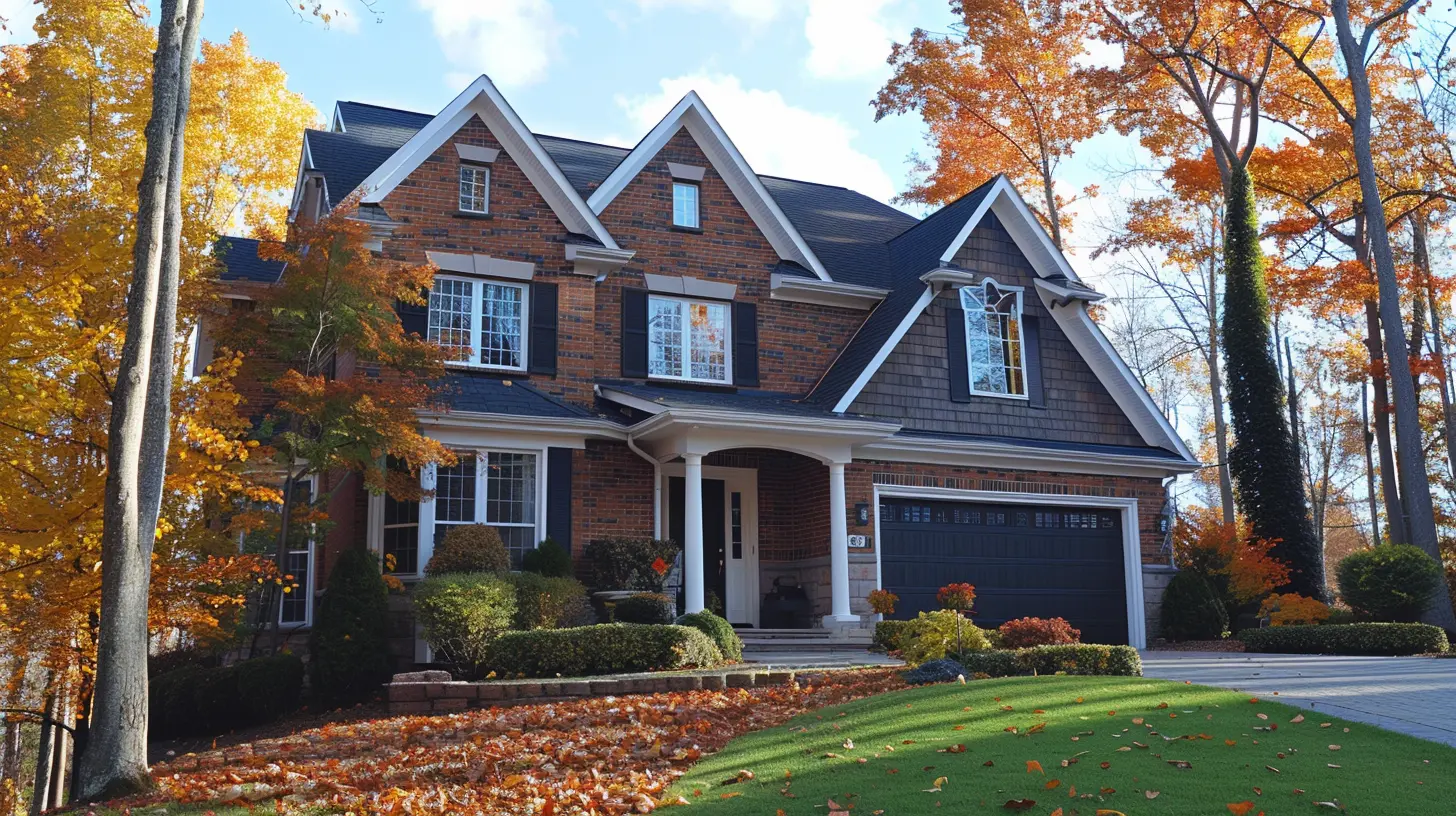
Why Consider a Foreclosed Home for Investment?
Foreclosed properties can be a lucrative investment opportunity, primarily because they are priced below market value. Financial institutions, eager to unload these homes, are often willing to sell them at a discount. But there's a catch—these homes are typically sold "as-is," meaning you might have to put in some serious work.So why bother? Because with the right strategy, you can turn these distressed properties into high-income rental units or profitable flips. It’s like buying a fixer-upper at a clearance sale—you just need to know how to maximize its value.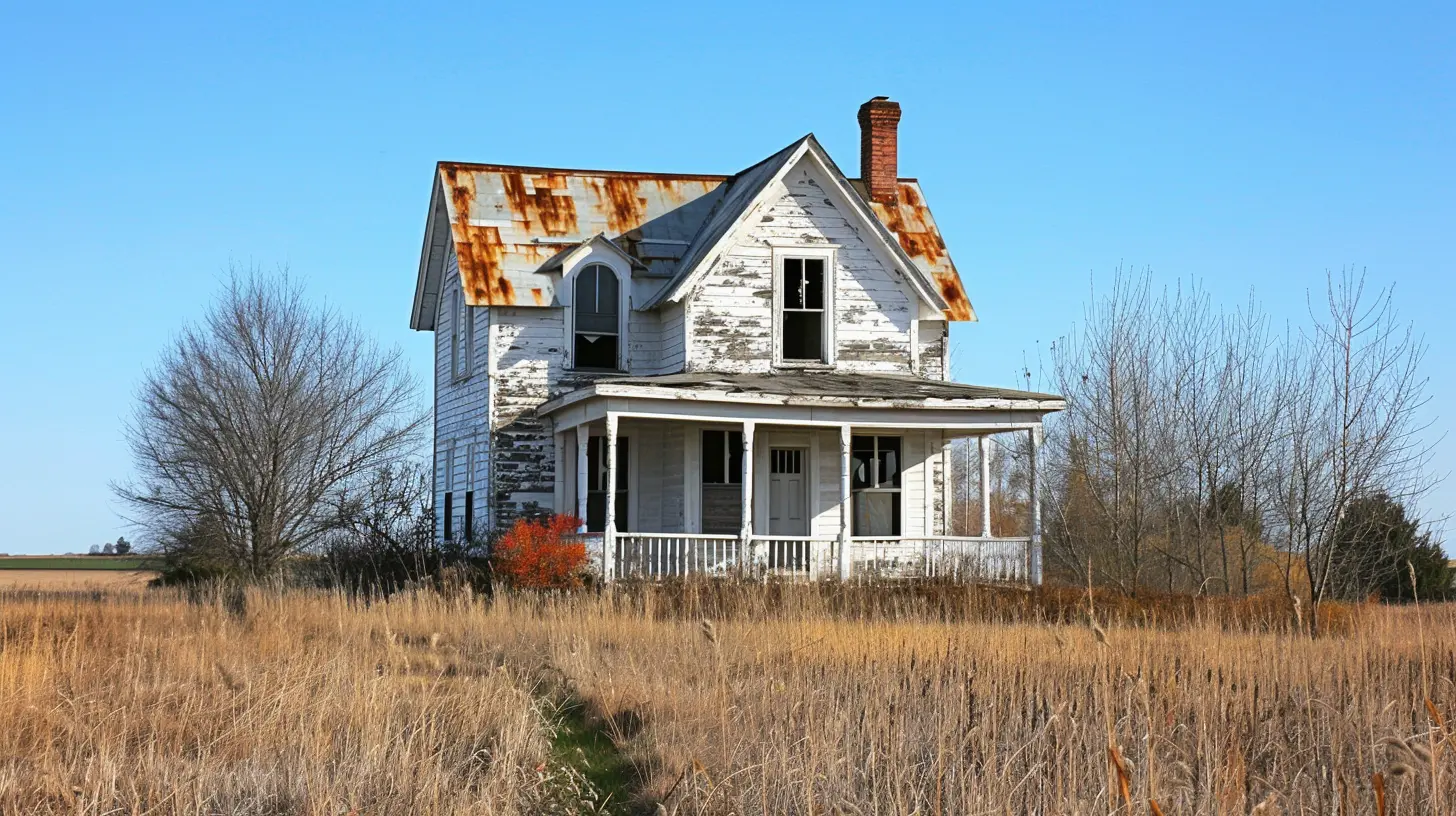
How to Find the Right Foreclosed Property
Finding a good deal on a foreclosed home requires patience and the right approach. Here are a few key steps:1. Check Foreclosure Listings
Banks and government agencies maintain foreclosure listings on their websites. Real estate platforms like Zillow, Realtor.com, and Foreclosure.com are excellent places to start your search.2. Work with a Real Estate Agent Specializing in Foreclosures
A knowledgeable agent can alert you to good deals before they hit the market. They can also help you navigate the often-complicated process of buying a foreclosed property.3. Attend Foreclosure Auctions
Public auctions are a hot spot for foreclosures. However, be cautious—these sales often require cash payments and can be highly competitive. Make sure you research the property ahead of time.4. Look for Pre-Foreclosures
Homeowners facing foreclosure may be willing to sell before their property gets repossessed. You can negotiate directly with them, potentially landing a better deal.
Key Considerations Before Purchasing
Buying a foreclosed home isn't as simple as throwing down an offer. You need to do your homework to avoid costly surprises.1. Get a Property Inspection (If Possible)
Unlike traditional home sales, foreclosed properties are often sold “as-is,” and that means no repairs by the seller. If possible, get a professional inspection to identify potential red flags such as structural damage, plumbing issues, or mold infestations.2. Assess the Neighborhood
A great deal in a terrible location isn’t really a great deal. Drive around the neighborhood, check crime rates, and evaluate nearby amenities. Even the best renovation won’t yield high returns if the area isn’t desirable.3. Calculate the Total Investment
Beyond the purchase price, factor in renovation costs, property taxes, insurance, and potential holding expenses. The goal is to ensure that, after all expenses, your profit margins remain attractive.4. Ensure a Clear Title
Foreclosed properties sometimes come with legal or financial complications. A title search will confirm that there are no hidden liens or ownership disputes that could create headaches down the road.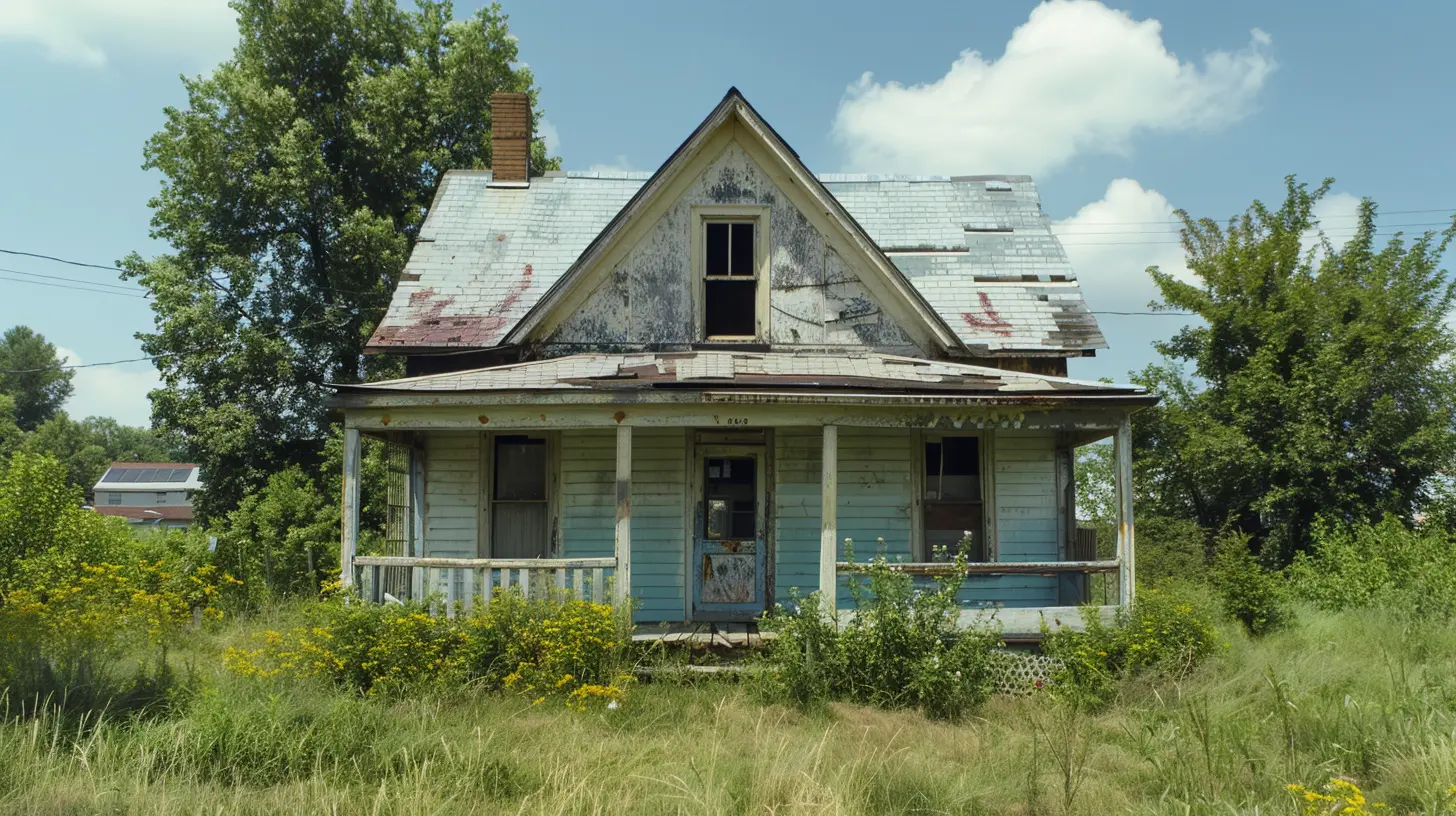
Smart Renovation Strategies for Maximum Profit
Once you’ve secured a foreclosed home, it’s time to transform it into a moneymaker. But where should you focus your renovation budget?1. Prioritize Structural and Safety Repairs
Fix major issues first—like roofing, plumbing, and electrical systems. These are non-negotiables, and lenders often require repairs before approving a mortgage for future buyers.2. Update Kitchens and Bathrooms
Buyers and renters love modern kitchens and bathrooms. Upgrading countertops, cabinets, flooring, and fixtures can significantly increase home value.3. Boost Curb Appeal for a Strong First Impression
A fresh coat of paint, well-maintained landscaping, and a welcoming front door can make a world of difference. You want potential buyers or tenants to fall in love at first sight.4. Keep Renovations Cost-Effective
Avoid over-improving—installing luxury finishes in a modest neighborhood won’t necessarily yield high returns. Always compare your renovation budget with the potential selling price.Renting vs. Flipping: Which Strategy Works Best?
Once your foreclosure transformation is complete, it's time to decide: should you rent or sell? Each option has its own set of benefits.1. Flipping: A Quick Profit Strategy
If you’re looking for fast returns, flipping might be the way to go. Buy low, renovate efficiently, and sell at a higher price. This works best in a strong housing market with high demand.2. Renting: A Long-Term Wealth Strategy
If passive income is your goal, consider renting. A good rental property can provide steady cash flow and long-term appreciation. This is particularly beneficial in areas with high rental demand.3. Best of Both Worlds: BRRRR Strategy
Ever heard of the BRRRR method? It stands for Buy, Rehab, Rent, Refinance, Repeat. It's a great way to build a real estate portfolio while recycling your investment capital.Avoiding Common Pitfalls
Investing in foreclosed homes comes with risks. Here’s what to watch out for:1. Underestimating Repair Costs
A cheap home can quickly become expensive if you miscalculate renovation expenses. Always overestimate your budget to account for potential surprises.2. Skipping Due Diligence
Research is your best friend. From title searches to property inspections, skipping these steps can lead to costly mistakes.3. Ignoring Market Trends
Markets fluctuate—buying in a declining market could leave you stuck with a property that won't yield strong returns. Stay updated on local real estate trends before making a move.4. Getting Too Emotionally Attached
This is an investment, not your dream home. Make decisions based on numbers and potential returns, not personal preferences.Wrapping It Up
Turning a foreclosed home into a profitable investment can be incredibly rewarding, but it requires careful planning and smart execution. From finding the right property to making calculated renovations, every step matters. Whether you plan to flip it for quick cash or rent it out for steady income, understanding the ins and outs of foreclosure investments will set you up for success.Remember, real estate investing isn’t about luck—it’s about strategy. The more informed you are, the better your chances of turning a distressed property into a golden opportunity.
all images in this post were generated using AI tools
Category:
ForeclosuresAuthor:

Travis Lozano
Discussion
rate this article
2 comments
Mia Wilson
Strategic renovations yield profits.
April 4, 2026 at 2:37 AM
Travis Lozano
Absolutely! Strategic renovations can enhance property value and attract buyers, maximizing your return on investment.
Sloan Kelly
Patience yields profitable rewards.
March 24, 2026 at 5:28 AM
Travis Lozano
Absolutely! Patience is key in real estate—waiting for the right moment can significantly boost your investment's value.