Tips for Requesting a Zoning Change to Benefit Your Property
17 May 2026
Zoning laws can make or break your property dreams. Whether you're hoping to convert a single-family home into a duplex, open a business, or find a more profitable use for your land, changing the zoning can be the key. But let's be real—getting a zoning change approved isn’t a walk in the park.
Local governments don’t just hand out approvals without careful consideration. They need to weigh how your request will impact the surrounding area, infrastructure, and community. But don’t worry! With the right approach, strategy, and persistence, you can increase your chances of success.
Here’s a straightforward guide to help you navigate the zoning change process and come out on top. 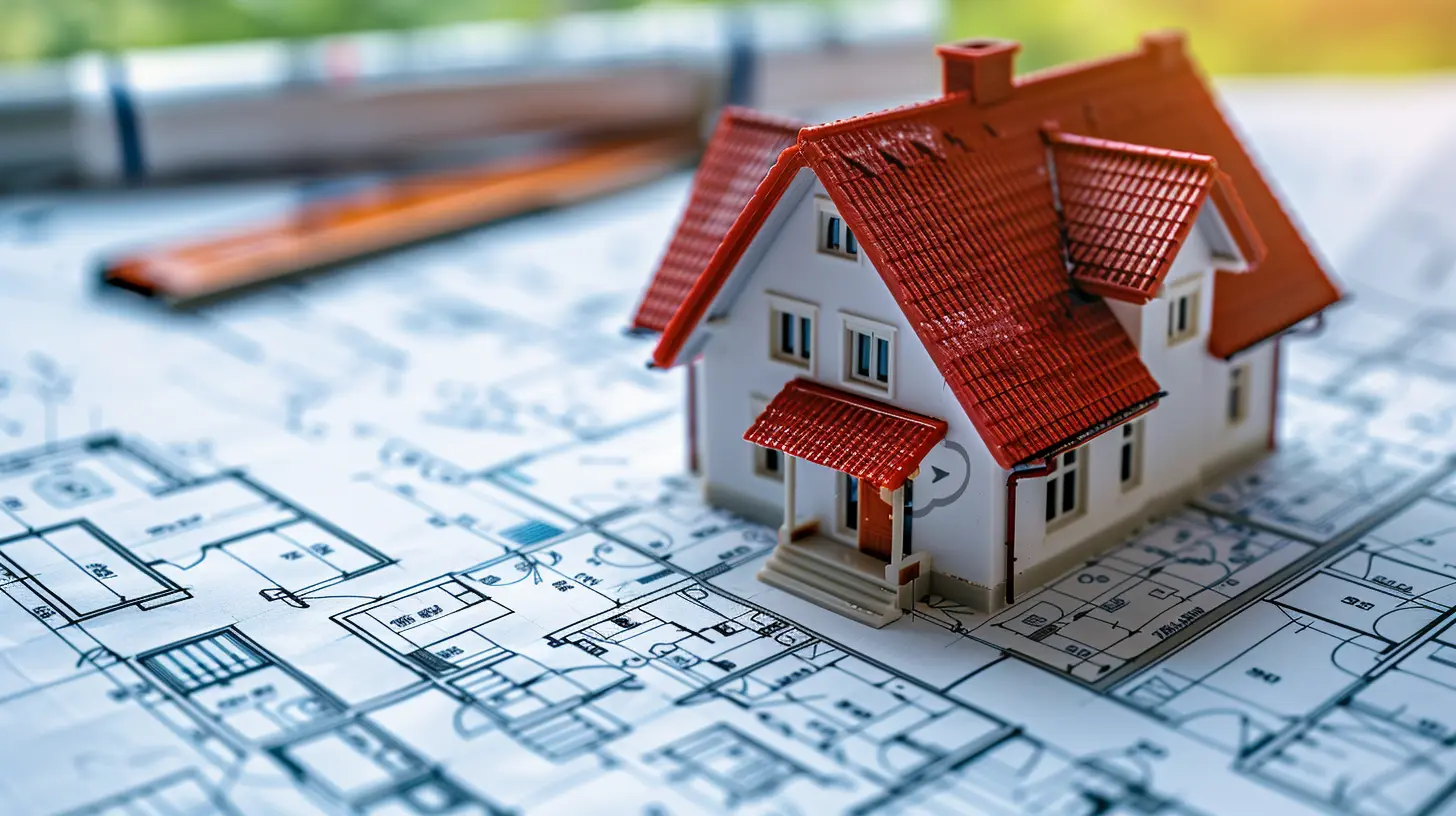
Understanding Zoning and Why It Matters
Before you start, it's important to know exactly what zoning is and why it exists.What Is Zoning?
Zoning is how local governments regulate land use. They categorize properties into different zones, such as:- Residential (single-family homes, apartments)
- Commercial (retail stores, offices)
- Industrial (factories, warehouses)
- Mixed-Use (a combination of residential and commercial)
Each zone has its own set of rules about what you can and can’t do with your property.
Why Do Zoning Laws Exist?
Zoning laws are in place to:- Prevent land-use conflicts (nobody wants a factory next to their peaceful suburban home).
- Promote organized city growth.
- Ensure public safety and access to essential services.
If your property's current zoning doesn’t align with your goals, you’ll need to request a zoning change. 
Steps to Request a Zoning Change
Requesting a zoning change isn’t as simple as filling out a form and hoping for the best. You need a game plan.1. Research Local Zoning Laws
Start by digging into the zoning rules in your area. Visit your local zoning office or check their website. You need to find out:- Your property's current zoning classification.
- What uses are allowed under that classification.
- The zoning classification you’d like to change to.
Look for zoning maps and land use plans to see if your request fits into the city's future vision.
2. Check for Similar Precedents
If other properties in your area have successfully changed zoning to what you’re requesting, it strengthens your case. Look for past zoning change approvals and note why they were granted.3. Talk to Your Neighbors
Local governments care about how a zoning change will affect the surrounding community. If your neighbors are against it, you’ll face an uphill battle.Before submitting your request, connect with nearby property owners. Explain your plans and address their concerns. Having community support can go a long way in getting your request approved.
4. Meet with Zoning Officials
Before making things official, schedule a meeting with the zoning department. They can offer insights on whether your request is realistic and what obstacles you might face.Zoning officials can also guide you on how to frame your request in a way that aligns with the city’s development goals.
5. Prepare a Strong Application
When you’re ready to submit your request, make sure your application is thorough. It should include:- A clear reason for the change – Explain why the zoning adjustment is necessary and beneficial.
- Supporting data – If you have demographic data, economic studies, or impact analyses that strengthen your case, include them.
- A site plan – Show how the property will be used if the zoning change is approved.
- Letters of support – If neighbors, business associations, or community leaders support the change, get their endorsements in writing.
6. Attend Public Hearings
Most zoning changes require a public hearing where officials and community members voice their opinions. Expect to answer questions and defend your request.Some tips for the hearing:
- Keep it short and persuasive – Get to the point and explain how the change benefits the community.
- Show how it aligns with local development goals – If the city has a vision for economic growth, explain how your zoning change contributes to that.
- Address concerns head-on – If opponents raise concerns, acknowledge them and offer solutions.
7. Be Ready to Make Compromises
You may not get everything you ask for, and that’s okay. Officials might approve a modified version of your request. Be willing to negotiate so that you still come away with a beneficial outcome.
Common Challenges and How to Overcome Them
Even with solid preparation, zoning changes can hit roadblocks. Here are some common challenges and how to tackle them:Community Opposition
If neighbors or local groups push back, try these approaches:- Host community meetings to address their concerns.
- Show how the zoning change benefits the area (economic growth, jobs, increased property values).
- Offer compromises, like limiting certain activities or adding buffers between properties.
Bureaucratic Delays
Government processes can be slow. To keep things moving:- Regularly check in with zoning officials on your application status.
- Follow up on required documents to avoid unnecessary delays.
- Be patient but persistent—don’t let your request sit in limbo.
Conflicts with City Plans
If your request conflicts with the city’s land-use plans, try adapting your proposal to better fit the city’s vision. Sometimes a slight adjustment can make all the difference.
Benefits of a Zoning Change
If you're wondering whether all this effort is worth it, here are some key benefits of getting a zoning change approved:Increased Property Value
A zoning change can make your property more valuable. For example, converting a residential lot to commercial can significantly boost its price.More Flexibility
You’ll have more options for how you use or develop the property. That could mean turning a single-family home into rental units or opening a profitable business.Potential for Higher Income
If rezoning allows you to build additional units or switch to commercial use, you might see a substantial increase in rental income or resale value.Aligning with Future Growth
If your area is expanding, rezoning could put your property in a prime position for future development.Final Thoughts
Requesting a zoning change takes time, effort, and strategy. But if you do your homework, build community support, and present a strong case, it’s possible to get an approval that benefits your property and your financial future.Remember, zoning laws aren’t set in stone. They change as cities grow and evolve. If your request makes sense and adds value to the community, you have a fighting chance.
So, go ahead—take the first step toward unlocking your property's full potential!
all images in this post were generated using AI tools
Category:
Zoning RegulationsAuthor:

Travis Lozano
Discussion
rate this article
2 comments
Vanya McKale
Great insights in this article! Understanding the zoning change process is crucial for property owners. These tips will definitely help navigate the complexities involved. Thank you!
August 7, 2026 at 3:24 AM
Sophia Jackson
Great tips for anyone looking to navigate the zoning change process. Your insights make it easier to understand the steps involved and how to maximize property potential. Thanks for sharing!
May 18, 2026 at 3:04 AM
Travis Lozano
Thanks for the feedback! I'm glad you found the tips helpful. Happy zoning!