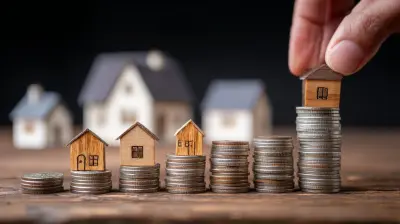
Tips for Buying a Home Before Prices Surge Again in 2026
25 April 2026
So, you’ve been scrolling through Zillow at 2 a.m. again, haven’t you? Don’t worry—we’ve all been there. You see a cute three-bedroom with a white picket fence, your heart flutters, and then you check the price. Ouch. Then you check the forecast for 2026, and suddenly you’re sweating like you just ran a marathon in a wool sweater.
Let’s be real: the housing market has been a roller coaster that forgot to stop for bathroom breaks. Prices have bounced around like a hyperactive kangaroo on espresso. But here’s the thing—experts are whispering (okay, shouting) that another surge is coming in 2026. Not a gentle wave, but a full-on tidal wave of price hikes. If you wait too long, you might be buying a shoebox with a view of a dumpster for the price of a mansion.
But don’t panic. I’ve got your back. In this guide, I’m going to share some playful, practical, and painfully honest tips for buying a home before prices surge again in 2026. Think of me as your real-estate-savvy friend who shows up with pizza and a spreadsheet. Ready? Let’s dive in—before the tide rises.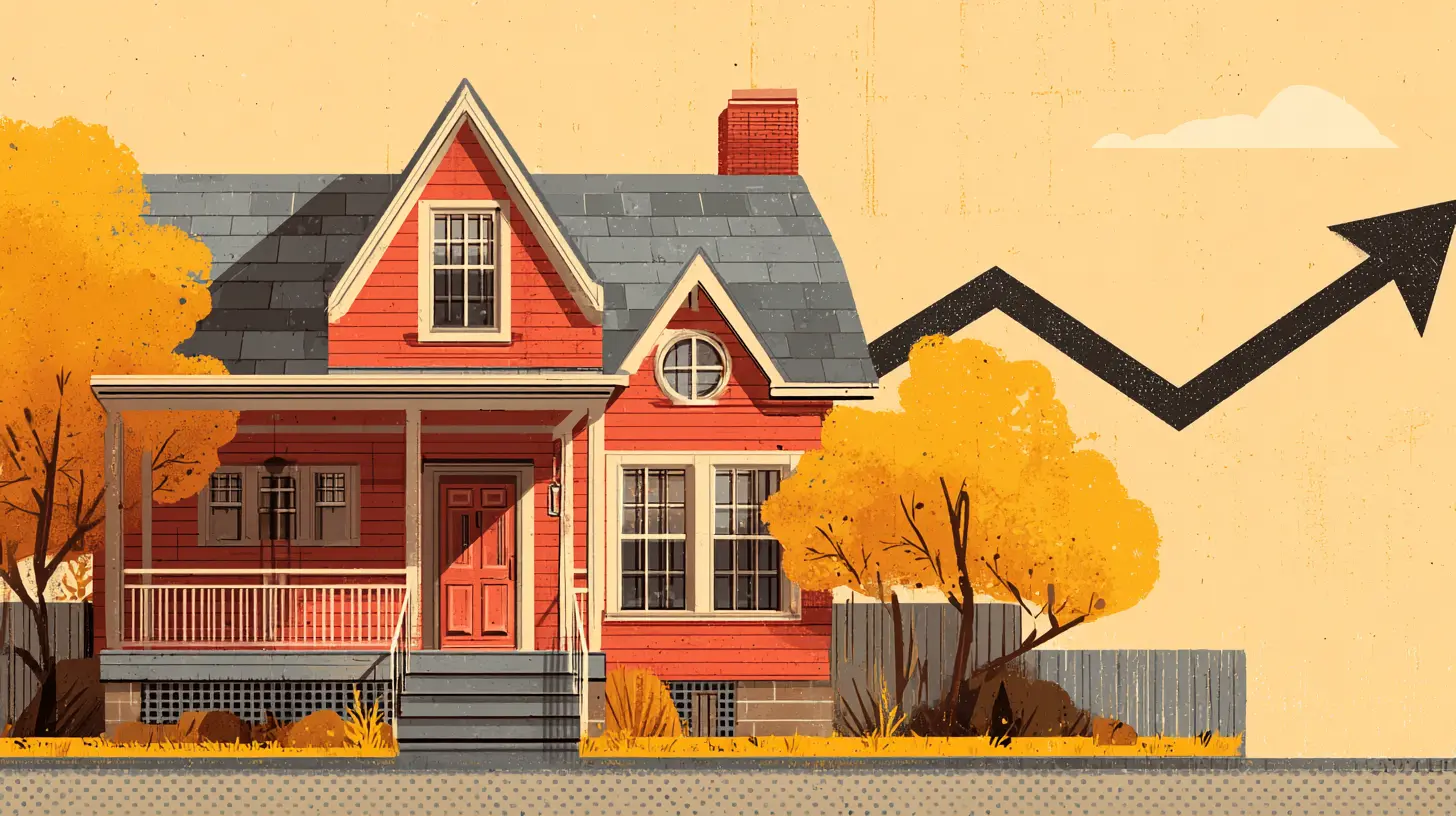
Why 2026 Is the Year of the Housing Tsunami (And You Need a Surfboard Now)
First, let’s talk about why 2026 is the big, scary number on everyone’s calendar. It’s not because of some ancient Mayan prophecy or a real-estate apocalypse. It’s simpler: supply and demand, baby.Right now, we’re in a weird limbo. Interest rates are high enough to make you wince, but they’re expected to drop slightly by 2025–2026. When rates dip, what happens? Everyone and their uncle rushes to buy. More buyers + limited inventory = prices skyrocket like a SpaceX rocket.
Add in inflation, a shortage of new construction, and the fact that Millennials (the largest generation) are finally ready to settle down, and you’ve got a recipe for chaos. If you wait until 2026 to start looking, you’ll be fighting a crowd of hungry buyers—and the seller will smell your desperation like a shark smells blood.
So, what’s the move? Buy now, or at least lock in your strategy before the surge. Let’s break it down.
Tip 1: Ditch the “Perfect Home” Fantasy (Your Dream House Is a Unicorn)
I know, I know. You’ve been pinning dream kitchens on Pinterest since 2019. You want hardwood floors, a walk-in closet bigger than your first apartment, and a backyard where your dog can run like a majestic gazelle. But here’s the hard truth: perfect homes don’t exist. They’re like unicorns—beautiful, mythical, and never seen in real life.If you wait for the “perfect” home, you’ll be waiting until 2030, and by then, prices will have doubled. Instead, aim for a good enough home. Think of it like dating: you don’t marry the first person who makes your heart sing, but you also don’t hold out for a fictional soulmate. You find someone who’s kind, funny, and doesn’t leave dirty socks on the floor. Same with houses.
Action step: Make a list of your non-negotiables (e.g., safe neighborhood, good schools, working plumbing) and a list of nice-to-haves (e.g., granite countertops, a pool). Focus on the non-negotiables. You can always upgrade the kitchen later, but you can’t move the house to a better location.
Tip 2: Get Pre-Approved Before You Start Window Shopping
Here’s a mistake I see all the time: people fall in love with a house, then apply for a mortgage. Big mistake. Huge. It’s like trying to buy a Ferrari with a piggy bank.Getting pre-approved for a mortgage is like bringing a VIP pass to a concert. It tells sellers you’re serious, you’ve got the cash (or at least the loan), and you’re not going to flake out. In a market where inventory is tight and prices are about to surge, pre-approval is your golden ticket.
Pro tip: Shop around for lenders. Don’t just go with the first bank you see. Compare rates, fees, and terms. A difference of 0.5% on your interest rate could save you thousands over the life of the loan. And if you’re feeling extra savvy, consider a local credit union—they often have lower rates and less bureaucracy.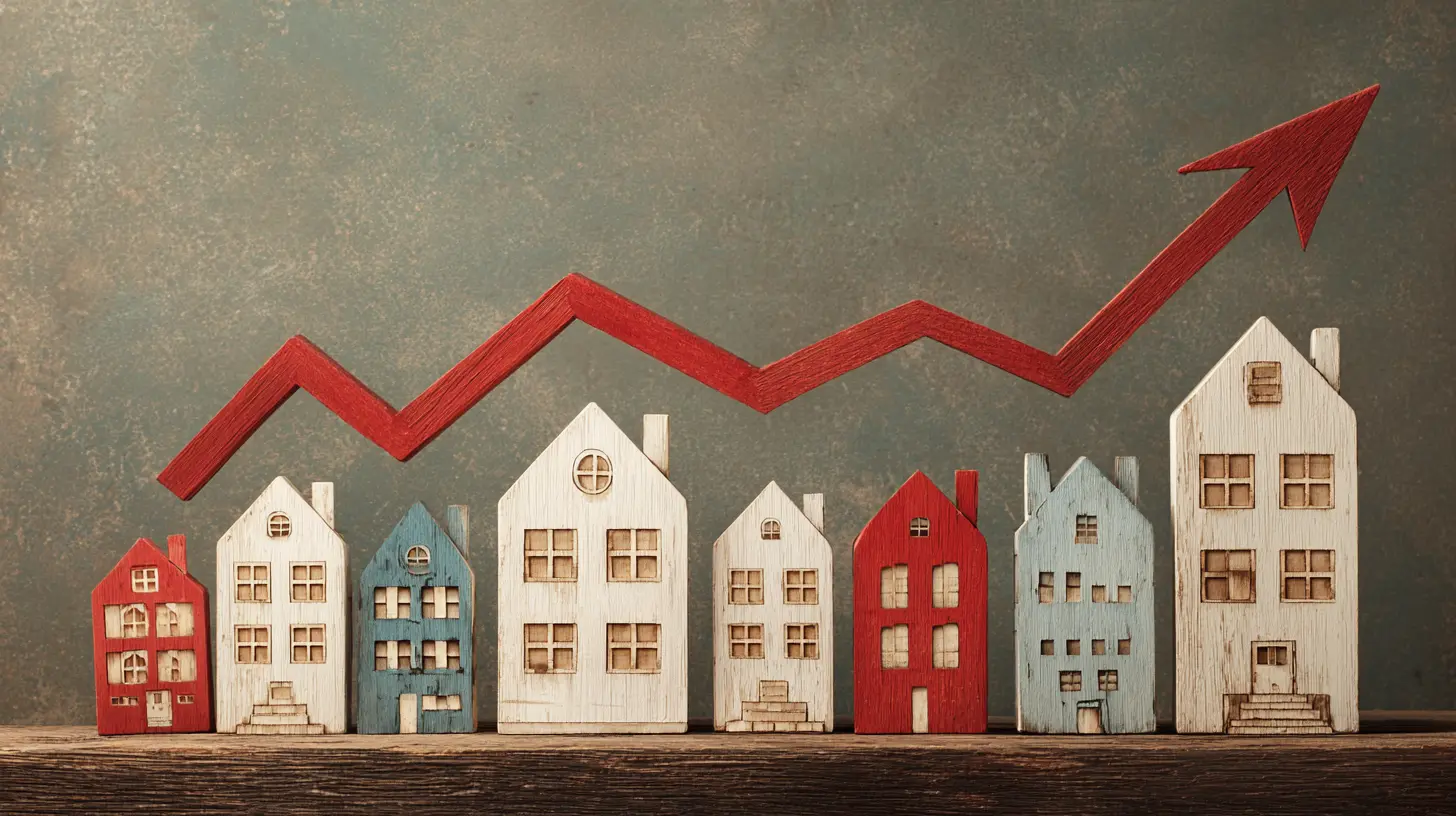
Tip 3: Expand Your Search Radius (Yes, Even to That “Boring” Suburb)
I get it. You want to live in the hip downtown area with coffee shops and craft breweries. But here’s the thing: everyone else wants that too. And they’re willing to pay a premium for it.If you’re serious about buying before prices surge, you need to think like a real estate investor. Look at neighborhoods that are up-and-coming—places that are a little rough around the edges but have good bones. Maybe it’s a suburb that’s 20 minutes from downtown, or a neighborhood that’s getting a new light rail line.
Metaphor time: Buying a house is like buying a stock. You don’t buy when it’s already peaked; you buy when it’s undervalued and about to take off. So, be the person who buys in the “boring” neighborhood before it becomes the next hotspot. In five years, you’ll look like a genius.
Action step: Use Google Maps to find areas with new schools, parks, or commercial developments. Talk to a local realtor who knows the hidden gems. And don’t be afraid to drive around on a Saturday—you might discover a charming street you never knew existed.
Tip 4: Negotiate Like Your Future Self Depends on It (Because It Does)
Negotiating a home purchase is a lot like haggling at a flea market—except the stakes are higher, and you can’t just walk away if the seller is stubborn. But here’s the secret: sellers are often more flexible than they appear, especially if the house has been sitting on the market for a while.Don’t be afraid to make an offer below asking price. Even if you love the house, keep your poker face on. Point out any flaws: the cracked driveway, the outdated bathroom, the weird smell in the basement. Sellers know their house isn’t perfect, and they’re often willing to come down a bit.
Humorous aside: Think of it like buying a used car. You wouldn’t pay sticker price for a Honda Civic with a dent, right? Same logic applies to houses. Just don’t be a jerk about it—be polite, firm, and ready to walk away if the deal isn’t right.
Pro tip: Ask for seller concessions, like covering closing costs or throwing in the appliances. In a market that’s about to surge, every dollar saved is a dollar you can put toward your future renovation or emergency fund.
Tip 5: Don’t Let Interest Rates Scare You (They’re Just Numbers)
I know, I know—current interest rates are higher than a giraffe’s eyeballs. But here’s a secret: you can always refinance later. Buying a home now, even with a high rate, locks in the price. If rates drop in 2027 or 2028, you can refinance and lower your monthly payment. But if you wait for rates to drop, you’ll face higher prices and more competition.Think of it like this: buying a house is like buying a car. You don’t wait for the perfect moment to buy a car—you buy it when you need it, and you pay the price. Same with homes. The difference is that a house appreciates over time, while a car depreciates faster than a celebrity scandal.
Action step: Calculate your monthly payment at the current rate. If you can afford it, go for it. If not, look for a smaller house or a fixer-upper. Remember, you’re not marrying the mortgage—you’re just dating it until you refinance.
Tip 6: Buy a Fixer-Upper (And Channel Your Inner Chip Gaines)
Let’s be honest: not everyone has the budget for a turnkey home. But that doesn’t mean you’re out of luck. Fixer-uppers are like the ugly ducklings of the real estate world—they’re often overlooked, but with a little love (and a lot of sweat equity), they can become swans.Buying a fixer-upper before the 2026 surge is a smart move because you’re paying for the bones, not the cosmetics. You can negotiate a lower price, then renovate over time. Plus, you get to customize everything to your taste. Want a purple kitchen? Go for it. (Okay, maybe not purple, but you get the idea.)
Warning: Don’t buy a house that’s literally falling apart unless you have a contractor in the family. Look for cosmetic fixes: old carpet, outdated paint, ugly light fixtures. Avoid structural issues like foundation cracks or roof leaks unless you’re a masochist with a big budget.
Humorous analogy: A fixer-upper is like adopting a rescue dog. It might have some quirks, but with patience and training, it’ll be the best decision you ever made.
Tip 7: Use a Real Estate Agent Who’s a Ninja (Not a Salesperson)
Some people think they can save money by buying a house without an agent. Bad idea. Real estate agents are like ninjas—they know the market, they have connections, and they can sniff out a good deal from a mile away.A good agent will help you navigate the paperwork, negotiate with sellers, and avoid costly mistakes. They’ll also know about houses before they hit the market, which is crucial when prices are about to surge.
How to find a ninja agent: Ask friends for recommendations. Interview at least three agents. Look for someone who’s responsive, knowledgeable, and doesn’t pressure you into a bad deal. If they promise you the moon on a stick, run the other way.
Tip 8: Save Like a Squirrel on Steroids (But Be Smart About It)
Let’s talk money. You need a down payment, closing costs, and an emergency fund for repairs. That’s a lot of cash. But don’t panic—you don’t need 20% down. There are loan programs (like FHA loans) that allow as little as 3.5% down.Action step: Automate your savings. Set up a separate account for your down payment and transfer money every paycheck. Cut unnecessary expenses—like that premium coffee subscription or the gym membership you never use. (You can always go back to being a gym person later.)
Humorous metaphor: Saving for a house is like preparing for a marathon. It’s painful, it’s boring, but the finish line is worth it. And unlike a marathon, you don’t have to run 26 miles—just save consistently.
Tip 9: Be Ready to Move Fast (Like a Cheetah on Red Bull)
In a market where prices are about to surge, hesitation is your enemy. When you find a house that fits your non-negotiables, don’t sleep on it. Make an offer within 24 hours. If you wait, someone else will snatch it up.Pro tip: Have your pre-approval letter, proof of funds, and a list of comparable sales ready. Work with your agent to craft a strong offer that’s not too low (you don’t want to offend the seller) but not too high (you don’t want to overpay).
Rhetorical question: Would you rather lose a house you loved because you hesitated, or buy a house you like now and build equity before the surge? Exactly.
Tip 10: Keep Your Eye on the Prize (And Ignore the Noise)
The housing market is noisy. There are doom-and-gloom articles, optimistic predictions, and endless debates about interest rates. It’s easy to get overwhelmed. But here’s the truth: no one can predict the future. Not me, not your uncle, not that guy on YouTube with the fancy charts.The best time to buy a home is when you’re ready—financially, emotionally, and logistically. If you wait for the “perfect” moment, you’ll be waiting forever. So, focus on your goals. Do you want a place to call your own? A stable investment? A backyard for your dog? Then go for it.
Final thought: Buying a home before prices surge in 2026 isn’t about being perfect—it’s about being prepared. It’s about making a smart, calculated move that sets you up for long-term success. And if you mess up? That’s okay. You’ll learn, you’ll adapt, and you’ll eventually find your home.
Now, go forth and conquer the housing market. And if you see a house with a purple kitchen, send me a photo.
all images in this post were generated using AI tools
Category:
Rising Home PricesAuthor:

Travis Lozano
Discussion
rate this article
2 comments
Kendra Forbes
As market trends indicate increasing prices, timing your purchase wisely can significantly impact your investment. Research neighborhoods thoroughly to ensure lasting value.
June 9, 2026 at 12:24 PM
Travis Lozano
Absolutely, smart timing and thorough research can make all the difference. It's crucial to stay ahead of market shifts.
Gunner Bailey
Timing the market is risky; instead, buy what you can afford now, building equity before the next surge.
April 30, 2026 at 4:23 AM
Travis Lozano
That's a smart approach. Building equity now can really pay off in the long run.