The Strength of Carbon Fiber in the Future of Building Materials
10 August 2026
For decades, the construction industry has relied on materials like concrete, steel, and wood to build the world around us. But what if there was a stronger, lighter, and more durable alternative? Enter carbon fiber, a game-changing material that's set to redefine the way we build. With its incredible strength-to-weight ratio, corrosion resistance, and versatility, carbon fiber could be the future of building materials. But how does it stack up against traditional options? And is it truly the future of construction? Let’s dive in.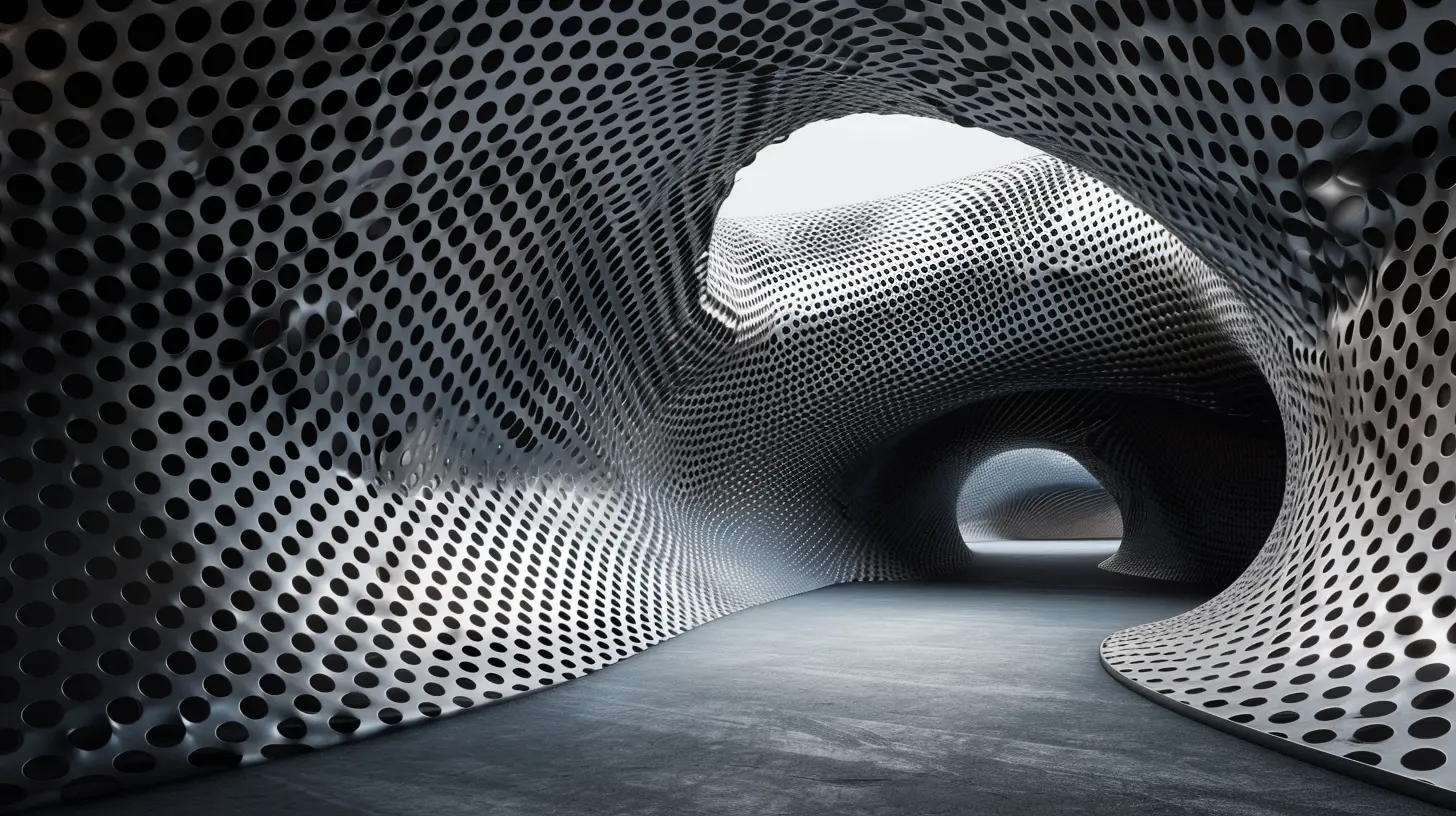
What Is Carbon Fiber?
Before we jump into its applications in construction, let's get a quick understanding of what carbon fiber actually is.Carbon fiber is a lightweight, high-strength material made from thin strands of carbon atoms. These fibers are woven together and then set in resin, creating a composite material that is five times stronger than steel but only a fraction of the weight. This unique composition gives it unmatched strength, durability, and resistance to environmental damage—qualities that are highly valuable in construction.
Why Hasn't Carbon Fiber Been Heavily Used in Construction Yet?
Despite its impressive properties, carbon fiber is still not a go-to material in large-scale construction. The main reason? Cost. Producing carbon fiber is expensive, which makes it less accessible for widespread applications. However, as production techniques improve and demand increases, the cost is expected to drop significantly—potentially making carbon fiber a viable alternative to steel and concrete.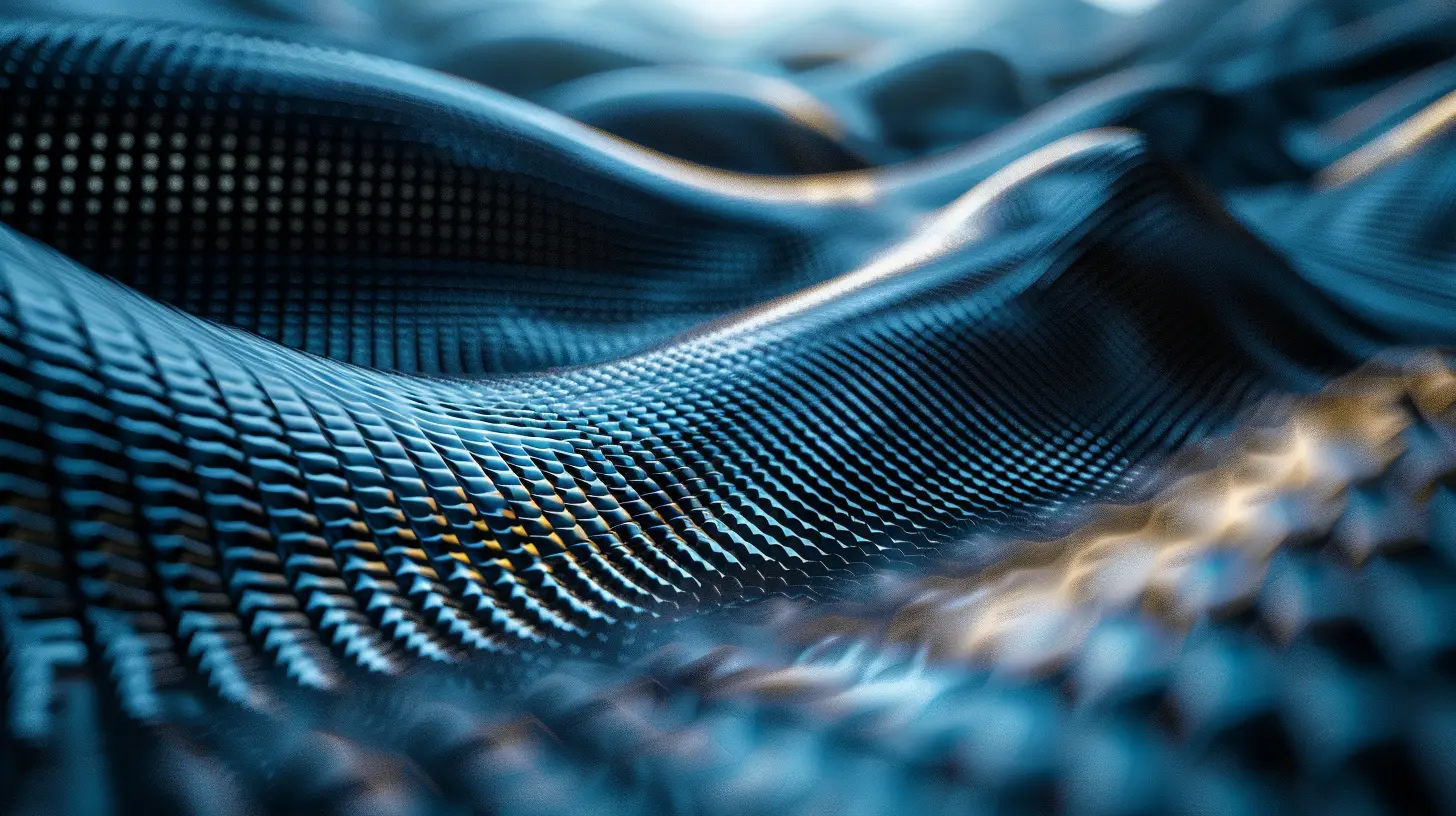
The Strength of Carbon Fiber: Why It’s A Game-Changer in Construction
1. Lightweight Yet Stronger Than Steel
One of carbon fiber’s biggest advantages is its incredible strength-to-weight ratio. It’s up to five times stronger than steel while weighing significantly less. Imagine building skyscrapers, bridges, or homes with a material that’s sturdy yet lightweight—this could drastically reduce the amount of material needed, making construction projects more efficient and cost-effective in the long run.2. Corrosion and Weather Resistance
Unlike steel, which can corrode over time due to exposure to moisture and air, carbon fiber is corrosion-resistant. This means structures built with it could last much longer with minimal maintenance. No more rust-covered bridges or deteriorating concrete buildings—carbon fiber could completely change the way we approach long-term infrastructure.3. Flexibility in Design
Carbon fiber isn’t just strong and durable; it’s also incredibly flexible. This allows architects and engineers to design with fewer structural limitations. Want to create sleek, curved futuristic buildings? Carbon fiber makes it possible. Unlike rigid materials like steel or concrete, it can be molded into almost any shape, making it perfect for innovative architectural designs.4. Energy Efficiency in Construction
Since carbon fiber is lightweight, it reduces the overall structural weight of a building, meaning less material is needed for foundational support. This could lead to lower energy consumption during construction and even reduce the carbon footprint of large-scale projects. Plus, because carbon fiber has thermal insulating properties, buildings made with it could be more energy-efficient, reducing heating and cooling costs.5. Earthquake and Disaster Resilience
Another massive benefit? Seismic resilience. Carbon fiber’s flexibility and strength make it an excellent candidate for earthquake-resistant buildings. Unlike rigid materials that crack or collapse under extreme stress, carbon fiber can absorb and dissipate energy, making structures more resistant to natural disasters.
Challenges and Limitations of Carbon Fiber in Construction
While carbon fiber presents a promising future for construction, it’s not without its challenges.1. High Production Costs
As mentioned earlier, one of the biggest roadblocks to mass adoption is its price. Producing carbon fiber requires high-tech processes and expensive raw materials, making it much costlier than steel or concrete. However, as advances in manufacturing continue, we could see a significant drop in costs, making it more accessible.2. Recycling and Environmental Concerns
While carbon fiber is incredibly durable, it’s not the easiest material to recycle. Current recycling methods are expensive and not widely adopted, raising concerns about its long-term sustainability. Researchers are, however, finding ways to develop recyclable carbon fiber, which could solve this issue in the future.3. Limited Adoption in Construction
At the moment, carbon fiber is primarily used in industries like aerospace, automotive, and sports equipment. The construction industry has been slow to shift due to cost concerns and resistance to change. But as demand grows and more success stories emerge, its adoption in construction could skyrocket.
How Carbon Fiber Could Shape The Future of Infrastructure
With all its advantages, how exactly could carbon fiber revolutionize the construction industry in the coming years?1. Carbon Fiber Bridges and Roads
Imagine roads and bridges that don’t crack or erode over time. Carbon fiber’s strength and corrosion resistance could lead to longer-lasting infrastructure, reducing the frequency and cost of repairs. Countries like Japan and Germany are already experimenting with carbon fiber bridges, and the results are promising.2. Ultra-Light and Strong Skyscrapers
As cities expand and space becomes scarce, high-rise buildings are becoming taller and taller. Using carbon fiber in skyscraper construction could reduce structural weight while increasing strength, allowing for taller, more innovative designs that are also earthquake-resistant.3. Sustainable and Energy-Efficient Homes
For residential construction, carbon fiber could mean lighter, more energy-efficient homes with superior thermal insulation. This could lead to lower energy consumption and even pave the way for self-sustaining, green-smart homes.4. Revolutionizing Prefabricated Construction
Since carbon fiber is lightweight and can be pre-molded into various shapes, it’s a perfect fit for prefabricated construction. This means we could see faster, more efficient building processes—possibly reducing labor costs and construction timelines dramatically.Final Thoughts: Is Carbon Fiber the Future of Building Materials?
While carbon fiber isn’t ready to fully replace traditional materials just yet, its advantages are undeniable. As costs decrease and production becomes more efficient, we could see a shift in how buildings are designed and constructed.The future of construction may not solely rely on bricks and steel anymore. Instead, we could be looking at a world where structures are lighter, stronger, and more durable than ever before—all thanks to carbon fiber.
The big question now is: Will the construction industry embrace the change, or will we cling to traditional materials for a little longer? Only time will tell.
all images in this post were generated using AI tools
Category:
Building MaterialsAuthor:

Travis Lozano
Discussion
rate this article
1 comments
Elle McGee
Carbon fiber in construction? Finally, homes that can survive a toddler's epic tantrum. Just imagine, instead of a solid wall, you could have a bouncy castle... but, you know, with style. Onward to the future!
August 18, 2026 at 7:01 AM
Travis Lozano
Absolutely! Carbon fiber could revolutionize durability and flexibility in homes. Who wouldn't want stylish, resilient walls? The future of building looks bright and fun!