The Role of Zoning in Sustainable Urban Development
11 March 2026
Urban development is evolving rapidly, and at the heart of this transformation is zoning. Zoning might sound like some bureaucratic jargon, but trust me—it's one of the most powerful tools in shaping our cities. Whether you're a real estate investor, a city planner, or just someone curious about sustainable growth, understanding zoning can give you a whole new perspective on how cities function.
But what exactly is zoning? And how does it contribute to sustainable urban development? Let's break it down in plain English.
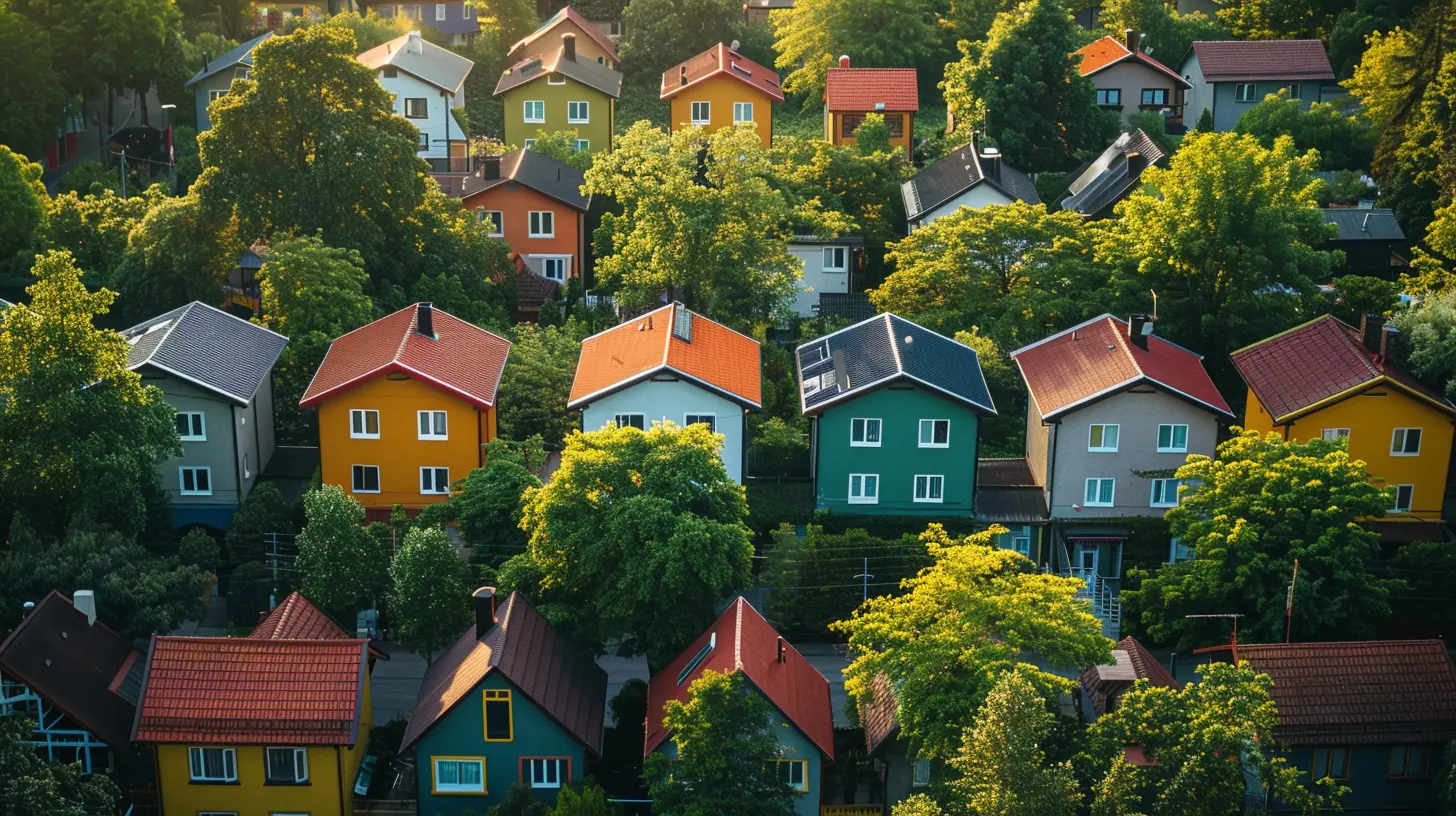
What is Zoning?
Zoning is essentially city planning 101. It dictates what can (and cannot) be built in specific areas of a city. Local governments use zoning laws to regulate land use, preventing chaotic urban sprawl while ensuring a balanced mix of residential, commercial, and industrial spaces.Think of it like a recipe for a city—you need the right ingredients (homes, businesses, parks, roads) in the correct proportions to create a thriving, sustainable urban environment.
A Brief History of Zoning
Modern zoning laws date back to the early 20th century when rapidly growing cities needed ways to prevent industrial pollution from overrunning residential neighborhoods. Over time, zoning evolved to address much more than just pollution—it became a tool for planning entire communities, ensuring accessibility, and promoting sustainability.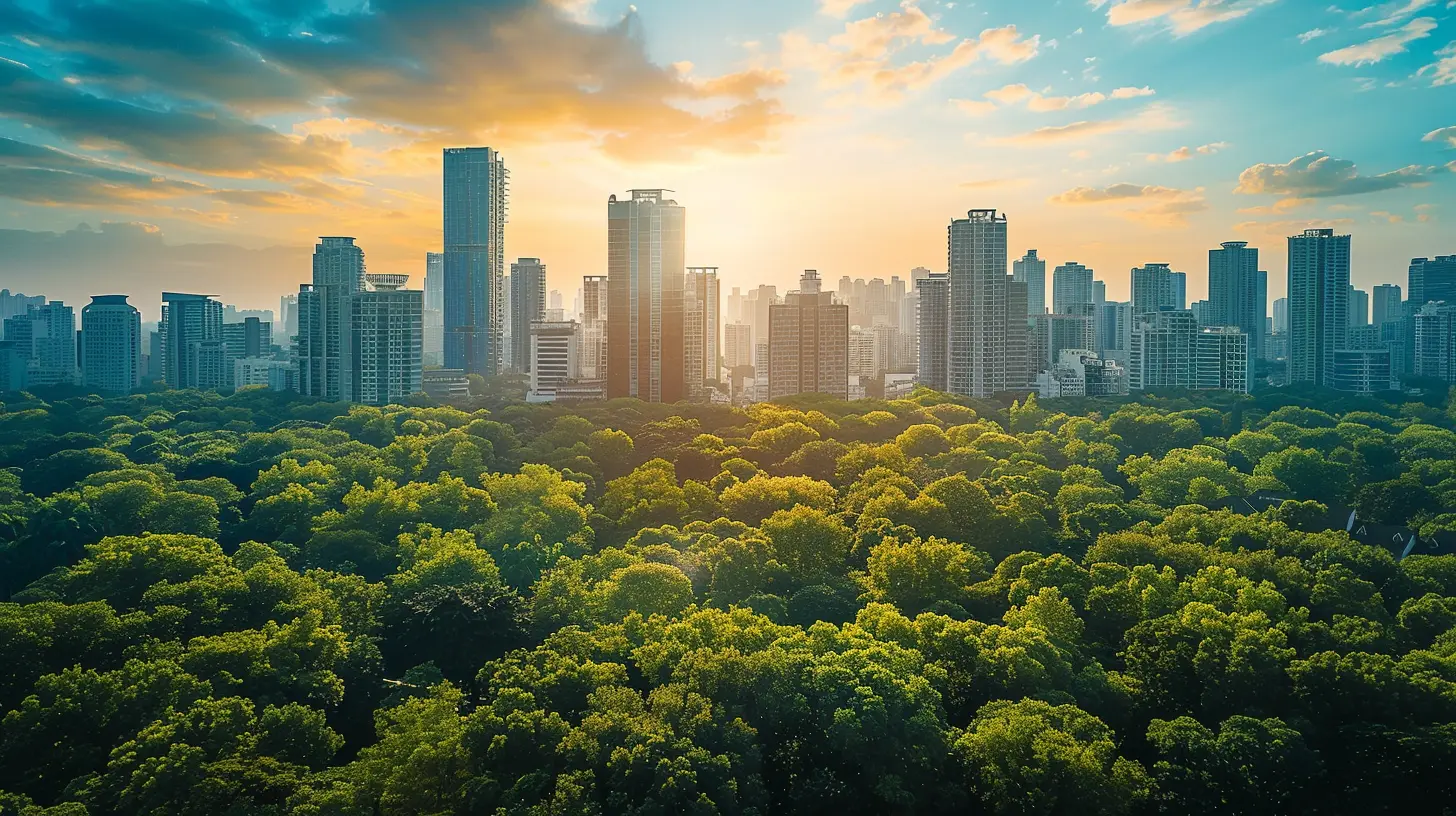
How Zoning Impacts Sustainable Urban Development
1. Prevents Urban Sprawl
Urban sprawl happens when cities expand uncontrollably, leading to longer commutes, higher infrastructure costs, and environmental damage.With proper zoning, cities can encourage high-density development in certain areas, which reduces the need for excessive road expansion and minimizes energy consumption. Walkable neighborhoods, efficient public transit, and mixed-use developments all contribute to a greener, more connected urban experience.
2. Encourages Mixed-Use Development
Traditional zoning laws often separate residential areas from commercial and office spaces. The result? People are forced to drive long distances for work, groceries, or entertainment. Not exactly eco-friendly, right?Modern zoning trends encourage mixed-use developments, where homes, businesses, and public spaces coexist. This creates walkable, vibrant communities while cutting down on car dependency—a win-win for both people and the planet.
3. Protects Green Spaces and Natural Resources
Imagine a city with no parks, no trees, and no protected areas—just concrete and traffic everywhere. Depressing, right?Zoning laws preserve green spaces by designating land for parks, nature reserves, and agricultural use. These green zones help maintain biodiversity, reduce urban heat, and improve air quality—essential aspects of sustainable living.
4. Supports Affordable Housing
Sustainable development isn’t just about the environment—it’s also about social sustainability. A well-zoned city ensures that housing remains affordable for people of all income levels.By allowing for higher-density housing and accessory dwelling units (ADUs), zoning laws can increase the availability of affordable homes while preventing displacement and gentrification.
5. Reduces Traffic and Improves Public Transit
Ever been stuck in traffic for hours, wondering if there's a better way? That’s often the result of poor zoning.Efficient zoning policies reduce congestion by promoting public transportation, bike-friendly infrastructure, and transit-oriented developments (TODs). When cities focus on creating well-connected urban hubs with easy access to trains, buses, and bike lanes, they become more sustainable and livable.

Challenges in Implementing Sustainable Zoning
While zoning has enormous potential, it’s not without challenges.1. Resistance to Change
Many people resist new zoning policies because they fear change—whether it's higher-density housing in suburban areas or the introduction of commercial spaces into residential zones. Community engagement and education are crucial in overcoming these misconceptions.2. Outdated Zoning Laws
Some cities still rely on century-old zoning codes that don’t align with modern sustainability goals. Policymakers must revise these outdated regulations to promote smart growth and eco-friendly urban planning.3. Balancing Growth and Preservation
Cities must strike a delicate balance between urban expansion and environmental conservation. Too much development can lead to habitat destruction, while excessive restrictions can stifle economic opportunities. A well-planned zoning approach ensures that both objectives are met.
The Future of Sustainable Zoning
The future of zoning is all about flexibility and innovation. Many cities are now adopting form-based codes, which prioritize urban design and sustainability over rigid land-use restrictions.Emerging trends include:
- Eco-districts – self-sufficient neighborhoods powered by renewable energy
- Smart zoning technology – AI-driven zoning tools for smarter urban planning
- Green building incentives – zoning perks for developers who prioritize sustainability
As cities continue to grow, zoning will be more critical than ever in ensuring that urban development remains sustainable, affordable, and livable.
Final Thoughts
Zoning might not be the most exciting topic at first glance, but when you dig deeper, you realize just how impactful it is. Without well-planned zoning, cities can become chaotic, inefficient, and unsustainable. But when done right, zoning creates vibrant, walkable, eco-friendly communities where people love to live and work.So, next time you see a well-planned park, a bustling mixed-use development, or an eco-friendly public transit hub, you’ll know—it’s all thanks to smart zoning!
all images in this post were generated using AI tools
Category:
Zoning RegulationsAuthor:

Travis Lozano
Discussion
rate this article
2 comments
Stacey McSweeney
Zoning plays a crucial role in sustainable urban development by ensuring land use aligns with environmental goals, promoting efficient resource use, and fostering vibrant communities. Thoughtful zoning can drive positive change in our cities.
April 3, 2026 at 7:23 AM
Travis Lozano
Thank you for your insightful comment! I completely agree that effective zoning is essential for achieving sustainability and enhancing community well-being in urban environments.
Phaedra Cole
Great insights on zoning's impact on sustainable urban development! It's exciting to see how thoughtful planning can create vibrant communities that thrive environmentally and socially. Cheers to a greener future! 🌿🏙️
March 12, 2026 at 1:52 PM
Travis Lozano
Thank you for the kind words! I'm glad you found the insights valuable. Here's to building communities that are both sustainable and thriving!