The Role of Title Insurance in Buying a Foreclosed Home
26 November 2026
Buying a home is exciting, but when it comes to purchasing a foreclosed home, the thrill comes with a bit of risk. These properties often come at a discount, making them incredibly appealing to investors and homebuyers on a budget. However, what many don’t realize is the potential legal baggage that could be hiding beneath the surface—uncleared liens, ownership disputes, or unpaid taxes.
That’s where title insurance steps in. It’s your safety net, your guardian angel, and your financial shield, all wrapped into one. Not sure why it’s so important? Buckle up because we’re about to dive deep into how title insurance can save you from a real estate nightmare when buying a foreclosed home.
What Is Title Insurance?
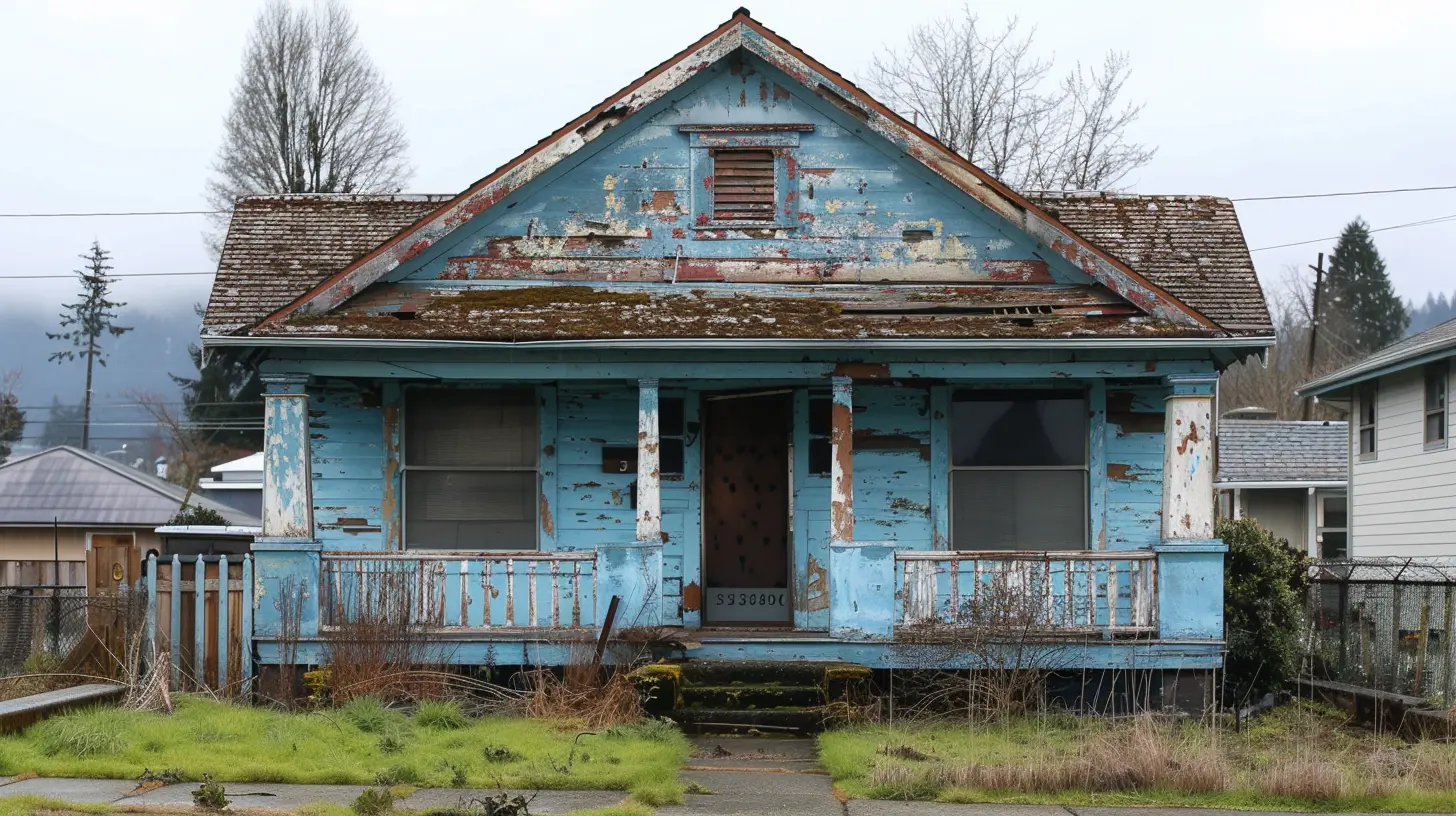
Let’s start with the basics. Title insurance is a policy that protects homebuyers and lenders from potential issues related to a property’s ownership history. When you buy a home, you (or your lender) need assurance that the title—essentially the legal right to own the property—is clean and free from defects.Unlike other forms of insurance that cover future events, title insurance protects against past problems that could threaten your ownership rights. These issues might include:
- Unpaid property taxes
- Forged signatures in the past ownership chain
- Clerical errors or recording mistakes
- Unreleased liens or judgments
- Unknown heirs claiming ownership
In the case of a foreclosed property, the risk of these title-related problems is significantly higher. After all, foreclosure means financial distress, and that often leaves a messy paper trail.
Why Title Insurance Is Essential When Buying a Foreclosed Home
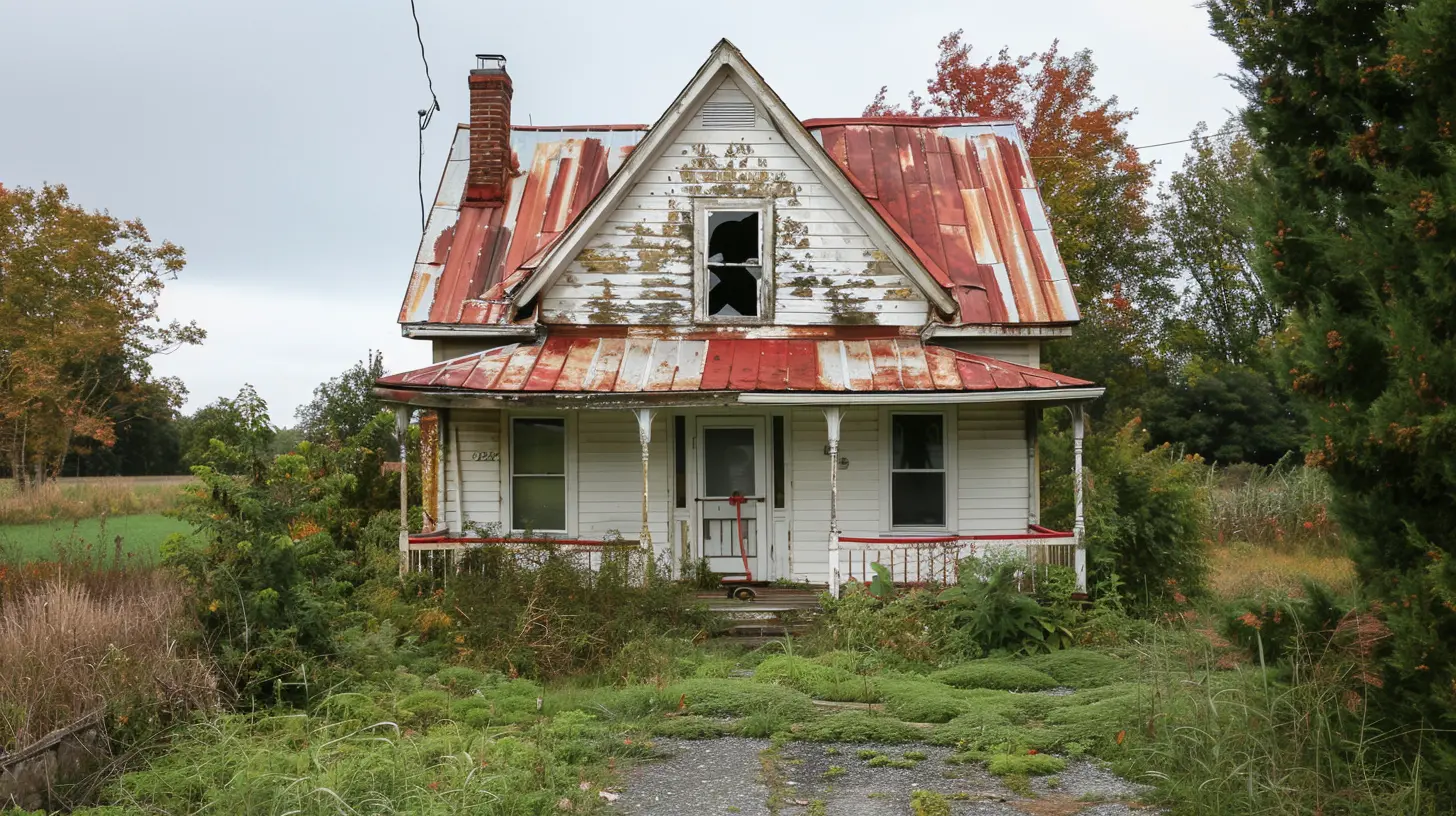
Purchasing a foreclosed home can be a fantastic investment, but it’s not without its pitfalls. Here’s why title insurance is a non-negotiable when buying one.1. Foreclosed Homes Often Have a Complicated History
Many homes end up in foreclosure due to financial hardship, which often means the previous owner may have had unpaid debts, liens, or legal claims attached to the property. These issues don’t just vanish when the home changes hands—you could inherit them!Would you want to buy a house, only to find out later that the previous owner owed thousands in unpaid property taxes? Nope, didn’t think so!
Title insurance ensures that you won’t be on the hook for these unexpected financial burdens.
2. Liens and Judgments Could Come Back to Bite You
A lien is basically a legal claim against a property due to unpaid debts. Previous homeowners may have had contractors, utility companies, or even the government place liens on their home due to unpaid bills.Without title insurance, you could find yourself responsible for thousands of dollars in past debts that someone else racked up. That’s like buying a car and getting a surprise bill for someone else's unpaid loan!
3. Ownership Disputes Can Arise
Imagine you’ve settled into your new foreclosed home, and everything seems perfect—until someone knocks on the door claiming that the house was wrongfully foreclosed on and that they’re the rightful owner!Foreclosures can be messy, and in some cases, previous owners (or their relatives) can come forward and challenge the sale. Without title insurance, you could be caught in a lengthy and costly legal battle.
4. Errors in Public Records Can Cause Headaches
Clerical mistakes are more common than you’d think, and even a small error in public records could throw a wrench in your homeownership plans. A simple misspelled name or an incorrect recording of ownership can cause serious legal trouble.Title insurance ensures that these mistakes don’t become your problem.
How Does Title Insurance Work?
Now that you know why title insurance is crucial, let’s talk about how it works.1. Title Search
Before you close on a foreclosed home, a title company will conduct a title search—essentially a deep dive into the property's ownership history. This search aims to uncover any red flags, such as unpaid liens, ownership disputes, or recording errors.2. Clearing Up Issues
If any title defects are found, the title company works to resolve them before closing. In some cases, this might involve tracking down old loan payoffs, removing incorrect liens, or resolving legal disputes over ownership.3. Issuing the Title Insurance Policy
Once everything is cleared, the title insurance policy is issued. There are two types of policies:- Lender’s Title Insurance – Required by mortgage lenders to protect their investment.
- Owner’s Title Insurance – Optional, but highly recommended to protect your ownership rights.
4. Protection for the Future
If any covered title issues arise after you’ve purchased the home, your title insurance policy will legally defend you and cover any financial losses. Think of it as your real estate safety net.
Do You Really Need Title Insurance on a Foreclosed Home?
Short answer? Absolutely.Even if you’re buying a foreclosed property "as-is", title insurance ensures that your financial investment is protected. Without it, you could spend years and thousands of dollars sorting out legal and financial issues from the previous owner’s past mistakes.
Let’s put it this way: Would you jump out of an airplane without a parachute? Probably not! Title insurance is that parachute—it prevents a free fall into potential financial disaster.
How Much Does Title Insurance Cost?
Title insurance is a one-time payment—not a recurring fee like homeowner’s insurance. The cost generally ranges from 0.5% to 1% of the home’s purchase price, depending on your location and the title company.While it might seem like an extra expense, it’s a small price to pay for peace of mind and legal protection.
Tips for Protecting Yourself When Buying a Foreclosed Home
Since foreclosed properties come with unique risks, here are a few extra tips to ensure your home-buying experience is as smooth as possible:- Use a Reputable Title Company – Choose a title company with a solid reputation to conduct the title search and issue your title insurance policy.
- Consider a Lawyer – Depending on your state's laws, having a real estate attorney review the title before closing can provide an extra layer of protection.
- Check Property Taxes – Make sure the previous owner’s unpaid property taxes won’t become your responsibility.
- Know What You're Buying – Foreclosed homes are typically sold as-is, meaning any legal or financial mess could become your problem without title insurance.
Final Thoughts
Buying a foreclosed home can be a fantastic opportunity, but it’s not without its challenges. Title insurance is your ultimate protection against hidden risks lurking in the past. From ownership disputes to unpaid liens, you never know what surprises could be waiting.Think of title insurance as a seatbelt in the wild ride of foreclosure purchases—you might never need it, but if something goes wrong, you’ll be glad you had it.
So, before you sign on the dotted line, make sure title insurance is on your must-have list. It’s the best investment you can make in protecting your new home and your financial future.
all images in this post were generated using AI tools
Category:
ForeclosuresAuthor:

Travis Lozano