The Role of Engineered Wood in Contemporary Construction
27 July 2026
When we reflect on construction materials from centuries past, wood has always had a starring role. From ancient temples to cozy cottages, timber has been a cornerstone in architecture for good reason. But as we’ve moved into high-tech cities with complex infrastructure—and an urgent need for sustainability—the game has changed. Enter engineered wood. It’s like traditional wood’s smarter, tougher sibling.
In this article, let’s unpack the real story behind engineered wood and why it has become a go-to option in today’s construction landscape. We'll dig into its benefits, its rising popularity, and the role it's set to play in the future of building—without making it feel like you're reading a textbook.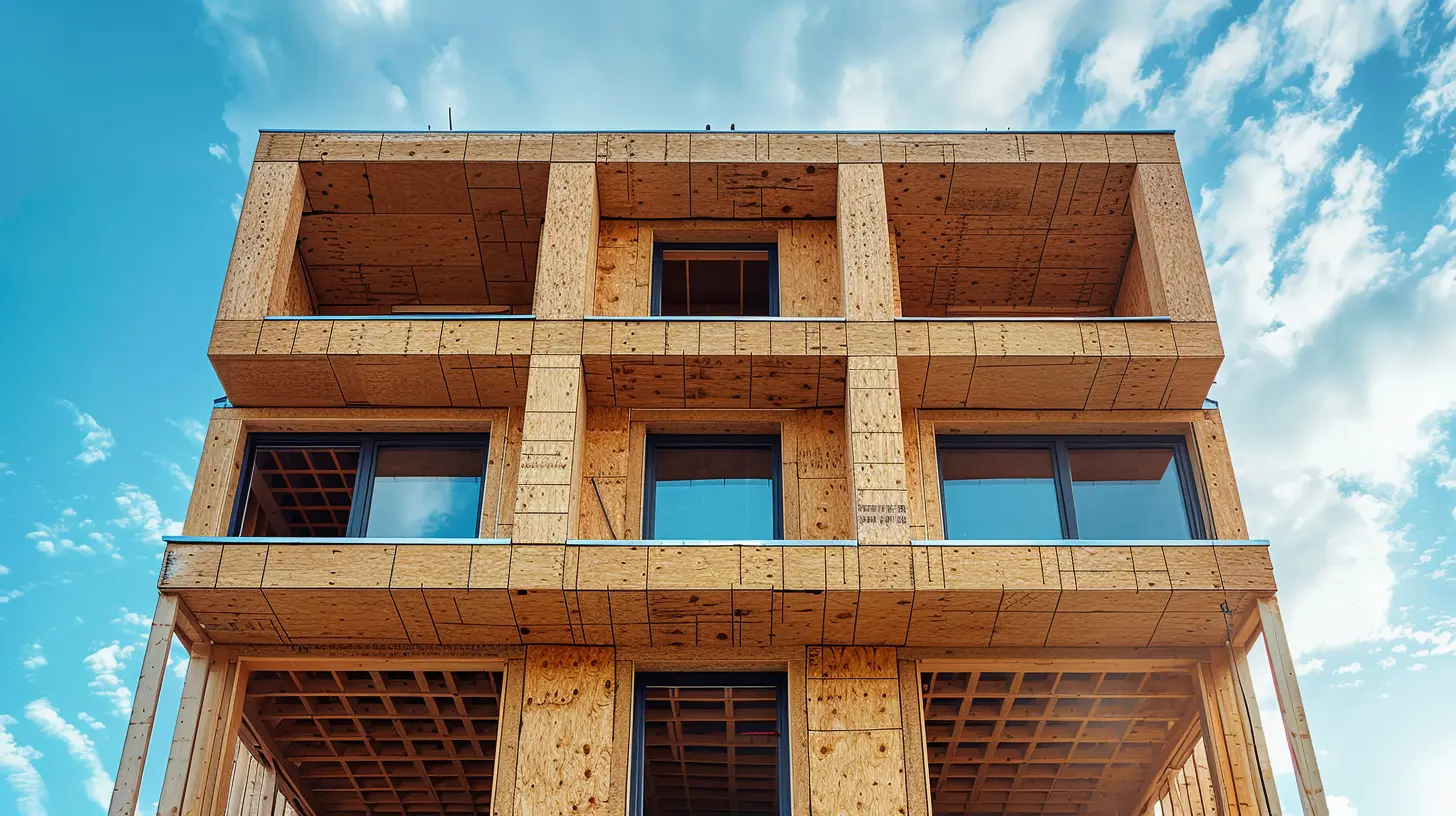
What Exactly Is Engineered Wood?
Alright, let’s start simple. Engineered wood—sometimes known as composite wood or man-made wood—is essentially wood that's been reimagined. Instead of chopping a tree and using full logs or planks, manufacturers take wood fibers, strands, veneers, or particles and bind them together using adhesives under heat and pressure.This process isn’t just a cool science experiment. It produces wood products that are stronger, more consistent, and often more environmentally friendly than traditional lumber. Think of it like making a smoothie—each component adds value, and the result is smoother, more versatile, and easy to digest (well... in the construction sense, obviously).
Some of the most common types? Plywood, oriented strand board (OSB), medium-density fiberboard (MDF), laminated veneer lumber (LVL), and cross-laminated timber (CLT)—just to name a few.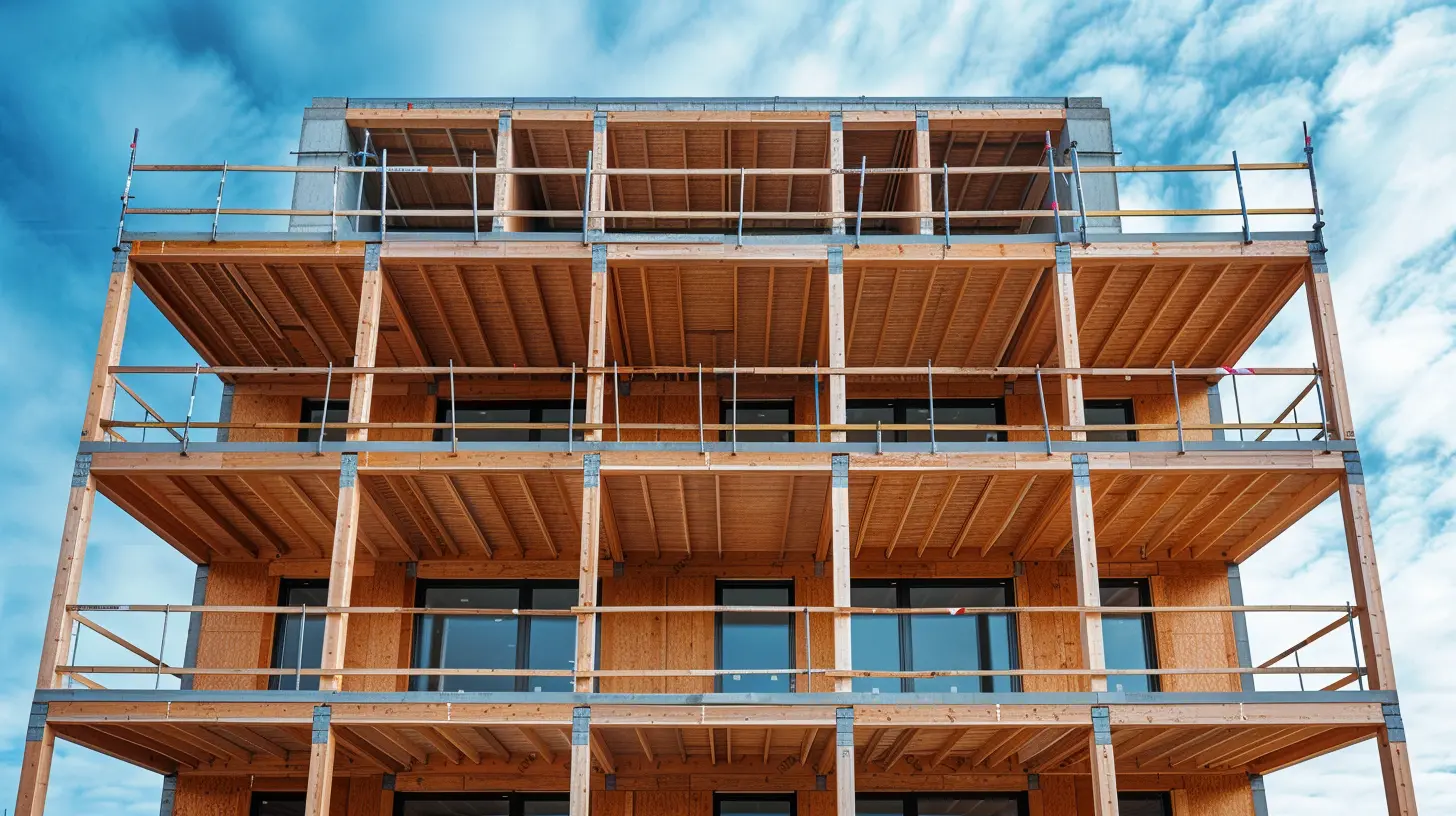
Why is Engineered Wood So Hot Right Now?
We’ve got to talk about the elephant in the construction site: sustainability.More and more builders, architects, and consumers are leaning into eco-friendly materials. And engineered wood checks a lot of those boxes. Here’s why:
1. It Makes the Most of What We've Got
Instead of relying only on large, mature trees, engineered wood utilizes smaller, faster-growing trees and even wood waste. This means we’re using more of the tree and producing less forest waste. It’s like turning kitchen scraps into gourmet meals—efficiency at its finest.2. It’s Incredibly Strong for Its Weight
You might be thinking, “Can glued-together wood fibers actually hold up?” The answer: absolutely.Engineered wood is designed to handle stress and strain better than traditional wood in many scenarios. Because it’s man-made, it avoids natural defects like knots or grain irregularities, making it more reliable when used in structural applications.
3. Cost-Effective Construction
Saving money is always on the table for builders. Engineered wood often costs less than premium hardwood and even some softwood lumber. Plus, its uniformity makes installation easier and quicker, which reduces labor costs. Win-win.4. Flexibility and Versatility
Whether you're building walls, floors, or roofs—or even creative design elements like curved accents—engineered wood fits the bill. Plywood and MDF are easily shaped and can be used for both structural and aesthetic purposes. You get form and function in one neat package.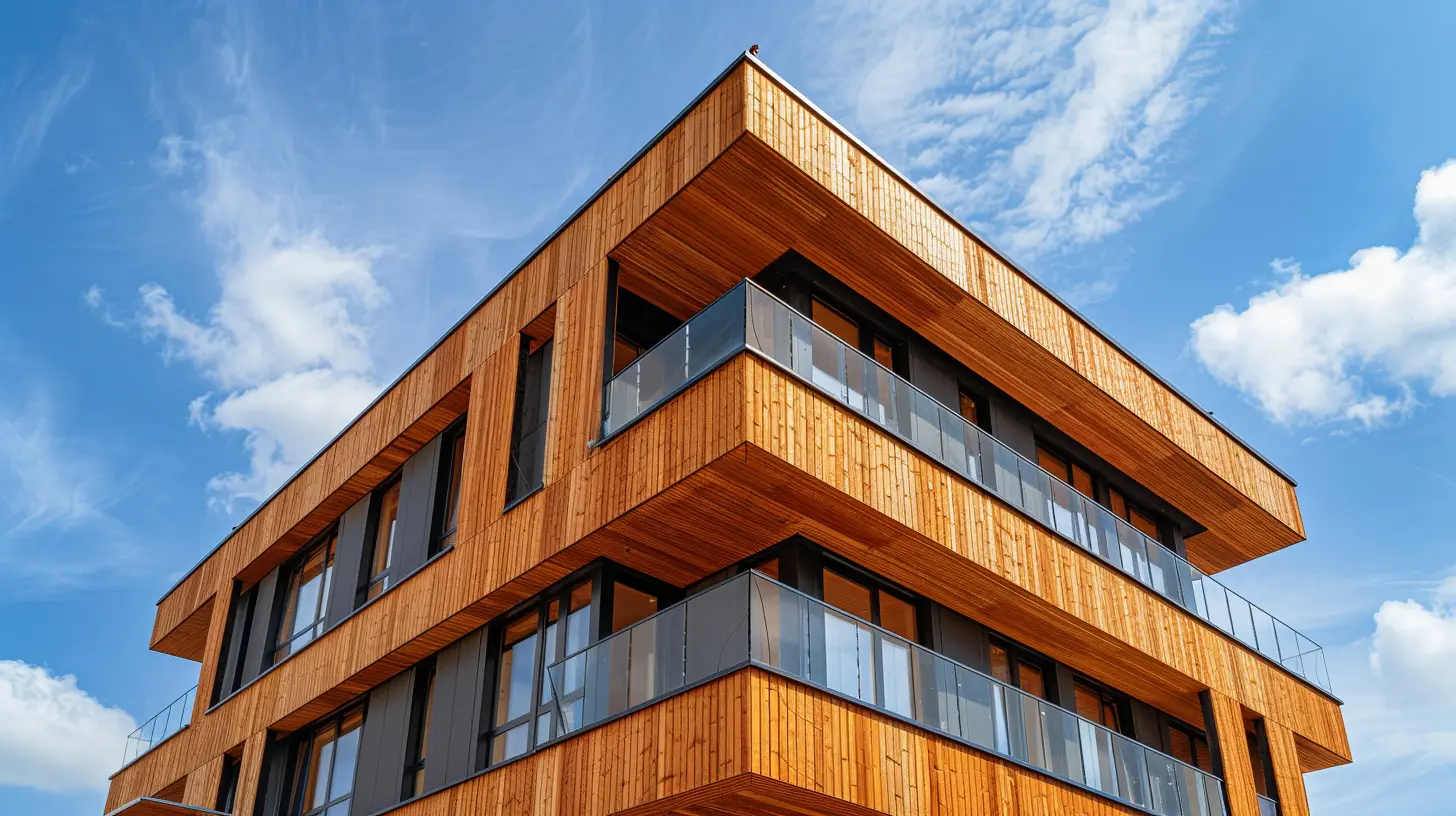
The Different Types of Engineered Wood (And When to Use Them)
Let’s break it down. There’s not just one engineered wood—there are several types tailored for specific uses. Choosing the right one? That’s key.? Plywood
Made from thin layers (or "plies") of wood veneer glued together. It’s strong, stable, and can be used for everything from wall sheathing to furniture. A classic in the engineered wood world.? Oriented Strand Board (OSB)
Think of OSB as the rugged cousin of plywood. Made from wood strands oriented in specific directions, it’s often used for subflooring, wall panels, and roof decking. It’s cheaper than plywood, but just as hardworking.? Medium-Density Fiberboard (MDF)
MDF is smooth, dense, and perfect for interior design applications—like cabinetry, molding, and panels. It holds paint well and has zero knots or grains to battle with. Not ideal for high-moisture zones though.? Particle Board
Similar to MDF, but less dense and generally cheaper. Best for lightweight furniture and less demanding uses. It’s like the budget-friendly friend who still gets the job done.? Laminated Veneer Lumber (LVL) & Cross-Laminated Timber (CLT)
These are the heavyweights. LVL is like plywood's gym-buff cousin—great for beams, headers, and load-bearing structures. CLT, meanwhile, is revolutionizing tall wood buildings because it stacks layers of lumber in alternating directions for epic strength and fire resistance.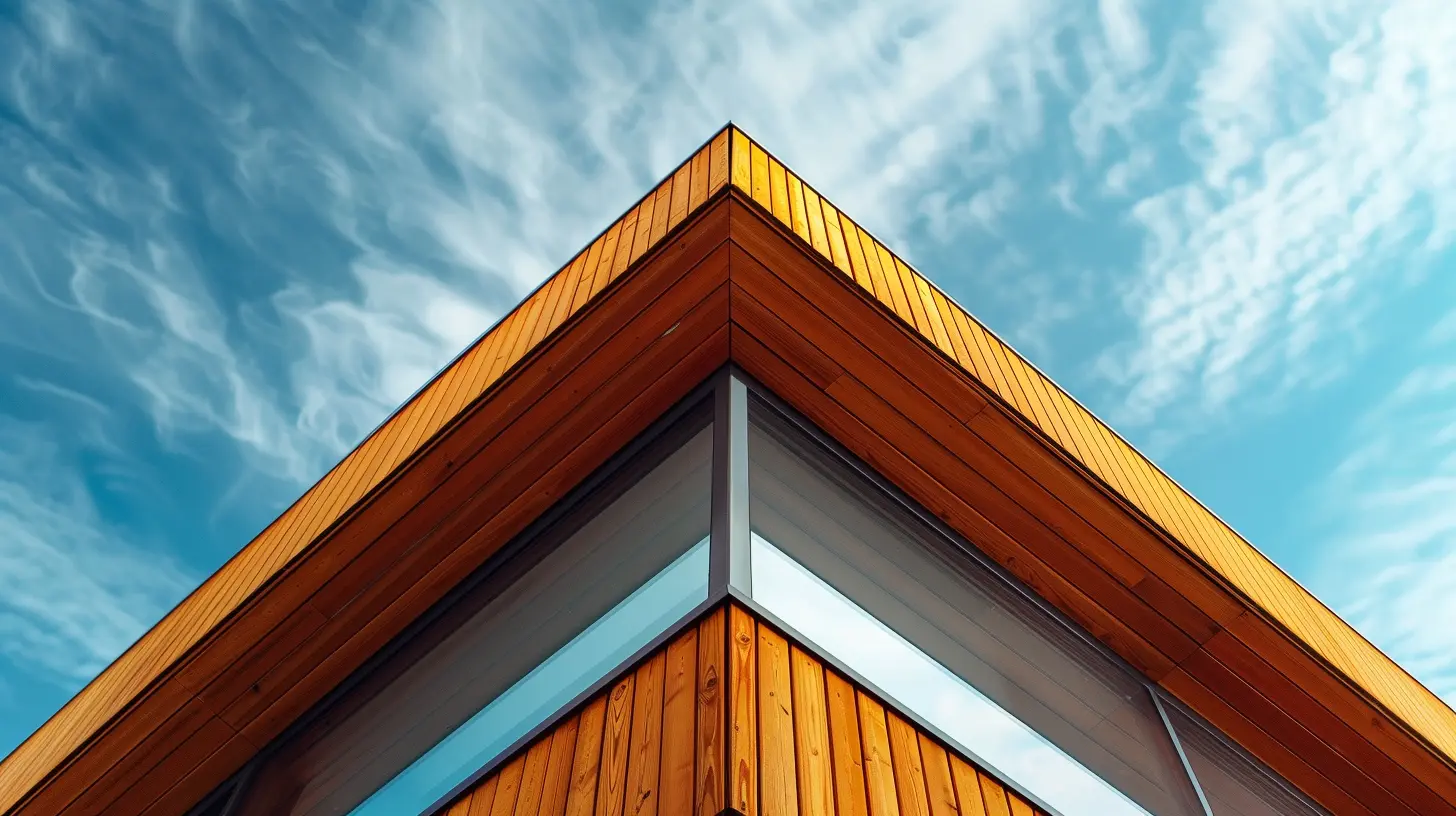
Engineered Wood vs Solid Wood: The Real Showdown
Let’s be honest—traditionalists love solid wood. It’s timeless, beautiful, and has that unmistakable grain pattern that screams “nature.” But let’s take a step back and compare both materials side-by-side:| Feature | Engineered Wood | Solid Wood |
|--------|------------------|------------|
| Strength | More uniform, often more resilient under pressure | Strong, but can have knots or weak spots |
| Cost | Typically cheaper | Often expensive |
| Environmental Impact | Uses smaller trees, less waste | Requires fully grown trees |
| Versatility | Easy to shape, mold, and cut | Limited in flexibility |
| Moisture Resistance | Better (especially in some engineered types) | Can expand or warp with moisture |
| Aesthetic | Smooth, uniform surface | Rich, natural grain look |
There’s no one-size-fits-all answer here. For structural builds or places where consistency matters, engineered wood is a no-brainer. But if you're going for that rustic, old-world charm? Solid wood still has its place.
Sustainability: A Closer Look
The environmental benefits of engineered wood aren’t just marketing fluff—they’re legit.⚡ Reduced Carbon Footprint
Creating engineered wood releases significantly less carbon compared to steel or concrete. Plus, wood stores carbon dioxide, which helps balance emissions. So, every time you choose wood over concrete? The planet breathes a little easier.? Less Forest Impact
Engineered wood uses fast-growing species like poplar or birch and sometimes even agricultural waste. This reduces the demand on old forests—keeping them intact for wildlife, water cycles, and future generations.♻️ Waste Minimization
By turning sawdust, chips, and offcuts into usable boards, the industry is brilliant at reducing waste. This sort of upcycling is the definition of smart, sustainable living.How Engineered Wood is Shaping Modern Design
Here’s where things get really cool. Engineered wood isn’t just practical—it’s also stunning.With modern finishing technologies, these materials can mimic exotic hardwoods or provide sleek, futuristic looks. Architects are using engineered wood to create minimalist interiors, breathable facades, and even entire skyscrapers. Yep, you read that right: multi-story buildings made entirely of engineered timber.
Take the Mjøstårnet tower in Norway. It stands 18 stories tall and is currently the world’s tallest timber building. It’s a bold testament to how far engineered wood can go—literally.
Common Myths About Engineered Wood
Let’s bust some myths while we’re here.“It’s Just Cheap Wood.”
Nope. It’s engineered for performance. Think of it as the difference between a handmade tool and a factory-calibrated precision instrument. Both have their charm, but one’s built with today’s demands in mind.“It’s Not Durable.”
Another falsehood. Engineered wood products are often more dimensionally stable than their natural counterparts. Many are even pressure-treated or manufactured for fire resistance.“It Doesn’t Look Good.”
Give it another glance. With veneers and modern finishes, engineered wood can rival the best hardwoods in appearance while being drastically more affordable.The Future of Engineered Wood in Construction
So, what’s next?With materials science evolving and green building codes becoming stricter, we can expect engineered wood to play an even larger role in future construction. New hybrid products, better adhesives, and smarter fabrication techniques will only increase its durability and design potential.
Plus, as more nations push for carbon-neutral buildings, the shift toward wood-based materials will likely accelerate. Engineered wood isn't just a trend—it’s becoming a pillar of modern architecture.
Final Thoughts
From skyscrapers to cozy interiors, engineered wood is stepping up and proving itself as more than just “fake wood.” It’s real innovation—born from a balance of tradition and technology.So whether you're building a dream home, flipping a property, or just choosing materials for your next design project, take a minute to appreciate what engineered wood brings to the table. It’s cost-effective, environmentally responsible, flexible, and let’s face it—it looks good doing it.
Who knew glue and sawdust could be this glamorous?
all images in this post were generated using AI tools
Category:
Building MaterialsAuthor:

Travis Lozano
Discussion
rate this article
1 comments
Haze Bishop
Engineered wood is transforming contemporary construction with its strength, sustainability, and design flexibility. It offers a smart solution for builders and homeowners alike.
August 2, 2026 at 4:15 AM
Travis Lozano
That's a great point. Engineered wood truly is revolutionizing construction with its innovative properties and benefits for both builders and homeowners.