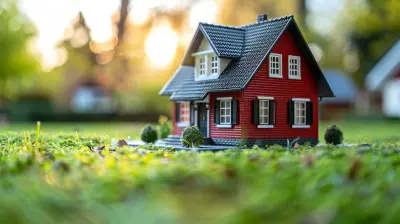
The Risks of Buying Foreclosed Properties with Unseen Damage
30 May 2026
Foreclosed properties can be an attractive investment, often coming with a lower price tag than traditional homes. But before you jump at the opportunity, there’s a hidden danger that many buyers overlook—unseen damage. These issues can turn what seems like a great deal into a financial nightmare.
If you’re considering buying a foreclosed home, it’s crucial to understand the potential pitfalls. Let’s break down the risks of unseen damage and how they can impact your investment.
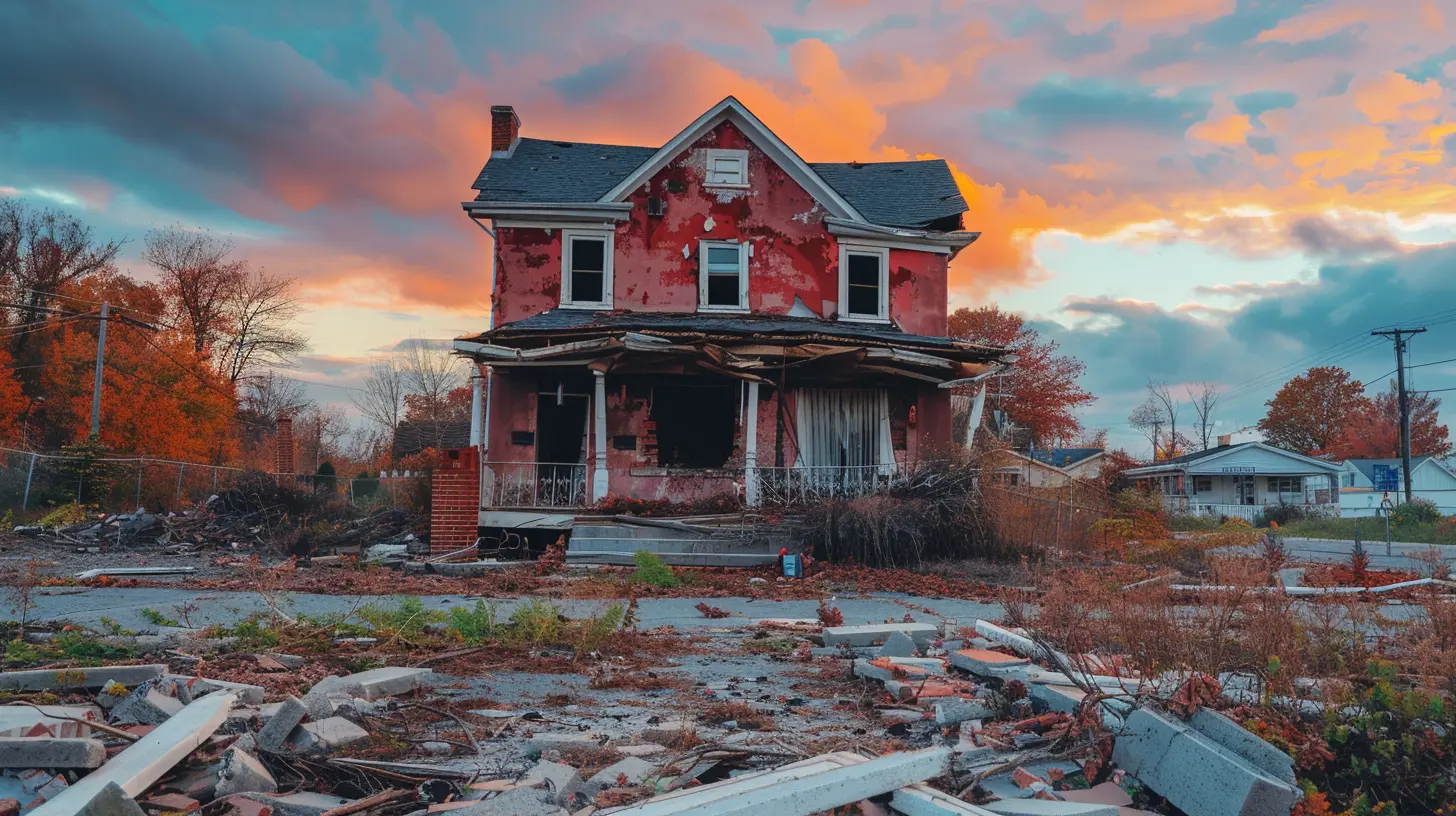
What Makes Foreclosed Properties Risky?
Buying a foreclosed home is different from purchasing a property through a traditional sale. Foreclosed homes are often sold "as-is," meaning the bank or lender isn’t responsible for repairs or disclosures about the property’s condition.This lack of transparency creates an environment where hidden damage can lurk beneath the surface. And since most foreclosed homes have been vacant for extended periods, small issues can escalate into costly repairs.
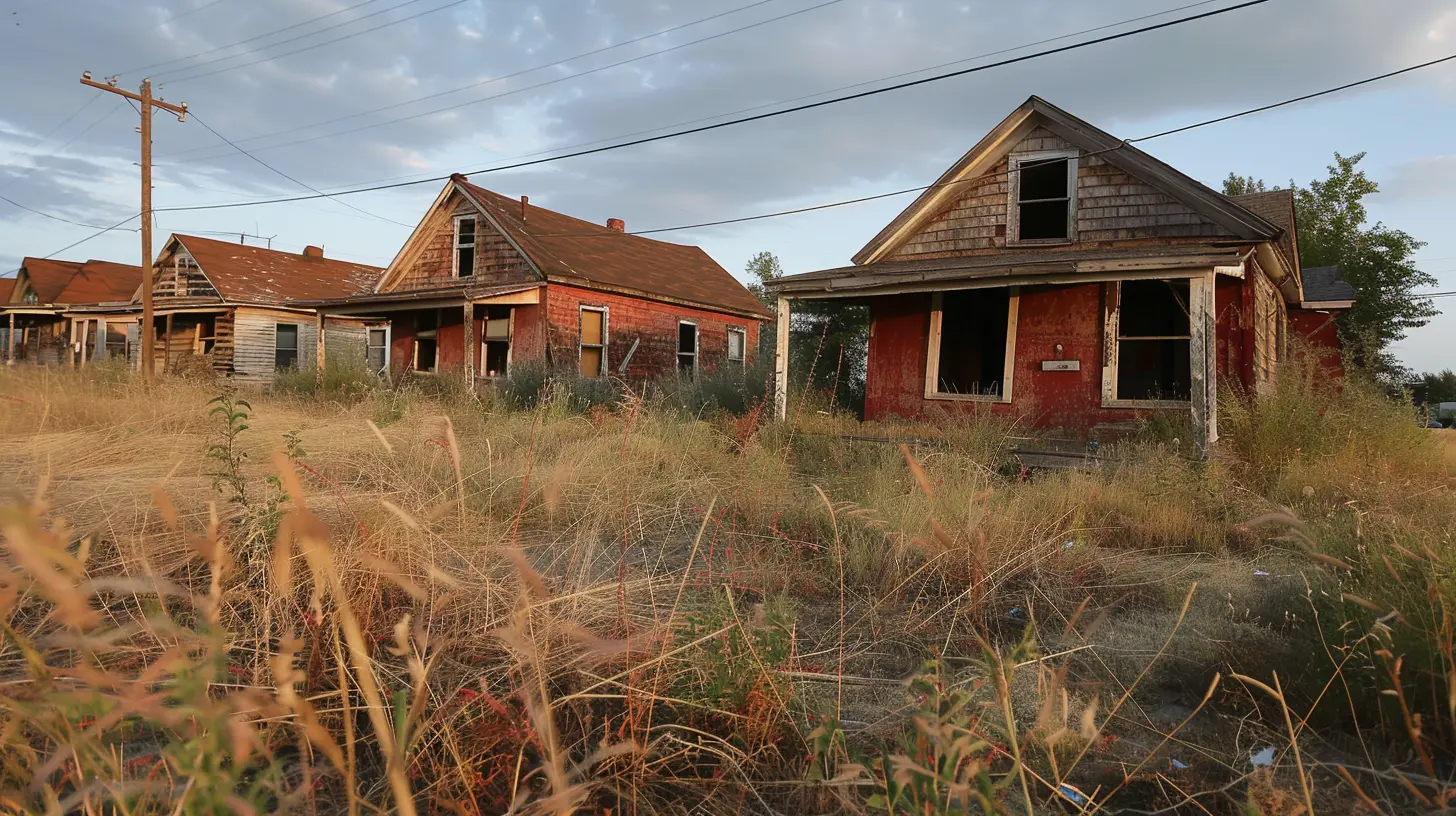
Common Types of Hidden Damage in Foreclosed Homes
Foreclosed homes often suffer from neglect, vandalism, and the effects of prolonged vacancy. Here are some of the most common issues you may encounter:1. Structural Damage
A home’s foundation and structural integrity are crucial. Unfortunately, long periods of neglect can lead to cracks in walls, sagging floors, and shifting foundations. Water intrusion, termite infestations, and poor construction can all contribute to major structural concerns.If unnoticed, these issues can cost thousands (or even tens of thousands) in repairs. You don’t want to discover after closing that your "great deal" comes with a crumbling foundation.
2. Mold and Water Damage
Vacant homes are particularly vulnerable to water leaks. Broken pipes, leaking roofs, or poor drainage can lead to severe mold infestations. Mold isn’t just unsightly—it poses serious health risks and can be incredibly expensive to remediate.Since foreclosed homes might have utilities turned off for months or even years, previous water damage may have gone unnoticed and untreated, making things even worse.
3. Pest Infestations
Rodents, termites, and other pests can cause havoc in a vacant home. Without regular maintenance, these creatures move in and make themselves comfortable. Rodents chew through wiring, termites compromise structural integrity, and insects invade every nook and cranny.The last thing you want is to discover that critters have done more damage than the previous homeowners. A pest infestation isn't just a nuisance—it can lead to expensive extermination and repair costs.
4. Plumbing and Electrical Issues
Foreclosed homes may have outdated or damaged plumbing and electrical systems. Previous owners may have neglected repairs due to financial difficulties, or vandals may have stripped copper piping and wiring for scrap.A faulty plumbing system can result in leaks, pipe bursts, or even sewage backups. Meanwhile, outdated or damaged electrical wiring can be a fire hazard. Hiring a professional to inspect these systems before purchase is a must.
5. HVAC System Failure
Heating, ventilation, and air conditioning (HVAC) systems require regular maintenance. In foreclosed homes, these systems are often neglected or outright broken. If the HVAC system hasn’t been used in a long time, it may need costly repairs or full replacement.Replacing an HVAC system can set you back thousands of dollars—an expense many buyers aren’t prepared for after purchasing a "bargain" home.
6. Vandalism and Theft
Unfortunately, some foreclosed properties fall victim to vandalism. When a home sits vacant, it becomes an easy target for vandals and thieves.Appliances, copper wiring, HVAC components, and even kitchen cabinets get stolen or damaged. Repairing vandalized properties can be costly and time-consuming, which may make the investment less appealing.
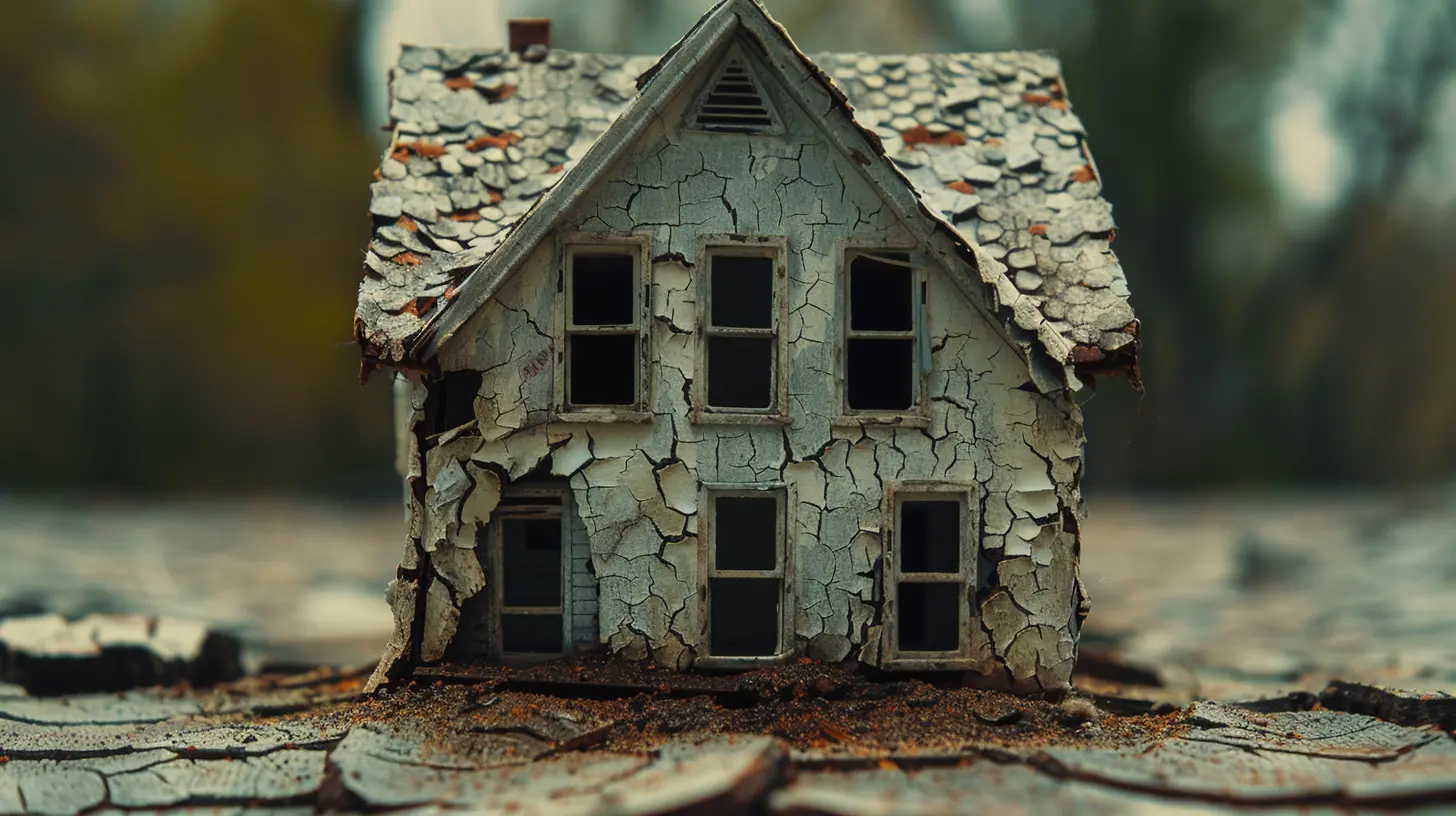
The Seller Won’t Make Repairs—So What Can You Do?
Since foreclosed homes are sold "as-is," banks and lenders won’t step in to help with repairs. That means any damage—seen or unseen—is your responsibility.So, how can you protect yourself from unexpected costs?
1. Hire a Professional Inspector
A thorough home inspection can reveal hidden issues before you commit. While inspectors can’t uncover every problem, they offer valuable insights into the home’s condition.2. Research the Property’s History
Check for past insurance claims or city violations. If a home has a history of flooding, fire damage, or other major problems, you’ll want to know before making a decision.3. Budget for Unexpected Repairs
Always set aside extra funds for potential repairs. Even if a home seems fine at first glance, hidden problems can emerge once you move in. Having a financial cushion can save you from unwelcome surprises.4. Consider Buying Title Insurance
Foreclosed homes sometimes come with title issues, such as unpaid taxes or legal disputes. Title insurance can protect you from unexpected financial burdens tied to previous ownership.5. Work with a Real Estate Agent Experienced in Foreclosures
An agent who specializes in foreclosures can help you navigate the complexities of buying a distressed property. They can offer insights, recommend trustworthy inspectors, and guide you through the process.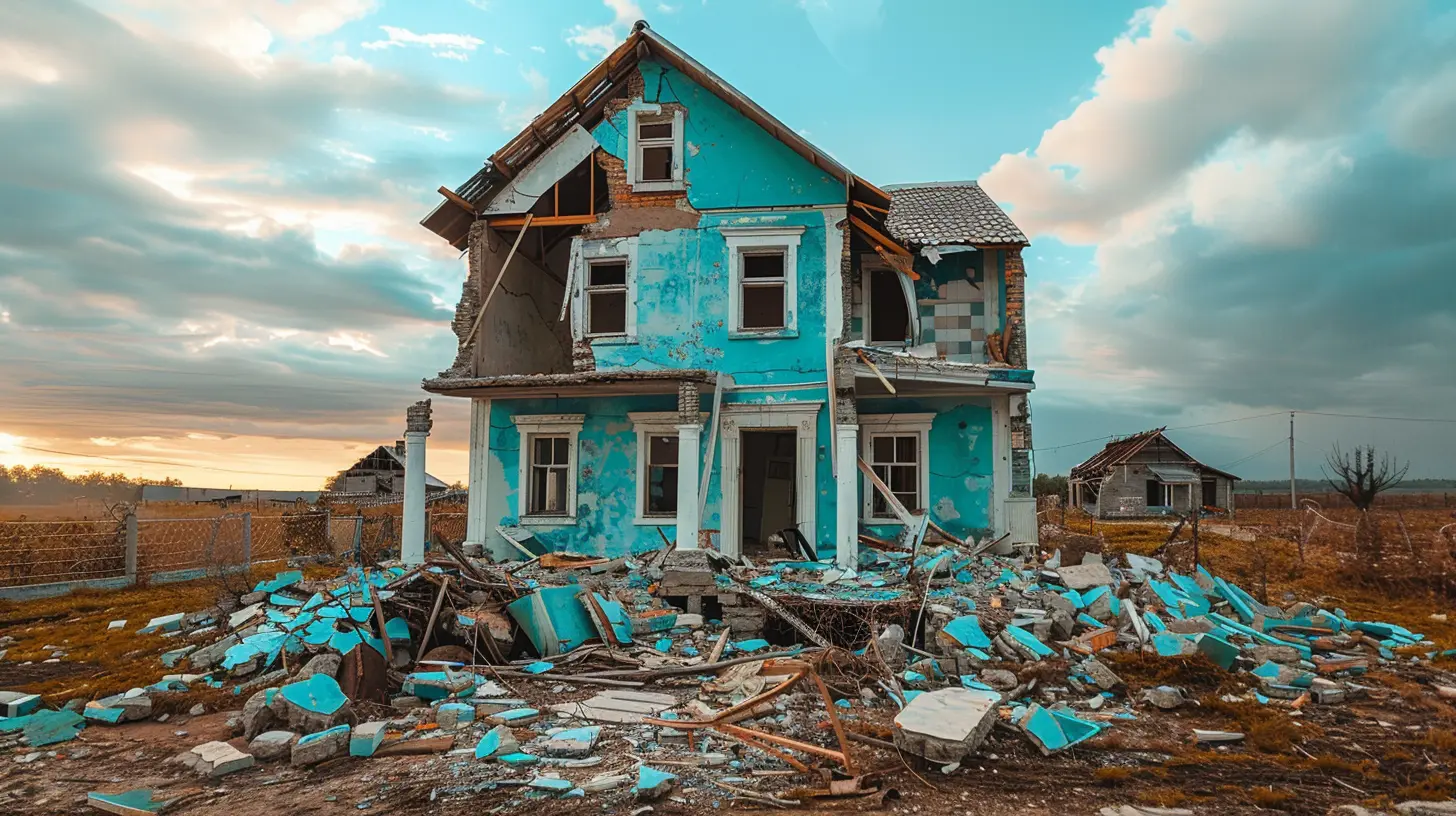
Is Buying a Foreclosed Home Worth the Risk?
Foreclosures can be great investment opportunities, but they aren’t for everyone. If you're willing to put in the work, assess risks carefully, and budget for repairs, you may land a great deal.However, if your budget is tight and you’re not prepared for unexpected expenses, a foreclosed home might end up costing you more than a move-in-ready property.
At the end of the day, it all comes down to how much risk you’re willing to take. If you do your due diligence, hire professionals, and go in with realistic expectations, the rewards of buying a foreclosed home can outweigh the risks. But if you skip inspections and rush into a deal, you might end up with more headaches than savings.
Bottom line? Know what you’re getting into, and don’t let a "good deal" blind you to potential red flags.
all images in this post were generated using AI tools
Category:
ForeclosuresAuthor:

Travis Lozano
Discussion
rate this article
1 comments
Alvin Reed
Great article! It's crucial for buyers to thoroughly inspect foreclosed properties before making a purchase. Hidden damage can lead to unexpected expenses. Considering a professional inspection and factoring potential repairs into your budget can help ensure a more successful investment. Thanks for highlighting these important risks!
June 5, 2026 at 2:43 AM
Travis Lozano
Thank you for your insights! You're absolutely right-thorough inspections can save buyers from costly surprises. Glad you found the article helpful!