The Rise of Suburban Living in Real Estate Forecasts for 2026
19 April 2026
Remember the great urban exodus of 2020? When city dwellers, suddenly untethered from their downtown desks, looked out their apartment windows and dreamed of a backyard? Many of us thought it was a temporary blip—a pandemic-induced panic room search for more space. But here’s the thing: that wasn’t a pause. It was a preview. As we look toward the real estate landscape of 2026, the data, the demographics, and the very definition of “the good life” are coalescing around a powerful, sustained trend. The suburbs aren’t just back; they’re evolving, and they’re poised to dominate the next chapter of American living in ways that might surprise you.
Let’s pull back the curtain on this not-so-quiet revolution and see what’s really driving this shift. It’s more than just a reaction; it’s a fundamental recalibration of our priorities.
Beyond the Backyard: The "Why" Behind the Move
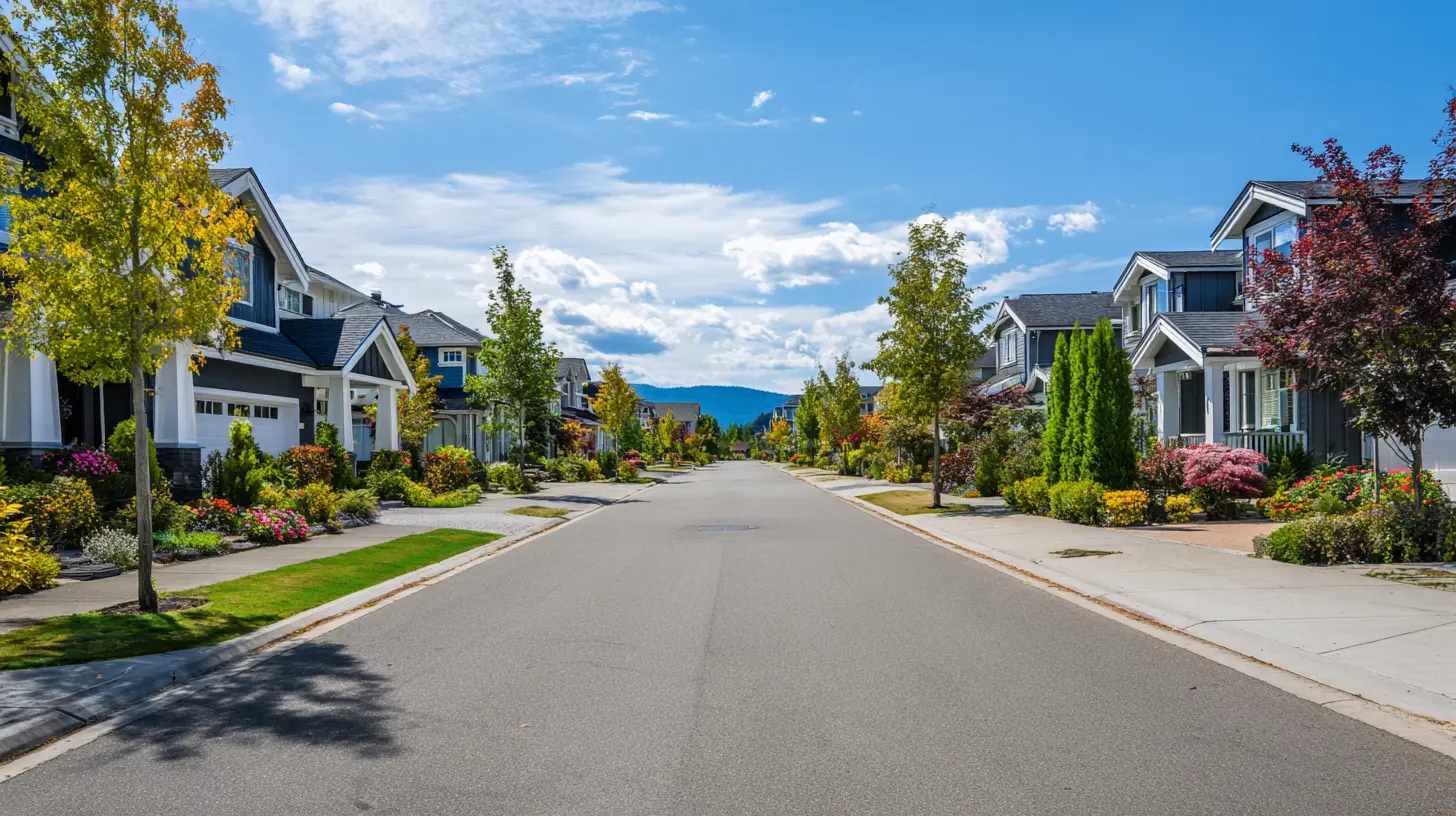
So, what’s fueling this suburban sunrise? It’s not one single reason but a perfect storm of societal shifts. Think of it like ingredients that, on their own, are notable, but when combined, create an irresistible recipe for change.First, and most enduring, is the hybrid work revolution. The genie is out of the bottle. For a massive swath of the workforce, the five-day commute is a relic. If you only need to brave the trip into the city core two or three days a week, suddenly a 45-minute drive becomes tolerable, even preferable, when it buys you 2,000 square feet and a patio. Your home is no longer just a place to sleep; it’s your office, your gym, your sanctuary. That demands space—a dedicated office nook, a room for the kids to learn, a patch of grass to clear your head. The suburbs are built for this very purpose.
Then there’s the financial calculus. For many, especially growing families, the math is compelling. The price per square foot in the suburbs often tells a story of value that urban centers can’t match. It’s not just about bigger bedrooms; it’s about the potential for equity growth, the stability of a community-centric market, and escaping the sometimes stratospheric costs of urban homeownership. You’re not just buying a house; you’re buying into a different financial trajectory.
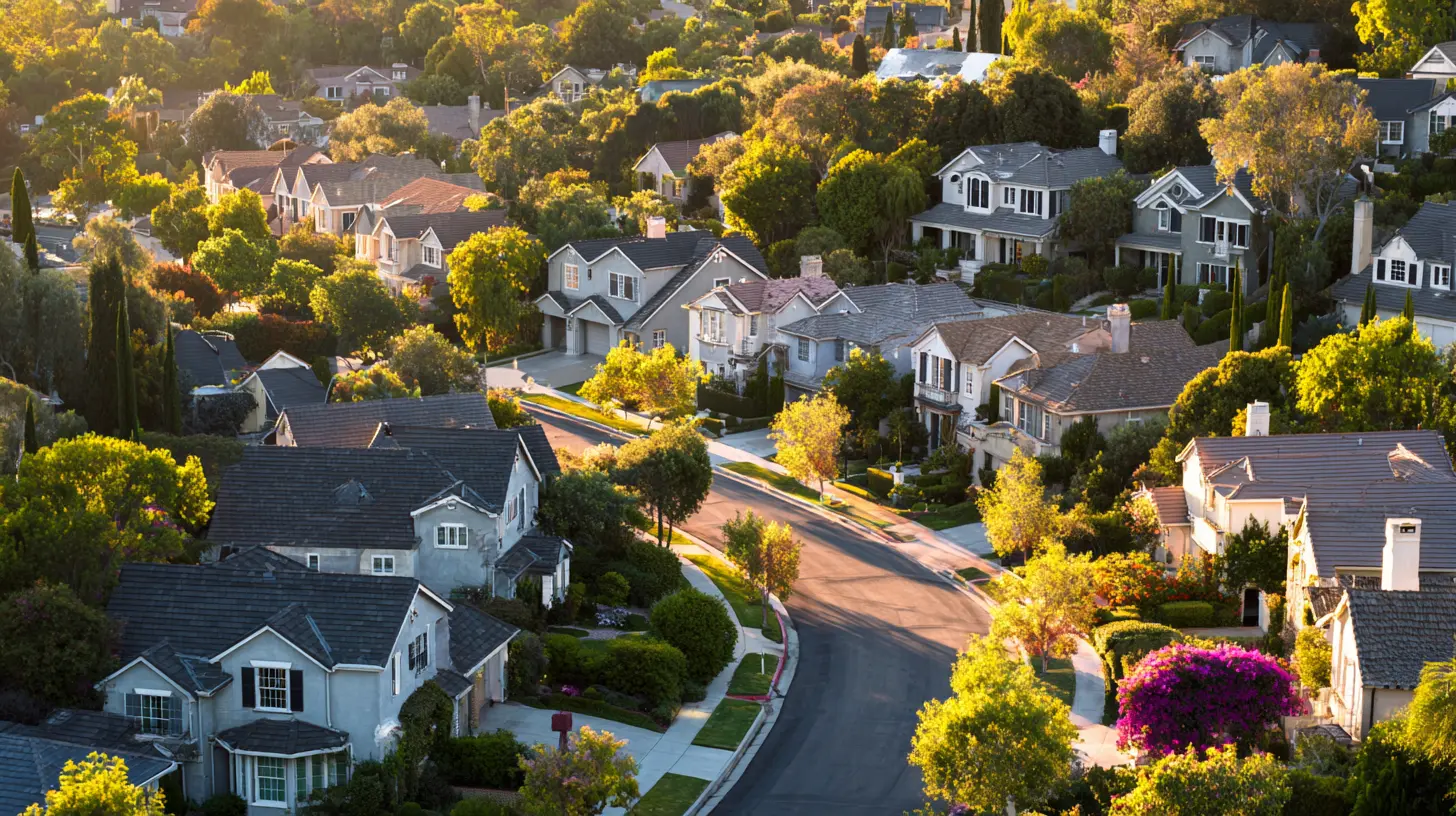
But perhaps the most profound driver is the priority pivot. After a period of global uncertainty, what we value has crystallized. Safety, community, space for family, and a connection to nature have skyrocketed to the top of the list. The suburban promise—strong school districts, neighborhood block parties, parks, and a slower, more deliberate pace—is hitting a deep emotional chord. It’s a trade-off, sure. You might miss the 2 AM taco stand, but you gain the Saturday morning farmers' market where the vendor knows your name.
The 2026 Suburb: Not Your Parents' Cul-de-Sac
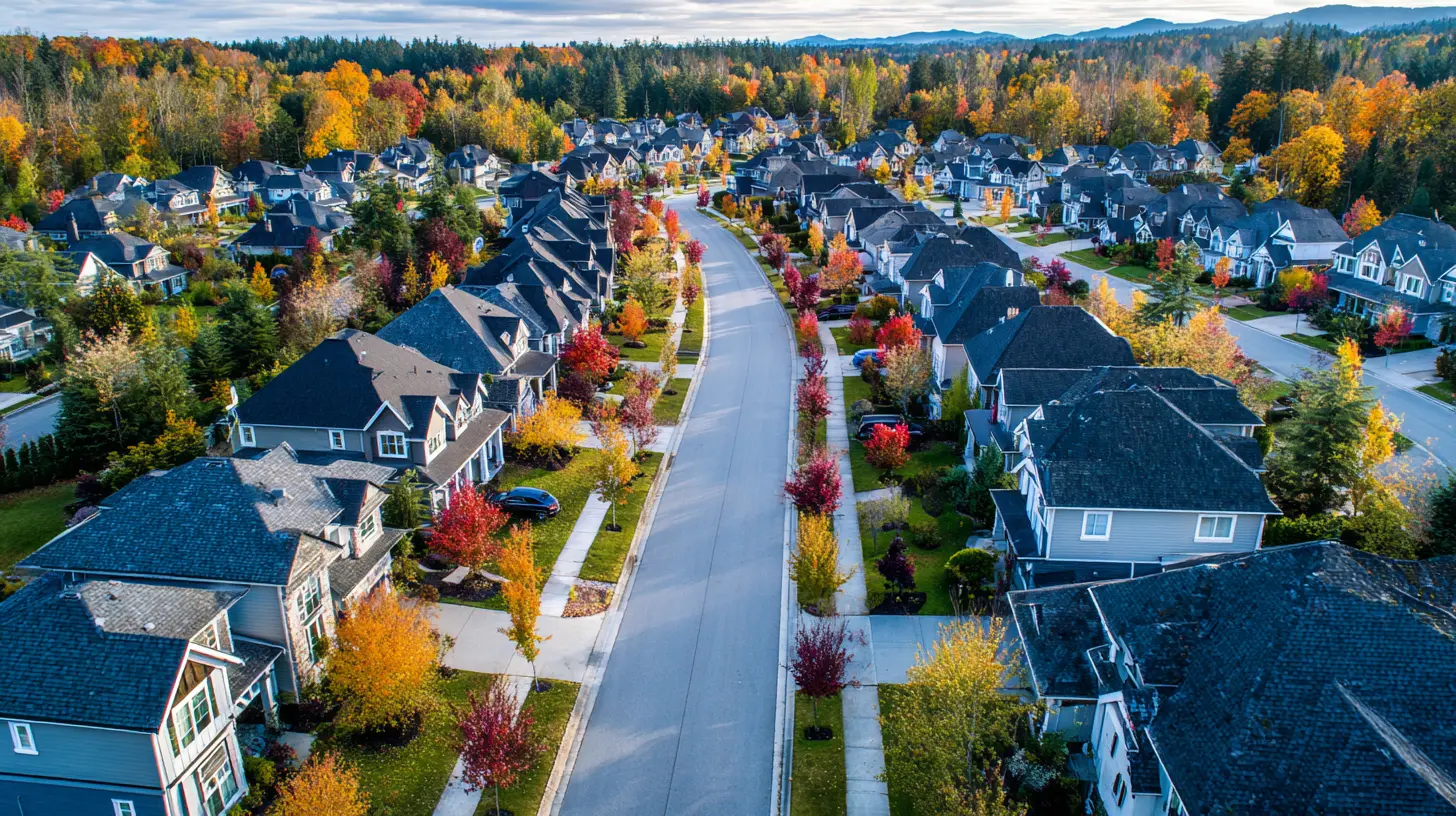
Hold on, though. Before you picture the sterile subdivisions of yesteryear, understand this: the suburbs forecasted for 2026 are undergoing a radical transformation. They’re not just receiving urban refugees; they’re adapting to their tastes and creating a new, hybrid model of living. Let’s call it “Urban-Lite” or “The 15-Minute Suburb.”The goal? To bring the conveniences and vibrancy of city life into the suburban fabric. Developers and town planners aren’t just building houses; they’re crafting live-work-play ecosystems. Imagine a suburban downtown where you can walk from your townhome to a coworking space, a craft brewery, a boutique fitness studio, and a decent sushi restaurant—all within a few blocks. These mixed-use developments are the heartbeat of the new suburbia, reducing car dependency for daily needs and fostering that elusive sense of community.
Furthermore, the housing stock itself is diversifying. The market isn’t just catering to the classic single-family dream. We’re seeing a boom in townhomes, duplexes, and low-rise condos that offer lower maintenance and more accessible price points for first-time buyers and downsizers. There’s also a conscious push toward sustainable and smart design. Energy-efficient builds, community gardens, EV charging stations, and fiber-optic internet as a standard utility are becoming selling points, not futuristic fantasies.
And let’s talk about technology. The suburban home of 2026 is a connected command center. High-speed remote work is non-negotiable. Smart home integrations for security, energy management, and delivery logistics make managing a larger space effortless. Telehealth and virtual services bridge any perceived gap in specialist access. The physical distance from a major urban core matters less and less when your world is seamlessly connected digitally.
The Ripple Effect: What This Means for Everyone
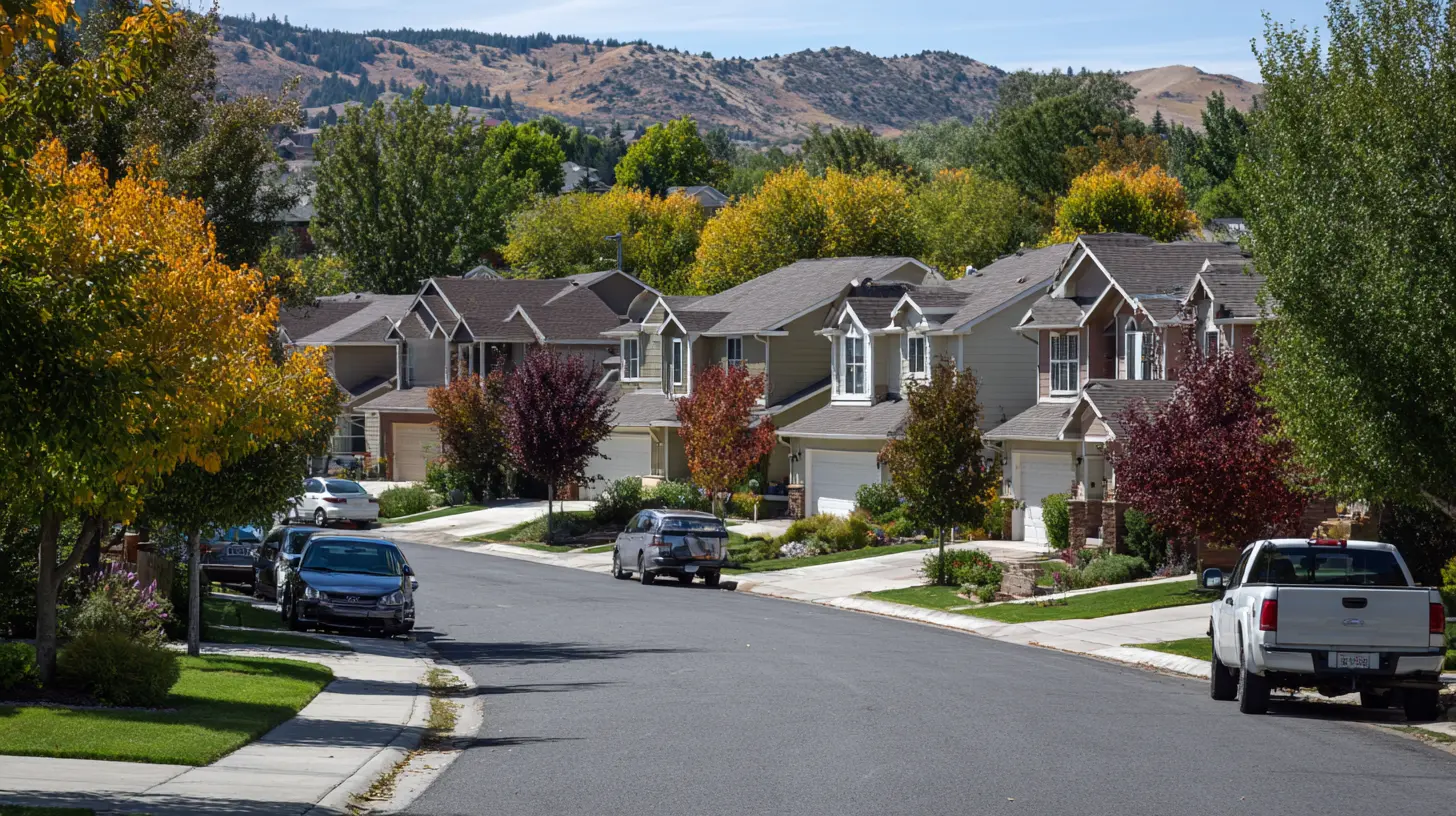
This seismic shift isn’t happening in a vacuum. It’s sending ripples across the entire real estate ecosystem, creating both challenges and opportunities.For city centers, the demand is forcing a renaissance. To compete, urban neighborhoods are doubling down on their unique strengths: unparalleled culture, walkability, and density of experience. The forecast suggests a bifurcation: thriving, amenity-rich urban villages and a reimagined suburban ring. It’s less of a death knell for cities and more of a specialization of purpose.
In the suburbs themselves, infrastructure is the new frontier. The towns that will win are investing now in broadband, modernized roads, public transit links (like commuter rail expansions), and revitalized main streets. The pressure on schools and community services will be immense, but it also brings a new tax base and energy for innovation.
For buyers and sellers, the playing field is changing. Suburban markets are becoming more competitive, potentially driving up prices in the most desirable “15-minute” zones. Buyers need to look beyond the house to the community’s master plan. Sellers in these areas find themselves in an enviable position, but must also understand that buyers are now looking for move-in-ready homes equipped for a modern, hybrid lifestyle.
And for investors and developers, the message is clear: the old subdivision blueprint is obsolete. The future lies in creating authentic, walkable, multi-generational communities with a blend of housing types and real, not just promised, amenities.
Navigating the Shift: A Guide for the Curious
If you’re sitting there, in your city apartment or your current home, wondering how this forecast touches you, here are a few ways to think about it.If you’re considering a move, ask yourself new questions. Don’t just count bedrooms. What’s the walk score of this suburban neighborhood? Is there a plan for a town center? What’s the internet infrastructure really like? Visit on a Tuesday night, not just a Saturday afternoon. Feel the community vibe. Can you see yourself living there, not just sleeping there?
If you’re a current suburban resident, this trend likely bolsters your property’s long-term value, especially if your town is adapting. Get involved in local planning meetings. Advocate for the amenities and infrastructure that will define the next era of your community.
If you’re committed to urban living, take heart. Your city will likely become more focused on serving its full-time residents, potentially leading to improved services and a different kind of community cohesion. The relationship is becoming symbiotic, not adversarial.
The Bottom Line: A More Balanced Future
The rise of suburban living in the 2026 forecast isn’t a story of abandonment. It’s a story of choice and balance. Technology and changing work patterns have broken the rigid tether between livelihood and location. People are now free to choose a living environment that aligns with their values, their family’s needs, and their vision for a fulfilling life—without necessarily sacrificing their career.This is giving rise to a more nuanced, distributed way of life. The sharp line between “urban” and “suburban” is blurring into a spectrum of living options. The winning communities, whether on the edge of a metropolis or in its heart, will be those that offer authenticity, connection, flexibility, and a tangible sense of place.
So, by 2026, the suburban landscape won’t just be a geographical location. It will represent a mature, sophisticated option in the housing market—a testament to our collective desire for space, community, and a life built on our own terms. The great migration taught us what was possible. The next few years will be about making it permanent, sustainable, and better for everyone. The forecast is clear: the sun is rising on a new kind of suburbia.
all images in this post were generated using AI tools
Category:
Real Estate NewsAuthor:

Travis Lozano
Discussion
rate this article
2 comments
Reese Martin
Suburban living offers a unique blend of space and community that many are seeking today. As we look toward 2026, it's exciting to see how these areas will evolve to meet new demands and lifestyles.
May 11, 2026 at 5:03 AM
Travis Lozano
I agree, suburban living is definitely evolving. It's fascinating to see how communities will adapt to the changing needs of residents by 2026.
Kingston Mullen
Exciting times for suburban bliss!
April 21, 2026 at 5:01 AM
Travis Lozano
Absolutely! Suburban living offers a unique blend of tranquility and community, making it an appealing choice for many. Exciting developments ahead!