The Rise of Hempcrete: A Green Alternative for Sustainable Building
17 August 2026
Sustainability in construction is no longer a trend—it's a necessity. With the world waking up to climate change, the demand for eco-friendly building materials has skyrocketed. Enter Hempcrete—a game-changing, all-natural alternative that’s making waves in sustainable construction.
Concrete might have built modern civilization, but it’s also responsible for nearly 8% of global CO₂ emissions. That’s a massive carbon footprint! But imagine if we could build with a material that not only reduces emissions but actively removes CO₂ from the atmosphere? Sounds futuristic, right? Well, that's exactly what Hempcrete does.
So, what is this revolutionary material, and why is it taking the real estate and construction industries by storm? Let’s break it down. 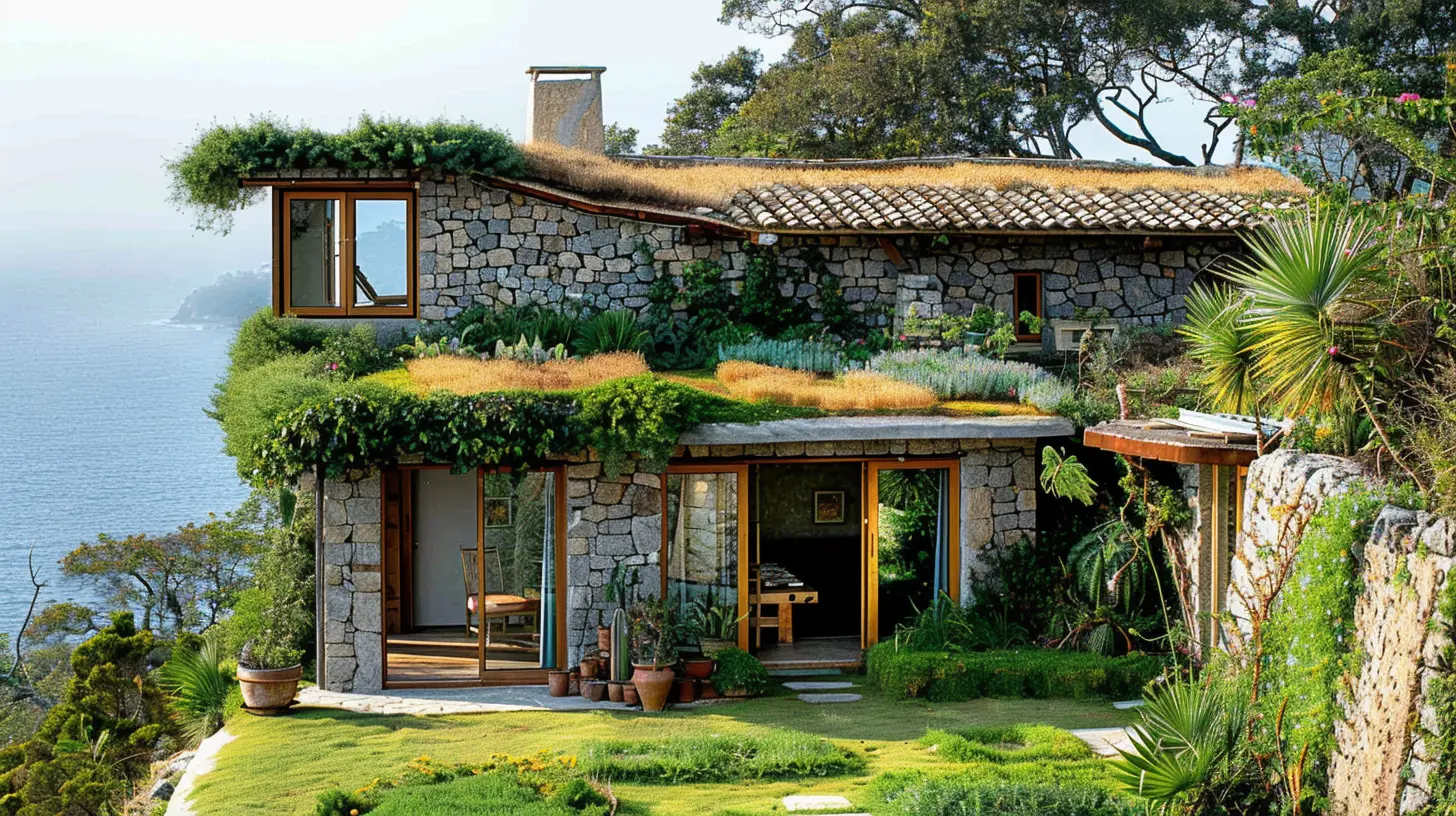
What is Hempcrete?
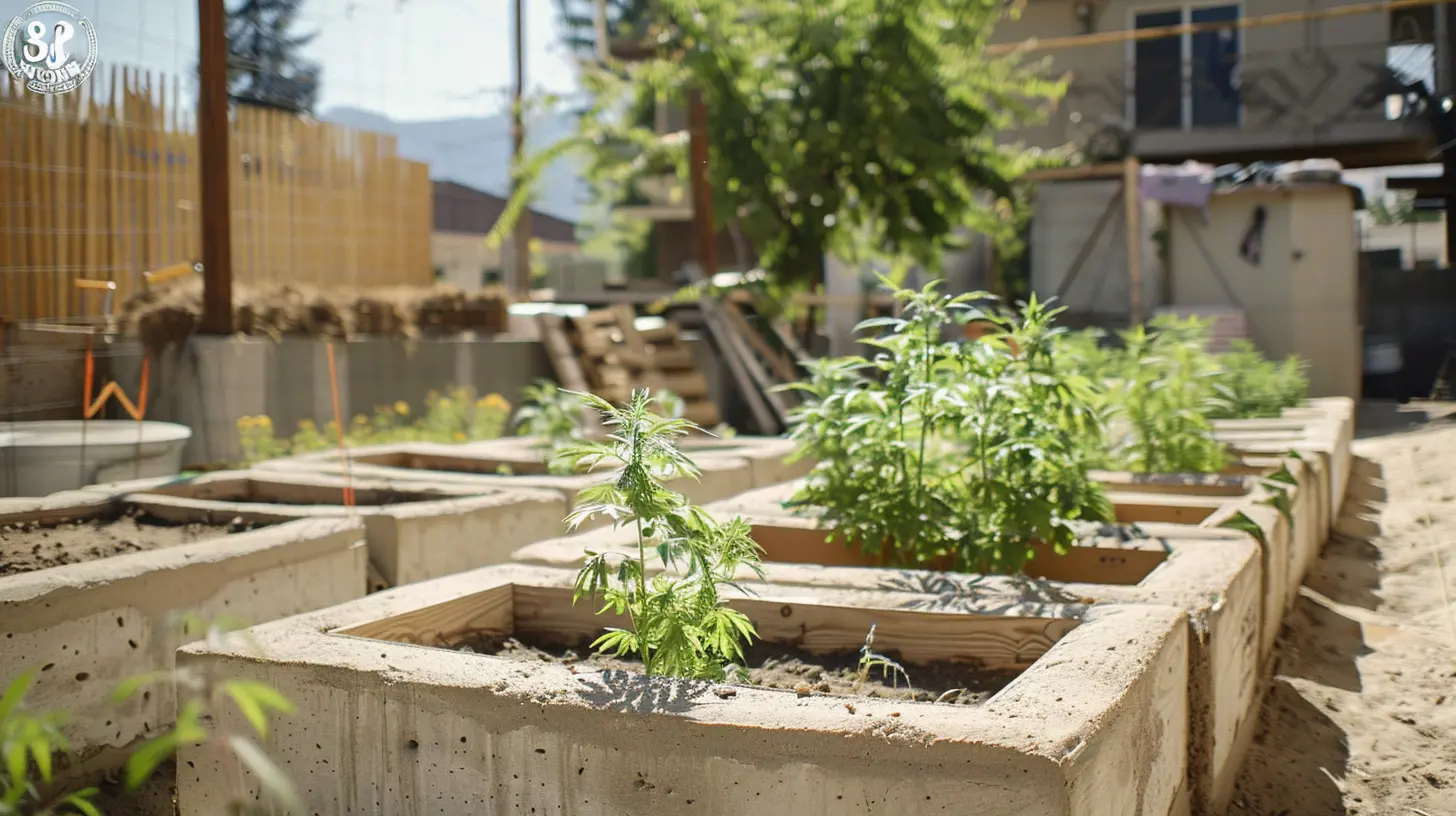
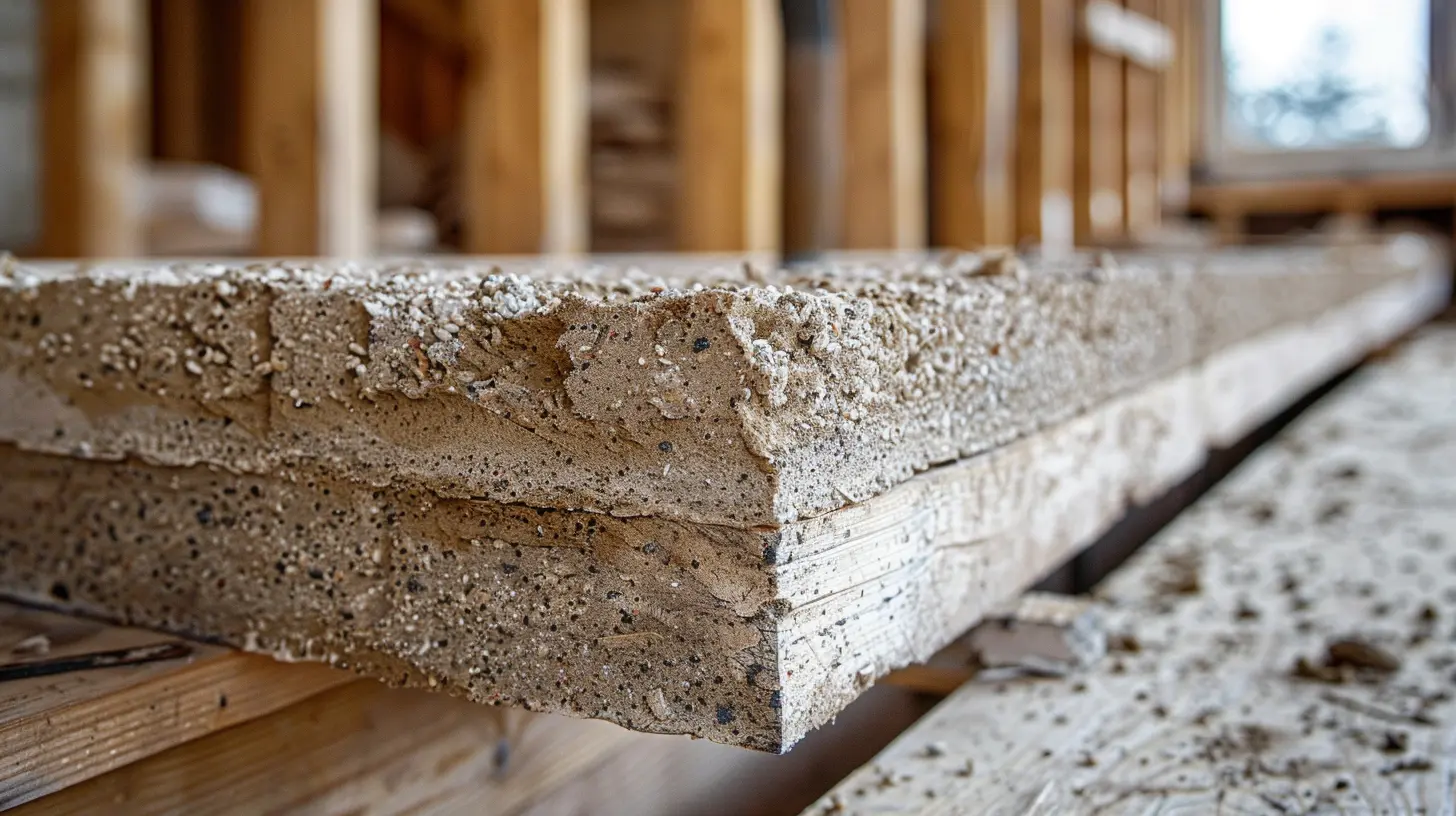
Hempcrete is a bio-composite material made from hemp hurds (the woody core of the hemp plant), lime, and water. The result? A lightweight, breathable, and highly insulating material that’s perfect for walls, insulation, and even flooring. Unlike traditional concrete, Hempcrete doesn’t just sit there—it breathes. It absorbs carbon dioxide, regulates humidity, and creates a healthier indoor environment.And the best part? Hemp grows ridiculously fast. Unlike trees, which take decades to mature, hemp reaches full growth in just four months. That means we can produce a huge supply of building material without waiting decades for resources to regenerate.
Why Is Hempcrete Gaining Popularity?
Let’s be real—concrete isn’t going anywhere. But there’s growing pressure to find alternatives that are better for the environment. That’s where Hempcrete shines. Here’s why more architects, builders, and eco-conscious homeowners are turning to it.1. Insane Sustainability Credentials
Hempcrete isn’t just a green material—it’s carbon-negative. This means it absorbs more CO₂ than it emits during production. While traditional concrete pumps out tons of carbon, Hempcrete locks it away, acting as a natural carbon sink.Each ton of hemp used in Hempcrete absorbs around 165 kilograms of CO₂ from the atmosphere. When you scale that up to an entire building? That’s massive in terms of environmental impact.
2. Superior Insulation & Energy Efficiency
Homes built with Hempcrete naturally regulate temperature and humidity. That means fewer air conditioners in the summer and less heating in the winter. Homeowners can expect lower energy bills while enjoying a comfortable indoor climate all year round.It’s breathable, too. Unlike synthetic insulation materials, Hempcrete allows moisture to pass through, reducing the risk of mold and improving indoor air quality. Less dampness, fewer allergens, and a fresher living space—what’s not to love?
3. Unmatched Durability and Longevity
Hempcrete doesn’t rot, warp, or weaken over time. In fact, it actually gets stronger. As it cures, the lime in the mix slowly turns into limestone, improving durability. And termites? Forget about them—Hempcrete is naturally resistant to pests, which means no toxic pesticides or unnecessary maintenance.Buildings made with this wonder material can easily last hundreds of years. That’s a level of longevity traditional materials struggle to achieve.
4. Fire and Mold Resistance
Traditional structures are vulnerable to fire, mold, and even pests. Hempcrete, on the other hand, is naturally resistant to all three. Its fire resistance means homes built with Hempcrete are incredibly safe, giving homeowners peace of mind.And because it doesn’t retain moisture like other materials, mold struggles to grow. That’s a huge win for families battling allergies or asthma.
5. Lightweight & Easy to Work With
While concrete is heavy and cumbersome, Hempcrete is light and easy to work with. It doesn’t need the same kind of heavy reinforcement, and its flexibility means it can adapt to different designs and shapes with ease.This makes it perfect for both new builds and retrofitting older homes. Plus, it drastically reduces transportation and construction costs.
The Downsides (Because Nothing is Perfect, Right?)
As promising as it sounds, Hempcrete isn’t without its challenges. It’s important to weigh the pros and cons before jumping in.1. Not a Structural Material
One big limitation of Hempcrete? It can’t replace structural concrete. While it’s great for insulation and non-load-bearing walls, it needs a supporting frame (typically wood or steel) to bear weight.2. Higher Upfront Costs
Yes, Hempcrete saves money in the long run, but getting started isn’t cheap. The cost of materials and the specialized labor required to work with it can be higher than traditional methods. However, as demand grows, prices are expected to drop.3. Building Codes & Regulations
Because Hempcrete is still relatively new, not all building codes recognize it yet. Regulations vary from region to region, making it difficult to get permits in some areas. That said, with the growing support for sustainable construction, governments are gradually warming up to Hempcrete.
Hempcrete and the Future of Sustainable Construction
Let’s face it—the way we build today needs to change. Climate change, resource depletion, and environmental degradation are serious threats, and traditional construction methods just aren’t cutting it anymore.Hempcrete represents a significant leap forward. It’s a proven, viable alternative that aligns with the urgent push for sustainable development. Sure, there are hurdles to overcome—but so was the case with solar panels, electric cars, and so many other game-changing innovations.
As more people realize its potential, we could very well be looking at a future where Hempcrete is a mainstream building material. Governments, investors, and forward-thinking builders are already showing increasing interest. If this momentum continues, Hempcrete might just reshape the construction industry for good.
Final Thoughts: Is Hempcrete the Future?
So, is Hempcrete the holy grail of sustainable building? Not quite—but it’s pretty damn close. While it won’t completely replace concrete anytime soon, its role in green construction is undeniable.If you're thinking of building or renovating a home with sustainability in mind, Hempcrete is worth considering. Not only will it shrink your carbon footprint, but it’ll also create a healthier, more energy-efficient, and durable living space.
And let’s be honest—who wouldn’t want a home that’s literally helping save the planet?
all images in this post were generated using AI tools
Category:
Building MaterialsAuthor:

Travis Lozano
Discussion
rate this article
1 comments
Pierce Hunter
Hempcrete is like the cool cousin of building materials. It's eco-friendly, lightweight, and packed with benefits. Who knew sustainable could be stylish? Time to put the "green" in your dream home!
August 20, 2026 at 2:57 AM