The Importance of Due Diligence in Foreclosure Purchases
12 November 2026
Buying a foreclosure property can be a golden opportunity to snag real estate at a bargain price. But here’s the catch—what looks like a great deal on paper can quickly turn into a financial nightmare if you don’t do your homework. That’s where due diligence comes in. It’s like peeking under the hood of a used car before handing over your cash—you wouldn’t skip that step, right?
In this article, we’re diving deep into why due diligence is crucial in foreclosure purchases, what steps you need to take, and how you can protect yourself from costly mistakes. If you’re thinking about buying a foreclosure, buckle up—this is a ride you don’t want to take blindfolded. 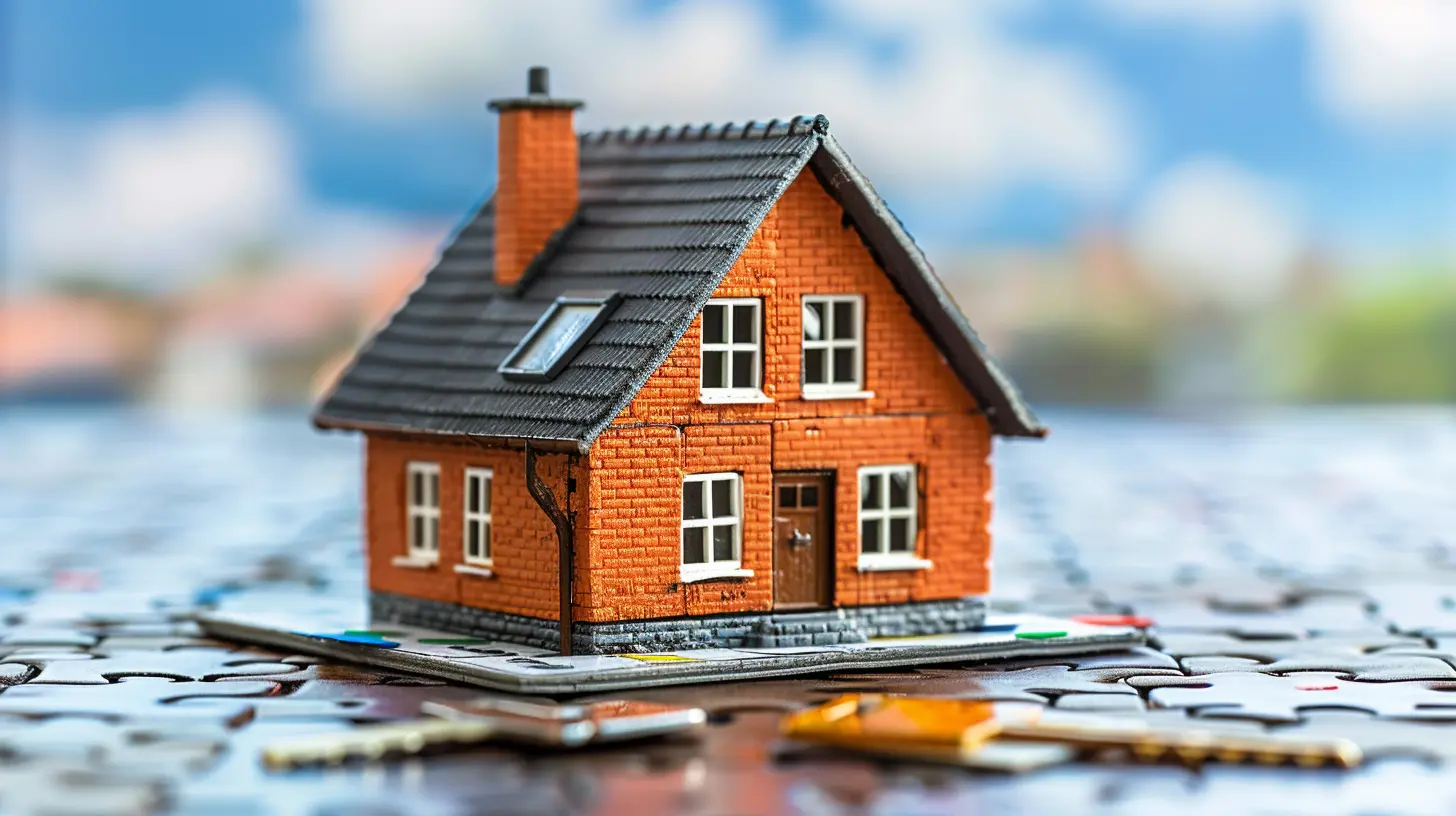
What Is Due Diligence in Foreclosure Purchases?
Simply put, due diligence is the research and investigation process buyers must undertake before making a purchase. When it comes to foreclosed properties, this process becomes even more critical since these homes are often sold "as-is," meaning there are no guarantees about their condition, title status, or hidden costs.Think of it as piecing together a puzzle. You need to gather as much information as possible before making an offer to ensure you're not walking into a money pit. 
Why Due Diligence Is Essential in Foreclosures
Foreclosure deals can be tempting because they often come with discounted prices. But what makes these properties cheaper? Risk. And without proper due diligence, you might be inheriting not just a home but a financial burden.1. Hidden Property Issues
Most foreclosures are distressed properties. The previous owner may have neglected maintenance due to financial struggles. Plumbing issues, mold infestations, structural damage—you name it. Unlike traditional home sales, foreclosure sellers (often banks) typically won’t disclose these problems.? Pro Tip: Always inspect the property if possible. If buying at an auction where inspections aren't allowed, be ready for potential major repairs.
2. Title Problems & Liens
A foreclosure doesn't always mean you're getting a clean title. There could be outstanding liens, unpaid taxes, or even legal disputes attached to the property. Guess who’s responsible for those after purchase? You.? Pro Tip: Always conduct a title search before buying. A title company can help reveal any hidden financial obligations so you’re not blindsided.
3. Occupancy Issues
Some foreclosure properties are still occupied—either by the previous owner, tenants, or even squatters. Evicting someone from a property, even if it's legally yours, can be a long and costly process.? Pro Tip: Check public records and drive by the property before bidding to avoid unexpected eviction battles.
4. Financing Challenges
Unlike traditional home purchases, financing a foreclosure can be tricky. Many foreclosed homes need significant repairs, which makes them ineligible for conventional loans. In some cases, buyers must pay in cash or use specialized loans like an FHA 203(k) mortgage.? Pro Tip: Get pre-approved for the right financing or have enough cash reserves to cover both purchase and renovation costs.
5. Market Value vs. Bargain Illusion
Just because a foreclosure seems cheap doesn’t mean it’s a good deal. Some properties are priced low for a reason—they need more repairs than they’re worth. Others might be in declining neighborhoods where property values are decreasing.? Pro Tip: Research comparable homes in the area to ensure the deal actually makes financial sense. 
Essential Due Diligence Steps Before Buying a Foreclosure
Now that we know the risks, let's talk about how to protect yourself. Here’s a step-by-step guide to performing due diligence before buying a foreclosure.Step 1: Research the Property’s History
Before bidding, gather as much background information as possible. Look into:- Ownership history – How long was the previous owner in possession?
- Past sale prices – Was this home significantly more expensive in the past?
- Current property tax status – Are there unpaid taxes that you’ll inherit?
A quick visit to the county assessor’s website can reveal a lot about a property’s financial past.
Step 2: Get a Title Search
A title search helps uncover any liens or claims on the property. If there are unpaid debts attached, you could be responsible for them, even if you’re the new owner.Consider purchasing title insurance to protect yourself from unforeseen title disputes.
Step 3: Estimate Repair & Renovation Costs
If you can’t inspect the property, try to assess its condition from the outside or check if previous listings have interior pictures. Some common repair issues in foreclosures include:- Roof damage
- Plumbing and electrical issues
- Foundation cracks
- Mold or pest infestations
- General neglect from prior owners
If possible, hire a contractor to provide repair estimates so you have a clear picture of potential costs.
Step 4: Understand the Buying Process
Not all foreclosures follow the same purchasing process. Some are sold via public auction, while others go through bank-owned (REO) sales. Know the rules before bidding.- Auction Sales – Often require all-cash payments and come with higher risks.
- REO Sales – Give you more time to inspect the property and allow financing options.
Each buying method has its pros and cons, so weigh them carefully.
Step 5: Work With Professionals
Foreclosure purchases aren’t easy, so it helps to have experts on your side. Consider:- Hiring a real estate agent experienced in foreclosures.
- Consulting a real estate attorney to review contracts and title issues.
- Working with a contractor for repair estimates.
This team can save you from costly mistakes and ensure you’re making a smart investment. 
Is Buying a Foreclosure Worth It?
Foreclosure properties can be a great investment, but only if you do your homework. Skipping due diligence is like buying a used car without test-driving it—you might get lucky, but there’s a huge chance you’ll end up with a lemon.If you take the time to investigate the property’s condition, check the title, and budget for repairs, you’re setting yourself up for success. But if you rush into the deal blindly, the "bargain" property could quickly become an expensive mistake.
In short? Foreclosures can be a great deal—but only for those willing to put in the work.
Final Thoughts
The allure of a cheap foreclosure can be tempting, but remember: foreclosures are discounted for a reason. Due diligence is your safety net, ensuring you don’t fall into a financial trap.Before making a move, research everything—from title checks to repair costs—so you know exactly what you're getting into. A little homework now can save you from a mountain of regret later.
So, if you're thinking about buying a foreclosure, be smart, be patient, and most importantly—do your due diligence!
all images in this post were generated using AI tools
Category:
ForeclosuresAuthor:

Travis Lozano