The Impact of 3D-Printed Materials on the Future of Construction
20 July 2026
The construction industry is on the brink of a revolution, and 3D-printed materials are leading the charge. Imagine a world where homes are built in a matter of days, where waste is nearly eliminated, and where affordable housing becomes a reality for millions. Sounds like science fiction, right? Well, it’s happening right now.
3D printing is no longer just for small gadgets and prototypes—it’s transforming how we build everything from homes to entire neighborhoods. And the best part? This groundbreaking technology is solving some of the biggest challenges in construction, from high costs to labor shortages.
So, what does this mean for the future of construction? Let’s dive in!
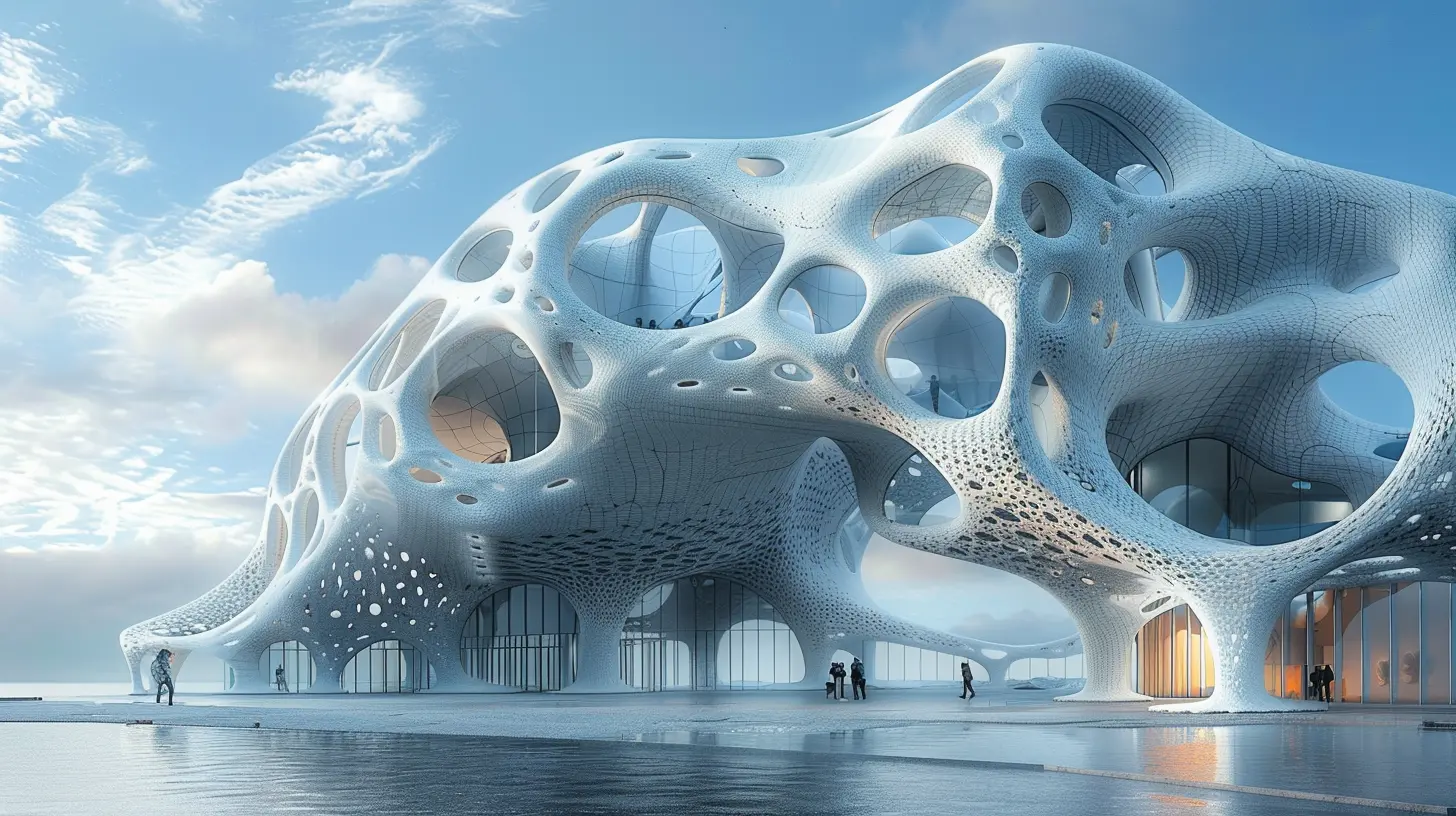
A Game Changer for the Construction Industry
We’ve all seen how traditional construction works—slow, expensive, and often wasteful. But 3D printing is turning that on its head. Using automated machines that layer materials like concrete, plastic, or even recycled materials, we can now "print" entire buildings.Faster Construction Times
Imagine needing a house and having it ready in just a few days. Sounds crazy, right? But that's exactly what 3D printing offers. Compared to traditional methods, which can take months (or even years for large projects), 3D-printed buildings take a fraction of the time.A great example is the world’s first 3D-printed neighborhood in Mexico. In just 24 hours, a fully livable home was printed. This speed isn’t just cool—it’s life-changing, especially in times of crisis when emergency shelters are needed.
Cutting Costs Without Cutting Quality
Let’s be real—construction is expensive. From labor to materials, costs can pile up fast. But 3D-printed buildings slash these expenses. Since they require fewer workers and minimal waste, the savings are massive.For example, a traditional home can cost hundreds of thousands of dollars, but with 3D printing, that number drops drastically. This affordability could make homeownership possible for millions who never thought it was an option.
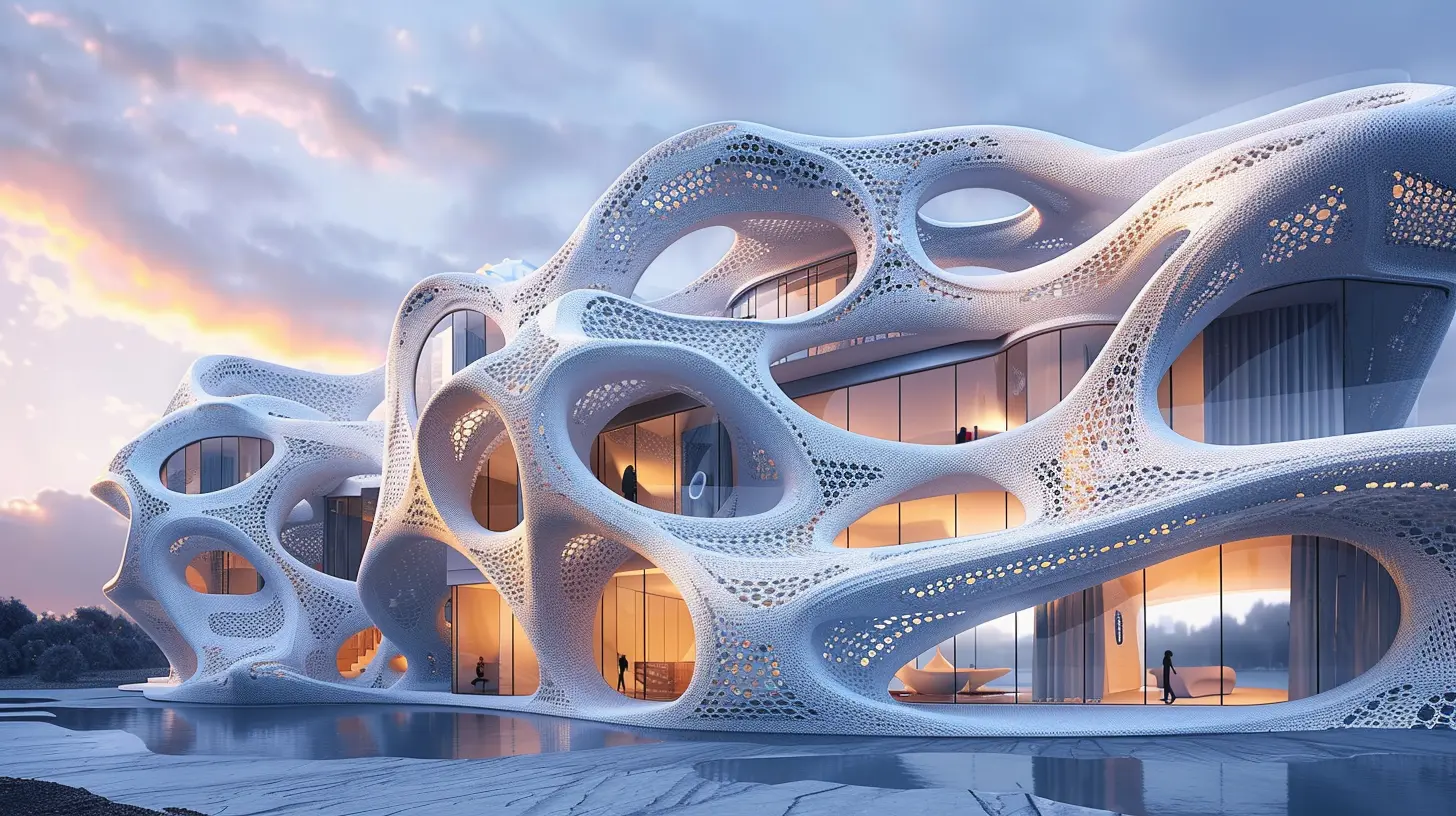
Sustainability: Building a Greener Future
Sustainability isn’t just a buzzword—it’s a necessity. And 3D printing is making construction greener than ever.Less Waste, More Efficiency
Traditional construction sites are notorious for producing tons of waste. Leftover wood, concrete, and other materials often end up in landfills. But with 3D printing, materials are used precisely, leaving little to no waste.Think of it like making a cake. Normally, you’d cut off excess frosting or batter, tossing the leftovers. But what if you could bake the cake to the exact shape, without any scraps? That’s what 3D printing does, but on a much bigger (and more eco-friendly) scale.
Eco-Friendly Materials
One of the coolest aspects of 3D printing is the ability to use sustainable materials. Some companies are experimenting with biodegradable plastics, recycled concrete, and even materials made from construction debris. Imagine a house built entirely from recycled waste—pretty incredible, right?Reduced Carbon Footprint
Since 3D printing is automated and precise, it reduces the need for heavy machinery and transportation, leading to lower carbon emissions. Unlike traditional construction, where trucks haul materials back and forth, 3D printing gets the job done with minimal movement.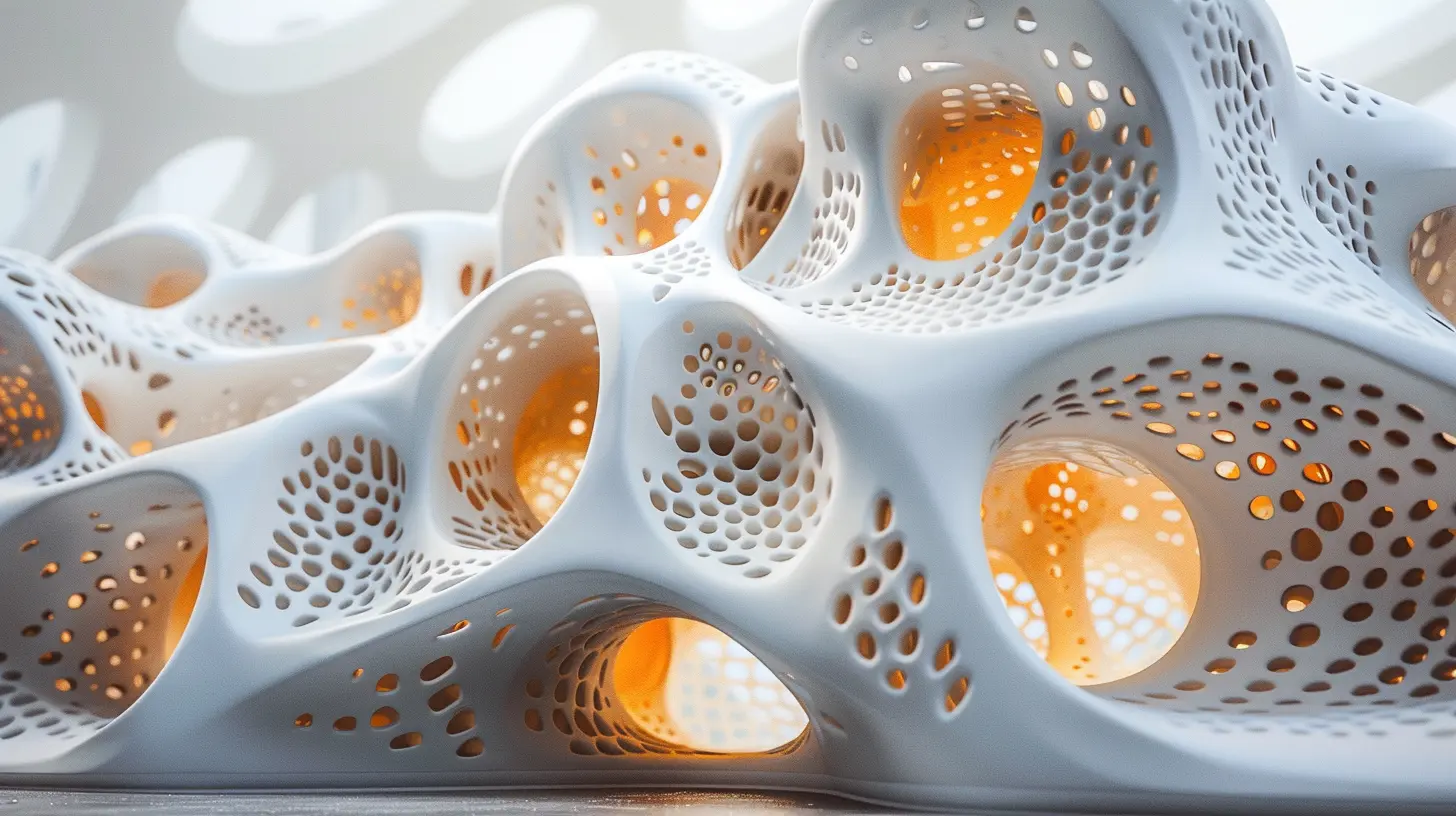
Tackling Labor Shortages in Construction
The construction industry has been struggling with labor shortages for years. Skilled workers are hard to find, and hiring them can be expensive. 3D printing is stepping in as a solution.Machines Doing the Heavy Lifting
With automated printing, fewer workers are needed on-site. Instead of teams of laborers, a few technicians oversee the printing process. This fills the labor gap and makes construction more efficient.Jobs Won’t Disappear—They’ll Evolve
Some fear that automation will take away jobs. But the truth? Jobs won’t vanish—they’ll evolve. Instead of laying bricks by hand, workers will learn to operate and maintain 3D printers. This shift creates new opportunities and better working conditions.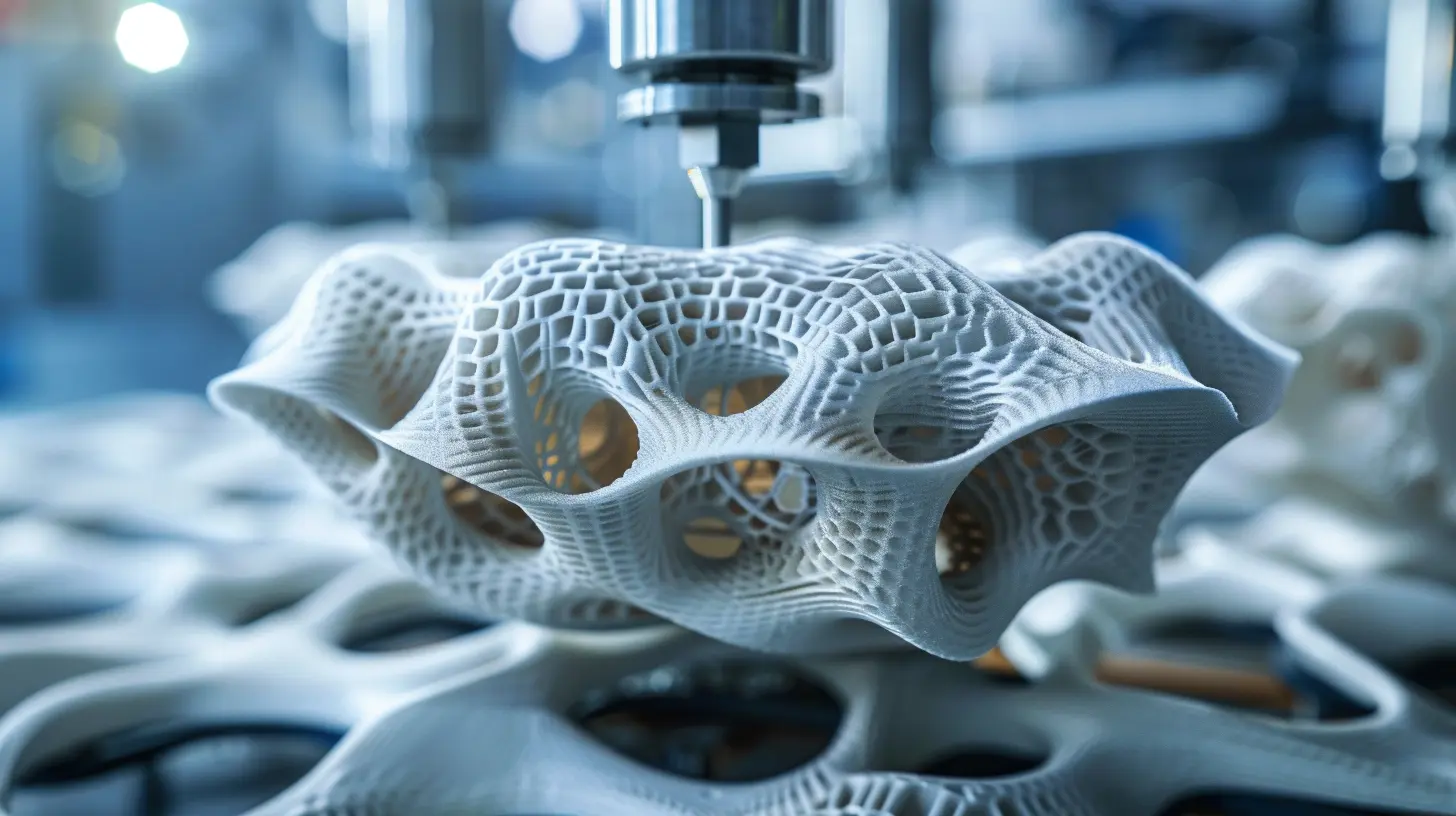
Customization: Dream Homes at the Push of a Button
One of the most exciting parts of 3D-printed construction is the ability to personalize designs like never before.Tailor-Made Homes for Everyone
With traditional construction, customization is costly and time-consuming. But with 3D printing, homeowners can choose unique designs without breaking the bank. From curved walls to intricate patterns, the possibilities are endless!Smart Homes on the Rise
As technology advances, 3D-printed homes can be integrated with smart systems, making them energy-efficient and future-proof. Imagine controlling your lights, temperature, and security with just a voice command—all in a home that was printed just for you.Disaster Relief and Affordable Housing
The potential of 3D printing goes far beyond fancy homes and futuristic designs—it can literally change lives.Rapid Response to Natural Disasters
After disasters like earthquakes or hurricanes, people are left homeless and vulnerable. Traditional rebuilding efforts can take months, if not years. But 3D printing can provide shelters within days, offering a quick and efficient solution during crises.Solving the Affordable Housing Crisis
Housing shortages and skyrocketing real estate prices have made homeownership a distant dream for many. But with 3D printing, affordable housing can be built quickly and cost-effectively, giving people a chance to own a home without drowning in debt.
Challenges and the Road Ahead
Of course, no technology is perfect. While 3D printing in construction has massive potential, there are still challenges to overcome.Building Codes and Regulations
Many regions still don’t have proper regulations for 3D-printed buildings. Governments and city planners need to catch up to ensure safety and standards are met.Material Limitations
Right now, most 3D-printed buildings use materials like concrete, which has its own environmental impact. Researchers are working on more sustainable options, but there’s still progress to be made.Public Perception
Let’s face it—change can be scary. Many people are skeptical about living in a 3D-printed home, fearing it might not be as durable as traditionally built ones. But as more successful projects emerge, people’s perceptions are shifting.Final Thoughts: A Future Built by 3D Printing
The construction industry is evolving, and 3D-printed materials are playing a key role in shaping the future. Homes are being built faster, cheaper, and more sustainably than ever before.Will there be challenges? Absolutely. But the potential to solve housing shortages, tackle labor shortages, and create greener buildings makes 3D printing one of the most exciting innovations in construction today.
So, the next time you see a house, ask yourself: Could it be possible that one day, all homes will be 3D printed? The future of construction is here—and it’s only just getting started.
all images in this post were generated using AI tools
Category:
Building MaterialsAuthor:

Travis Lozano
Discussion
rate this article
1 comments
Ainsley Ellison
3D-printed materials are changing construction by boosting efficiency and reducing waste. As technology advances, we can expect innovative designs and affordable housing solutions that meet modern needs while minimizing environmental impact.
July 25, 2026 at 3:34 AM
Travis Lozano
Absolutely, the potential of 3D-printed materials to revolutionize construction is immense. By enhancing efficiency and sustainability, they pave the way for creative designs and affordable housing that align with today's priorities.