The Future of Glass as a Key Building Material in Modern Architecture
21 January 2026
Glass has been around for centuries, yet its role in architecture continues to evolve at an astonishing pace. From towering skyscrapers with shimmering facades to energy-efficient smart windows, glass is redefining modern buildings. But where is this trend heading? Will glass continue to dominate, or are we nearing the limits of its potential?
In this article, we’ll take a deep dive into the future of glass as a building material, exploring its innovations, benefits, and challenges.
Why Glass Has Taken Over Modern Architecture
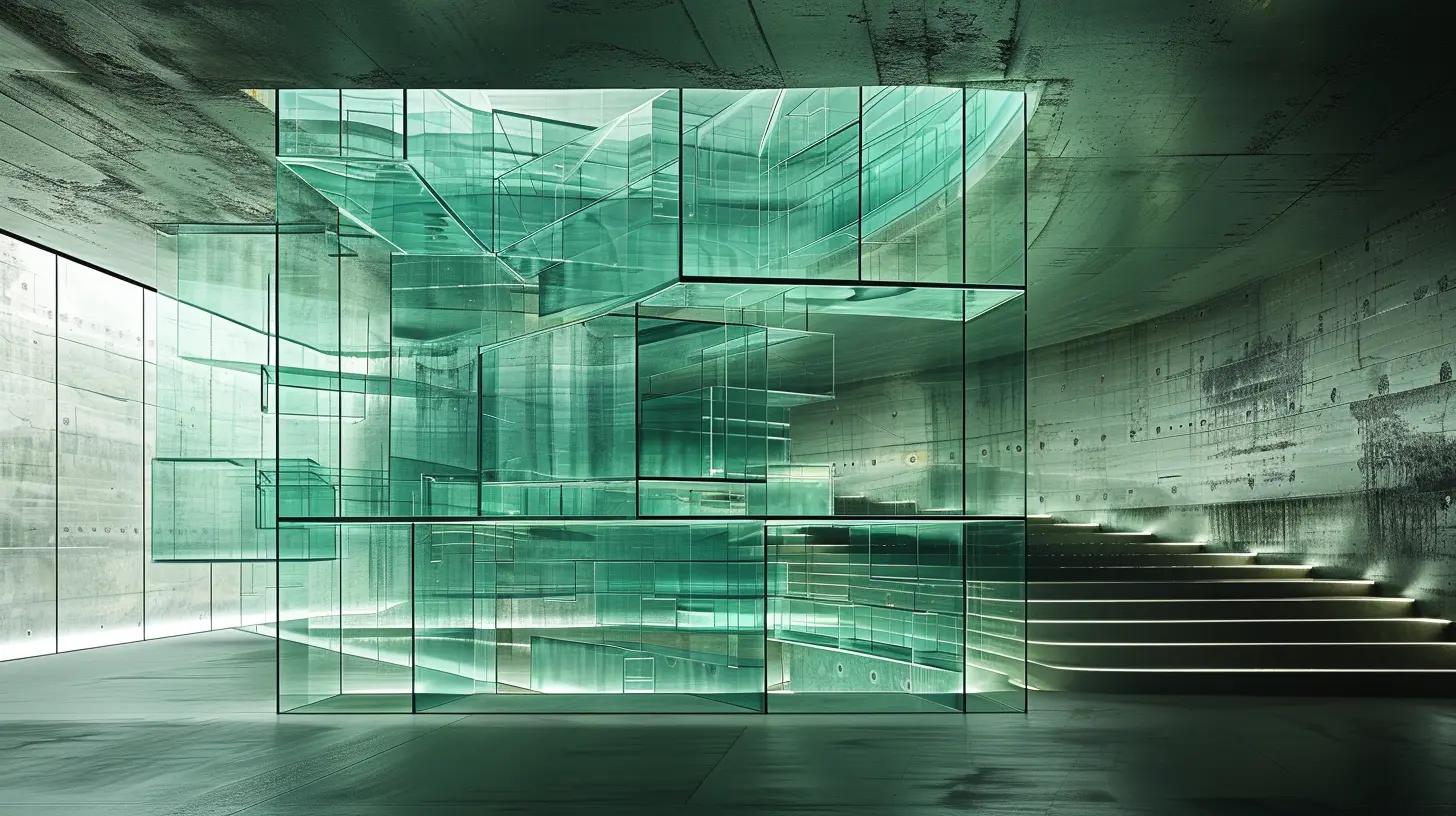
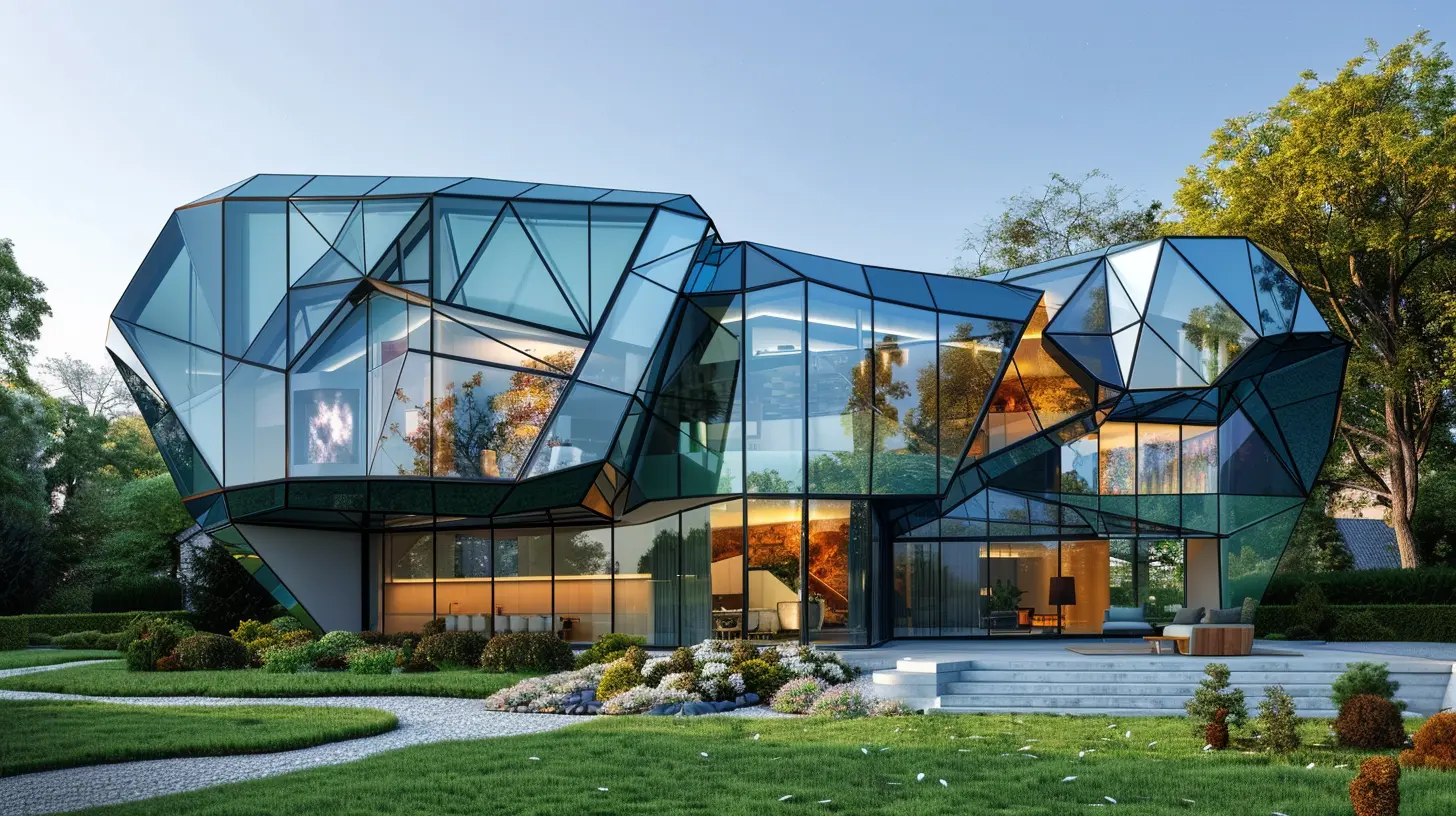
Take a glance at any modern city skyline, and you’ll see glass-clad structures everywhere. It’s no coincidence—glass offers a mix of aesthetics, functionality, and sustainability that few other materials can match. Here’s why architects love it:- Transparency and Natural Light – Glass allows buildings to maximize natural light, reducing the need for artificial lighting and enhancing indoor spaces.
- Sleek, Modern Aesthetic – It gives buildings a futuristic, elegant look that appeals to contemporary tastes.
- Energy Efficiency – Innovations like double-glazing, low-E coatings, and smart glass make it an energy-efficient option.
- Structural Versatility – Advances in glass manufacturing have made it stronger and more adaptable than ever before.
But with glass walls becoming the norm, where do we go from here? Let’s take a look at future innovations that are set to shape the industry.
The Rise of Smart Glass
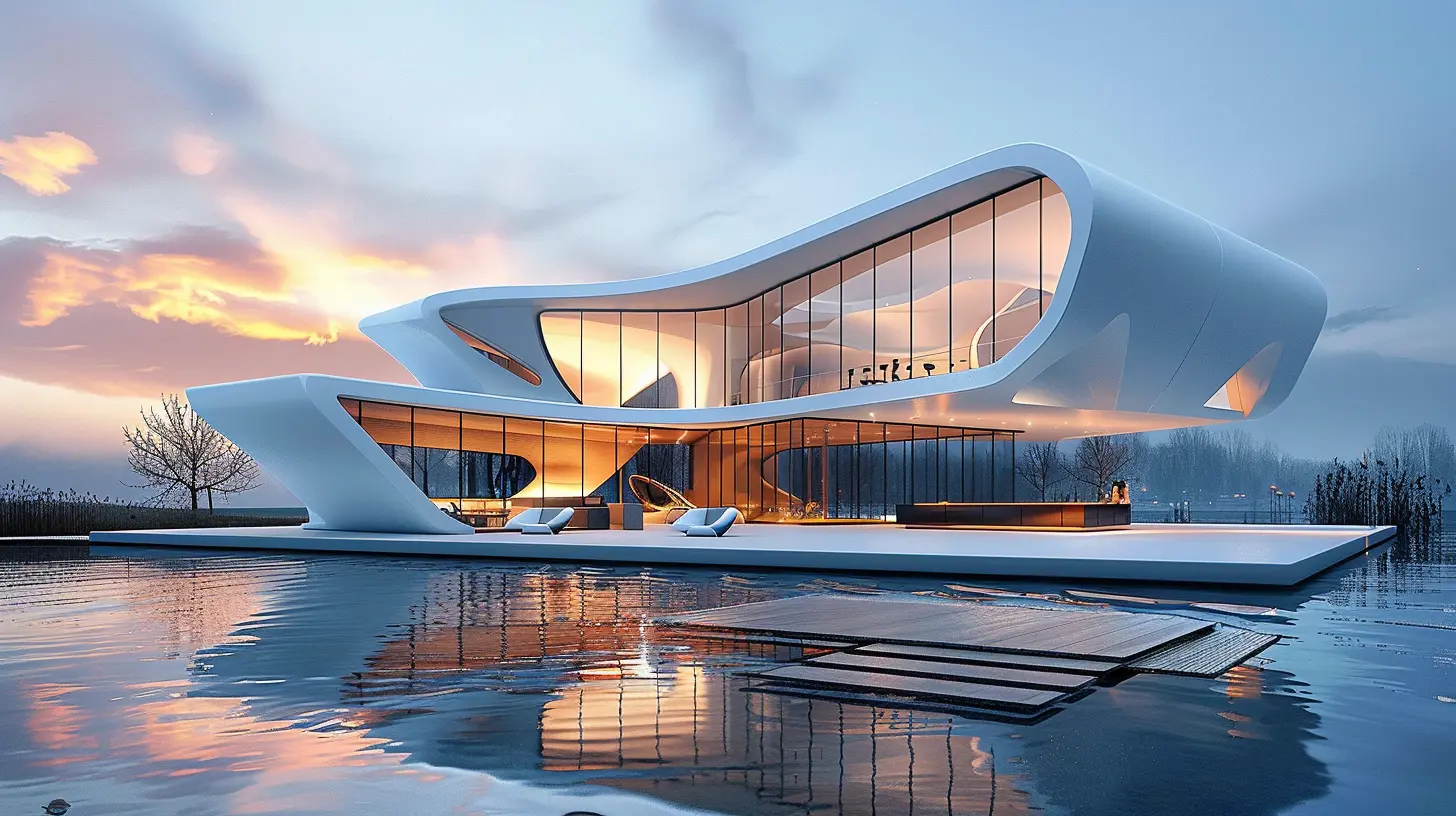
Smart glass, also known as switchable glass, is a game-changer. Imagine windows that can tint automatically with the push of a button or even adjust themselves based on sunlight exposure. Sounds like something out of a sci-fi movie, right? Well, it’s already here.How Does Smart Glass Work?
There are different types of smart glass, including:- Electrochromic Glass – Uses electric currents to change opacity. Ideal for smart windows and privacy panels.
- Thermochromic Glass – Responds to temperature changes, adjusting tint to regulate indoor temperatures.
- Photochromic Glass – Reacts to sunlight intensity, similar to transition lenses in eyeglasses.
Benefits of Smart Glass
- Energy Savings – Reduces heating and cooling costs by blocking excess heat in summer and retaining warmth in winter.- Enhanced Comfort – Eliminates glare and excessive brightness without the need for blinds or curtains.
- Improved Privacy – With the ability to switch from clear to opaque, smart glass enhances privacy for homes and offices.
As technology advances, smart glass will become even more efficient and affordable, making its way into more homes and commercial buildings.
Self-Healing Glass: A Revolutionary Innovation
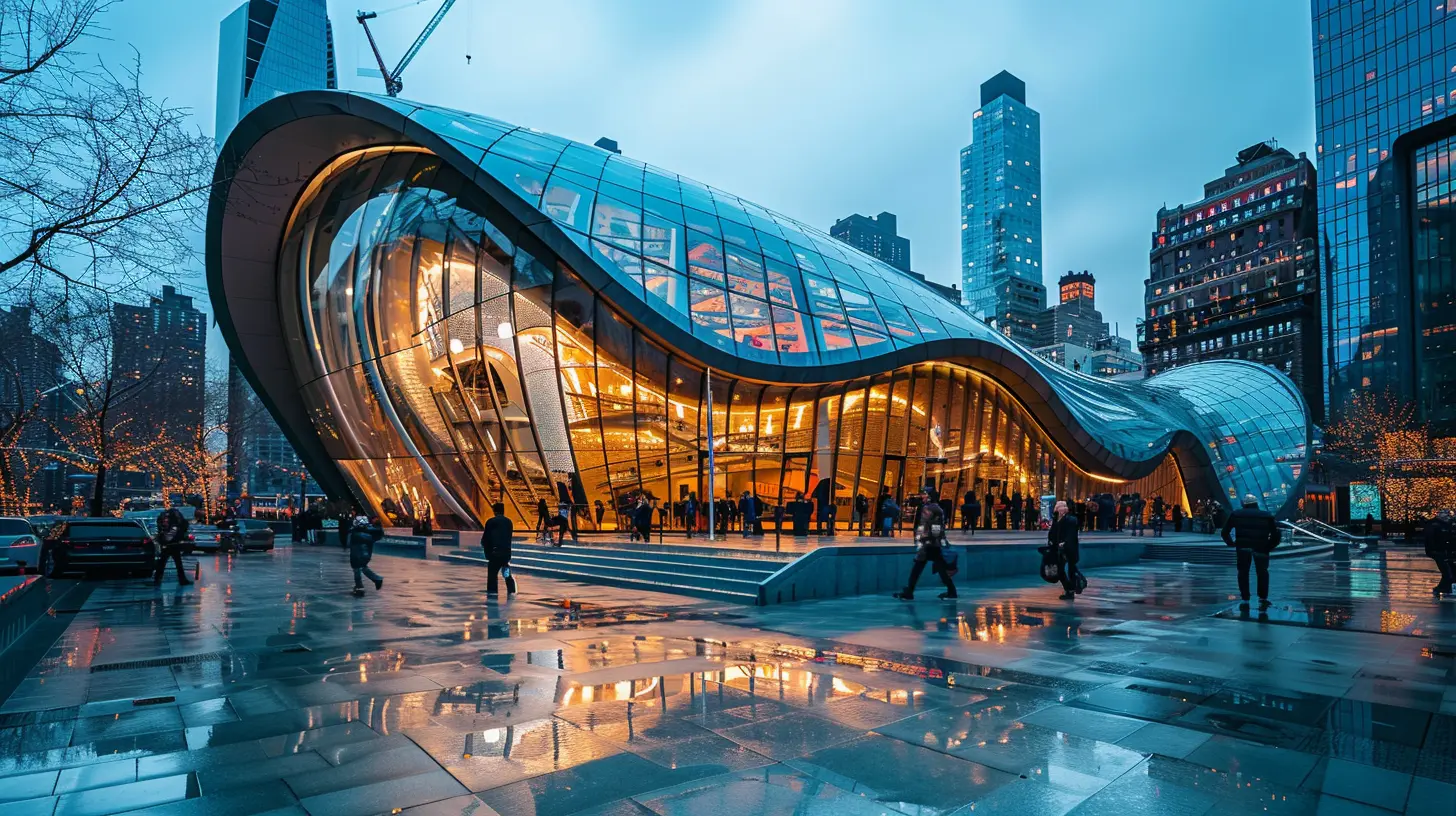
One of the biggest drawbacks of glass is its fragility. A single crack can ruin an entire panel. But what if glass could repair itself? Enter self-healing glass, an innovation that could drastically change how we think about durability.Researchers are developing glass infused with polymer molecules that can “heal” cracks when exposed to heat, light, or a special chemical reaction. Not only could this extend the lifespan of glass structures, but it could also reduce maintenance costs and environmental waste.
Imagine walking into a skyscraper where tiny cracks in windows simply disappear overnight. That’s the future we’re heading toward.
Ultra-Thin yet Ultra-Strong Glass
Traditionally, thicker glass meant stronger glass. But advancements in nanotechnology are proving that’s not always the case. Ultra-thin glass—as thin as a human hair—is being developed with superior strength and flexibility.- Can bend without breaking
- Weighs significantly less than conventional glass
- Ideal for futuristic, lightweight building designs
This innovation could lead to skyscrapers with even larger glass spans without compromising safety or insulation.
Solar Glass: Turning Windows into Power Sources
With sustainability becoming a top priority in architecture, the demand for renewable energy solutions is rising. Solar glass, or photovoltaic glass, is at the forefront of this revolution.Imagine a world where every window doubles as a solar panel, generating electricity while maintaining transparency. This technology is already in use, with companies developing solar glass that can harness energy from the sun without sacrificing natural light.
Why Solar Glass is a Game-Changer
- Reduces reliance on fossil fuels by turning buildings into their own power sources.- Cuts energy bills, making buildings more self-sufficient.
- Preserves aesthetics while contributing to sustainability.
As efficiency improves and costs decrease, solar glass could become a standard feature in new construction projects.
The Challenges of Glass in Architecture
While glass is shaping the future of design, it still comes with its challenges:- Heat Gain & Energy Loss – Without proper coatings or insulation, glass buildings can become energy guzzlers.
- Glare Issues – Excessive sunlight exposure can cause discomfort for building occupants.
- Bird Collisions – Highly reflective glass facades can be deadly for birds, prompting calls for wildlife-friendly alternatives.
Architects and engineers are tackling these issues with smart coatings, improved glazing techniques, and even bird-safe patterns to minimize environmental impact.
What’s Next for Glass in Architecture?
Looking ahead, the integration of AI and nanotechnology will continue to push the limits of what glass can do. Future buildings may feature:- AI-driven glass facades that adjust tinting and insulation in real time.
- Fully transparent solar glass that maximizes renewable energy without losing clarity.
- Self-repairing glass that eliminates the need for costly replacements.
With these advancements, glass may not just remain a key building material—it could become the backbone of next-generation eco-friendly, intelligent architecture.
Final Thoughts
The future of glass in architecture is nothing short of revolutionary. From smart glass that adapts to its environment to self-healing and energy-generating windows, glass is on track to becoming one of the most powerful materials in modern design.As technology advances, we can expect stronger, more sustainable, and more intelligent glass solutions that redefine how we build our cities. So, the next time you admire a gleaming glass skyscraper, just know—it’s only a glimpse of what’s to come.
all images in this post were generated using AI tools
Category:
Building MaterialsAuthor:

Travis Lozano
Discussion
rate this article
2 comments
Briar McAlister
Great article! The innovative use of glass in architecture not only enhances aesthetics but also promotes sustainability and natural light. It's exciting to see how this material is shaping modern designs and creating beautiful, energy-efficient spaces for future generations. Keep up the fantastic insights!
February 9, 2026 at 5:46 AM
Travis Lozano
Thank you for your thoughtful comment! I'm glad you enjoyed the article and share the excitement about glass's role in sustainable architecture.
Ardyn McDonough
Glass brings light and transparency, enhancing well-being in modern architectural spaces.
January 24, 2026 at 4:40 AM
Travis Lozano
Thank you! Glass indeed plays a crucial role in creating uplifting and open environments in contemporary architecture.