The Connection Between Zoning and Property Taxes
24 March 2026
When it comes to property ownership, few things are as important—and confusing—as zoning laws and property taxes. While these two concepts might seem unrelated, they are actually deeply connected. Whether you're a homeowner, an investor, or just someone trying to understand how local governments operate, grasping the relationship between zoning and property taxes can help you make more informed decisions.
So, buckle up because we're diving deep into the world of zoning laws and how they can affect the amount of money you owe in property taxes each year.
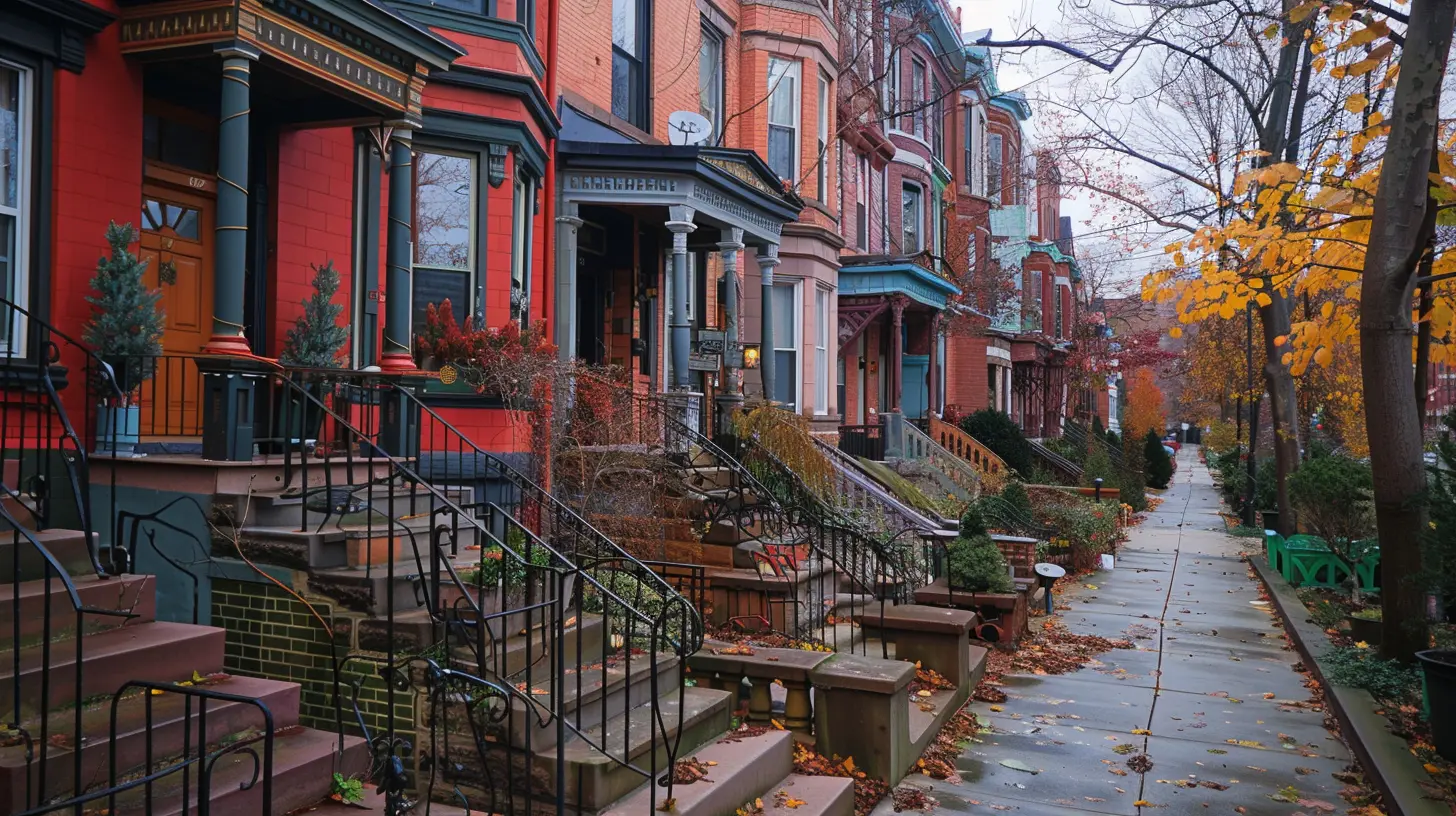
What Is Zoning?
Let’s start with the basics. Zoning is essentially how local governments regulate land use within their boundaries. It determines what can—and can't—be built in specific areas. The idea is to keep communities organized, ensure proper land use, and maintain order among residential, commercial, and industrial properties.Zoning laws categorize land into different types:
- Residential Zoning – Areas designated for homes, apartments, and other living spaces.
- Commercial Zoning – Set aside for businesses, such as shops, restaurants, and office buildings.
- Industrial Zoning – Reserved for factories, warehouses, and production facilities.
- Mixed-Use Zoning – Allows multiple types of properties within the same area (think of apartments above retail stores).
Each zoning classification comes with its own rules and regulations. Some zones allow taller buildings; others restrict what kind of business can operate there. But what does all this have to do with property taxes? Let’s break it down.
How Zoning Impacts Property Value
If you’ve ever wondered why two identical homes can have drastically different property tax bills, zoning can be one big reason.Property taxes are primarily based on a property’s assessed value, meaning the higher the value, the more taxes you'll pay. And guess what? Zoning plays a crucial role in determining property values.
- High-Demand Zoning Areas Mean Higher Property Values – A property in a prime commercial or high-end residential zone will generally be worth more than one in a low-density rural area. More value means higher property taxes.
- Zoning Restrictions Can Limit Property Use – If you're in an area with strict zoning laws (like a historic district), it may reduce how much you can improve or modify your property, keeping values lower, and in turn, keeping taxes down.
- Rezoning Can Increase (or Decrease) Your Property Taxes – If your local government rezones your land from residential to commercial, your property might skyrocket in value. But along with that, expect a hefty increase in property taxes.
Essentially, zoning dictates land value, and land value dictates property taxes. Let’s dig even deeper.
Why Commercial Properties Pay Higher Taxes
Ever notice that businesses tend to have much higher property tax bills than homes? That’s because commercial properties are often zoned in areas with higher land value and are subject to different tax rates.Local governments know that businesses generate revenue, and as a result, they often impose higher tax rates on commercial properties compared to residential ones. Here’s why:
- Increased Infrastructure & Services – Commercial areas require more roads, parking, utilities, and emergency services, which all cost money. Higher taxes help cover these expenses.
- Profit Generation – Unlike residential properties, which are primarily for living, commercial properties are used to make money. Governments justify taxing them more because they bring in income.
- Zoning Regulations Make Commercial Land Scarce – Many cities limit commercial zoning to specific areas. This scarcity drives up property values, which directly leads to higher taxes.
So, if you're eyeing an investment property, keep zoning in mind—residential properties usually have lower tax burdens than commercial ones.
How Rezoning Can Cause Tax Surprises
A zoning change isn’t always something property owners actively seek out—but when it happens, it can create a financial rollercoaster.Upzoning: A Double-Edged Sword
Upzoning occurs when a property is rezoned to allow for more intensive use—such as turning single-family lots into multi-unit apartment buildings or allowing commercial use. This might sound like a good thing (hello, increased property value!), but it also means higher property taxes.If your home is suddenly zoned for commercial use, your taxes could skyrocket—even if you don’t plan on changing anything about your property. Local governments assume your property is now more valuable, so they adjust your taxes accordingly.
Downzoning: A Blessing or a Curse?
On the flip side, if a property is rezoned for less intensive use (for example, commercial land gets rezoned for only residential housing), property values often drop. This can be beneficial if you're looking to cut your tax bill, but not so great if you were banking on selling at a higher price.Moral of the story? Keep an eye on zoning changes in your area. They can significantly impact your property tax bill, sometimes without warning.
Tax Incentives for Certain Zoning Categories
Here’s some good news—certain zoning classifications come with tax breaks. Some local governments offer incentives to encourage certain types of development or land use.- Agricultural Zoning – Many counties provide lower property tax rates for farmland to support local agriculture.
- Historic Preservation Zones – If your property is in a historic district, you might qualify for tax reductions to encourage preservation.
- Enterprise or Opportunity Zones – Some economically disadvantaged areas have lower tax rates to attract businesses and investors.
If you own property in these zones, you might be eligible for savings—so always check with your local tax assessor’s office.
The Role of Local Government in Zoning and Taxes
At the end of the day, your local government calls the shots when it comes to both zoning laws and property taxes. City councils, planning commissions, and tax assessors work together to ensure communities are well-planned and financially stable.Why Do Local Governments Care About Zoning and Taxes?
Property taxes are one of the primary ways local governments fund essential services like:- Public schools
- Fire and police departments
- Roads and infrastructure
- Parks and recreational facilities
Zoning helps them control growth and development while ensuring they collect enough tax revenue to support these services. That’s why rezoning decisions are often controversial—they directly impact how tax money is collected and spent.
Final Thoughts
Understanding the connection between zoning and property taxes is crucial whether you're a homeowner, investor, or business owner. The type of zoning your property falls under will directly affect its value—determining how much you pay in taxes each year.If you're thinking of buying property, it’s always a good idea to research zoning laws in the area. And if you already own property, keep an eye on any zoning changes—they could significantly impact your tax bill.
At the end of the day, zoning isn't just about where you can build what—it's also about how much you’ll be paying in taxes. So next time you get that property tax bill, remember: zoning played a big role in determining that number!
all images in this post were generated using AI tools
Category:
Zoning RegulationsAuthor:

Travis Lozano
Discussion
rate this article
2 comments
Eden Wallace
This article brilliantly highlights how zoning regulations influence property taxes. Understanding this connection is crucial for homeowners and investors alike, as it impacts property values and long-term investment strategies. Great insights!
April 3, 2026 at 3:05 AM
Travis Lozano
Thank you for your insightful comment! I'm glad you found the connections between zoning regulations and property taxes valuable for homeowners and investors.
Olive Willis
This article insightfully highlights how zoning regulations influence property taxes, emphasizing the need for policymakers to balance development goals with equitable tax structures, ultimately shaping community growth and sustainability.
March 26, 2026 at 3:58 AM
Travis Lozano
Thank you for your insightful comment! I appreciate your recognition of the crucial link between zoning regulations and property taxes in shaping sustainable community development.