The Best Green Building Materials for a Healthier Living Space
31 August 2026
When you think about creating a home, you probably picture a cozy, comfortable space that feels safe and inviting. But have you ever considered what’s actually inside the walls, floors, and ceilings that make up your home? The truth is, traditional building materials can sometimes contain harmful chemicals and toxins that affect not only the environment but also your health.
That’s where green building materials come to the rescue. These eco-friendly alternatives not only reduce your carbon footprint but also create a healthier living space for you and your family. If you're looking to build or renovate with sustainability in mind, this guide covers some of the best green building materials that’ll help you achieve a healthier home.
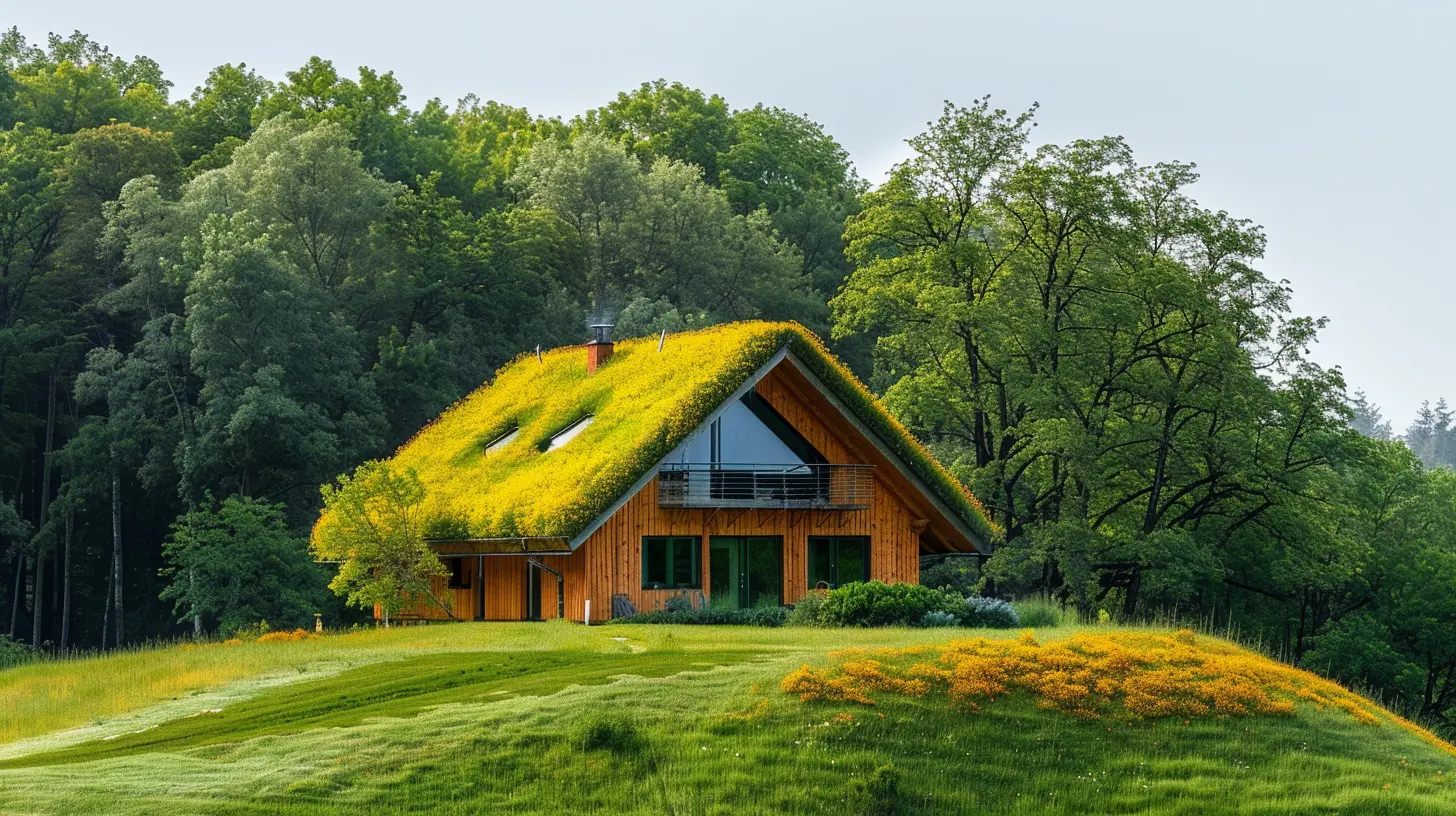
Why Choose Green Building Materials?
Before we dive into the specifics, let’s talk about why green materials matter. Using sustainable building materials offers several benefits:✅ Better Indoor Air Quality – Many conventional materials release volatile organic compounds (VOCs) that can lead to allergies and respiratory issues. Green materials minimize these risks.
✅ Energy Efficiency – Sustainable materials often provide better insulation and reduce energy consumption, leading to lower utility bills.
✅ Durability & Longevity – Many eco-friendly materials are designed to last, which means fewer replacements and less waste over time.
✅ Environmental Protection – By choosing sustainable options, you’re helping reduce pollution, conserve natural resources, and lower greenhouse gas emissions.
Now, let’s explore some of the best eco-friendly materials available today.
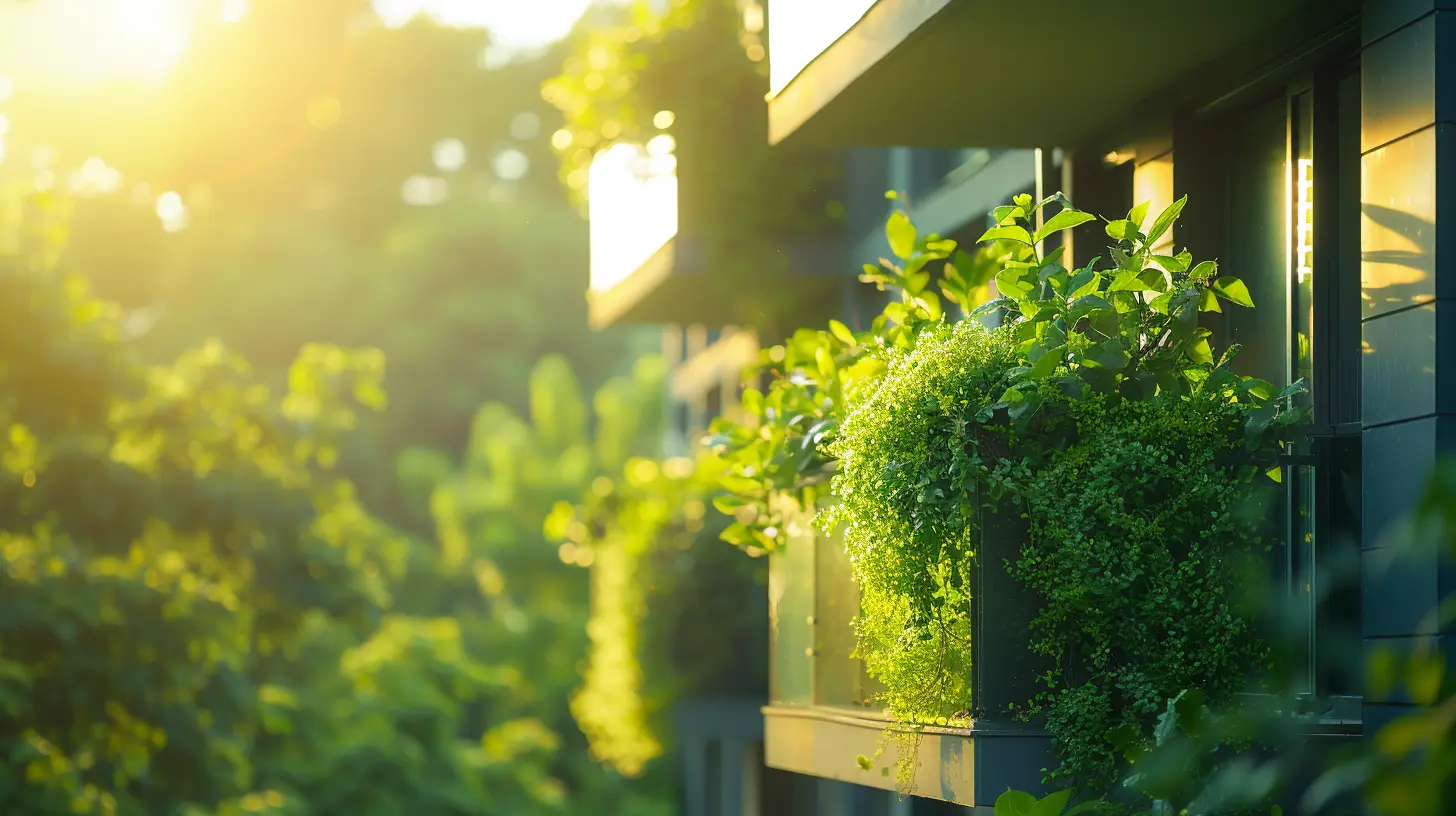
1. Bamboo – A Renewable Superstar
Bamboo is often called the "green gold" of building materials, and for good reason. Unlike traditional hardwoods that take decades to grow, bamboo matures in just 3-5 years. This makes it an incredibly renewable resource.Why It’s a Great Choice:
- Fast-growing & sustainable – Unlike oak or pine, bamboo regenerates quickly, even after harvesting.- Durable & strong – It’s tougher than many hardwoods and can withstand heavy use.
- Low environmental impact – Bamboo requires little water and no pesticides to thrive.
You can use bamboo for flooring, furniture, cabinetry, and even structural elements like beams and panels.
2. Reclaimed Wood – Beauty with a History
Looking for a material that adds character and warmth to your home? Reclaimed wood is the perfect choice. Sourced from old barns, factories, and warehouses, this material breathes new life into aged timber.Why It’s a Great Choice:
- Prevents deforestation – Instead of cutting down new trees, you’re repurposing existing wood.- Unique aesthetics – Each piece carries a story, offering a rustic and charming look.
- Strength & durability – Older wood tends to be denser and more resilient than freshly cut timber.
Use it for flooring, accent walls, countertops, or exposed beams. The result? A beautiful, eco-friendly home with tons of personality.
3. Cork – Lightweight and Sustainable
Cork isn’t just for wine bottles! It’s an exceptional building material that comes straight from the bark of cork oak trees. The best part? Harvesting cork doesn’t harm the tree—it continues to grow and can be harvested repeatedly.Why It’s a Great Choice:
- Naturally insulating – Cork helps maintain indoor temperatures, reducing energy use.- Soft & comfortable – It provides a cushioned surface, perfect for flooring.
- Mold & pest resistant – Unlike some woods, cork naturally resists mold, mildew, and insects.
Cork is great for flooring, wall panels, and soundproofing. Plus, it adds a modern, stylish touch to interiors.
4. Recycled Metal – A Tough & Sustainable Option
Steel and aluminum aren’t usually the first materials that come to mind when thinking "eco-friendly," but when they’re recycled, they’re a fantastic green option. Reusing metal significantly reduces energy consumption compared to producing new metal from raw materials.Why It’s a Great Choice:
- Highly durable – Metal structures withstand extreme weather conditions and last for decades.- Low maintenance – Unlike wood, metal doesn’t warp, crack, or succumb to termites.
- 100% recyclable – At the end of its lifecycle, metal can be recycled without losing its properties.
Consider recycled metal for roofing, beams, and even decorative elements like railings and staircases.
5. Recycled Glass – A Stunning and Eco-Friendly Choice
Recycling glass into countertops, backsplashes, and tiles gives waste glass a second life instead of ending up in landfills.Why It’s a Great Choice:
- Aesthetic appeal – It comes in a variety of colors and patterns for a unique look.- Highly durable – Glass is resistant to stains, scratches, and moisture.
- Eco-conscious – Keeps millions of bottles and jars out of landfills.
Glass is a stylish, sustainable feature for kitchens, bathrooms, and decorative walls.
6. Sheep’s Wool Insulation – Natural & Effective
Traditional insulation materials like fiberglass can contain chemicals that irritate the skin and lungs. Enter sheep’s wool—a completely natural, renewable, and highly effective insulator.Why It’s a Great Choice:
- Exceptional thermal insulation – Keeps your home warm in winter and cool in summer.- Breathable & moisture-resistant – Wool naturally absorbs and releases moisture without losing its insulating properties.
- All-natural & chemical-free – Safe for homeowners and the environment.
Wool insulation is an excellent alternative to synthetic insulation materials and contributes to a toxin-free home.
7. Clay & Adobe – Timeless Natural Materials
Used for centuries in home construction, clay and adobe provide excellent insulation and a unique, earthy aesthetic. These materials are made from natural soil, sand, and water, reducing the need for synthetic materials.Why It’s a Great Choice:
- Energy-efficient – Natural thermal mass helps regulate indoor temperatures.- Non-toxic & breathable – No off-gassing or chemical exposure.
- Aesthetic versatility – Works beautifully for walls, fireplaces, and floors.
If you love the look of Mediterranean or Southwestern-style homes, clay and adobe are fantastic materials to consider.
8. Straw Bale – A Surprising Insulation Powerhouse
It may sound unconventional, but straw bale construction is one of the most energy-efficient and sustainable building methods available. Straw is a byproduct of grain harvesting, making it a highly renewable resource.Why It’s a Great Choice:
- Superb insulation – Straw bales provide excellent temperature and sound insulation.- Affordable & readily available – A cost-effective option compared to traditional insulation.
- Biodegradable & non-toxic – No harmful chemicals or synthetic materials.
Straw bales are often used for walls in custom-built eco-homes, offering both sustainability and comfort.
Final Thoughts – Build Green, Live Healthy
Choosing green building materials isn’t just about protecting the environment—it’s about creating a safe, healthy, and comfortable home for you and your family. Whether it’s bamboo flooring, recycled glass countertops, or sheep’s wool insulation, making conscious choices about your building materials can greatly impact your quality of life.So, if you’re planning a new build or renovation, why not go green? Your home (and the planet) will thank you!
all images in this post were generated using AI tools
Category:
Building MaterialsAuthor:

Travis Lozano
Discussion
rate this article
2 comments
Jacqueline Bass
Consider bamboo and recycled steel for sustainable, eco-friendly construction options.
October 7, 2026 at 2:19 AM
Sheena Sharpe
Great article! It's inspiring to see how choosing green building materials can enhance our health and the environment. We all benefit from healthier spaces.
September 16, 2026 at 4:44 AM
Travis Lozano
Thank you! I'm glad you found it inspiring. Choosing green materials truly makes a difference for our health and the planet.