Sustainable Community Living: The Concept of Eco-Villages
18 February 2026
There’s something magical about the idea of living in harmony with nature—fresh air, lush greenery, and a sense of community that modern cities often lack. Imagine waking up to birds chirping instead of car horns, growing your own organic food, and actually knowing your neighbors. Sounds like a dream, right? Well, that's exactly what eco-villages aim to achieve.
Eco-villages aren’t just some utopian fantasy; they’re a tangible solution to the environmental and social challenges we face today. But what exactly is an eco-village, and why are more people shifting toward this sustainable way of life? Let’s dive deep into the concept of eco-villages and why they might just be the future of community living.
What Is an Eco-Village?
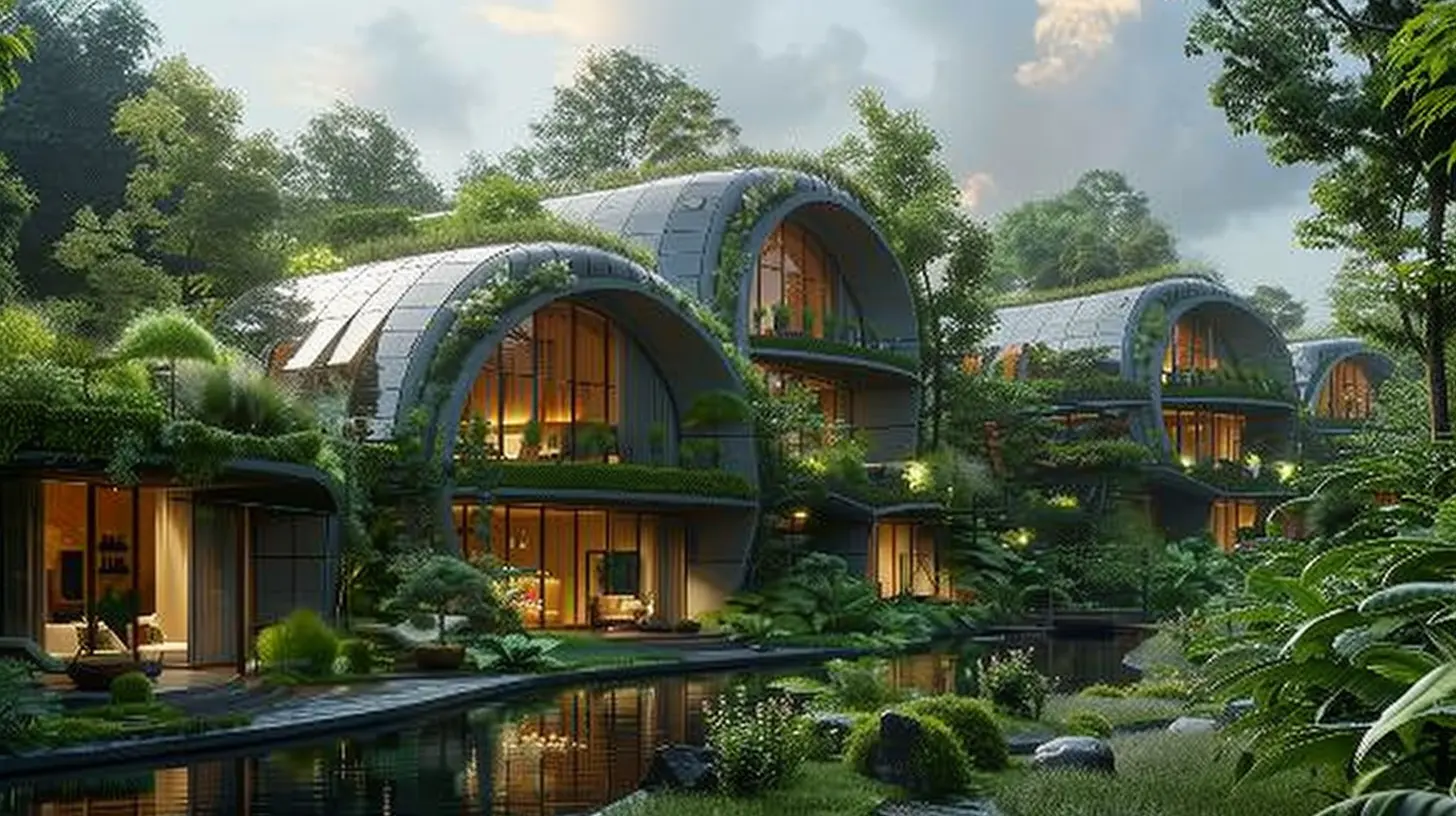
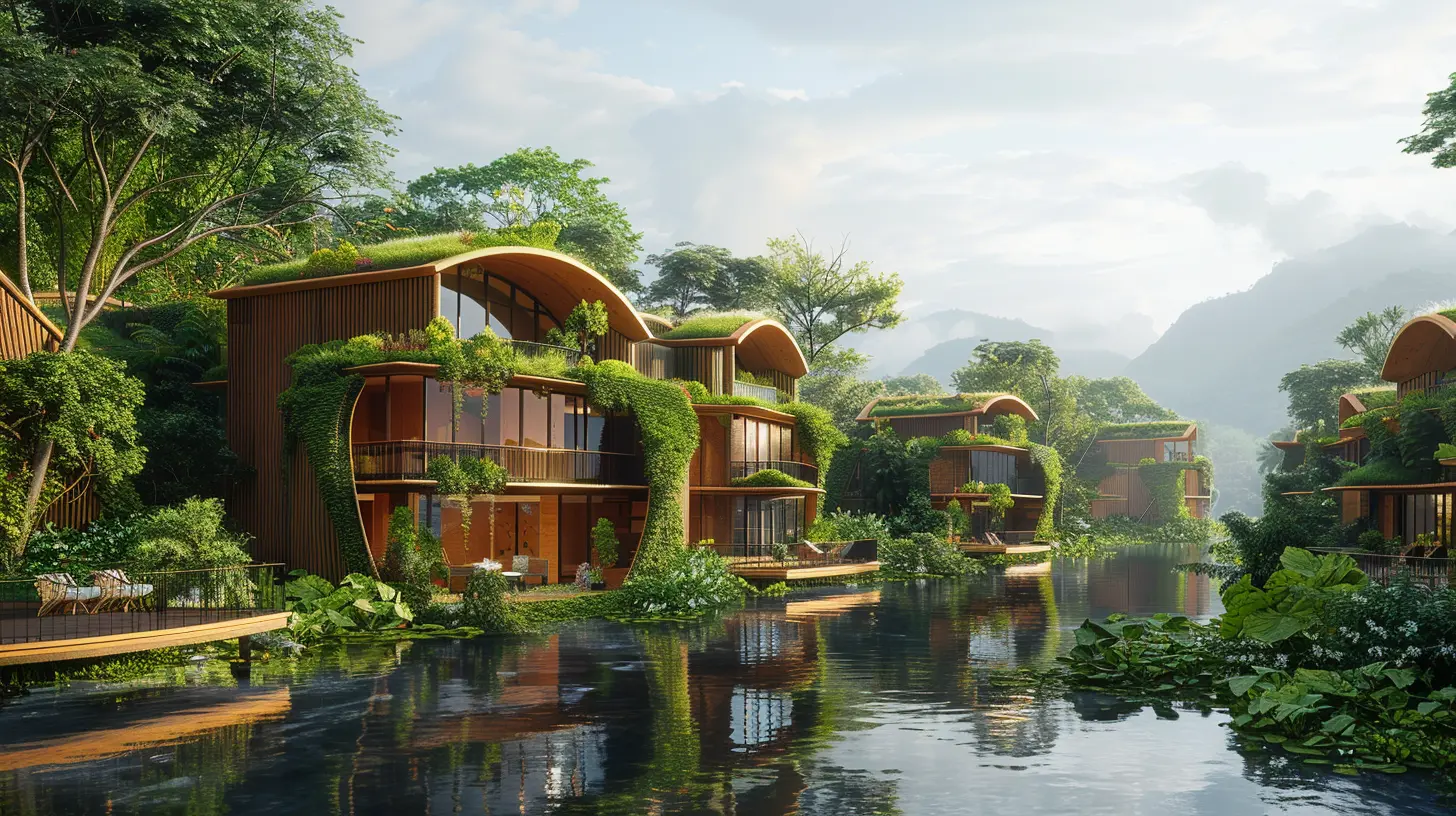
An eco-village is a community designed to have minimal environmental impact while maximizing social connections and self-sufficiency. These villages integrate eco-friendly housing, renewable energy, organic farming, and shared resources to create a sustainable way of living.Unlike traditional suburban neighborhoods where people barely know their neighbors, eco-villages focus on intentional communities where residents work together, share responsibilities, and prioritize sustainability in every aspect of life.
Why Are People Choosing Eco-Villages?
The rising popularity of eco-villages isn’t just a trend—it’s a response to the problems of modern living. Let’s face it: urban sprawl, pollution, and excessive consumerism have left many people yearning for a simpler, more meaningful lifestyle.Here are a few reasons why many are making the switch to eco-village living:
1. Environmental Sustainability
One of the biggest motivations behind eco-villages is reducing the carbon footprint. Traditional cities rely heavily on fossil fuels, waste resources, and contribute to pollution. In contrast, eco-villages emphasize:- Renewable Energy – Solar panels, wind turbines, and hydroelectric power replace traditional energy sources.
- Eco-Friendly Housing – Homes are built using sustainable materials like bamboo, reclaimed wood, or cob. Many even incorporate passive solar design to reduce heating and cooling needs.
- Water Conservation – Rainwater harvesting and greywater recycling are common, ensuring that water isn’t wasted.
2. A Strong Sense of Community
In many modern cities, neighbors often live side by side for years yet remain strangers. Eco-villages promote a collaborative lifestyle where people connect, work together, and create a strong sense of belonging.- Community meals and gatherings foster social bonds.
- Residents share responsibilities like farming, maintenance, childcare, and even decision-making.
- A culture of mutual support ensures that no one feels isolated or left behind.
3. Self-Sufficiency and Food Security
How often do we really think about where our food comes from? In an eco-village, food is more than just an item off the grocery store shelf—it's a collective effort.- Organic farming and permaculture principles ensure that food is grown without harmful chemicals.
- Residents practice seed saving, composting, and natural pest control to create sustainable food cycles.
- The reliance on local food production reduces the need for transportation, cutting down on emissions.
4. A Healthier, Less Stressful Lifestyle
Let’s be honest—modern life can be exhausting. Between long work hours, endless traffic, and the pressure to "keep up," it’s easy to feel overwhelmed.Eco-villages promote a slower, more mindful way of living:
- Less reliance on cars means more walking and biking, leading to better health.
- Spending time in nature has been scientifically proven to lower stress levels.
- A focus on meaningful work—whether it’s gardening, building, or crafting—leads to greater happiness and fulfillment.
5. Financial Affordability and Shared Resources
Contrary to popular belief, sustainable living isn’t just for the wealthy. In fact, eco-villages often make living more affordable through shared resources:- Co-housing arrangements reduce housing costs.
- Community-owned farms and businesses provide income without the need for corporate jobs.
- Tool-sharing programs eliminate the need for every household to own expensive equipment.
By pooling resources, eco-villages allow residents to live well with less—without sacrificing quality of life.
What Makes an Eco-Village Successful?
Not all eco-villages thrive, and those that do share some common characteristics. Here are the key elements that contribute to a successful eco-village:1. A Clear Vision and Shared Values
Every eco-village is built around a set of core principles, whether it’s environmental sustainability, personal growth, or community cooperation. Residents must align with these values for the village to function smoothly.2. Sustainable Infrastructure
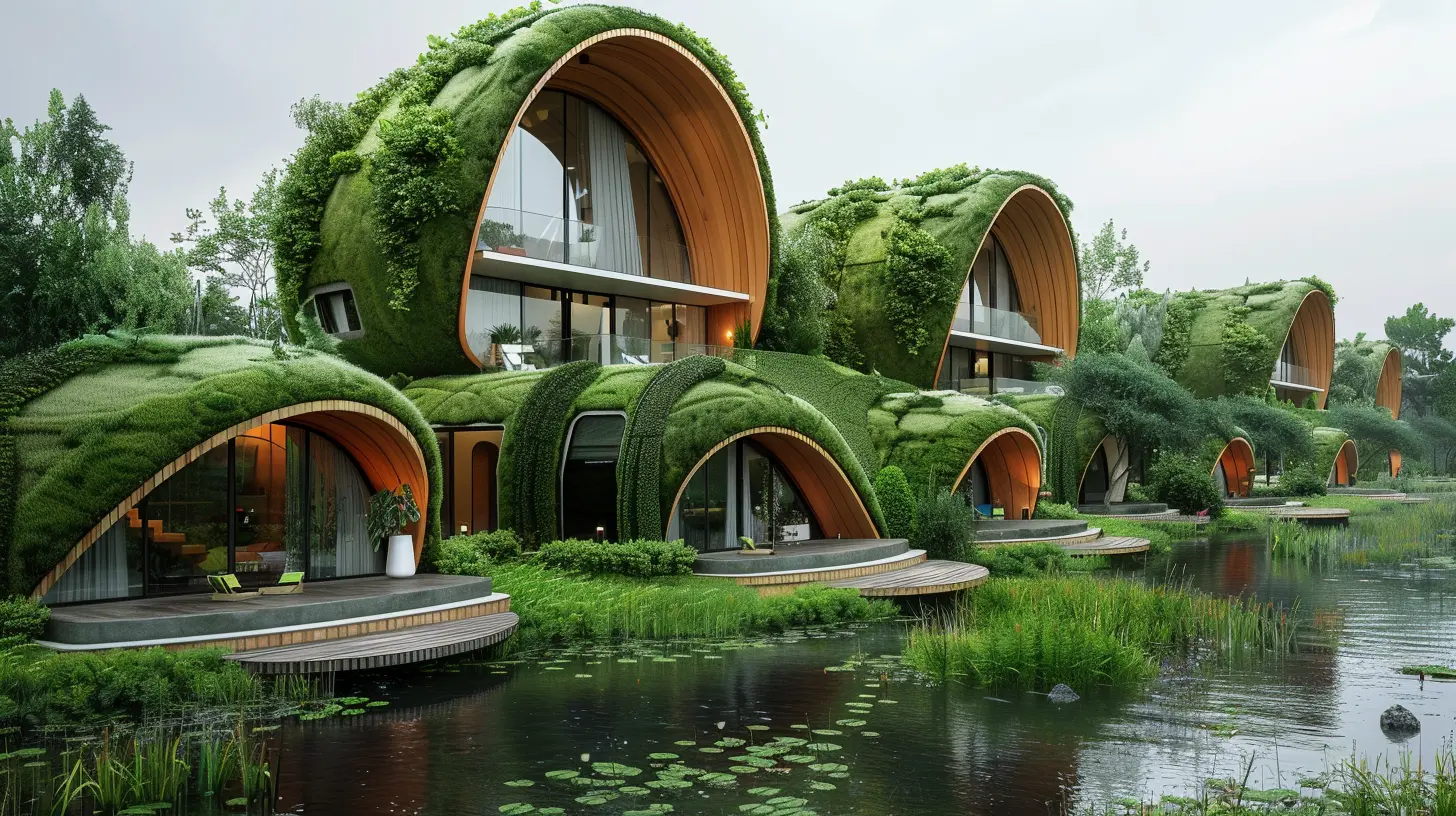
A well-planned eco-village focuses on eco-friendly architecture, renewable energy, and waste management systems. Without proper infrastructure, sustainability can’t be achieved.3. An Engaged and Committed Community
An eco-village isn’t just about green buildings—it’s about people. A strong sense of collaboration, decision-making, and shared responsibility is what keeps the community thriving.4. Economic Resilience
To sustain the village long-term, residents often develop local businesses such as organic farms, eco-tourism, or artisanal crafts. Some even implement cooperative ownership models, ensuring economic stability.5. Education and Skill Sharing
The best eco-villages prioritize continuous learning. Whether it’s teaching new residents about permaculture, hosting workshops on sustainable living, or passing down traditional crafts, education is a cornerstone of thriving eco-communities.
Challenges of Eco-Village Living
While the idea sounds idyllic, eco-village living comes with its fair share of challenges:- Adapting to a new lifestyle – It’s a big shift from city life to a self-sufficient community.
- Consensus decision-making – Group decisions can be time-consuming and require compromise.
- Initial costs – While long-term costs are lower, the initial investment can be high.
- Zoning laws and regulations – Some areas have strict building codes that make eco-village development difficult.
However, for those committed to the cause, the benefits far outweigh the challenges.
Are Eco-Villages the Future of Sustainable Living?
With the looming threats of climate change, resource depletion, and social disconnection, eco-villages offer a tangible, sustainable alternative to conventional living. They prove that it's possible to live in harmony with nature while maintaining a high quality of life.As more people seek sustainable, community-focused lifestyles, eco-villages may become a model for future residential developments. Governments and city planners are already taking note, with some incorporating eco-village principles into urban planning.
So, if you’ve ever dreamed of escaping the rat race and living closer to nature, eco-village life might just be the perfect fit for you.
all images in this post were generated using AI tools
Category:
Sustainable HousingAuthor:

Travis Lozano
Discussion
rate this article
2 comments
Delta Harper
Eco-villages are the future! Embracing sustainability isn't just a trend—it's a necessity. Communities should prioritize eco-friendly living now or risk a bleak, unsustainable future.
March 11, 2026 at 12:16 PM
Travis Lozano
I completely agree! Eco-villages represent a vital shift towards sustainable living, and prioritizing these communities is essential for a healthier future.
Ryder King
Eco-villages represent a transformative shift in living, emphasizing sustainability, community engagement, and environmental stewardship. They offer a holistic approach to housing that not only supports individual well-being but also fosters a resilient, interconnected community.
February 27, 2026 at 12:45 PM
Travis Lozano
Thank you for your insightful comment! Eco-villages indeed embody a holistic approach to sustainable living, prioritizing community and environmental health.