Should You Make Repairs Before Listing Your Home? A Seller’s Dilemma
4 May 2026
Selling a home comes with a long list of decisions, but one of the biggest dilemmas homeowners face is whether to make repairs before listing. Should you invest time and money into fixing up your home, or sell it as-is and let the buyer handle the repairs?
Both approaches have their pros and cons, and the right choice depends on your situation. In this article, we’ll break down the factors to consider, the types of repairs that matter most, and how your decision can impact your home sale. 
The Big Question: To Fix or Not to Fix?
This is the million-dollar question—do you put in the effort to make your home move-in ready or sell it “as-is” and avoid the hassle? The answer isn’t one-size-fits-all. It depends on several key factors:- Your home’s current condition – Is your home in great shape with only minor flaws, or does it need major repairs?
- Market conditions – Are you selling in a hot seller’s market where homes are flying off the shelves, or are buyers being picky?
- Your budget – Do you have the funds to make necessary improvements before listing?
- Your timeline – Do you need to sell quickly, or can you afford to wait while repairs are completed?
Understanding these factors will help you determine the best course of action. 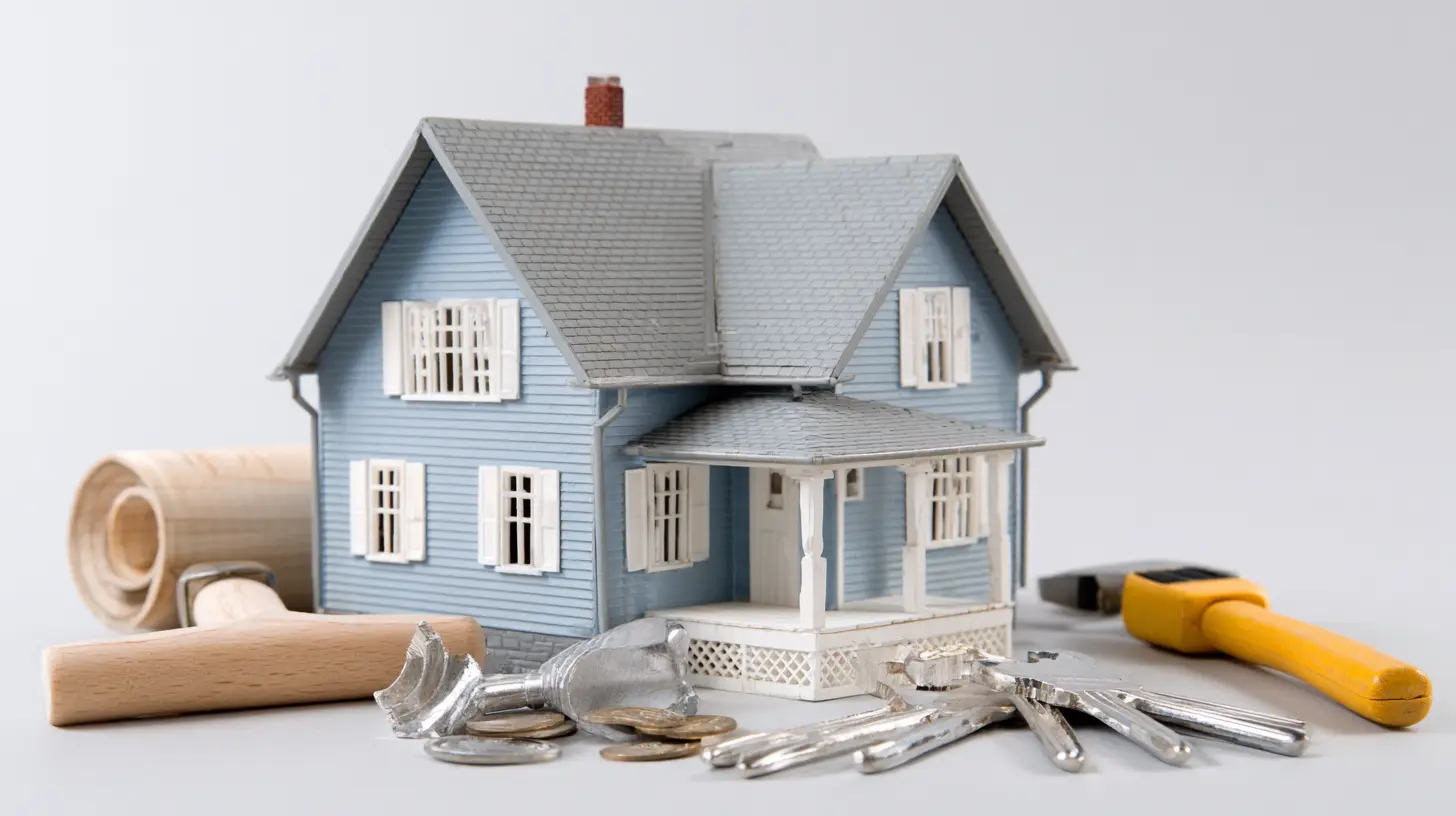
The Pros of Making Repairs Before Listing
1. Attract More Buyers
Buyers love move-in-ready homes! Most people don’t want the extra stress of dealing with repairs right after making one of the biggest purchases of their lives. When your home is well-maintained, it appeals to a broader audience.2. Justify a Higher Asking Price
A well-maintained home allows you to set a more competitive price. Buyers are often willing to pay more for a house that doesn’t need immediate fixes. If your home looks polished and updated, you can command top dollar.3. Fewer Negotiation Headaches
When a home has obvious issues, buyers typically negotiate for lower prices. They may also request repair credits or even back out of the deal if inspections reveal too many problems. Taking care of repairs upfront can prevent these negotiation roadblocks.4. Faster Sale
Homes in good condition sell faster. Buyers feel more confident making an offer on a property that doesn’t need major work. If you want to avoid your home sitting on the market for too long, repairs might speed up the process.
The Cons of Making Repairs Before Listing
1. Upfront Costs Can Be High
Home repairs can add up quickly, especially if your house needs major fixes. If you're short on cash, investing in repairs may not be feasible. The last thing you want is to drain your savings with no guarantee of making the money back.2. Repairs Take Time
If you’re eager to sell, waiting weeks or months for repairs can delay your plans. Even minor fixes can take longer than expected, especially if contractors are booked up.3. Not Every Repair Offers a Return on Investment
Not all repairs add significant value. Some renovations may cost more than they bring in when selling. It’s crucial to focus on fixes that have the biggest impact on buyer interest and home value.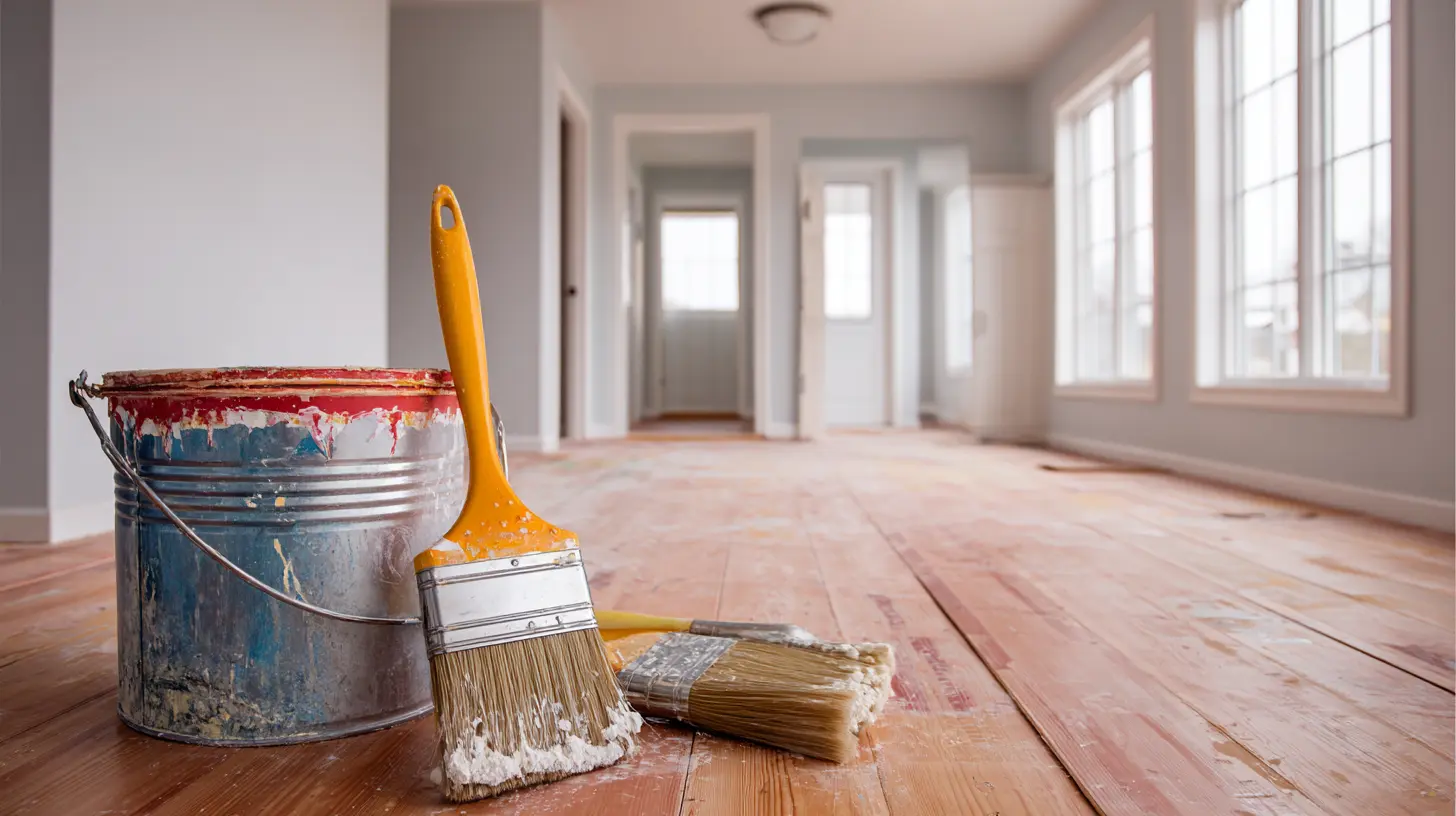
What Repairs Should You Prioritize?
If you decide to make repairs, focus on issues that matter most to buyers. Here are some of the most important ones:1. Structural and Mechanical Issues
Big problems like a leaky roof, faulty electrical systems, or plumbing issues should be addressed. Buyers will likely uncover these issues during an inspection, and they can be dealbreakers.2. Curb Appeal Touch-Ups
First impressions matter! Simple fixes like landscaping, painting the front door, or power-washing the driveway can make your home look more inviting.3. Kitchen and Bathroom Updates
These are two of the most important rooms for buyers. You don’t need a full renovation, but small changes like updating fixtures, repainting cabinets, or replacing outdated countertops can make a big difference.4. Fixing Cosmetic Flaws
Minor issues like peeling paint, broken tiles, or outdated light fixtures can make your home look neglected. These relatively inexpensive repairs can give your home a fresh, well-maintained look.5. Flooring Improvements
Worn-out carpets or scratched hardwood floors can be an eyesore. Replacing or refinishing flooring can improve the overall appeal without costing a fortune.When Selling As-Is Might Make Sense
There are situations where selling as-is is the better option:- You’re in a seller’s market – When demand is high and inventory is low, buyers may overlook minor flaws to secure a home.
- Your home needs extensive repairs – If the costs to fix your home are too high, it may not be worth the investment. Some buyers actively look for fixer-uppers.
- You need to sell quickly – Whether you're relocating, dealing with financial difficulties, or handling an inherited property, selling as-is can speed up the process.
- You’re targeting cash buyers or investors – Many investors and cash buyers prefer as-is properties because they plan to renovate them anyway.
The Role of a Pre-Listing Inspection
If you're unsure about your home’s condition, consider getting a pre-listing inspection. This will help you identify potential dealbreakers before a buyer’s inspection catches them. With this knowledge, you can decide which repairs are worth making.A pre-listing inspection also gives you leverage when negotiating. If you’ve already addressed major concerns, buyers will have less room to haggle.
Alternatives to Major Repairs
If making extensive repairs isn’t an option, there are still ways to make your home more appealing:- Offer repair credits – Instead of fixing everything, you can provide buyers with a credit to cover repair costs.
- Focus on deep cleaning and staging – A clean, clutter-free home with tasteful staging can make a strong impression, even if some repairs are needed.
- Highlight potential – Emphasize unique features or opportunities for customization that could appeal to buyers.
Final Thoughts: What’s the Right Choice for You?
Deciding whether to make repairs before listing your home ultimately depends on your budget, timeline, and the real estate market. Small improvements can enhance your home’s appeal, but major renovations aren’t always necessary.If your home needs major repairs and you’re short on time or funds, selling as-is may be the best option. But if you’re looking to maximize your sale price and attract more buyers, strategic repairs can be well worth the effort.
The key is finding the balance that works for you and understanding what buyers in your area expect. A conversation with a real estate agent can also provide insight into what’s best for your specific situation.
No matter which route you take, being informed and prepared will help you navigate the selling process with confidence.
all images in this post were generated using AI tools
Category:
Sellers GuideAuthor:

Travis Lozano
Discussion
rate this article
2 comments
Lorna Hunter
Investing in repairs can boost your home's appeal and value. Small improvements often lead to big rewards in the sale.
June 30, 2026 at 4:54 AM
Travis Lozano
Absolutely. Even minor repairs can make a significant difference in attracting buyers and increasing your home's value. It's worth the effort.
Lyla Mendoza
Investing in repairs can boost your home's value and attract more buyers. A little effort can make a big difference, so weigh your options and trust your instincts in this process.
May 9, 2026 at 2:56 AM
Travis Lozano
Absolutely, small repairs can really enhance appeal and potentially increase value. It's worth considering what will give you the best return.