Shifting Demographics and the Future of Housing Demand in 2026
23 April 2026
Ah, 2026! It seems like a lifetime away, yet it's just around the corner. As we approach this pivotal year, one question looms large: how will shifting demographics shape housing demand? Understanding these trends can give us a peek into what the housing market will look like in just a few short years. Let’s dive into this topic and explore how these changes could impact everything from home designs to neighborhood amenities.
The Current Landscape: A Quick Overview
Before we delve into the future, let’s take a snapshot of where we stand today. The housing market is a complex organism, influenced by various factors such as economic conditions, interest rates, and most importantly, demographic shifts. As of now, we see a diverse range of homebuyers, from millennials seeking their first properties to baby boomers downsizing.What does this mean for housing? It means that the market is not only catering to different age groups but also to varying lifestyle preferences. For instance, the rise of remote work has transformed the importance of home office spaces and outdoor areas. So, how will this all change by 2026?
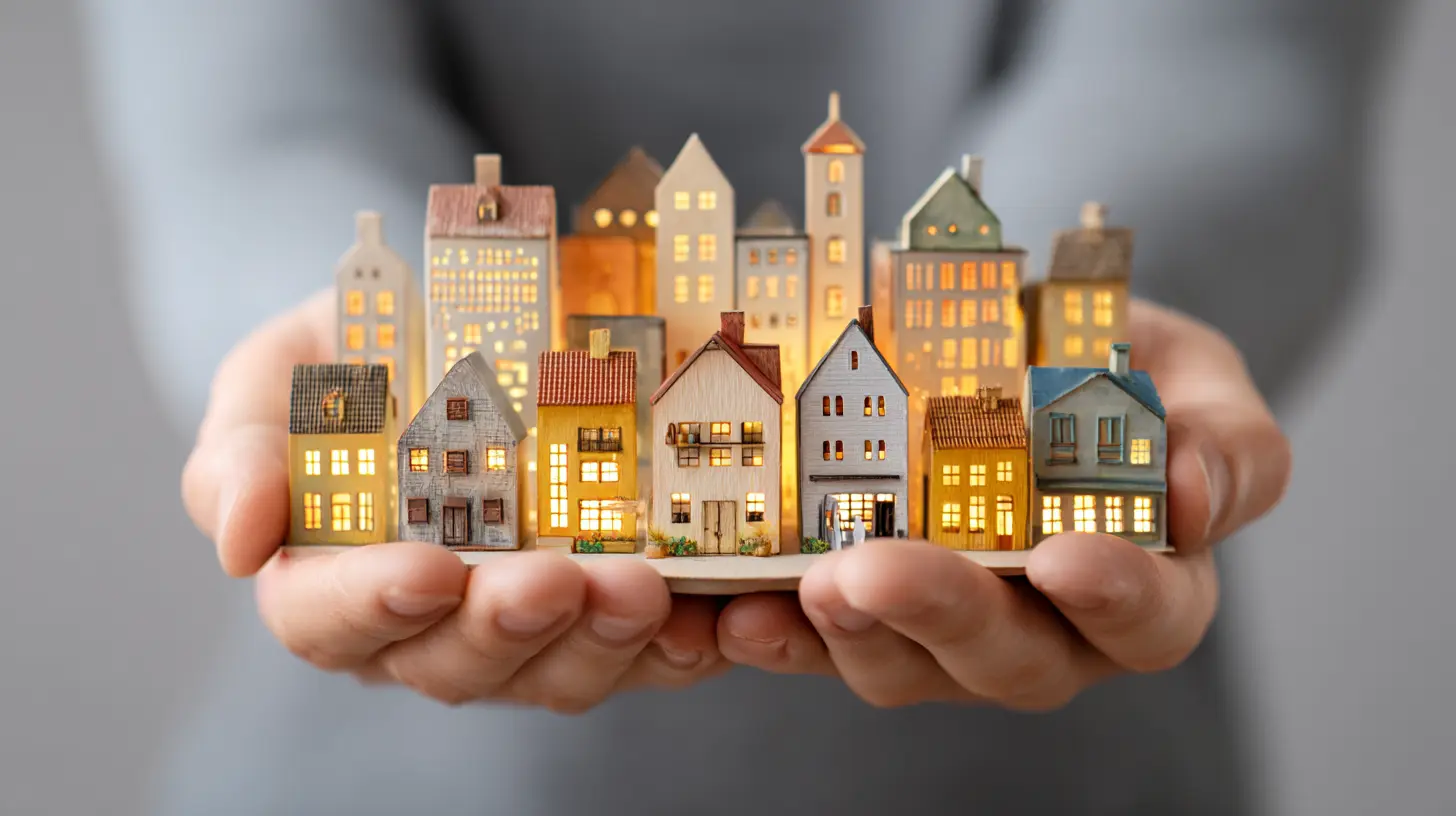
The Millennial Wave: A Force to Reckon With
Who Are the Millennials?
Let’s start with the millennial generation, often defined as those born between 1981 and 1996. As of 2026, the oldest millennials will be in their mid-40s, and many will be entering their peak earning years. This means they’ll be looking to invest in properties—perhaps for the first time or as upgrades from their starter homes.What Do Millennials Want?
Millennials are different from previous generations. They prioritize experiences over possessions and often seek homes that reflect their personal values. Expect to see a demand for sustainable building practices, smart home technology, and community-centric living spaces.Isn’t it fascinating how their priorities shape the housing market? For instance, homes equipped with energy-efficient appliances and solar panels will likely see a boost in demand. The trend of urban living might continue, but with a twist—millennials are also showing interest in suburban areas that offer a blend of tranquility and accessibility.
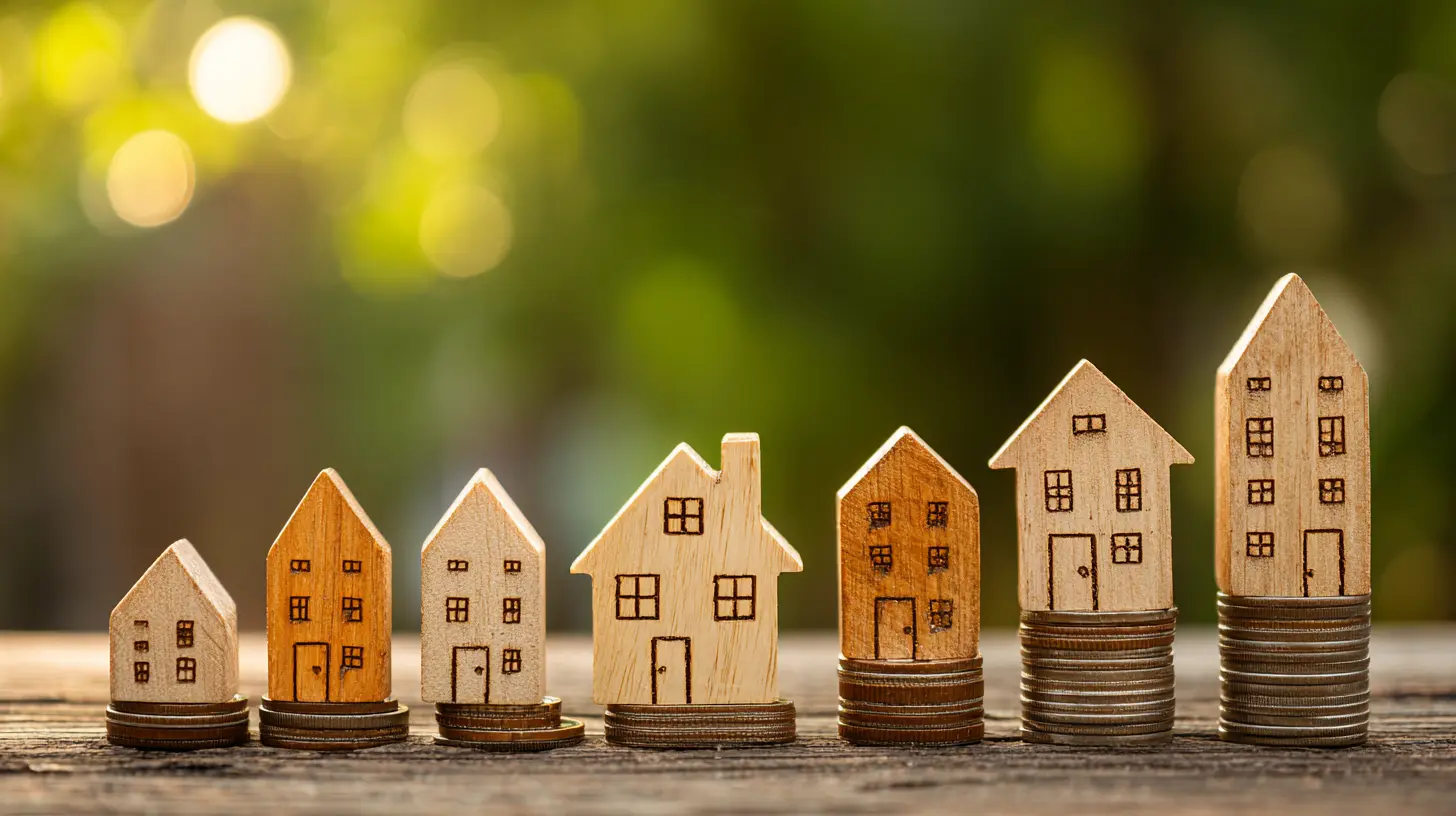
The Rise of Gen Z: A New Player
Gen Z: Who Are They?
Now, let’s not forget about Gen Z, the digital natives born between 1997 and 2012. As they enter adulthood and the workforce, they will emerge as future homebuyers. By 2026, many will be in their twenties and early thirties, ready to make their mark in the housing market.Housing Preferences of Gen Z
Gen Z is tech-savvy and socially conscious. They’re likely to value affordability and community over grandeur. Expect to see a demand for smaller, well-designed homes that offer a sense of belonging. Co-living spaces might become increasingly popular as these young adults navigate student loans and entry-level salaries.Can you imagine a neighborhood where homes are designed to foster collaboration and community? That's the kind of environment Gen Z will be looking for. Additionally, they’ll probably prioritize locations with good public transport and pedestrian-friendly designs.
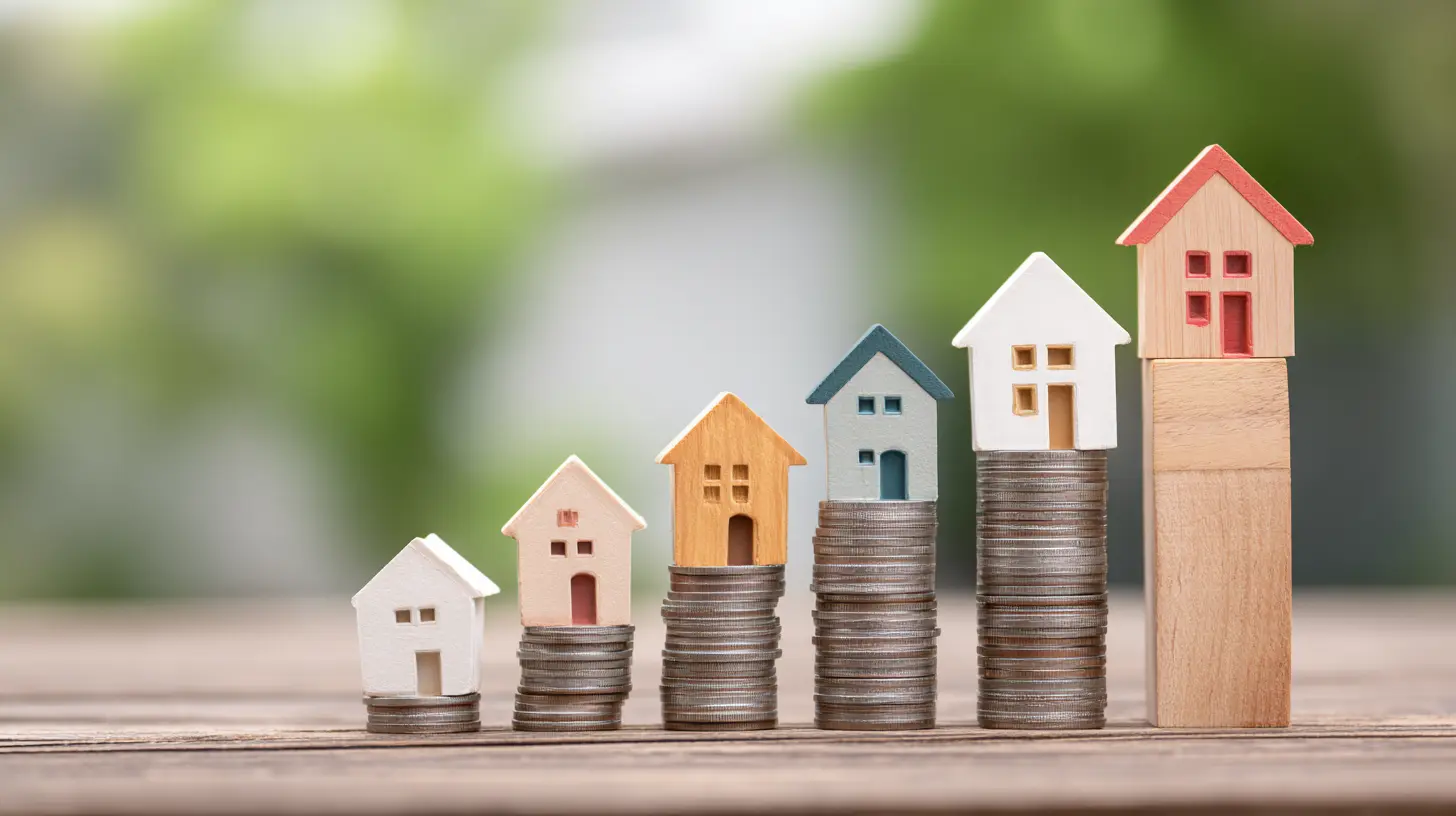
The Baby Boomer Effect: Downsizing and Aging in Place
Who Are the Baby Boomers?
Let’s not overlook the baby boomer generation, born between 1946 and 1964. By 2026, many of them will be entering retirement. This demographic shift has profound implications for the housing market as boomers start to downsize or relocate.Downsizing Trends
As they transition into retirement, many will look to sell their larger family homes and move into smaller, more manageable properties. This could lead to an influx of larger homes on the market, potentially driving down prices in some areas.But here’s the kicker: baby boomers aren’t just looking for any home; they want a space that accommodates their lifestyle changes. Think single-story homes with easy access, proximity to healthcare, and amenities like parks or community centers. Aging in place will be a significant trend as well, meaning homes designed for comfort and accessibility will be in high demand.
The Impact of Immigration and Diversity
A Changing Population
Our society is becoming increasingly diverse, and this trend is expected to continue. Immigration plays a crucial role in shaping housing demand. By 2026, we can expect a more multicultural landscape, influencing everything from home design to neighborhood preferences.Cultural Considerations in Housing
Different cultures have varied housing preferences. For example, multi-generational living is more prevalent in some cultures. Therefore, builders and developers will need to adapt their strategies to accommodate these unique needs.Think about it: as neighborhoods become more culturally rich, the demand for homes that cater to large families or communal living arrangements will likely rise.
Urban vs. Suburban: The Great Debate
The Shift to Suburbia
As the pandemic showed us, remote work is here to stay for many. This shift has led to a resurgence in suburban living. By 2026, we might see a more pronounced trend, with families opting for homes with yards and space for activities.Urban Living Still Holds Appeal
While suburban living is gaining traction, urban areas won’t lose their charm either. Cities are hubs of culture, entertainment, and job opportunities. So, how do these two dynamics coexist?The answer lies in balance. Expect to see developments that combine the best of both worlds—urban amenities with suburban-like spaces. Think of mixed-use developments that offer residential, commercial, and recreational areas all in one.
Technology: The Game Changer
Smart Homes and AI
As we move toward 2026, technology will play a pivotal role in shaping housing demand. Smart home technology is on the rise, and buyers will increasingly expect homes equipped with devices that enhance energy efficiency, security, and convenience.Virtual Reality and the Home-Buying Process
Virtual reality (VR) is changing how people view homes. By 2026, potential buyers might be able to take virtual tours of homes from the comfort of their couches. This could streamline the buying process and make it easier for out-of-town buyers to find their dream homes.Isn’t it amazing how technology is making home buying more accessible?
Environmental Sustainability: A Must-Have
Green Living
As awareness of climate change grows, more buyers will prioritize sustainable living. By 2026, homes that incorporate eco-friendly materials, energy-efficient systems, and sustainable landscaping will be in high demand.Community Initiatives
Expect to see more communities focused on sustainability, with features like bike paths, community gardens, and solar panel installations. As people increasingly value their environmental impact, developers must adapt to meet these expectations.Are you ready for a future where homes are as environmentally conscious as their inhabitants?
Zoning Laws and Housing Supply
The Challenge of Regulations
Zoning laws play a significant role in determining what types of housing can be built in a given area. As demand shifts, municipalities will need to revisit these regulations to accommodate new housing needs.The Push for Affordable Housing
With millennials and Gen Z entering the market, there will be a greater emphasis on affordable housing. Developers will need to navigate zoning laws to create diverse housing options that cater to various income levels.Can you picture a future where affordable housing is not just a dream but a reality?
Conclusion: The Future is Bright, but It Requires Adaptability
As we look toward 2026, it’s clear that shifting demographics will dramatically shape housing demand. From the preferences of millennials and Gen Z to the needs of baby boomers, the market will need to be adaptable and responsive.Homebuilders, investors, and policymakers must stay ahead of these trends to create communities that fit the evolving needs of our society. It’s a fascinating time to be involved in real estate, and the future holds immense potential for those willing to innovate.
all images in this post were generated using AI tools
Category:
Real Estate ChallengesAuthor:

Travis Lozano
Discussion
rate this article
2 comments
Kason Burton
As the population shifts, so do our home preferences. By 2026, will we all be living in vertical gardens or cozy treehouses? One thing's for sure-if my home office doesn't come with a view and a snack bar, I'm not buying! Here's to living our best (and quirkiest) lives!
June 1, 2026 at 4:34 AM
Travis Lozano
The future of housing is definitely exciting! With changing preferences, it will be interesting to see how creativity shapes our living spaces. A home office with a view and snacks sounds like a dream. Here's to embracing innovation in our homes!
Katie Barker
This article provides insightful analysis on how shifting demographics, including aging populations and urban migration, will reshape housing demand by 2026. Understanding these trends is crucial for investors and developers to align their strategies with emerging needs, ensuring sustainable growth and meeting future housing demands effectively.
April 29, 2026 at 4:58 AM
Travis Lozano
I'm glad you found the analysis insightful. These demographic shifts will indeed play a pivotal role in shaping housing strategies for the future. Your emphasis on the need for adaptability in investing and development is spot on.