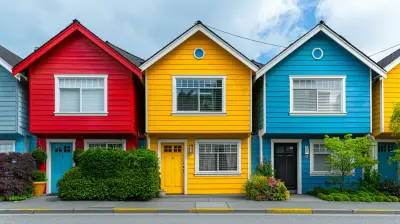
Off-Grid Homes: Energy Independence Through Sustainability
12 December 2025
Imagine waking up each morning knowing that you're fully self-sufficient—no sky-high utility bills, no dependence on the grid, and no stress when the power goes out. That’s the beauty of off-grid living. It’s not just a trend; it’s a lifestyle shift toward energy independence and sustainability.
In a world where energy costs are skyrocketing and climate change is a pressing concern, off-grid homes provide a practical solution. They offer freedom, resilience, and a deeper connection to nature. But what does it really take to live off the grid? Let’s break it down.
What Is an Off-Grid Home?
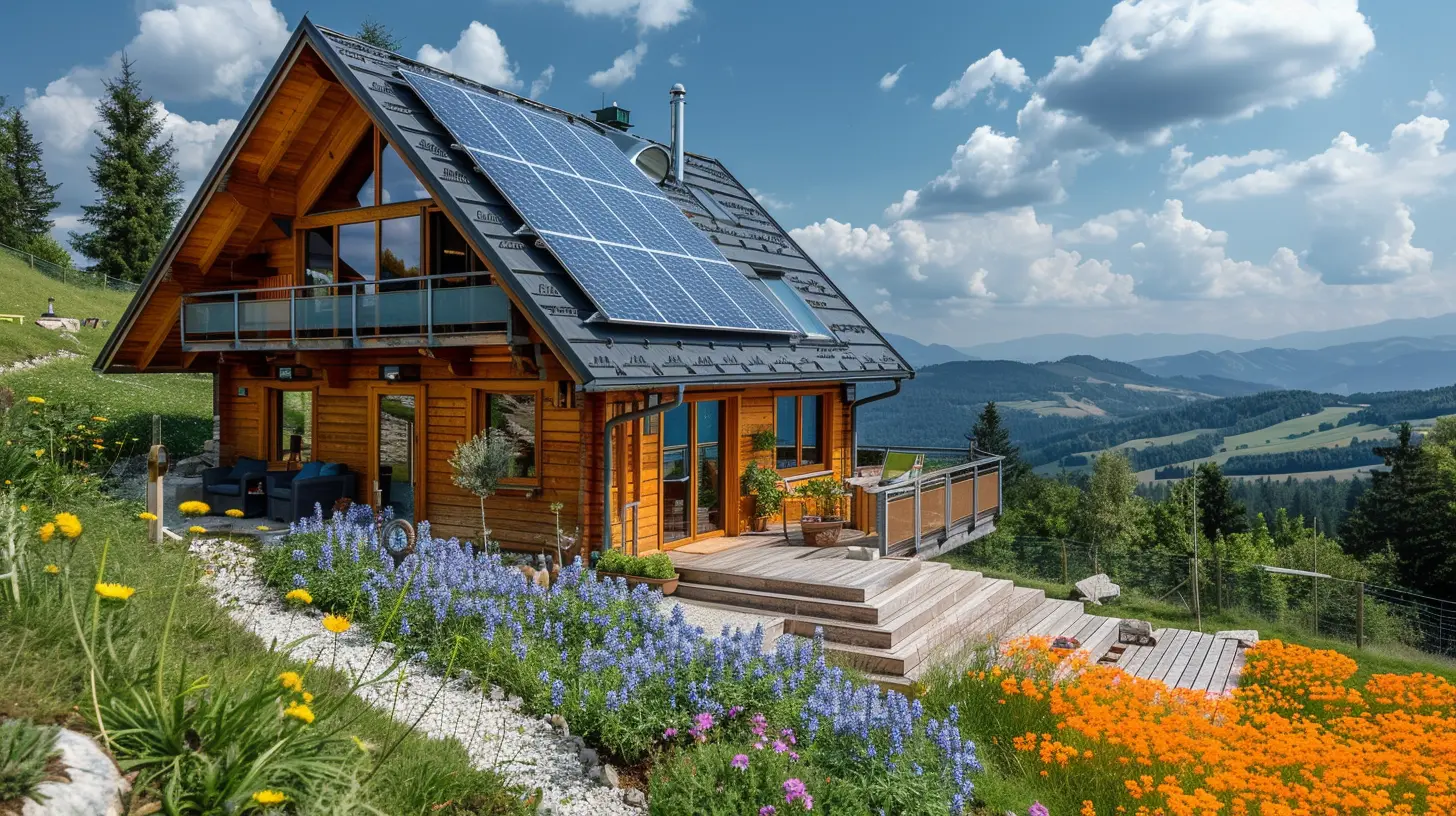
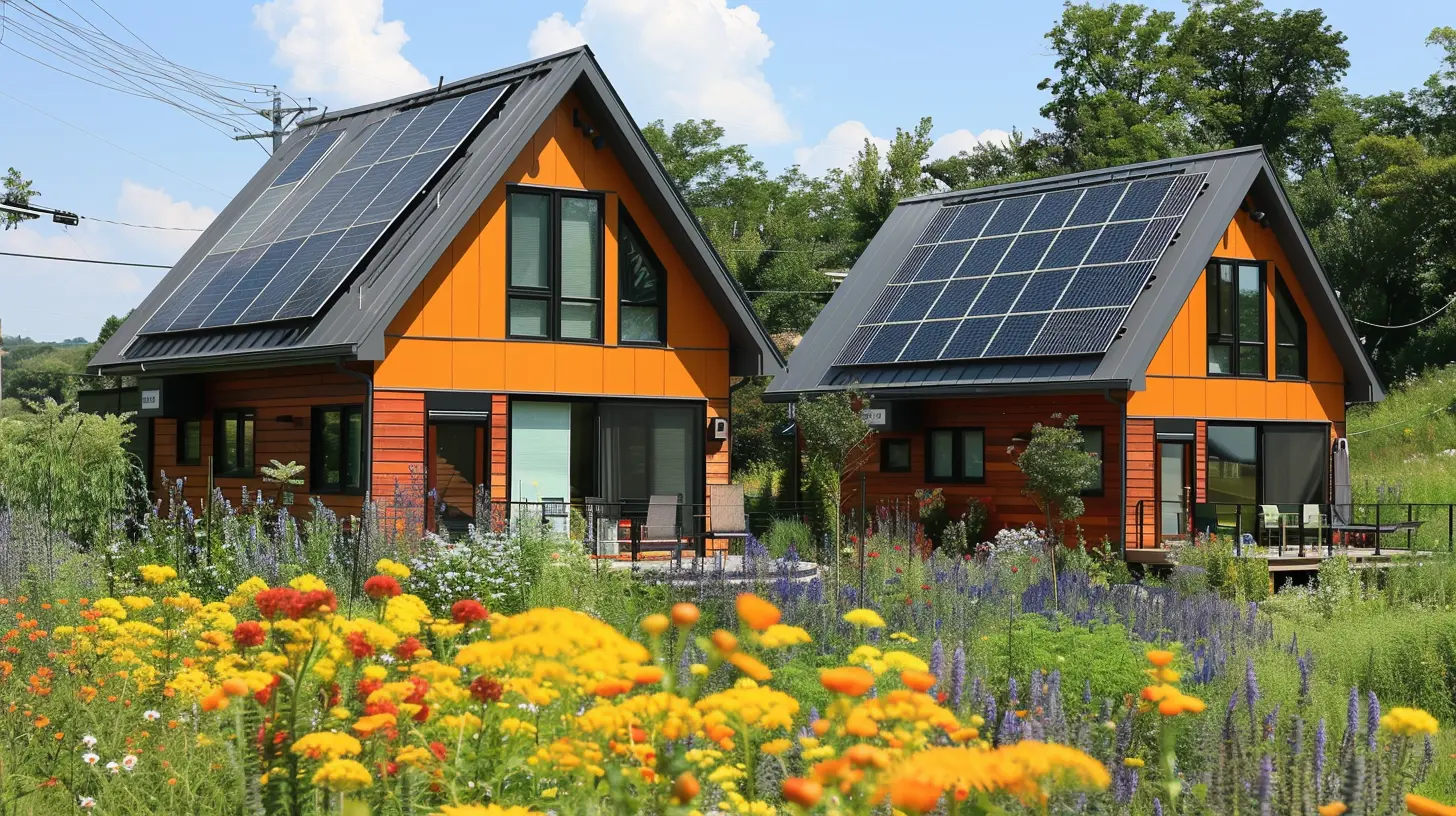
An off-grid home is a property designed to function independently of public utilities. This means no reliance on municipal electricity, water supply, or sewage systems. Instead, homeowners use renewable energy sources like solar panels, wind turbines, and micro-hydro systems to generate power.These homes often rely on:
- Solar panels for electricity
- Rainwater collection and filtration systems for water
- Septic tanks or composting toilets for waste management
- Wood stoves or solar heating for warmth
- Energy-efficient appliances to minimize consumption
The goal? A sustainable, self-sufficient lifestyle that reduces environmental impact while freeing homeowners from unpredictable utility costs.
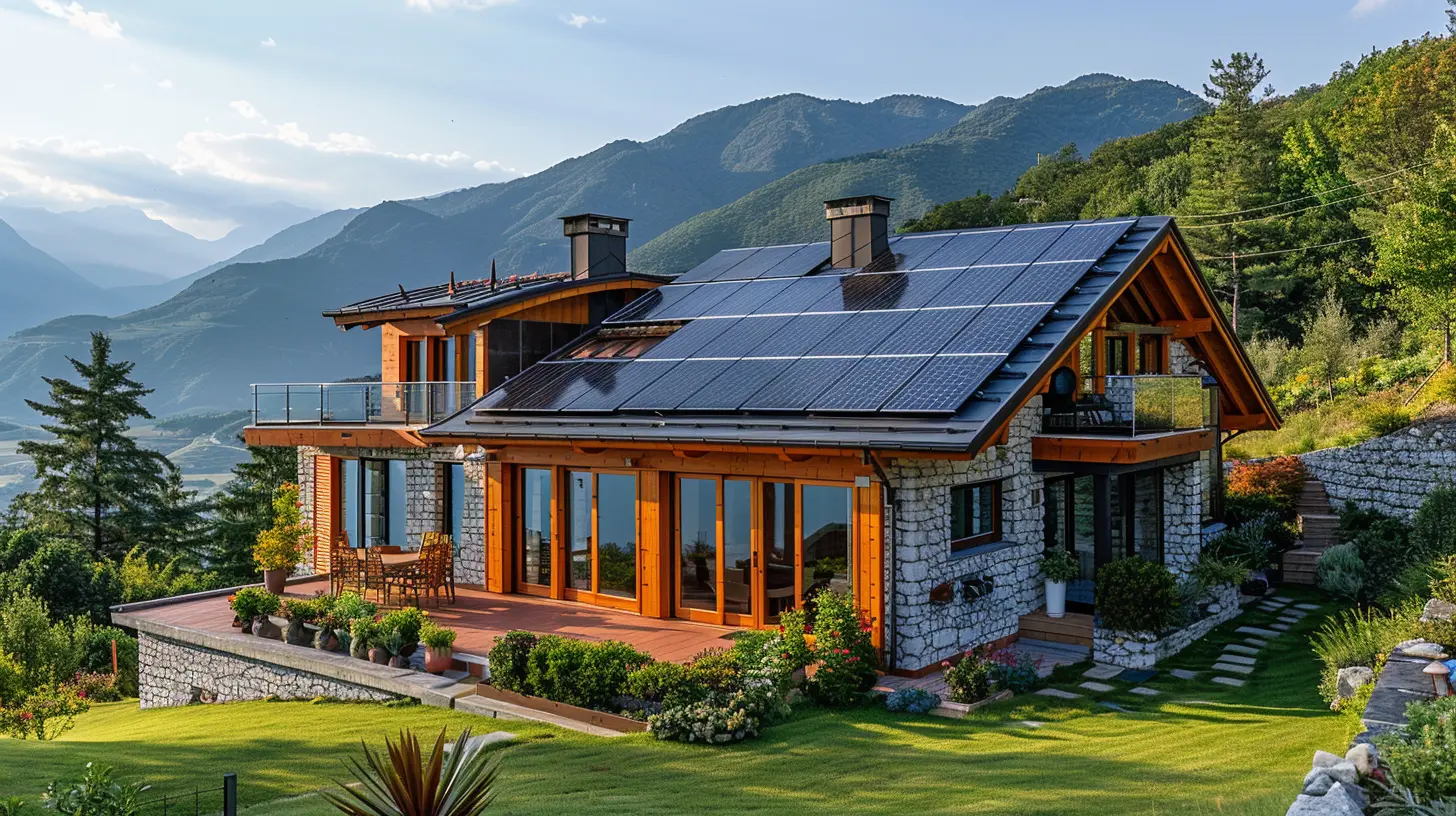
The Appeal of Off-Grid Living
Why are so many people ditching traditional homes in favor of off-grid living? The reasons are as diverse as the people making the switch.1. Energy Independence
No more surprise electricity bills. No more outages caused by storms or infrastructure failures. With off-grid power generation, you control your energy supply.2. Cost Savings in the Long Run
Sure, setting up an off-grid system can be pricey. Solar panels, battery storage, and sustainable water systems require an upfront investment. But after that? You’re practically living rent-free when it comes to utilities.3. Lower Environmental Impact
Off-grid living is an eco-friendly alternative to traditional homes. By using renewable energy, sustainable water sources, and minimizing waste, you’re reducing your carbon footprint.4. Resilience Against Power Failures
When the grid goes down, off-grid homeowners keep the lights on. Whether it's a blackout, a natural disaster, or an energy crisis, those who live off the grid remain unaffected.5. Freedom to Live Anywhere
Want to live in the middle of the woods? On top of a mountain? By a serene lake? Off-grid homes allow you to live wherever you want, without worrying about running utility lines to your dream location.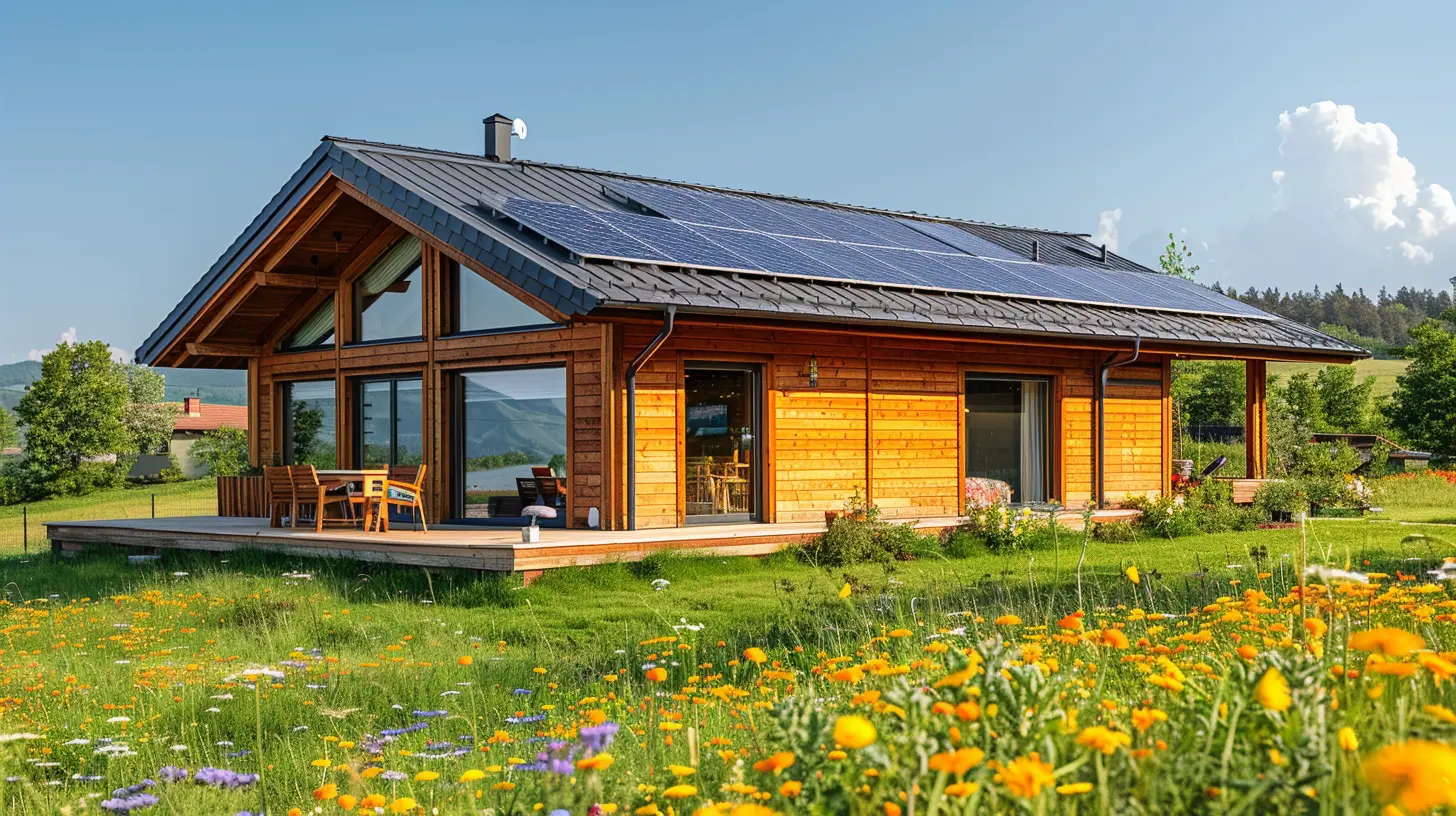
The Key Elements of Off-Grid Homes
Making the switch to off-grid living isn’t as simple as flipping a switch (pun intended). It requires thoughtful planning and the right systems in place. Here’s what you need:1. Energy Generation & Storage
Renewable energy is the backbone of an off-grid home. The most common solutions include:- Solar Panels – The most popular choice, as they harness sunlight to generate electricity. With the right setup, you can power an entire home.
- Wind Turbines – Great for locations with consistent wind speeds. They work well as a secondary energy source.
- Micro-Hydro Systems – If you have a nearby stream or river, hydroelectric power is a reliable energy alternative.
Since the sun doesn’t shine 24/7 and the wind doesn’t always blow, energy storage is crucial. Battery banks store excess power, keeping your home running when renewable sources are inactive.
2. Water Collection & Filtration
A reliable water source is non-negotiable. Off-grid homes typically use:- Rainwater Harvesting – Collects rainwater from rooftops and stores it in tanks.
- Wells – A deep well with a pump provides a constant water supply.
- Filtration & Purification Systems – Essential for ensuring water is safe to drink.
3. Waste Management
Without access to municipal sewage systems, off-grid homes use alternative waste solutions:- Composting Toilets – Turns human waste into compost while reducing water usage.
- Septic Systems – A more traditional solution for wastewater treatment.
4. Heating & Cooling Solutions
One challenge of off-grid living is regulating indoor temperatures. Efficient methods include:- Passive Solar Design – Positioning a home to maximize sunlight reduces heating costs in winter.
- Wood Stoves – A reliable alternative for heating, especially in colder climates.
- Geothermal Heating & Cooling – Uses the Earth’s natural temperature to regulate indoor climate.
5. Food Production & Storage
Many off-grid homeowners take self-sufficiency a step further by growing their own food:- Gardens & Greenhouses – Provide fresh produce year-round.
- Livestock & Poultry – Chickens for eggs, goats for milk, and bees for honey add to sustainability.
- Root Cellars & Solar Refrigeration – Allow for food storage without high energy consumption.
Challenges of Off-Grid Living
While off-grid homes offer freedom and sustainability, they come with their own set of challenges.1. Initial Setup Costs Can Be High
Solar panels, water filtration, and battery storage require upfront investments. However, long-term savings on utilities often outweigh these costs.2. Maintenance & Repairs
Unlike city infrastructure supported by professionals, off-grid systems require homeowners to be hands-on. If something breaks, you have to fix it.3. Learning Curve
Off-grid living requires knowledge—understanding solar systems, maintaining water filters, and ensuring waste management functions properly. There’s a learning curve, but it's manageable.4. Seasonal Energy Variability
Solar energy is less effective in winter. Wind speeds fluctuate. Having backup power options like a generator is crucial.Is Off-Grid Living Right for You?
Going off-grid isn’t for everyone. It requires commitment, adaptability, and a willingness to be self-sufficient. But if you value sustainability, energy independence, and reducing your reliance on the system? It could be the ultimate way to live.Before making the leap, ask yourself:
- Can I handle the responsibility of maintaining my utilities?
- Am I prepared for an upfront investment to save money long-term?
- Do I want to live more sustainably and reduce my environmental impact?
- Am I willing to learn new skills to support an off-grid lifestyle?
If you answered "yes" to most of these, then an off-grid home might just be your perfect escape.
Conclusion
Off-grid homes aren’t just a fantasy for survivalists or nature enthusiasts—they’re a viable solution for modern homeowners looking for energy independence. Whether you're aiming to cut ties with the grid completely or just reduce your reliance on it, sustainability is within reach.The journey to off-grid living requires planning and effort, but the rewards? Limitless freedom, financial savings, and a greener footprint. So, are you ready to take control of your energy future?
all images in this post were generated using AI tools
Category:
Sustainable HousingAuthor:

Travis Lozano
Discussion
rate this article
2 comments
Zephyrine McClellan
This article effectively highlights the benefits of off-grid homes, promoting energy independence and sustainability. While the advantages are compelling, it’s important to also consider the challenges involved, such as initial costs and maintenance. A well-rounded perspective on both sides would enhance the discussion.
December 21, 2025 at 4:00 AM
Travis Lozano
Thank you for your insightful comment! I agree that presenting both the benefits and challenges of off-grid homes would provide a more comprehensive view. I appreciate your feedback!
Amalia Hines
Great insights! Off-grid living truly enhances sustainability and energy independence.
December 12, 2025 at 4:47 AM
Travis Lozano
Thank you! I'm glad you found the insights valuable. Off-grid living certainly offers a unique approach to sustainability and energy independence.