Key Repairs to Consider When Buying a Foreclosed Home
13 April 2026
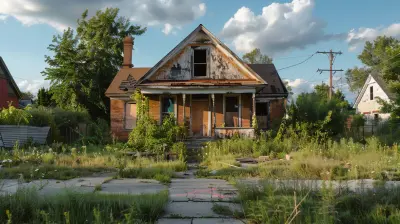
Buying a foreclosed home is like stumbling upon a forgotten treasure chest—full of potential but often hidden beneath layers of neglect. These homes, left abandoned or overlooked, may call to you with their discounted prices and untapped charm. But before you dive headfirst into this exciting venture, there are essential repairs you need to consider.
Foreclosed homes often come with baggage—missing fixtures, deferred maintenance, and sometimes even intentional damage. Knowing what you’re getting into can save you a fortune in the long run. Let’s walk through the key repairs you should keep in mind when investing in a foreclosure. 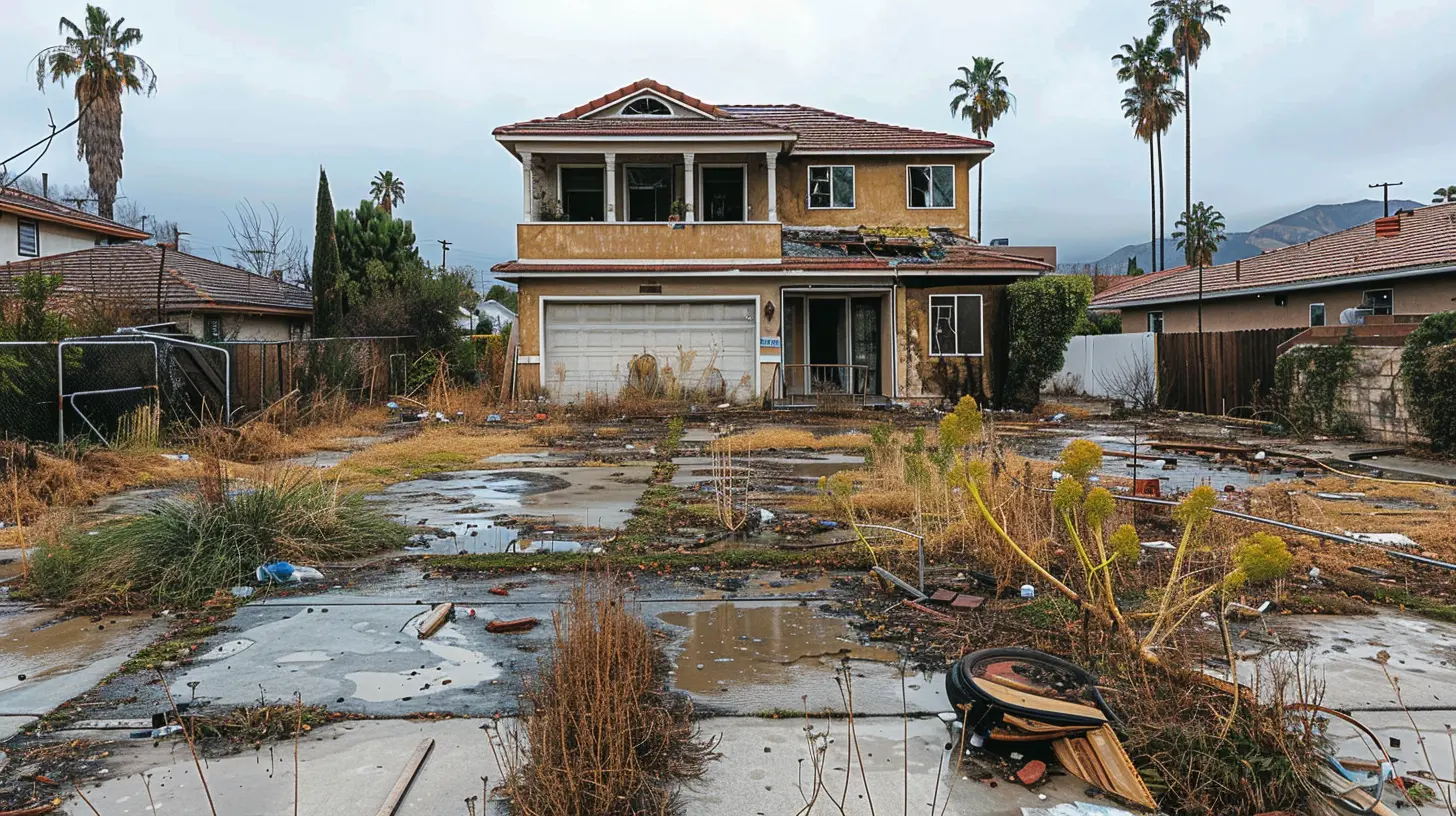
1. Structural Integrity: The Bones of the Home
Think of a house like the human body—its foundation, walls, and framing are the skeleton that holds everything together. If these are compromised, everything else falls apart.Foundation Issues
Cracks in the foundation can lead to severe structural problems if left unattended. Look for signs like:- Large, visible cracks in the walls and floors
- Doors and windows that don’t close properly
- Uneven or sloping floors
Fixing a damaged foundation isn’t cheap; repairs can range from $5,000 to $20,000, depending on severity. Before signing on the dotted line, have an inspector check for foundation issues—it’s a deal-breaker if it's too severe.
Roof Troubles
The roof is like an umbrella shielding your home from the elements. If it’s damaged, you’re looking at leaks, mold, and costly repairs. Signs of trouble include:- Missing or curling shingles
- Water stains in the attic
- Sagging areas
A complete roof replacement can set you back $5,000 to $15,000, but ignoring it could lead to even costlier interior damage. 
2. Plumbing Repairs: The Hidden Lifeline
Plumbing is like the veins of a home—when blocked or broken, the whole system suffers. In foreclosed homes, pipes may have frozen, burst, or been vandalized.Common Plumbing Problems
- Leaky or corroded pipes – Repair cost: $500–$3,000- Clogged or broken sewer lines – Repair cost: $1,000–$4,000
- Faulty water heater – Replacement cost: $800–$2,500
Before purchasing a foreclosure, run the faucets, flush the toilets, and check under sinks for signs of leaks or mold. A faulty plumbing system can become an expensive nightmare if ignored. 
3. Electrical System: Avoiding Fire Hazards
Buying a foreclosure is thrilling, but an outdated or faulty electrical system can zap the excitement instantly. Old wiring can be a major fire hazard, and in some cases, previous owners may have stripped the home of copper wiring to sell.Signs of Electrical Issues
- Flickering lights or frequent breaker trips- Warm or sparking outlets
- Exposed wires
Rewiring an entire home can cost anywhere from $8,000 to $15,000—a hefty sum, but necessary for safety. Get a licensed electrician to inspect the house before you commit. 
4. HVAC System: Heating and Cooling Woes
Would you buy a car without checking if the engine runs? The heating, ventilation, and air conditioning (HVAC) system is just as crucial in a home.Common HVAC Issues
- Outdated furnaces – Replacement cost: $2,500–$6,000- Broken air conditioning units – Repair cost: $300–$2,000
- Leaking ductwork – Repair cost: $500–$2,000
Replacing an entire HVAC system can exceed $7,000, so make sure it’s in working condition, or negotiate repair costs into the deal.
5. Mold and Water Damage: A Silent Destroyer
Mold is the ghost in the walls—unseen but haunting. Foreclosures often sit vacant, allowing moisture to seep in. If left unchecked, mold can destroy walls, flooring, and even trigger health problems.Warning Signs
- Musty odors- Dark spots on walls or ceilings
- Bubbling or peeling paint
Mold remediation can cost anywhere from $500 to $6,000. If the damage is severe and has compromised the structure, it could cost tens of thousands. A professional mold inspection is a must before buying.
6. Pest Infestations: Unwanted Tenants
A vacant home is an invitation for termites, rodents, and other pests to move in rent-free. Termites can silently chew through wooden structures, causing major damage before you even realize it.Signs of Pests
- Small droppings or urine stains- Visible nests or webs
- Hollow-sounding wood (a sign of termite damage)
Pest extermination and damage repair can set you back $1,000 to $5,000 or more. Before committing, bring in a pest inspector to avoid unexpected surprises.
7. Interior Repairs: Walls, Floors, and Ceilings
Cosmetic issues might seem minor, but they add up fast. If the previous owner left in a hurry (or out of frustration), they could've left behind missing doors, holes in walls, or damaged flooring.Common Interior Repairs
- Drywall patches and painting – $1,000–$5,000- Replacing damaged flooring – $2,000–$10,000
- Fixing broken windows or doors – $500–$3,000
A fresh coat of paint and some minor fixes can do wonders, but if there’s extensive damage, be prepared for hefty renovation costs.
8. Missing Fixtures and Appliances
Imagine walking into your new home only to realize it’s missing light fixtures, cabinets, or even kitchen appliances. In some foreclosures, homeowners take everything, including sinks and doorknobs, out of frustration.Commonly Missing Items
- Kitchen appliances (stoves, refrigerators) – $3,000–$10,000- Light fixtures & ceiling fans – $500–$2,500
- Bathroom vanities & sinks – $300–$2,000
Before closing the deal, factor in the cost of replacing missing fixtures so you’re not caught off guard.
Should You Buy a Foreclosed Home?
A foreclosed home can be a goldmine or a money pit—it all depends on its condition and the repairs required. If you’re handy or willing to invest in professional help, it’s a great opportunity to buy at a lower price and build equity.However, skipping inspections or underestimating repair costs can turn your dream home into a nightmare. Always do your due diligence, budget wisely, and be ready for the unexpected.
Would you rather spend $50,000 on repairs after buying a cheap foreclosed home or invest in a move-in-ready property? The choice is yours.
Final Thoughts
Buying a foreclosed home isn’t for the faint of heart. It takes patience, a sharp eye for repairs, and a willingness to invest. But if done right, it can be one of the best financial decisions you’ll ever make.So, before jumping in, bring in inspectors, get estimates, and budget wisely. Because while the price tag might seem attractive, it's the hidden repairs that tell the real story.
all images in this post were generated using AI tools
Category:
ForeclosuresAuthor:

Travis Lozano
Discussion
rate this article
2 comments
Zephyra Hurst
A valuable primer. Prioritizing a structural and mechanical inspection over cosmetics is crucial, as hidden foreclosures often hide costly, deferred maintenance.
April 29, 2026 at 10:26 AM
Travis Lozano
Thank you for your insight. Focusing on structural and mechanical issues can save buyers from unexpected expenses down the line.
Ezra Ramirez
Great insights! Very helpful for buyers.
April 13, 2026 at 11:58 AM
Travis Lozano
Thank you! I'm glad you found the insights helpful!