How Zoning Affects the Development of Shopping Centers
31 July 2026
Shopping centers are an essential part of our daily lives. Whether you're picking up groceries, grabbing a cup of coffee, or indulging in a bit of retail therapy, shopping centers play a crucial role in our communities. But have you ever stopped to wonder what goes into developing one?
One of the biggest factors that influence the development of shopping centers is zoning laws. These regulations determine where and how businesses can operate, shaping the landscape of retail spaces. In this article, we’ll dive deep into how zoning affects the development of shopping centers and why these laws matter more than you might think. 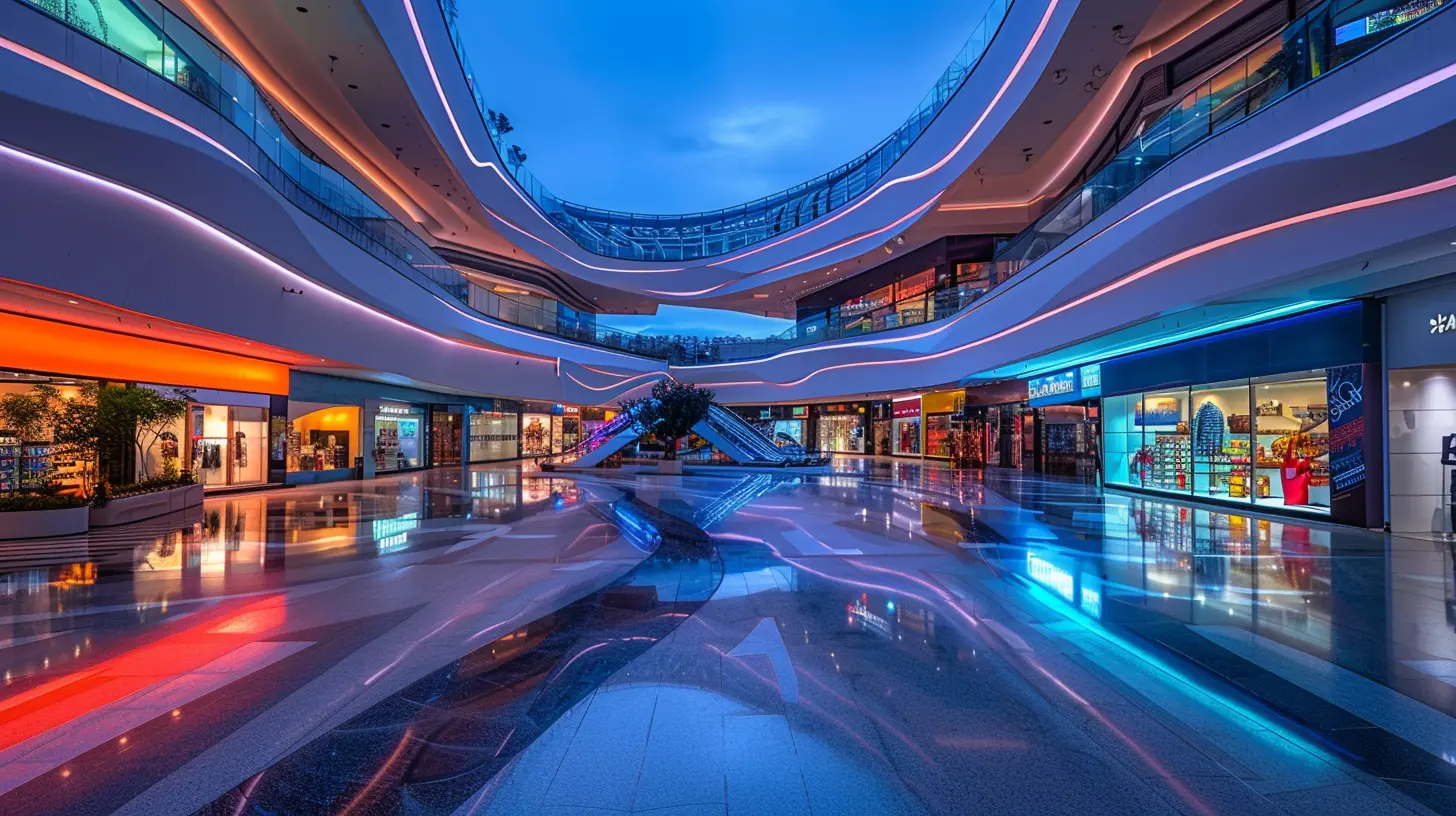
What is Zoning, and Why Does It Matter?
Zoning is like the rulebook for city planning. It dictates what can be built where, ensuring that there’s an organized and functional layout to a city or town. You wouldn’t want a loud factory next to a quiet residential neighborhood, right? That’s where zoning comes in—it helps separate different types of land use to create balanced communities.When it comes to shopping centers, zoning laws decide:
- Which areas are designated for commercial use
- What types of businesses can operate in specific locations
- How big a shopping center can be
- Parking requirements, building heights, and even green space considerations
Zoning might seem like a bunch of legal mumbo-jumbo, but trust me, it plays a huge role in how shopping centers take shape. 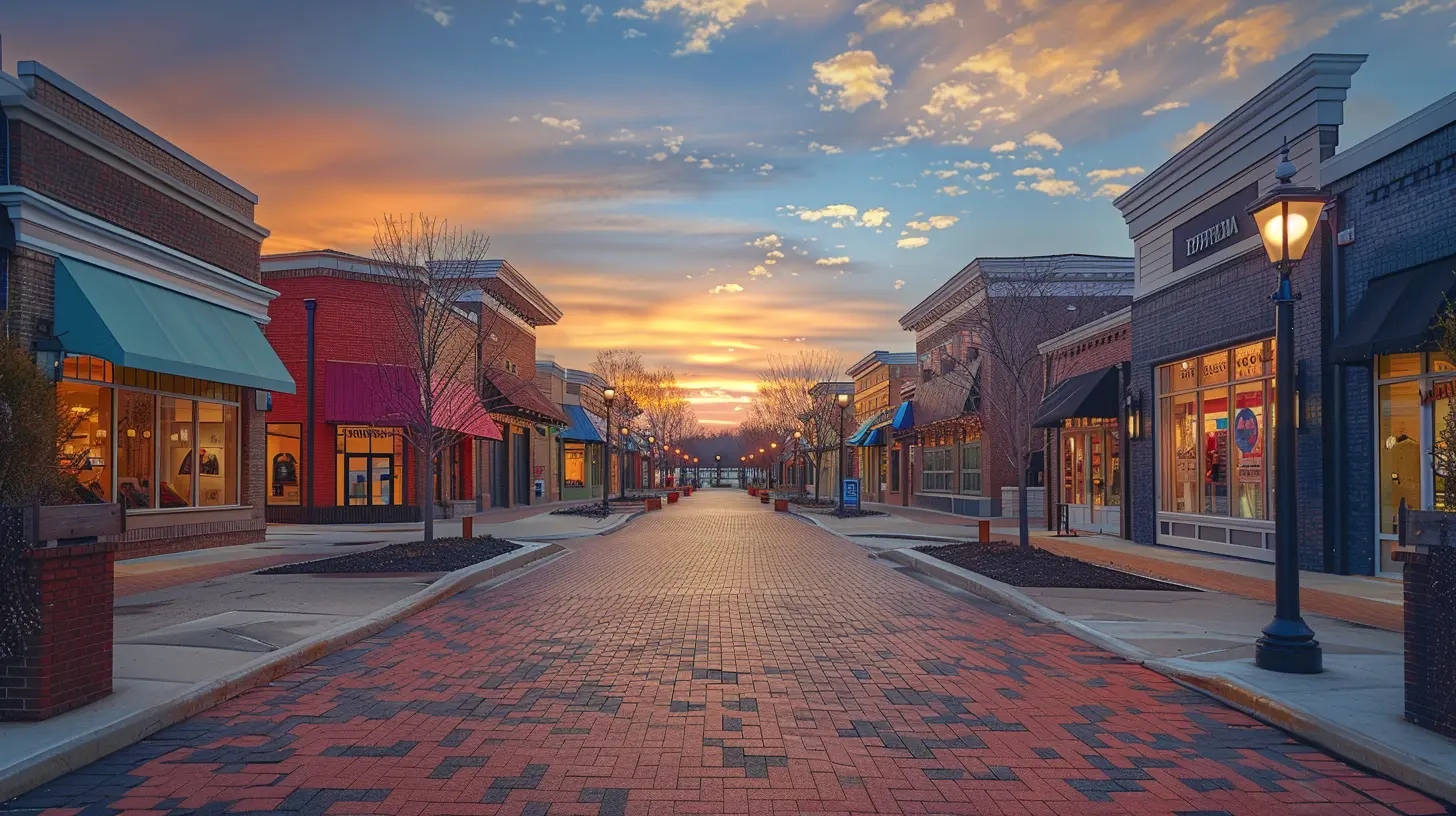
The Different Types of Zoning and Their Impact on Shopping Centers
Not all land is created equal—at least, not according to zoning laws! Different types of zoning dictate what can be built in a particular area. Let’s break down some of the key zoning categories that influence shopping centers.1. Commercial Zoning (C-Zoning)
This is the most obvious and essential category for shopping centers. Commercial zoning allows businesses like retail stores, restaurants, and entertainment venues to operate. Depending on the specifics of the zoning laws in a particular area, a shopping center may be limited in size or require additional permits for larger developments.2. Mixed-Use Zoning
This type of zoning is like the Swiss Army knife of zoning laws—it allows for both residential and commercial properties in the same area. Think of those trendy neighborhoods where apartment buildings have retail stores on the ground floor. Mixed-use zoning is great for encouraging foot traffic, making shopping centers more accessible and vibrant.3. Residential Zoning (R-Zoning)
In most cases, you won’t find shopping centers in areas primarily zoned as residential. However, there are exceptions. Some residential zones allow for small neighborhood-oriented retail spaces like corner stores or coffee shops, which can create a community-friendly feel without disrupting the neighborhood.4. Industrial Zoning
Shopping centers usually steer clear of industrial zones since these areas are meant for manufacturing and warehouses. However, industrial spaces sometimes get transformed into trendy, urban shopping districts—think of old factory buildings turned into bustling shopping hubs!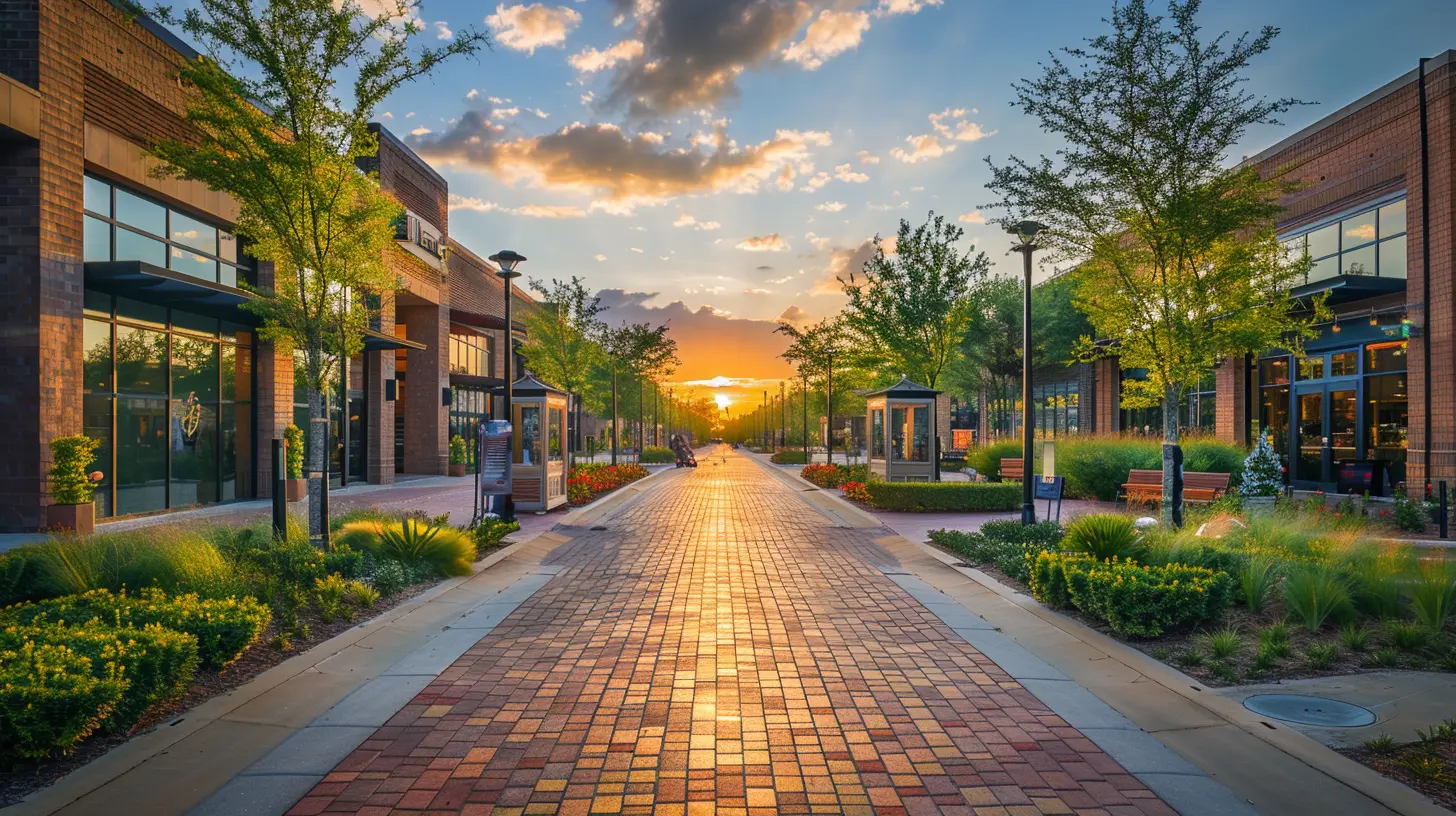
How Zoning Affects the Location of Shopping Centers
Ever wonder why some shopping centers seem to pop up in the middle of nowhere while others are conveniently located in bustling city centers? Zoning laws have a direct impact on where these retail spaces can be developed.Urban vs. Suburban Shopping Centers
- Urban Areas: Zoning regulations in cities tend to favor mixed-use developments, meaning shopping centers are often incorporated into residential and office buildings. These spaces are typically compact and pedestrian-friendly, making them ideal for shoppers who prefer to walk rather than drive.- Suburban Areas: In contrast, suburban shopping centers are usually larger and more spread out, thanks to different zoning allowances. Big-box stores and sprawling shopping malls thrive in these areas since there’s more space available for parking and larger buildings.
High-Traffic Locations vs. Remote Locations
Zoning laws also determine whether a shopping center can be placed near major highways, residential areas, or commercial districts. Many developers prefer high-traffic locations to attract more customers, which is why you’ll often see shopping centers close to busy intersections and main roads.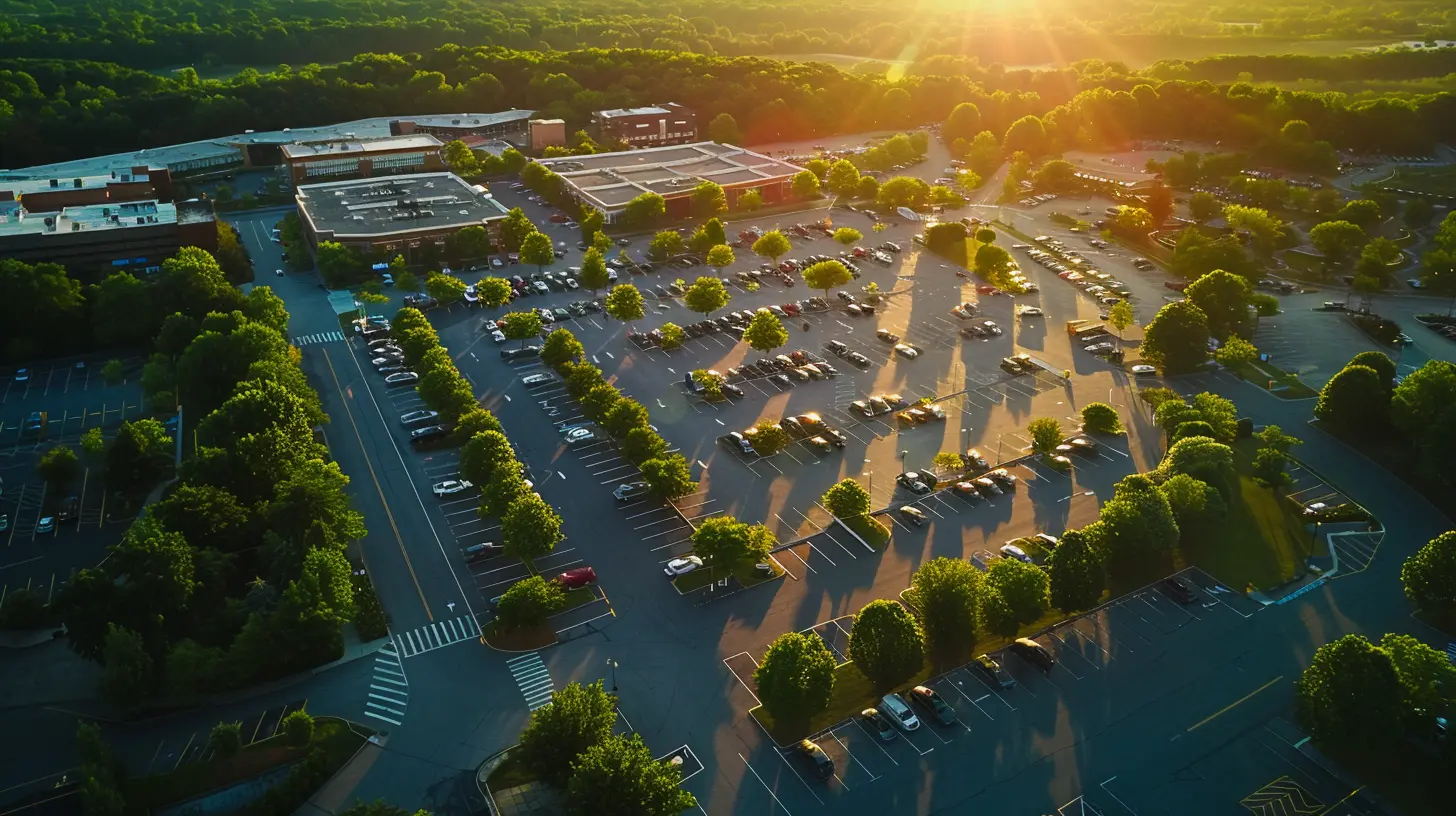
The Challenges of Zoning for Shopping Center Development
While zoning laws help maintain order and prevent chaos in city planning, they also come with challenges for shopping center developers.1. Lengthy Approval Processes
Before breaking ground on a new shopping center, developers must navigate a maze of permits, public hearings, and government approvals. This process can take months—or even years—depending on the location and zoning requirements.2. Rezoning Hurdles
Sometimes, developers want to build a shopping center in an area that isn't zoned for commercial use. When this happens, they must request a rezoning, which can be a long and complicated process. Convincing city officials and local residents to approve the change isn’t always easy.3. Parking and Traffic Concerns
Most zoning laws require shopping centers to have a minimum number of parking spaces to accommodate shoppers. While this sounds straightforward, it can lead to challenges, especially in densely populated areas where space is limited.4. Balancing Green Space and Development
Many cities are enforcing zoning regulations that require shopping centers to incorporate green spaces, pedestrian-friendly walkways, and sustainable building designs. While this is great for the environment, it sometimes increases the cost and complexity of development.The Future of Zoning and Shopping Centers
As cities grow and shopping trends change, zoning laws are evolving to accommodate new retail models. Here are some emerging trends that are shaping the future of shopping centers:1. More Mixed-Use Developments
Cities are increasingly favoring mixed-use zoning, encouraging shopping centers to integrate with residential and office spaces. This trend fosters walkability and community engagement, making shopping centers feel more like social hubs rather than just retail destinations.2. Emphasis on Sustainability
Expect to see more shopping centers designed with eco-friendly elements, such as rooftop gardens, solar panels, and bike-friendly infrastructure. Zoning laws are pushing developers to think greener, which benefits both businesses and the environment.3. Shift Toward Smaller, Local-Oriented Retail Spaces
The rise of e-commerce has changed the way people shop, leading to a shift away from traditional mega malls. Instead, zoning laws are supporting smaller, boutique-style shopping centers that cater to local businesses and unique shopping experiences.4. Adaptive Reuse of Existing Spaces
Rather than building from scratch, developers are repurposing old buildings—such as warehouses and abandoned malls—into vibrant new shopping centers. Zoning laws are becoming more flexible to accommodate these transformations.Final Thoughts
Zoning might not be the most exciting topic, but it’s one of the most important factors in shaping the shopping centers we all know and love. Whether it's determining where a mall can be built or how much parking is required, zoning laws influence every aspect of shopping center development.So, the next time you stroll through your favorite shopping center, take a moment to appreciate the behind-the-scenes regulations that made it possible. Without zoning laws, our cities would be a chaotic mix of businesses, homes, and factories—but thanks to urban planning, we get well-designed, convenient shopping spaces that fit seamlessly into our communities.
all images in this post were generated using AI tools
Category:
Zoning RegulationsAuthor:

Travis Lozano
Discussion
rate this article
1 comments
Skyler Turner
Zoning plays a crucial role in shopping center success.
July 31, 2026 at 4:07 AM