How to Prevent Property Damage Before It Happens
25 March 2026
Owning a home or investment property is a big responsibility. And let's be honest—property damage can be a homeowner’s worst nightmare. From leaky roofs to busted pipes, the cost of repairs can add up quickly. But here’s the good news: most property damage can be prevented with a little foresight and regular maintenance!
In this guide, we’ll go over practical, easy-to-follow tips to help you safeguard your property before problems arise. Because when it comes to keeping your home in good shape, prevention is always better (and cheaper) than repairs! 
1. Perform Regular Inspections
Think of your property like a car—if you never get it checked, small issues can snowball into major (and expensive) repairs. Regular inspections help you catch minor problems before they turn into full-blown disasters.What Should You Inspect?
- Roof & Gutters: Look for loose shingles, cracks, or signs of leaks. Clogged gutters can cause water damage, so clean them regularly.- Plumbing: Check under sinks, around appliances, and in basements for leaks or signs of moisture.
- Foundation & Walls: Cracks may indicate structural problems or water damage.
- Windows & Doors: Look for gaps that let in moisture or pests.
- HVAC System: Clean or replace filters and ensure vents are clear.
A quarterly or bi-annual check can save you thousands in costly repairs! 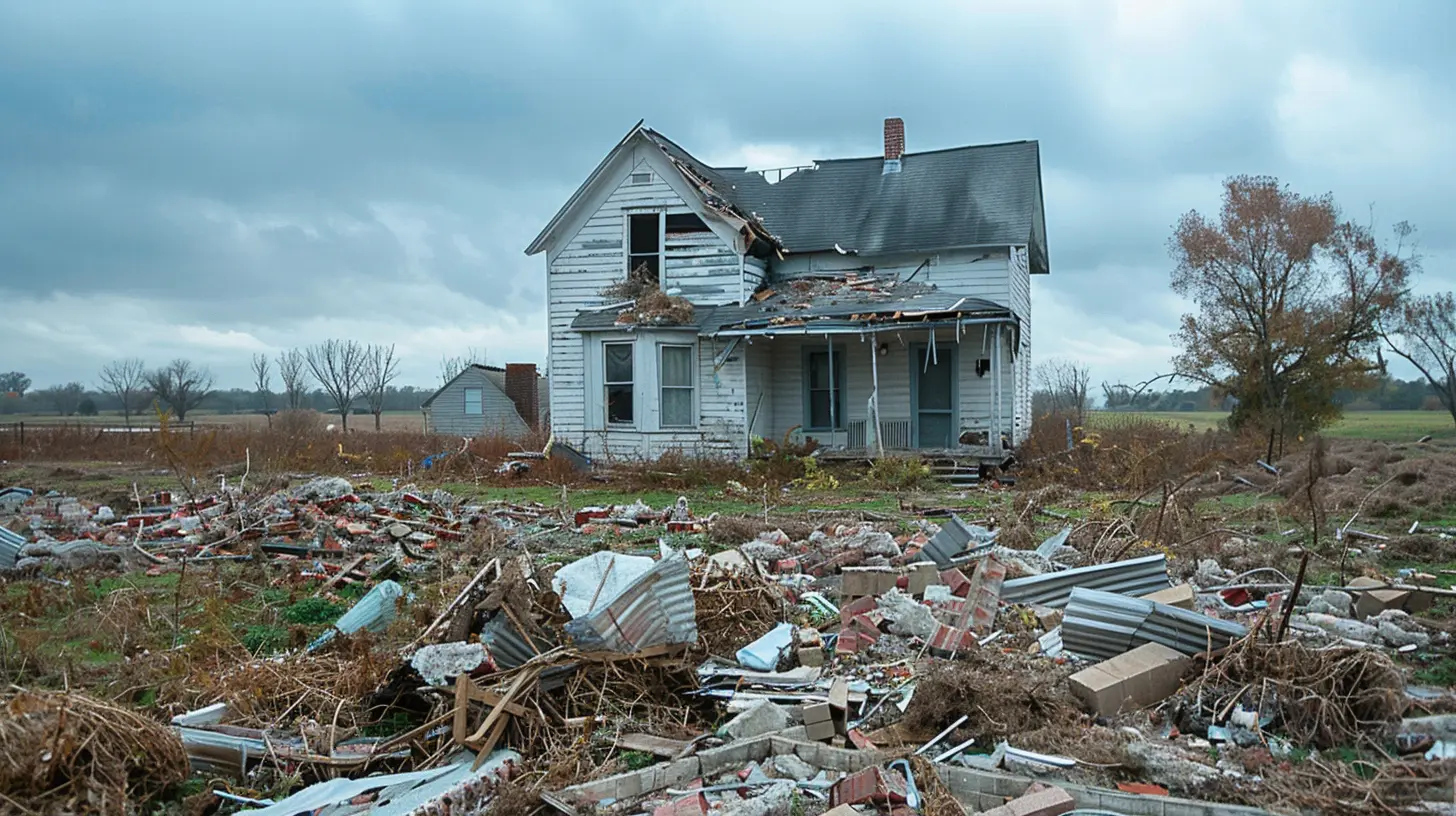
2. Keep Up With Routine Maintenance
If inspections are about spotting issues, routine maintenance is about preventing them altogether. A little effort now means fewer headaches (and expenses) down the road.Key Home Maintenance Tasks:
✅ Seal Cracks & Gaps: Weatherproofing your home prevents leaks, drafts, and pest invasions.✅ Clean Gutters & Downspouts: Prevents water buildup and damage to your home’s foundation.
✅ Trim Trees & Shrubs: Overhanging branches can break and cause roof damage in storms.
✅ Test Smoke & Carbon Monoxide Detectors: Safety first! These devices could save your life.
✅ Flush Your Water Heater: Helps remove sediment build-up and extends its lifespan.
It may take a weekend of effort, but staying on top of these tasks makes a world of difference! 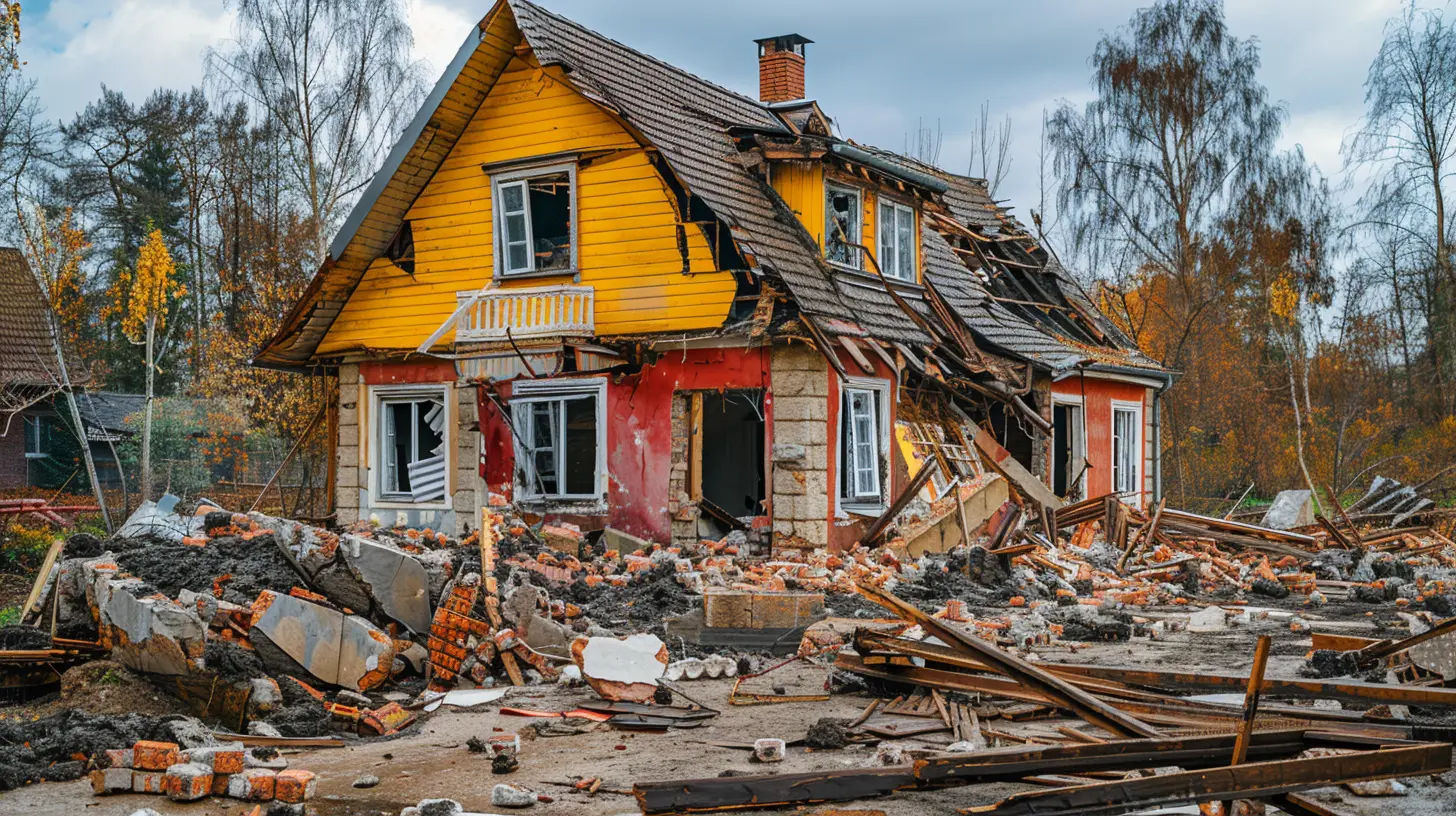
3. Protect Against Water Damage
Water might be a home’s biggest enemy. Whether from a leaking appliance, broken pipe, or natural disaster, water damage can lead to mold, rot, and structural issues.How to Keep Water Out of Your Home:
- Install a Sump Pump: If your basement is prone to flooding, a sump pump is a must-have.- Check for Leaks: Even a tiny drip can cause major damage over time.
- Ensure Proper Drainage: Landscape your yard so water flows away from your home’s foundation.
- Use Water Sensors: These smart devices alert you at the first sign of a leak, giving you time to act fast!
A little water can do a lot of harm—stay one step ahead of potential issues. 
4. Reinforce Your Home Against Storm Damage
Mother Nature doesn’t care about your property value. Storms, high winds, and severe weather can wreak havoc on your home if you’re not prepared.Storm-Proofing Tips:
🌀 Secure Outdoor Furniture: In high winds, loose items become dangerous projectiles.🌀 Reinforce Windows & Doors: Storm shutters or impact-resistant glass can add an extra layer of protection.
🌀 Check Your Roof: Secure or replace any loose shingles to prevent leaks.
🌀 Clean Your Gutters: Proper drainage reduces the risk of water pooling and damaging your home.
If you live in an area prone to hurricanes, tornados, or heavy snow, investing in home reinforcements could save you a fortune on future repairs.
5. Prevent Fire Hazards
House fires can be devastating, but many are preventable. Simple precautions can significantly reduce the risk of fire damage.Fire Prevention Essentials:
🔥 Check Electrical Wiring: Faulty wiring is one of the leading causes of house fires. Look for exposed wires, flickering lights, or burning smells.🔥 Clean Your Dryer Vent: Lint build-up is highly flammable. Cleaning the vent regularly prevents fire hazards.
🔥 Never Overload Outlets: Plugging too many devices into one outlet can cause overheating.
🔥 Keep an Eye on the Kitchen: Unattended cooking is the top cause of house fires. Always stay nearby when using the stove.
Fire prevention is all about vigilance—stay alert and take the necessary precautions to keep your home and loved ones safe.
6. Invest in Proper Home Security
Your home should feel like a safe haven, and that means keeping it protected from burglaries and vandalism.Ways to Boost Home Security:
🔒 Install Security Cameras: Even dummy cameras can deter intruders!🔒 Use Motion-Activated Lights: Criminals love the dark, so light up your entryways.
🔒 Reinforce Doors & Windows: Strong locks and deadbolts make break-ins harder.
🔒 Get a Smart Security System: Remote access and monitoring give you peace of mind, even when you're away.
A well-secured home isn’t just about preventing theft—it’s about giving you peace of mind.
7. Have the Right Insurance Coverage
Even with the best preventative measures, accidents can still happen. That’s why having the right insurance is absolutely crucial.What Should Your Home Insurance Cover?
✅ Fire & Smoke Damage✅ Water Damage (Depending on the Source)
✅ Storm & Natural Disaster Damage
✅ Theft & Vandalism
Take time to review your policy and ensure you’re adequately covered—it could mean the difference between paying out of pocket or getting financial relief when disaster strikes.
8. Know Your Property’s Risks
Every home is different, and so are its risks. A beachfront property faces different challenges than a house in a dry, wildfire-prone area.How to Assess Your Home’s Risk Factors:
📍 Check Disaster History: Has your area experienced floods, hurricanes, or earthquakes?📍 Review Crime Rates: High-crime neighborhoods may require extra security measures.
📍 Understand Seasonal Risks: Snowy regions need extra roof maintenance, while hot climates may require better air conditioning upkeep.
Knowing your property’s unique risks helps you take targeted action to prevent potential damage.
9. Create an Emergency Plan
Despite our best efforts, emergencies can happen. Having a plan in place ensures that you and your family know exactly what to do when disaster strikes.What Your Emergency Plan Should Include:
🆘 Evacuation Routes: Know the quickest way out of your home in case of fire or flooding.🆘 Emergency Contacts: Keep a list of important numbers, including insurance providers.
🆘 Disaster Kit: Essentials like water, non-perishable food, flashlights, and first-aid supplies can be lifesavers during an emergency.
A little preparation goes a long way in keeping your loved ones safe when the unexpected happens.
Final Thoughts
Preventing property damage isn’t just about protecting your investment—it’s about ensuring your home stays a safe and comfortable place for you and your family. With regular maintenance, proactive security, and a solid emergency plan, you can avoid costly repairs and unnecessary stress.At the end of the day, a little prevention now saves you a lot of trouble later. So, take action today and keep your property in top shape before disaster has a chance to strike!
all images in this post were generated using AI tools
Category:
Property ManagementAuthor:

Travis Lozano
Discussion
rate this article
2 comments
Clover Baker
Proactively maintaining your property and addressing potential risks can save time, money, and stress long-term.
April 3, 2026 at 7:23 AM
Travis Lozano
Absolutely! Proactive maintenance is key to preventing costly damages and ensuring peace of mind. Thank you for your insight!
Sophia McPhail
Preventing property damage is like avoiding a bad haircut—just a little planning goes a long way!
March 28, 2026 at 3:23 AM
Travis Lozano
Absolutely! A little foresight can save you time, money, and stress—much like a good haircut! Thanks for the great analogy!