How to Negotiate the Best Deal on a Foreclosed Property
3 February 2026
Buying a foreclosed property can be a goldmine for savvy investors or homebuyers looking for a bargain. But let’s be honest—scoring the best deal isn’t as simple as walking in and making an offer. Banks and lenders want to recoup their losses, and competition can be fierce.
So, how do you cut through the noise and land a foreclosed property at the best possible price? It all comes down to strategy, patience, and a bit of negotiating finesse. If you’re ready to dive into the world of distressed properties, keep reading. You’ll learn how to negotiate like a pro and avoid common pitfalls along the way.
Understanding Foreclosed Properties
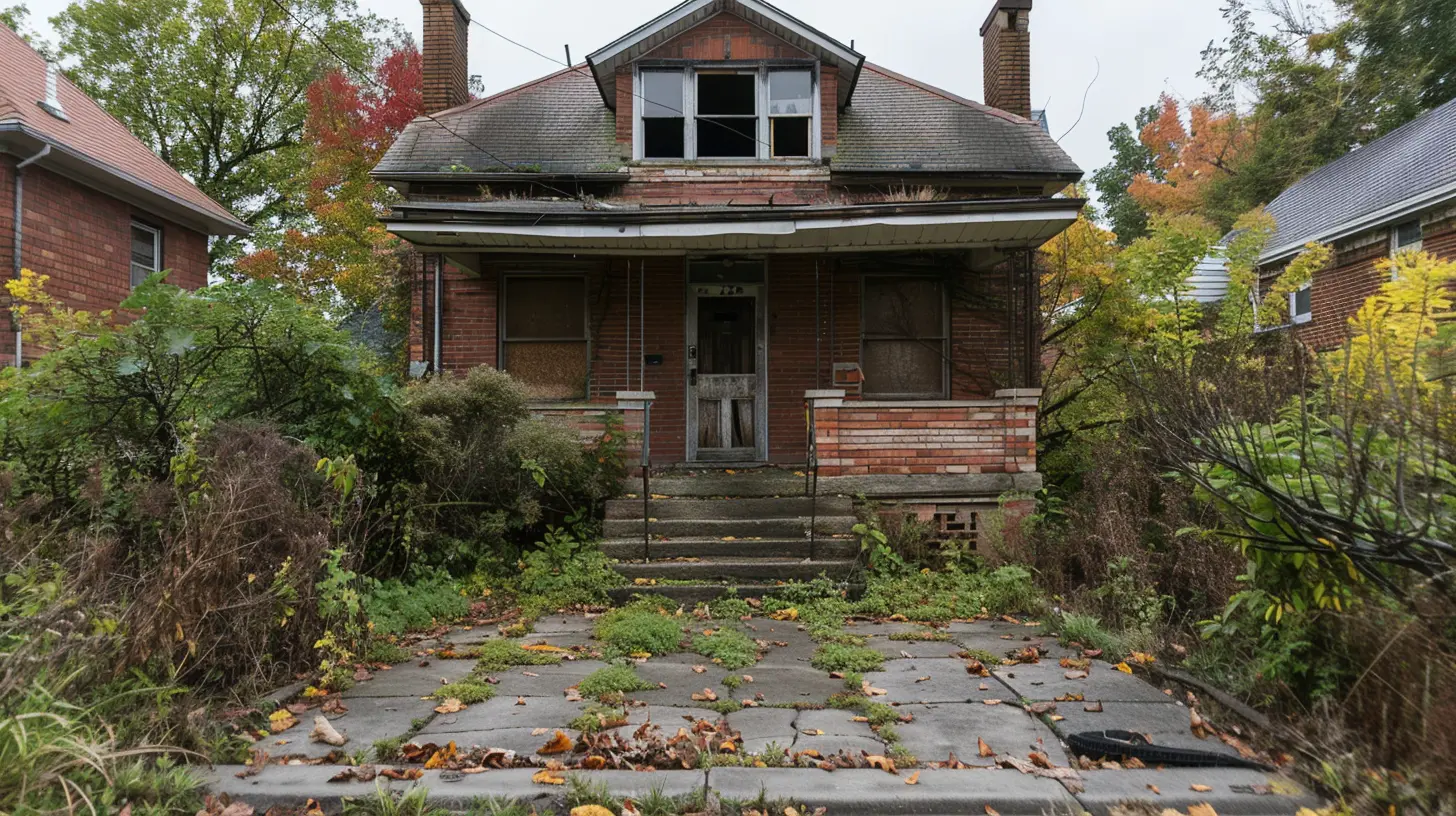
Before jumping into negotiations, it’s crucial to understand what a foreclosed property is. In simple terms, foreclosure happens when a homeowner fails to meet mortgage payments, and the lender takes possession of the home to recover losses.There are two main types of foreclosures:
- Pre-Foreclosure (Short Sale) – The owner is behind on payments but still has control of the property. They may try to sell it for less than what’s owed (with the lender's approval).
- Bank-Owned or REO (Real Estate Owned) – The bank has taken full possession after an unsuccessful auction. These properties are often sold "as-is" and can be great deals but may need repairs.
Now that we’ve got the basics covered, let’s dive into the best negotiation tactics.
1. Do Your Research First
Would you go into a poker game without understanding the rules? Probably not. The same logic applies when negotiating a foreclosed property. Always do your homework before submitting an offer.- Check Property Values: Look up comparable properties in the area. If similar homes are selling for $250,000 and the foreclosure is listed at $220,000, there might be room for negotiation.
- Understand the Market: Is it a buyer’s or seller’s market? In a buyer’s market, you’ll have more leverage to negotiate a better price.
- Look into the Property’s History: Was it listed before foreclosure? Did it fail to sell at auction? How long has it been on the market? The longer it sits, the more motivated the lender may be to negotiate.
2. Get Pre-Approved for a Mortgage (or Have Cash Ready)
Banks love certainty. If they know you’re financially capable of closing the deal quickly, they’re more likely to negotiate.- Cash is King: Foreclosed properties often attract cash buyers because banks prefer a smooth, fast transaction over a lengthy mortgage approval process.
- Pre-Approval Shows Seriousness: If you’re financing, getting pre-approved gives you an edge over other buyers who still need loan approval.
3. Hire a Real Estate Agent Who Specializes in Foreclosures
Navigating foreclosed properties isn’t the same as buying a traditional home. A real estate agent with foreclosure experience will have insight into lender negotiations, potential red flags, and how to craft the right offer.- They Know the Process: Each bank has its own foreclosure process and requirements. A knowledgeable agent can help you avoid common mistakes.
- They Can Spot a Good Deal: Instead of wasting time on overpriced or damaged properties, they’ll steer you toward the best options.
4. Make a Competitive but Strategic Offer
You don’t want to underbid so much that the bank ignores you, but at the same time, you don’t want to overpay. The key is to strike the right balance.- Start Below Asking Price: Foreclosed properties are often listed below market value, so you should still negotiate. However, avoid ridiculously low offers that make you seem unserious.
- Factor in Repair Costs: Unlike traditional sellers, banks won’t usually fix up the property before selling. Get an inspection (if possible) and estimate how much you’ll need to spend on repairs before finalizing your offer.
- Be Ready for Multiple Offers: If the property is a hot commodity, expect competition. Consider adding a larger earnest money deposit to make your offer stand out.
5. Be Patient – Banks Don’t Move Fast
One frustrating aspect of buying a foreclosure is dealing with banks. They have their own internal processes, and negotiating with them isn’t like haggling with a motivated homeowner.- Expect Delays: It can take weeks or even months to get a response. If you’re in a hurry to move, a foreclosure may not be the right fit.
- Follow Up Without Being Pushy: Persistence is key. If you don’t hear back within a reasonable timeframe, have your agent check in with the bank’s representative.
6. Request Concessions Where Possible
While most banks sell their foreclosures “as-is,” that doesn’t mean they won’t budge on certain things. Depending on the situation, you may be able to negotiate:- Closing Costs: Some lenders may agree to cover part of your closing costs to speed up the sale.
- Repairs or Credits: If an inspection reveals major issues, you can ask the bank for a price reduction or a repair credit.
- Extended Closing Time: If you need extra time to secure financing, you might be able to negotiate a longer closing period.
7. Have a Backup Plan
Not every foreclosure deal works out—and that’s okay. Lenders sometimes reject offers, delay responses, or even pull properties off the market at the last minute. Instead of putting all your eggs in one basket, have a few backup options in mind.- Keep Searching: The foreclosure market fluctuates, and new deals pop up all the time.
- Know When to Walk Away: If negotiations stall or the repair costs are too high, be willing to walk. There will always be other opportunities.
8. Close the Deal Like a Pro
Once your offer is accepted, it’s time to finalize everything. Here’s what you need to do:- Get a Final Inspection: Some foreclosed homes deteriorate due to neglect or vandalism. Double-check the property before closing.
- Review All Paperwork Carefully: Make sure there aren’t any hidden fees or additional conditions before signing.
- Secure Financing (if applicable): If you’re taking a mortgage, ensure your lender is ready for a smooth closing.
Congratulations! You’ve successfully negotiated a foreclosed property and landed yourself an incredible deal.
Final Thoughts
Negotiating a foreclosed property isn’t for the faint of heart. It requires patience, strategy, and a bit of persistence. But if you do your research, make smart offers, and stay adaptable, you can walk away with a fantastic deal.Remember: The key is not just to buy cheap but to buy smart. Happy house hunting!
all images in this post were generated using AI tools
Category:
ForeclosuresAuthor:

Travis Lozano
Discussion
rate this article
2 comments
Joanna Gibson
Seize the opportunity! With knowledge and determination, you can turn a foreclosed property into your dream home. Every challenge is a chance for success!
February 23, 2026 at 5:56 AM
Travis Lozano
Absolutely! With the right mindset and approach, you can transform challenges into opportunities for creating your ideal home. Happy negotiating!
Ryder Hall
Negotiating a foreclosed property can be tricky. Always do your research, have financing ready, and be prepared to walk away. Don’t rush; patience can lead to the best deal. Happy hunting!
February 9, 2026 at 5:46 AM
Travis Lozano
Thank you for your insights! Patience and preparation are indeed key to navigating the complexities of foreclosed properties. Happy hunting to you as well!