How to Market a Small Home: A Guide for First-Time Sellers
3 January 2026
So, you’re thinking of selling your cozy little home? Maybe you're upgrading to something bigger, chasing a job opportunity, or just ready for a change. Whatever the reason, selling a small home might feel like a challenge—especially if it’s your first time. Bigger homes can flaunt their size, wide-open rooms, and lavish features, but small homes? They need a little more creativity.
Don’t worry. You’re in the right place.
In this guide, we’re going to walk through the real, nitty-gritty strategies you’ll need to make your small space irresistible to buyers. We’ll keep things honest, practical, and yes, totally doable—even on a budget.
Let’s dive in.
Why Is Selling a Small Home Different?
Let’s start with the obvious: small homes don’t have boatloads of space to show off.But that’s not necessarily a negative. A lot of buyers—especially first-time homeowners, retirees, or minimalists—are attracted to smaller spaces. They’re practical, cozy, and often more affordable. The key is to make your home shine in all the right ways.
You don’t need to lie or stretch the truth. You just need to highlight what works, minimize distractions, and help buyers picture themselves living there.
First Things First: Understand Your Target Buyer
Take a minute and think—who’s most likely to buy your home?- A young couple buying their first place?
- A single professional who wants a low-maintenance lifestyle?
- An older buyer looking to downsize?
When you know your target audience, you can tailor your marketing efforts to connect with them emotionally. People buy homes with their hearts, not just their heads.
For example, if your home is in a trendy urban area, emphasize the walkability, local coffee shops, and short commute. If it's in a quiet neighborhood near good schools, lean into the “perfect starter family home” angle.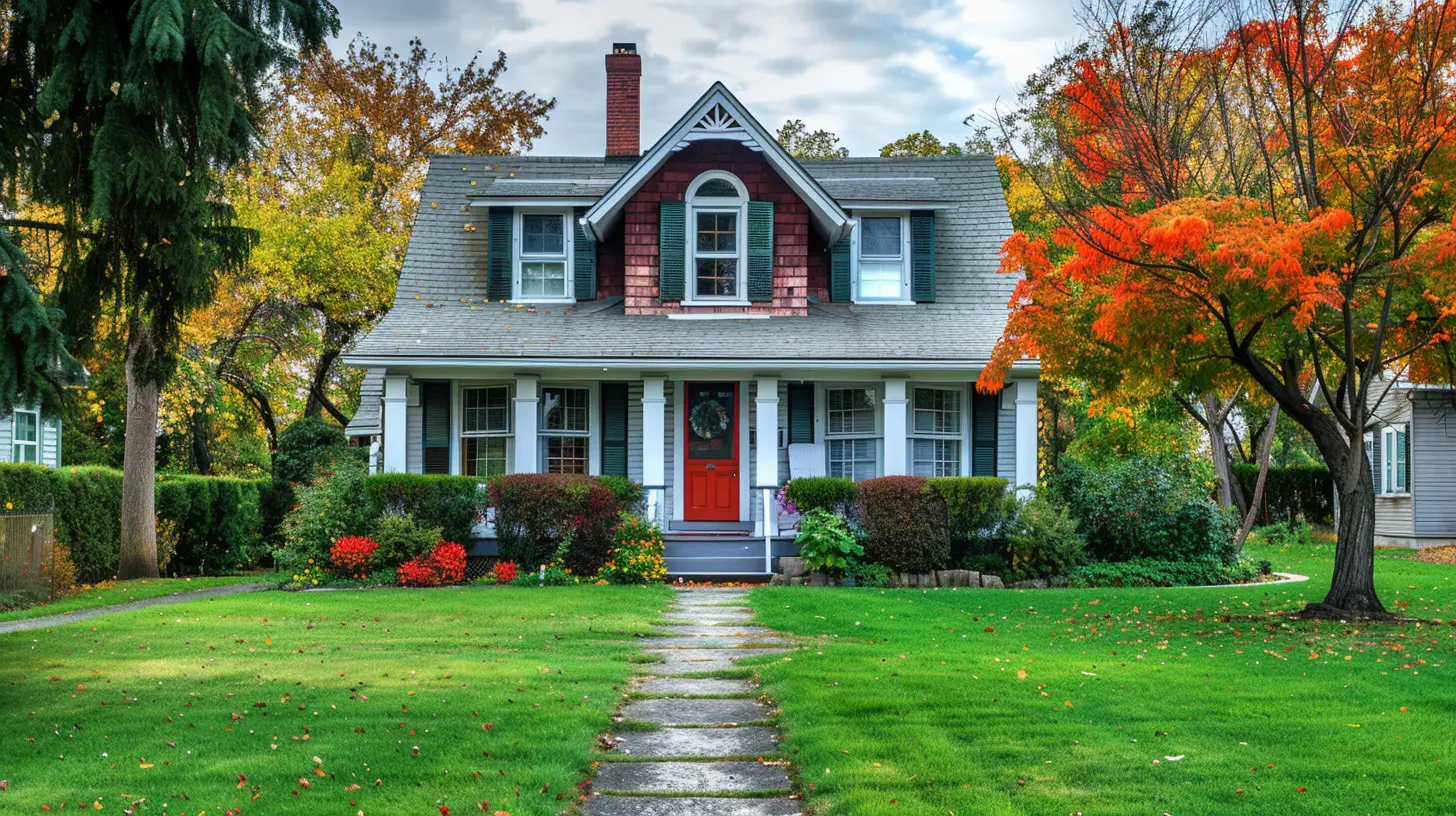
Stage It Like You Mean It
Staging isn’t just about throwing a decorative pillow on a couch. It’s about creating a vibe—helping buyers visualize what life could look like in your small space.Declutter Like You’re Breaking Up With Stuff
Small homes feel even smaller when they’re filled to the brim. Remove more than you think you need to. Less is more.- Clear surfaces (kitchen counters, tables, desks).
- Take down personal photos and kid art.
- Store away seasonal items and extra furniture.
Imagine walking into a space that feels fresh, light, and wide open—even if it’s not technically big.
Use Light to Your Advantage
Natural light is your small home’s bestie. Open up the curtains, clean the windows, and use mirrors to bounce light around.If you don’t have tons of sunlight, go for soft, warm lighting with lamps and overhead fixtures. Light = space. Fake it till you make it.
Keep It Neutral (But Not Boring)
You might love that lime green accent wall—but buyers? Maybe not so much. Stick with light, neutral tones like soft grays, whites, or beiges. This helps the home feel larger and gives buyers a blank canvas to imagine their own style.But don’t strip the personality completely. A cozy throw, some cute plants, or a pop of color in the artwork can do wonders.
Focus on Functionality
One major selling point for small homes? Smart use of space.Show Off Multi-Use Areas
Do you have a dining table that doubles as a workspace? A loft bed with a closet underneath? Highlight those features!Buyers love to see that every inch of space has a purpose.
Storage Sells
Storage is the holy grail in smaller homes. Make sure closets, cabinets, and drawers look organized and spacious. Yes, they will open them.You might even want to invest in clever storage solutions like under-bed drawers, hanging organizers, or modular shelves. For buyers, these little things say, "Living here will be easy."
Nail Your Listing Description
This is where you tell the story of your home. The trick? Be honest, but highlight the positives in a way that pulls people in.Here’s how you do it:
- Start with emotion: “Tucked away in a quiet, tree-lined neighborhood, this charming 2-bedroom cottage offers the perfect mix of comfort and convenience.”
- Focus on lifestyle, not just facts: Don’t just say “small kitchen,” say “efficient kitchen layout perfect for quick meals or morning coffee.”
- Highlight the upgrades: New roof? Refinished floors? Energy-efficient windows? Mention them.
Keep it warm, friendly, and easy to read. You're not writing an essay—you’re having a conversation.
Take Killer Photos (Don’t Skimp Here!)
Great photos = more clicks = more showings = more offers.Hire a professional if possible—it’s worth every penny. If you're DIY-ing it, here are a few tips:
- Shoot in natural daylight.
- Use a tripod to avoid blurriness.
- Capture the whole room from the corner (it makes spaces look bigger).
- Edit lightly—no over-the-top filters.
Also, include shots of the exterior, entryway, and any cute nooks or bonus spaces. Make your thumbnail pop in a sea of listings.
Use Video to Stand Out
If a picture is worth a thousand words, a video might just be worth an offer.A quick walk-through video—on your phone or professionally done—gives potential buyers a real sense of layout. Go the extra mile and add a friendly voiceover or background music.
Even better? A virtual tour for out-of-town buyers or busy browsers.
List It Everywhere (Seriously, Everywhere)
Don’t rely on one or two platforms. You want maximum eyeballs on your listing.✅ MLS (Multiple Listing Service)
✅ Zillow, Trulia, and Redfin
✅ Facebook Marketplace & Groups
✅ Instagram (yes, it works!)
✅ Craigslist (still surprisingly relevant)
✅ Local Real Estate Forums
And of course, if you're working with a real estate agent, they'll get it listed in all the right places. But don't be shy about doing your own mini-marketing campaign too.
Lean Into Social Media
Your friends and family are your biggest cheerleaders—let them help spread the word!Post your listing on Facebook and ask people to share. Create a short Instagram Reel or TikTok showing off the home's best features. Tag your location, use relevant hashtags, and keep it fun.
Social media gives your home personality. And if it resonates with someone? Boom—a new lead.
Offer Something Extra
Buyers love perks. They don’t have to be huge to be effective.Think outside the box:
- Offer to cover closing costs.
- Include that cute kitchen island or built-in shelves.
- Throw in a one-year home warranty.
- Offer a fast closing date for motivated buyers.
These little incentives can tip the scale in your favor—especially in a competitive market.
Be Real About Pricing
This one’s tough. It’s tempting to shoot for the stars and hope someone bites. But overpricing a small home can backfire fast.Work with a real estate agent (or do your own homework) to figure out your home’s true market value. Check out recent sales of similar-sized homes in your area. Even small differences in square footage, updates, or location can affect price.
And remember, the right price attracts the most attention. More attention = faster sale.
Host an Open House With a Personal Touch
Open houses aren’t just about unlocking the door and waiting.Make it memorable:
- Bake cookies or serve cold drinks.
- Have soft music playing in the background.
- Print out a one-sheet with key features and neighborhood info.
Better yet, offer guided walk-throughs where you can point out the home’s highlights and charm.
Gather (and Use) Feedback
After a few showings, ask for honest feedback.Is the bedroom too cluttered? Does the yard feel small? Are the closets hard to access?
Instead of getting defensive, use that feedback as a to-do list. Small changes can go a long way.
Final Thoughts
Marketing a small home as a first-time seller can feel intimidating—but it doesn’t have to be. It’s not about hiding the square footage or pretending your humble home is a mansion. It’s about showing buyers the lifestyle your space offers, the comfort it provides, and the potential it holds.Remember: Every home has a story. Yours is no different. Tell it well, market smart, and trust that the right buyer will see the beauty in exactly what you have to offer.
Happy selling!
all images in this post were generated using AI tools
Category:
First Time SellersAuthor:

Travis Lozano
Discussion
rate this article
2 comments
Flynn Kelly
Marketing a small home effectively requires highlighting its unique features. Utilize social media, stage the space to maximize appeal, and focus on creating an inviting atmosphere. Price competitively to attract potential buyers quickly in a crowded market.
January 27, 2026 at 5:11 AM
Travis Lozano
Thank you for your insightful comment! Highlighting unique features and creating an inviting atmosphere are key strategies for effectively marketing a small home. Your emphasis on social media and competitive pricing is spot on for attracting buyers in a crowded market.
Faye Lewis
This article offers valuable insights for first-time sellers. It emphasizes the importance of staging and effective marketing strategies, which can truly make a small home stand out. Great advice!
January 15, 2026 at 5:03 AM
Travis Lozano
Thank you for your feedback! I'm glad you found the insights on staging and marketing helpful for first-time sellers.