How Tech Hubs Are Leading the Price Surge Into 2026
3 October 2026
Real estate markets rarely move in a straight line. They breathe. They pause, correct, then surge again when the underlying fundamentals shift. Right now, the most powerful shift is happening in technology hubs, and the effects are rippling through housing, commercial real estate, and land values in ways that will shape the market well into 2026.
This is not a story about speculation. It is a story about jobs, wages, infrastructure, and the quiet mechanics of supply and demand. Understanding why tech hubs lead price surges, and how you can position yourself before the next wave, is the difference between chasing a market and anticipating one.

Why Tech Hubs Lead, Not Follow
Tech hubs do not simply benefit from economic growth. They manufacture it. A cluster of software companies, research universities, venture capital, and skilled labor creates a self-reinforcing loop. Each new engineer who moves in makes the region more attractive to the next employer. Each new employer raises demand for housing, services, and infrastructure.This clustering effect is why a city like Austin, Texas, absorbed an enormous influx of corporate relocations and still struggled to build homes fast enough. It is also why smaller markets such as Boise, Idaho, and Huntsville, Alabama, saw price growth that outpaced national averages for several consecutive years.
The key insight is that tech employment is not just a job. It is a wage multiplier. A software engineer earning a high salary spends locally on housing, dining, childcare, and services. Those dollars support teachers, nurses, contractors, and restaurant owners. When thousands of these workers arrive within a few years, the entire local economy reprices upward.
The Wage-to-Price Transmission Channel
Housing prices respond to income, but not proportionally. When high earners move into a market with limited supply, they bid up the most desirable neighborhoods first. That pushes mid-income buyers into adjacent areas, which pushes lower-income renters further out. The result is a cascading repricing that can raise median home values far beyond what local wages alone would justify.This is why a market can feel "overpriced" to long-time residents while remaining rational to newcomers. The newcomer compares the price to their salary in a high-cost coastal city, not to the local median income. That comparison gap is the engine of the surge.
Supply Cannot Catch Up Quickly
Construction is slow. Zoning approvals take years. Skilled labor is limited. Materials are cyclical. Even in markets with aggressive permitting, the pipeline from land purchase to occupancy often runs three to five years.So when demand jumps, supply lags. That lag is where price surges are born. It is also why the surge tends to persist even after headlines declare the boom over. The homes simply are not there yet.

The 2026 Landscape: What Is Actually Driving Prices
Several forces are converging as we move toward 2026. Each one deserves separate attention because they interact in ways that amplify the others.Artificial Intelligence and the Second Wave of Tech Migration
The first wave of tech migration was about software companies clustering in a few coastal cities. The second wave, driven by artificial intelligence, is different. AI companies need compute, data centers, and specialized talent. That is pushing growth into secondary and tertiary markets that have cheap land, reliable power, and favorable tax treatment.Markets like Columbus, Ohio, and the Research Triangle in North Carolina are absorbing significant data center and AI-related investment. This creates two distinct demand streams: high-salary engineers and a large supporting workforce of electricians, technicians, and construction crews.
Remote Work Did Not Kill the Hub. It Widened It.
A common misconception is that remote work would hollow out tech hubs. The data suggests otherwise. What actually happened is that the hub expanded. Workers who could live anywhere often chose to live within driving distance of the office for occasional collaboration, family reasons, or lifestyle.This widened the geographic footprint of price pressure. Suburbs forty to sixty miles from a tech core saw some of the sharpest appreciation. Rural towns with reliable internet became commuter towns. The hub did not shrink. It sprawled.
Infrastructure as a Price Catalyst
Transit lines, highway expansions, and broadband buildouts are not neutral. They change the calculus of where people can live and work. A new rail station can raise nearby property values within a few years. A fiber rollout can make a remote town viable for a tech worker who would otherwise never consider it.Investors and homebuyers who track infrastructure timelines often spot price surges before they appear in the data. That is not insider knowledge. It is public information that most people simply do not act on.

Real-World Patterns: What the Surges Look Like
Price surges in tech hubs follow recognizable patterns. Recognizing them helps you decide whether to buy, sell, hold, or wait.The Early Signal Phase
In this phase, job postings rise, office leases expand, and rental demand tightens. Home prices have not moved much yet. This is the best window for buyers who plan to hold for five or more years.The Acceleration Phase
Now prices move quickly. Bidding wars become common. Inventory drops below two months of supply. Sellers gain leverage. This is where most headlines appear, and where most buyers feel pressure.The Plateau Phase
Price growth slows, but it rarely reverses sharply in a fundamentally strong market. The plateau is often mistaken for a crash. In reality, it is a digestion period. Sellers who bought at the peak of acceleration may struggle. Buyers who waited often find better terms and less competition.The Correction Phase
Corrections happen when a shock hits, such as a sharp rise in interest rates or a major employer pulling back. Tech hubs are not immune. But corrections in these markets tend to be shallower and shorter than in regions without a diversified tech base.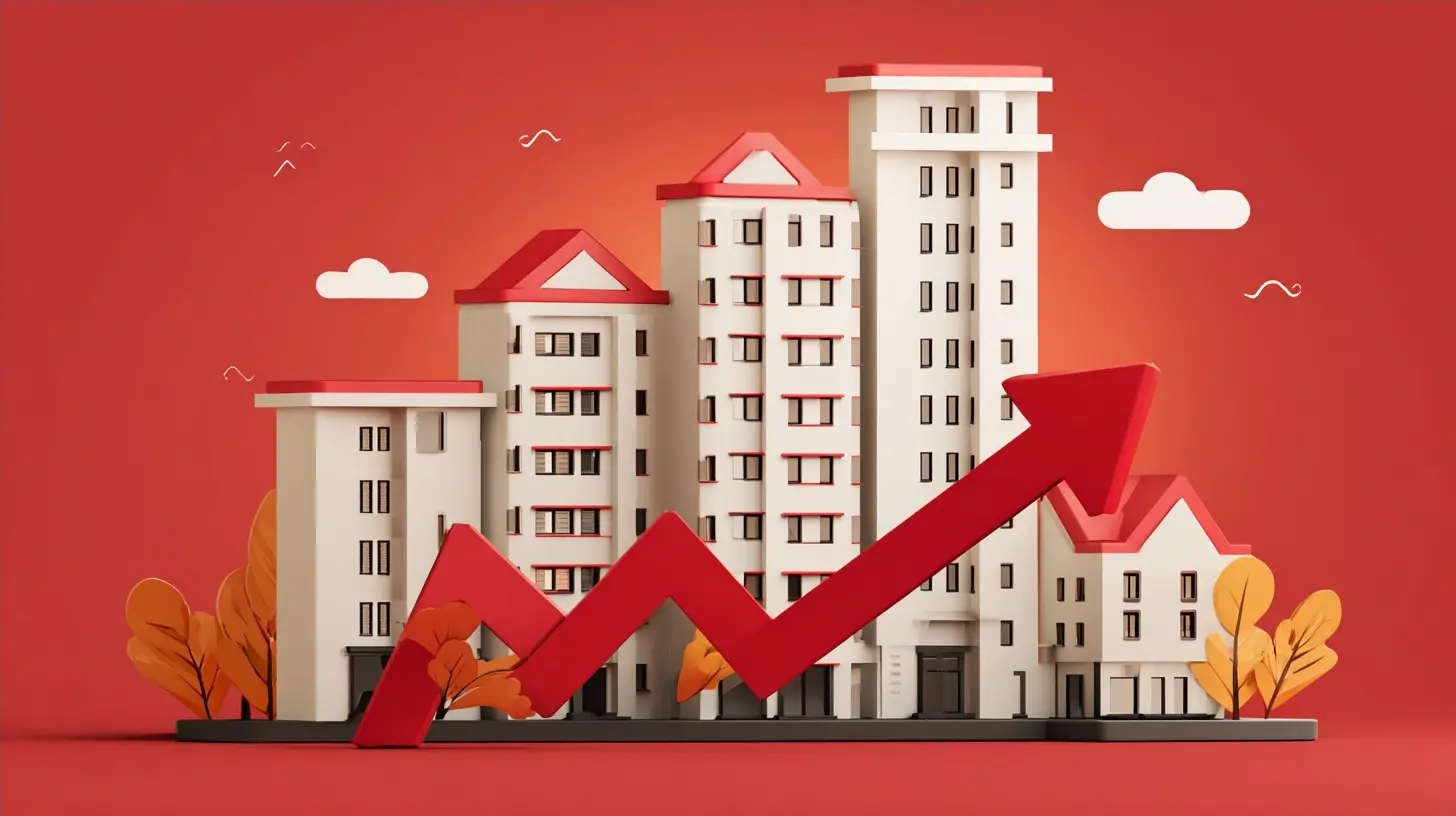
Common Mistakes Buyers and Investors Make
Understanding the mechanics is not enough. Most people lose money because of behavioral errors, not informational ones.Mistake One: Chasing the Headline
By the time a market is in the news, the acceleration phase is usually underway. Buying at that moment often means paying a premium and accepting thin margins. The better move is to identify the next hub before the headlines arrive.Mistake Two: Ignoring the Cost of Carry
A property that appreciates 8 percent a year can still lose money if taxes, insurance, maintenance, and vacancy eat 10 percent. Tech hub markets often have high property taxes and rising insurance costs, especially in areas exposed to climate risk. Run the numbers with realistic assumptions, not optimistic ones.Mistake Three: Overlooking Rent Control and Tenant Protections
Some tech hubs have enacted strong tenant protections. These can limit your ability to raise rents or remove tenants. That is not necessarily a dealbreaker, but it changes your exit strategy and your cash flow projections. Read the local ordinances before you buy.Mistake Four: Assuming Growth Is Permanent
No market grows forever. A hub that depends on one industry is more fragile than one with a diversified base. Look for markets with a mix of tech, healthcare, education, and manufacturing. Diversification smooths the cycle.How to Evaluate a Tech Hub Before You Commit
Not every city with a few startups is a future price leader. Here is a practical framework for separating genuine hubs from hype.Job Quality and Diversity
Count the number of employers hiring for high-wage roles, not just the total job count. A market with ten thousand new warehouse jobs behaves very differently from one with two thousand engineering roles. The latter drives housing demand far more intensely.Talent Pipeline
Universities and community colleges matter. A strong pipeline of graduates reduces recruiting costs for employers and stabilizes long-term demand. Markets with weak pipelines depend on importing talent, which is more volatile.Permitting and Land Availability
A hub with restrictive zoning and limited land will see sharper price spikes but also sharper affordability crises. A hub with abundant land and streamlined permitting will see steadier, more sustainable growth. Neither is inherently better. They suit different investment strategies.Infrastructure Capacity
Water, power, roads, and broadband are the invisible constraints. A city that cannot supply enough water cannot grow indefinitely. A region with an overloaded grid will struggle to attract data centers. Check the capital improvement plans and utility forecasts.Tax and Regulatory Climate
Property taxes, transfer taxes, and landlord-tenant laws vary enormously. A market with low taxes and light regulation may offer better cash flow. A market with high taxes but strong services may offer better long-term appreciation. Match the market to your strategy.
Trade-Offs: Buying Now Versus Waiting
This is the question every reader is asking. The honest answer is that it depends on your time horizon, financing, and risk tolerance.Buying Now
Advantages: You lock in today's price, benefit from any continued appreciation, and start building equity. In a market with tight supply, waiting can mean paying more later.Disadvantages: You may buy near a short-term peak. If rates rise or the local economy slows, you could face a period of flat or declining value.
Waiting
Advantages: You preserve liquidity, avoid overpaying, and can act when the market softens. You also have more time to research and negotiate.Disadvantages: You may miss the surge entirely. In markets with structural supply shortages, waiting often means paying more, not less. You also face the risk of rising interest rates eroding your purchasing power.
The best approach is usually a hybrid. If the fundamentals are strong and your holding period is long, buying now makes sense. If the market is in the late acceleration phase and your timeline is short, waiting may be wiser.
Practical Advice for Different Readers
The right strategy depends on who you are and what you are trying to achieve.For First-Time Homebuyers
Focus on livability and affordability, not speculation. Buy in a neighborhood you can see yourself staying in for at least seven years. Prioritize a fixed-rate mortgage. Avoid stretching your budget to the limit, because tech hub markets can be volatile in the short term even when they are strong in the long term.For Investors
Look for markets in the early signal phase. That means tracking job postings, office leases, and infrastructure projects rather than price charts. Consider smaller markets near a major hub, where price growth tends to follow with a lag. Be conservative with leverage, because a plateau can last longer than you expect.For Sellers
If you are sitting on significant equity in a tech hub, the acceleration phase is a favorable time to sell. But consider where you will go next. Selling high and buying high in the same market does not improve your position. Selling high and relocating to a slower market can lock in gains.For Renters
Rent increases often follow price surges with a delay. If you are in a tech hub and your lease is coming up, expect renewal offers to reflect the new market. Negotiating early, or locking in a longer lease, can protect you from the sharpest increases.
What Could Go Wrong
No forecast is certain. Several risks could slow or reverse the surge.A sustained rise in interest rates would reduce affordability and cool demand. A major employer contraction in a dominant industry would hit sentiment quickly. A natural disaster or climate event could disrupt insurance markets and slow transactions. Policy changes, such as rent control or new taxes, could alter investor behavior.
None of these outcomes is guaranteed. But a balanced view acknowledges them. The strongest position is one that can survive a range of scenarios, not just the most optimistic one.
The Bottom Line
Tech hubs are leading the price surge into 2026 because they combine high-wage job growth, limited supply, and expanding infrastructure in ways that few other markets can match. The surge is not uniform, and it is not permanent. It is a cycle, and cycles reward preparation over reaction.If you understand the mechanics, track the signals, and match your strategy to your time horizon, you can make decisions that hold up whether the market keeps climbing or takes a breather. That is the real advantage. Not predicting the future, but being positioned for more than one version of it.
all images in this post were generated using AI tools
Category:
Rising Home PricesAuthor:

Travis Lozano