How Green Building Codes Are Shaping the Future of Housing
9 December 2025
The world is changing fast, and one of the most exciting shifts is happening in the way we build and live in our homes. Green building codes are no longer a futuristic concept—they are actively shaping the housing market right now. And let’s be honest, who doesn't want a home that’s eco-friendly, energy-efficient, and cost-saving?
In this article, we’ll dive deep into how these green building codes are transforming housing, making our lives better while also taking care of the planet.
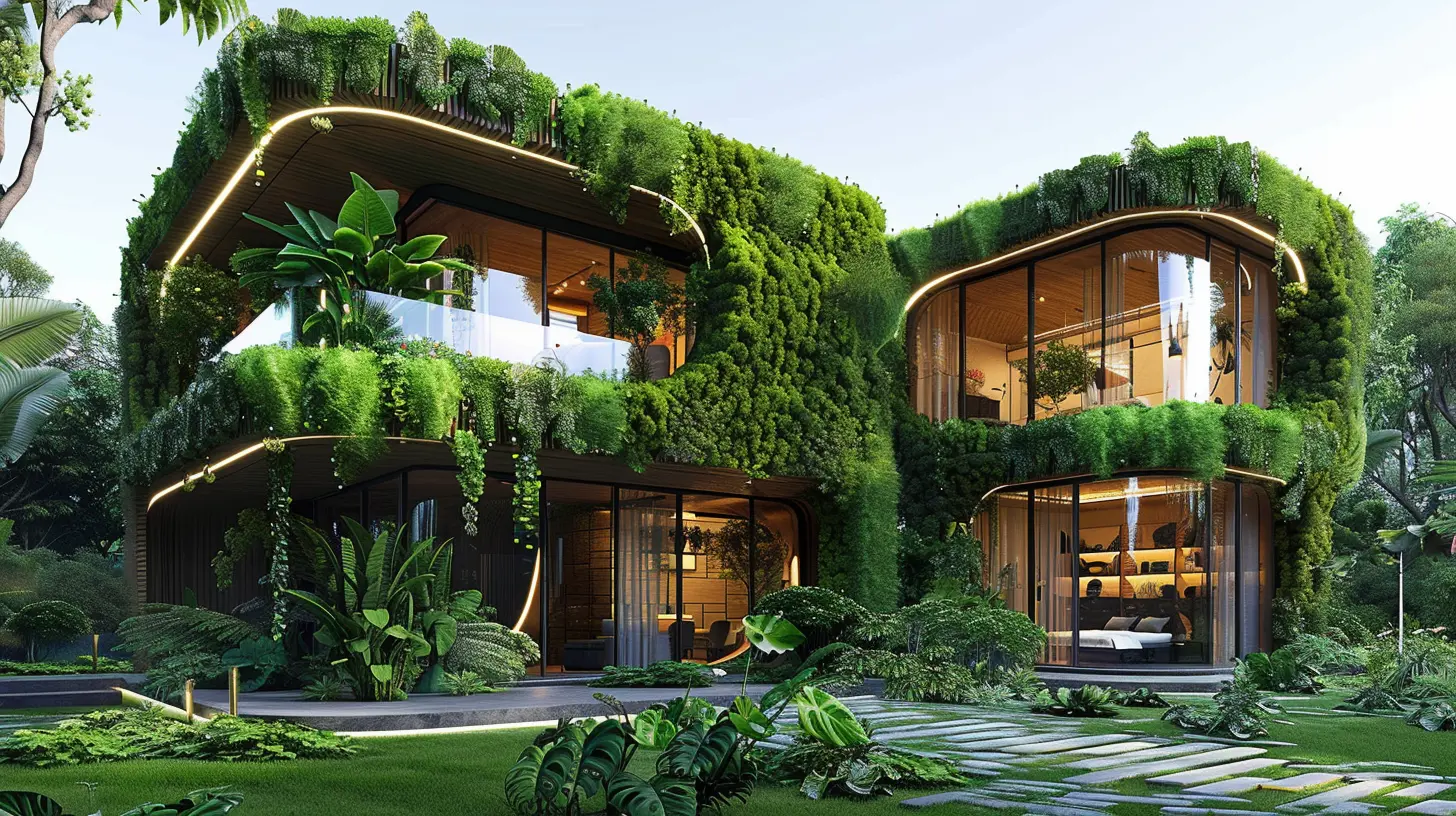
🌿 What Are Green Building Codes, and Why Should You Care?
If you’ve ever heard the terms "sustainable housing" or "eco-friendly buildings," then you’re already somewhat familiar with green building codes. These are regulations and guidelines that ensure homes and commercial buildings are constructed with energy efficiency, environmental impact, and long-term sustainability in mind.But why should you care?
- Lower Utility Bills – Who doesn’t love saving money? Green homes use less energy and water, which means lower monthly bills.
- Healthier Living Spaces – Better indoor air quality, non-toxic materials, and improved ventilation make for a healthier home.
- Higher Property Value – Homes built to green standards are in demand. Buyers are willing to pay more for eco-friendly features.
- Positive Environmental Impact – Sustainable buildings reduce carbon footprints, conserving resources for future generations.
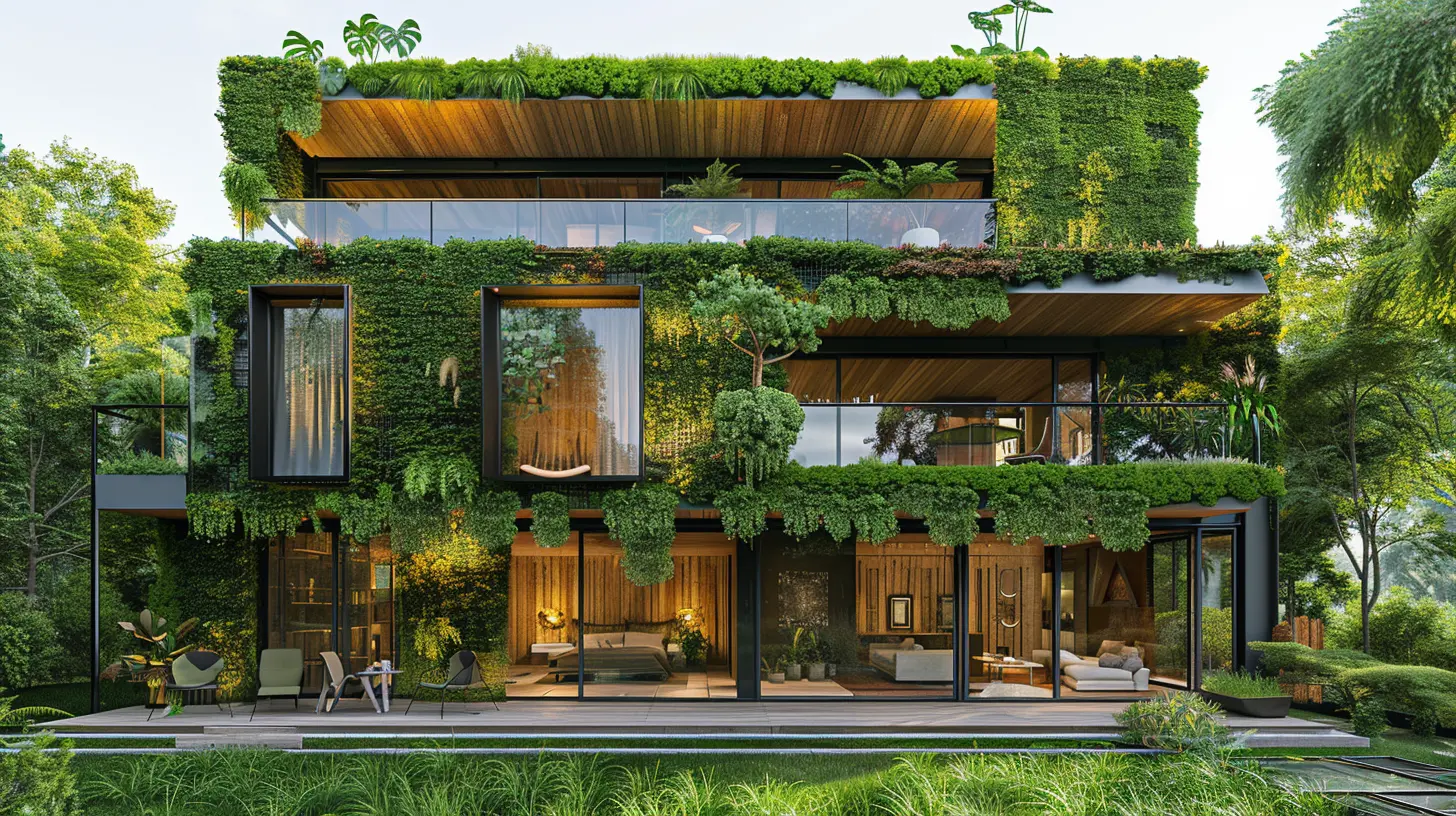
🚀 The Evolution of Green Building Codes
Green building codes have come a long way. A few decades ago, they were considered "nice to have," but today, they’re becoming the standard. Governments, organizations, and even homeowners are pushing for stricter sustainability rules to combat climate change and reduce resource consumption.🔎 Early Beginnings
In the 1970s, during the energy crisis, people started looking for ways to make buildings more energy-efficient. Insulation became a big deal, and solar panels started making their way onto rooftops. But progress was slow.🔥 The Green Building Boom
Fast forward to the early 2000s, and the world saw a surge in sustainable construction. The introduction of LEED (Leadership in Energy and Environmental Design) certification and other green standards revolutionized the industry. Builders, architects, and even big corporations began adopting eco-friendly designs.🌍 The Present and Future
Today, green building codes are not just an option; they’re becoming mandatory in many places. Governments worldwide are enforcing stricter regulations for energy efficiency, waste reduction, and water conservation. The future? Expect homes to be smarter, greener, and more self-sufficient.
🏡 Key Features of Green Building Codes
So, what exactly makes a home "green"? There’s no single answer, but here are some of the most common features required by modern green building codes:1️⃣ Energy Efficiency
This is a big one! Green codes ensure homes use energy wisely through:- Better Insulation – Keeps heat in during winter and out during summer.
- Energy-Efficient Windows – Reduces heating and cooling costs.
- LED Lighting – Uses less electricity and lasts longer.
- Smart Home Technology – Automated thermostats and lighting systems optimize energy use.
2️⃣ Sustainable Materials
Traditional construction materials contribute to pollution and deforestation. Green homes use:- Recycled and Renewable Materials – Bamboo flooring, reclaimed wood, and recycled steel are becoming popular.
- Low-VOC Paints and Finishes – Reduces indoor air pollution and harmful chemicals.
3️⃣ Water Conservation
Water is a precious resource, and green building codes prioritize conservation through:- Low-Flow Fixtures – Toilets, faucets, and showerheads that use less water.
- Rainwater Harvesting Systems – Collects and reuses rainwater for irrigation and other household needs.
- Drought-Resistant Landscaping – Uses native plants that require less water.
4️⃣ Renewable Energy Sources
Solar panels, wind turbines, and geothermal systems are becoming standard in green homes. These alternative energy sources reduce reliance on fossil fuels, cutting down both costs and carbon footprints.5️⃣ Healthier Indoor Air Quality
Most people don’t realize how much indoor air quality affects their well-being. Green homes feature:- Advanced Ventilation Systems – Keeps fresh air circulating.
- Non-Toxic Building Materials – Reduces exposure to harmful chemicals.
- HEPA Filters – Trap dust, allergens, and pollutants.
🌟 How Green Codes Are Transforming the Housing Market
Now, let’s talk about the real impact—how green building codes are reshaping the housing sector and changing the way we buy, build, and live in homes.🏠 Higher Property Values
Homes built to green standards are appreciating faster than traditional homes. More buyers are seeking out energy-efficient, eco-friendly homes, and this demand is boosting property values.💰 Lower Operating Costs
Yes, going green might have a slightly higher upfront cost, but the long-term savings are undeniable. Reduced energy and water bills mean homeowners spend thousands of dollars less over the lifetime of the home.🌍 Government Incentives & Tax Breaks
Many governments around the world are offering tax credits, rebates, and incentives for homeowners who adopt green building technologies. Whether it’s tax deductions for solar panels or rebates for energy-efficient appliances, going green is becoming financially attractive.👷 A Shift in Construction Practices
Builders and developers are adapting to new regulations by prioritizing sustainable materials and energy-efficient designs. The housing industry is changing from the ground up, ensuring future homes meet high environmental standards.🏆 Why Green Building Codes Are the Future of Housing
The world is moving towards sustainability—it’s no longer just a trend; it’s a necessity. Green building codes are not just shaping housing—they are shaping the way we live.Imagine a future where every home is self-sufficient, using renewable energy, recycling water, and maintaining a perfect indoor environment. That future isn’t decades away—it’s happening right now!
So, whether you’re planning to buy a new home, renovate your existing one, or invest in real estate, going green is the smartest move you can make. Not only will you be helping the planet, but you’ll also be securing a comfortable, energy-efficient, and cost-effective future.
Final Thought
The green revolution in housing is unstoppable. Governments, homeowners, and builders are all playing a major role in ensuring homes are built smarter, healthier, and more efficient. The question isn’t whether green building codes will take over—it’s when.Are you ready to embrace the future of housing?
all images in this post were generated using AI tools
Category:
Sustainable HousingAuthor:

Travis Lozano
Discussion
rate this article
2 comments
Clementine McKenzie
Embracing green building codes not only enhances our living spaces but also fosters a sustainable future for generations to come. Together, we can create eco-friendly homes that promote health, reduce our carbon footprint, and inspire communities to thrive in harmony with nature.
December 18, 2025 at 11:59 AM
Travis Lozano
Thank you for your insightful comment! Embracing green building codes is indeed crucial for creating sustainable, healthy living environments that benefit both people and the planet.
Vaughn Dodson
In the dance of brick and beam, Green codes weave a sustainable dream. Echoes of nature in every wall, A future where harmony stands tall. With each structure, the earth's heartbeat, We craft homes where life and love meet. A brighter tomorrow, together we greet.
December 12, 2025 at 4:47 AM
Travis Lozano
Thank you for your poetic reflection! It beautifully captures the essence of how green building codes not only enhance sustainability but also foster a harmonious connection between people and their environment.