How Foreclosures Can Affect Neighborhood Property Values
6 November 2026
Foreclosures are like that one bad apple in the bunch—they can spoil the whole basket. When a homeowner can't keep up with their mortgage payments, and a lender takes over the home, it's not just an issue for that household. The entire neighborhood can feel the impact, especially when it comes to property values.
But how exactly does one foreclosure—or a wave of them—affect a community’s real estate market? In this article, we’ll dive deep into the ripple effect foreclosures can have on neighborhood property values and what homeowners and buyers should be aware of.
Understanding Foreclosures and Their Causes
Before we get into the nitty-gritty of their impact, let’s first define what foreclosure actually means.A foreclosure occurs when a homeowner defaults on their mortgage, meaning they can no longer make payments. As a result, the lender takes possession of the property and attempts to sell it—often at a discount.
Several factors contribute to foreclosures, including:
- Job loss or income reduction – A sudden financial setback can push homeowners into default.
- Market downturns – When property values drop, homeowners may owe more than their home is worth, making it hard to sell or refinance.
- High-interest rates – Adjustable-rate mortgages can turn into financial nightmares when rates skyrocket.
- Personal hardships – Divorce, medical emergencies, or unexpected expenses can leave homeowners unable to keep up with payments.
Now that we’ve set the stage, let’s look at how foreclosures affect surrounding home values.
The Domino Effect: How Foreclosures Lead to Lower Property Values
Foreclosures don’t just impact the owner who’s losing their home—they send shockwaves through the local market. Here’s how they create a domino effect that drags down property values.1. Distressed Sales Set Lower Price Comparisons
When banks take ownership of foreclosed homes, they typically want to offload them quickly. That means selling at a lower price than market value.Real estate appraisers and potential buyers look at recent home sales (comparables or "comps") to determine a property's value. When there are several low-priced foreclosures in an area, they bring down the average sale price, effectively lowering the market value of surrounding homes. Even if you’ve maintained your property in pristine condition, neighboring foreclosures can lead to a lesser valuation.
2. Increased Supply Leads to Lower Demand
A surge in foreclosures means a flood of homes hitting the market. With more houses available than buyers, supply outweighs demand. When supply is high, prices naturally take a hit. Think of it as a clearance sale—if a store has too much inventory, they mark down prices to get rid of excess stock. The same happens with real estate.3. Neglected Homes Hurt Curb Appeal
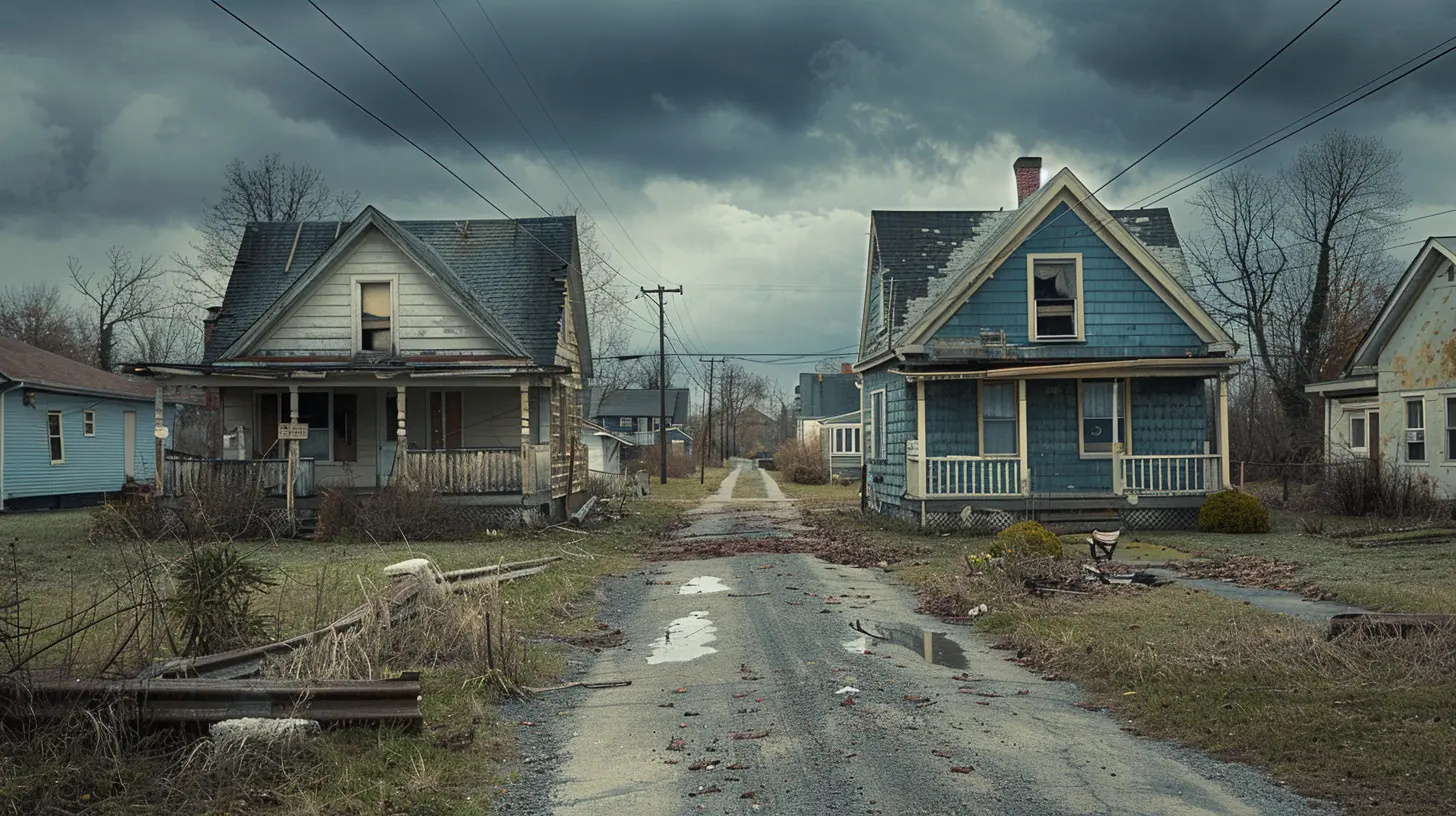
A foreclosed home often sits vacant, and without a homeowner caring for it, it can quickly fall into disrepair. Overgrown lawns, broken windows, peeling paint, and vandalism all create an eyesore that affects the entire block.Prospective buyers may drive through a neighborhood, spot a few poorly maintained foreclosures, and immediately second-guess their interest. If a neighborhood starts looking run-down, it discourages buyers and ultimately depresses home values.
4. Higher Crime Rates Can Become a Concern
Vacant homes can attract more than just weeds and dust—they can also become hotspots for crime. Properties left unoccupied for extended periods may be vandalized, broken into, or even used for illegal activities.A neighborhood with a growing number of foreclosures may see an increase in petty crime or squatting. This can make an area feel less safe, scaring off potential buyers and further driving down real estate prices.
5. Strained Community Resources
A neighborhood with high foreclosure rates often experiences financial strain. Local governments depend on property taxes to fund schools, parks, public services, and infrastructure. When properties go into foreclosure, tax revenues decline.This can lead to underfunded schools, poorly maintained roads, and fewer community improvements—factors that directly impact a neighborhood’s desirability and home values.
Can Foreclosures Have a Silver Lining?
While the effects of foreclosures are mostly negative, there can be a few silver linings.1. Opportunities for Buyers and Investors
For investors or homebuyers looking for a good deal, foreclosures can be an opportunity to purchase properties at lower prices. Savvy investors can renovate and revitalize these homes, helping to gradually restore property values in the neighborhood.2. Potential for Recovery and Reinvestment
Once a neighborhood stabilizes and fewer homes go into foreclosure, demand can slowly return. If community efforts improve the aesthetics, security, and appeal of the area, home prices have the potential to bounce back over time.3. More Affordable Housing
For buyers who otherwise couldn’t afford to enter the market, foreclosed properties might provide an accessible entry point into homeownership. This can bring new residents into the community, fostering growth and revitalization.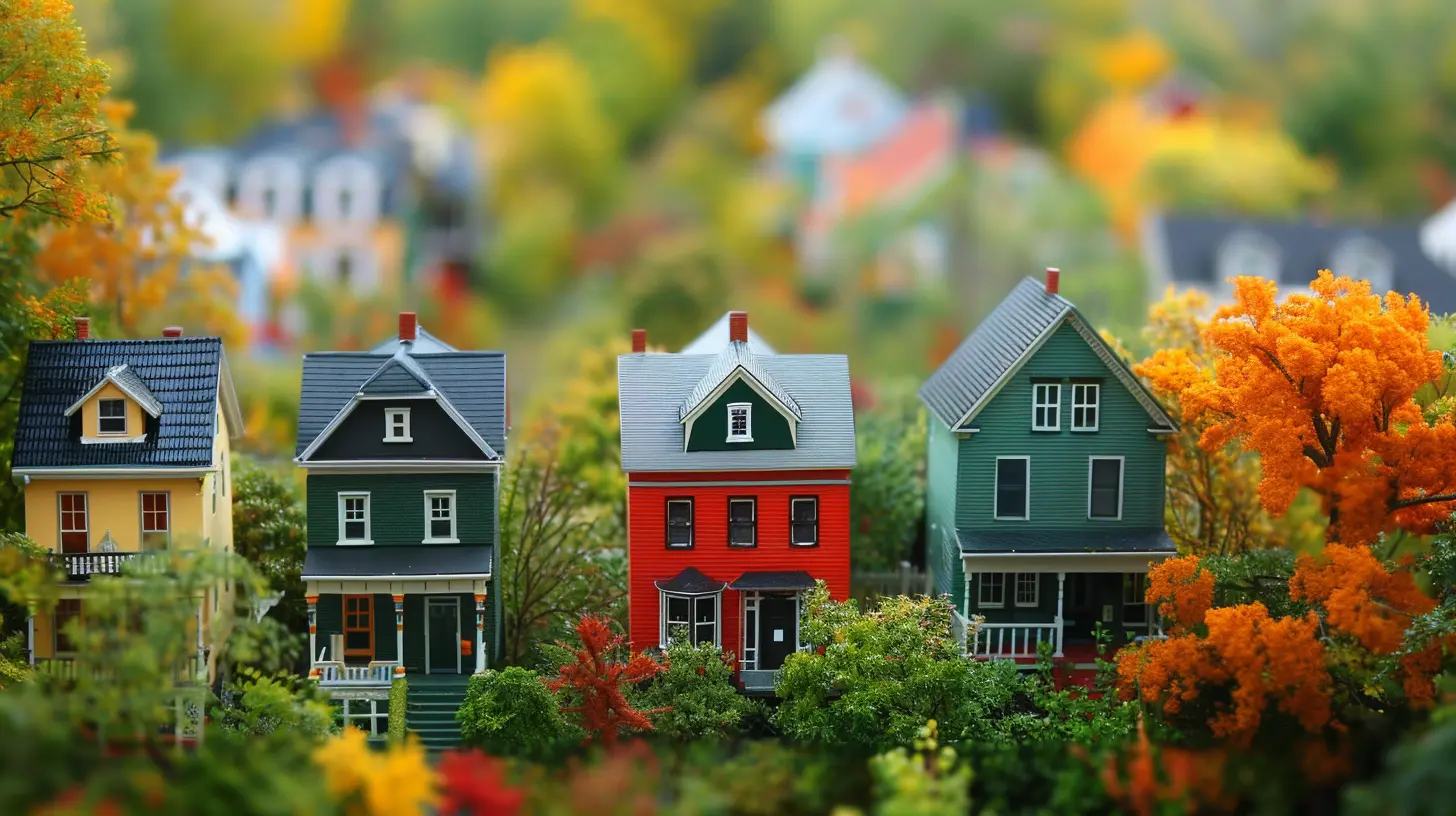
How Homeowners and Communities Can Minimize the Impact
If you live in a neighborhood affected by foreclosures, all hope isn’t lost. Here’s what homeowners and communities can do to limit their effects.1. Maintain Your Property
Regardless of what’s happening around you, keeping your home well-maintained can protect its value. Fresh landscaping, a clean exterior, and basic upkeep can make a big difference in attracting potential buyers.2. Community Involvement and Neighborhood Watch Programs
Residents can come together to keep an eye on vacant properties, report suspicious activity, and encourage upkeep. Community initiatives such as volunteer clean-ups or working with local government to address neglected homes can also help in preserving property values.3. Local Government Intervention
City and county officials can play a role by ensuring foreclosed properties don’t fall into complete disrepair. Some municipalities impose fines or require lenders to maintain vacant properties, helping mitigate the negative impact.4. Encourage Homeownership Over Investors
When communities attract long-term homeowners rather than short-term investors looking to flip homes, it creates stability. Programs that help first-time buyers purchase and renovate foreclosed homes can help rebuild a neighborhood’s reputation and value.Final Thoughts
Foreclosures are like a storm rolling through a neighborhood, leaving behind a trail of damage to property values and community morale. While they can create opportunities for some, they’re more often a warning sign of economic struggles that can drag down an entire area’s real estate market.However, neighborhoods aren’t powerless. With community engagement, maintenance efforts, and smart intervention by local authorities, the negative effects can be minimized. If you’re a homeowner, being proactive in maintaining your property and supporting neighborhood initiatives can be a key step in keeping home values steady.
At the end of the day, a neighborhood’s health isn’t just about houses—it’s about the people who live there and their efforts to protect their community.
all images in this post were generated using AI tools
Category:
ForeclosuresAuthor:

Travis Lozano