Green Alternatives to Traditional Construction Methods
26 January 2026
When we think of construction, we often imagine massive concrete structures, steel frames, and the usual brick-and-mortar setup. But have you ever stopped to consider how much of an environmental impact this has? Traditional construction methods are incredibly resource-intensive, contributing to deforestation, carbon emissions, and excessive waste.
Thankfully, the real estate industry is shifting toward greener alternatives that are both sustainable and cost-effective. Eco-friendly construction isn't just a passing trend—it's the future. In this blog, we’ll dive into some of the best green alternatives to traditional construction methods that are redefining how we build homes and commercial buildings. 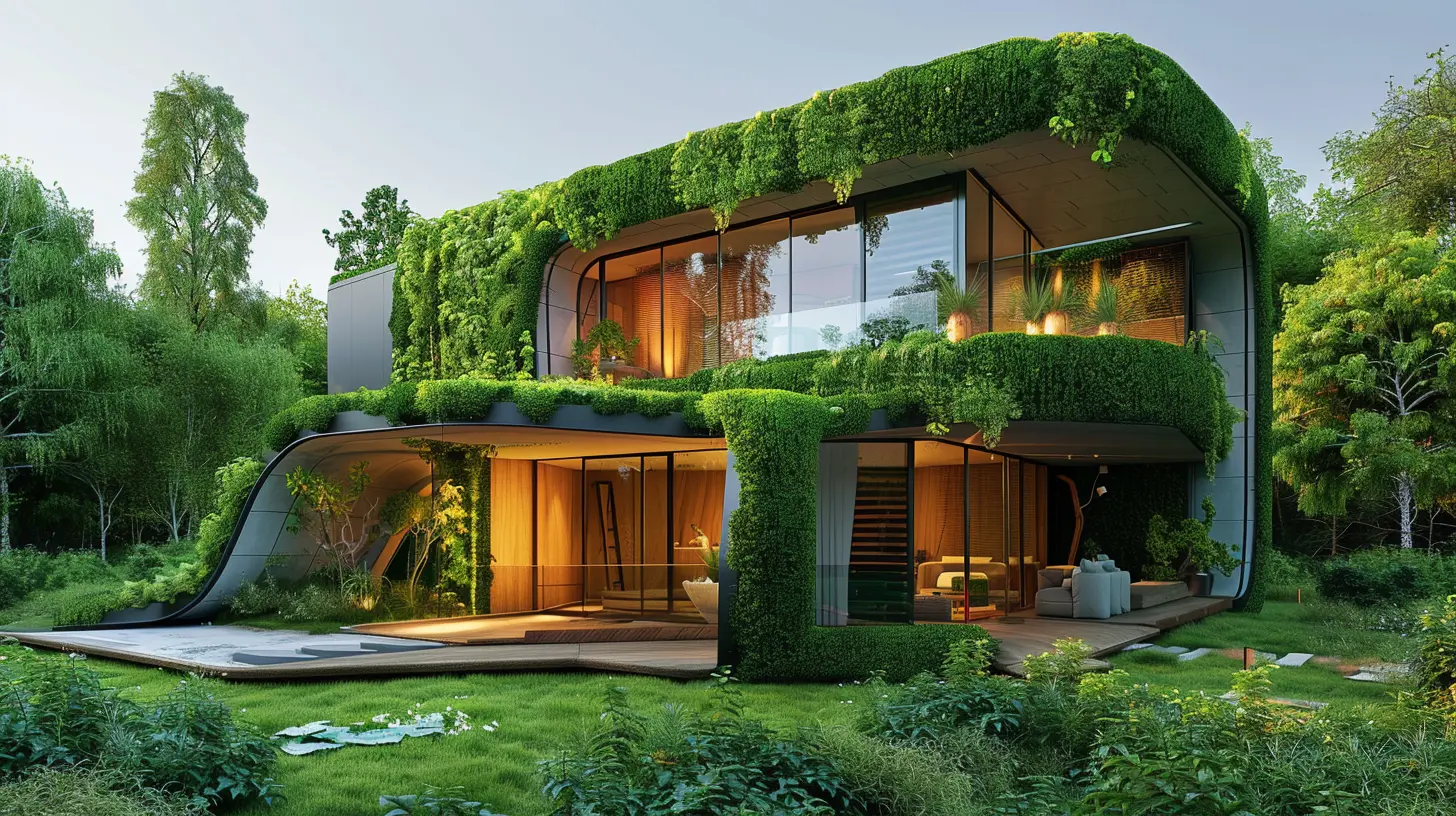
1. Sustainable Building Materials
One of the biggest ways to make construction more environmentally friendly is by changing the materials we use. Conventional materials like cement and steel have heavy carbon footprints. Instead, let’s check out some sustainable alternatives.Bamboo
Bamboo isn't just for pandas; it's actually one of the most sustainable building materials out there. It grows incredibly fast, sometimes up to three feet in a single day! Compared to traditional wood, bamboo regenerates quickly and provides a strong, durable alternative for framing and flooring.Recycled Steel
Steel production generates a significant amount of carbon dioxide. However, using recycled steel reduces the need for raw materials, making the process far more eco-friendly. It’s just as strong as new steel but comes with a much smaller environmental impact.Hempcrete
Yes, you read that right—hemp can be used in construction! Hempcrete is a mixture of hemp fibers, lime, and water, creating a lightweight, breathable material that serves as an excellent insulator. It’s even carbon-negative, meaning it absorbs more CO₂ than it emits during its lifecycle.Rammed Earth
Rammed earth has been used for centuries, but it’s making a comeback in sustainable construction. This technique involves compacting layers of soil and natural materials to create sturdy walls that provide excellent insulation. It’s durable, fire-resistant, and requires little maintenance.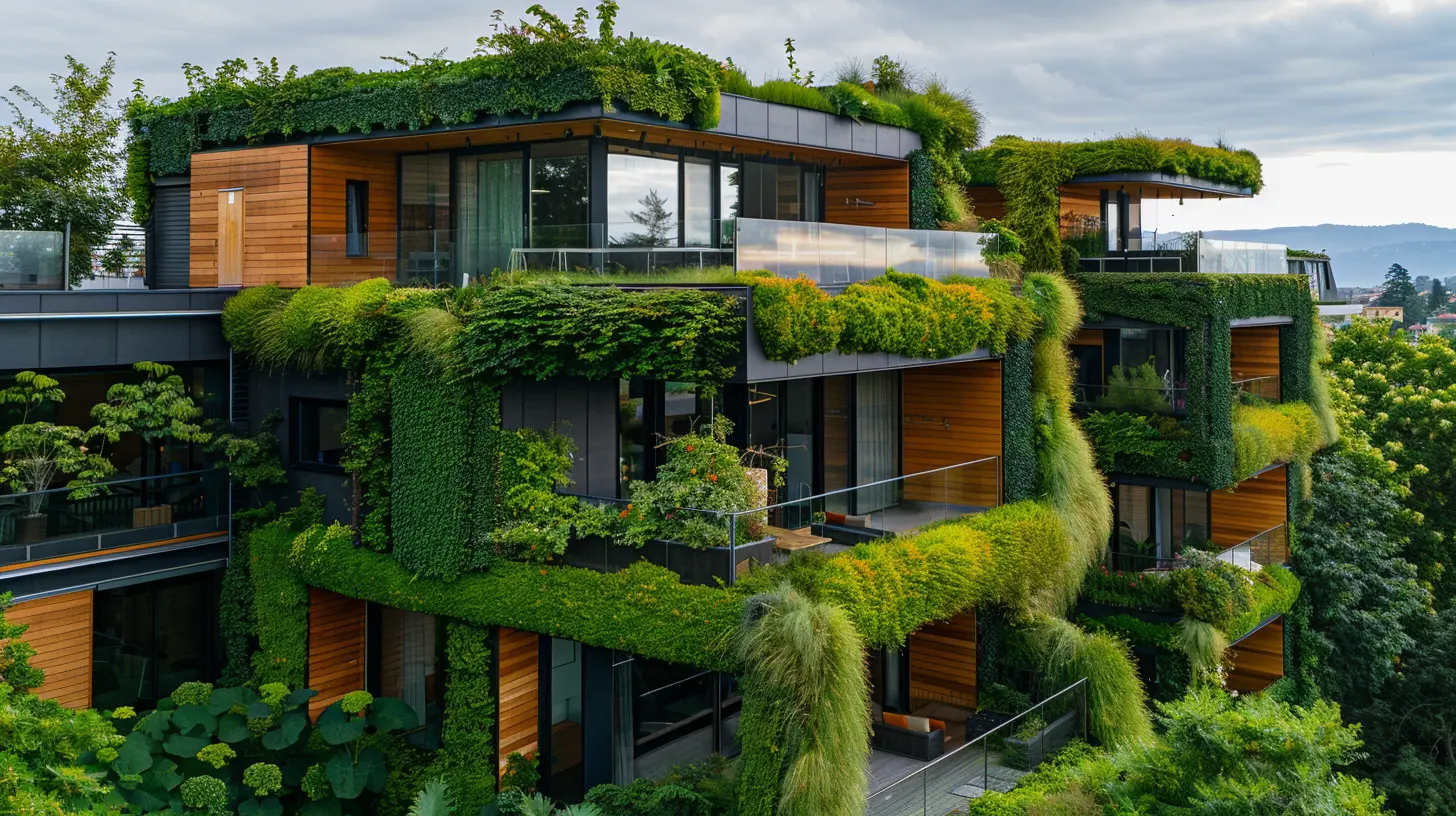
2. Energy-Efficient Construction Techniques
Using sustainable materials is a great start, but how we construct buildings also plays a huge role in environmental impact. Some innovative methods are making homes more energy-efficient than ever before.Passive House Design
The Passive House (or Passivhaus) concept focuses on creating buildings with extremely low energy consumption. By maximizing insulation, optimizing window placement, and ensuring airtight construction, these homes require little to no artificial heating or cooling. The result? A home that stays warm in winter and cool in summer without relying on energy-guzzling HVAC systems.Prefabricated Homes
Rather than building everything on-site, prefabricated (or modular) homes are constructed in factories and then assembled on location. This method reduces material waste, speeds up construction, and ultimately lowers costs. Plus, many prefab homes incorporate sustainable materials and energy-efficient designs.Cool Roofs
Ever stepped barefoot on asphalt in the summer? Ouch. That’s because darker surfaces absorb heat. Cool roofs, however, use reflective materials to minimize heat absorption, reducing the need for air conditioning and lowering energy bills significantly.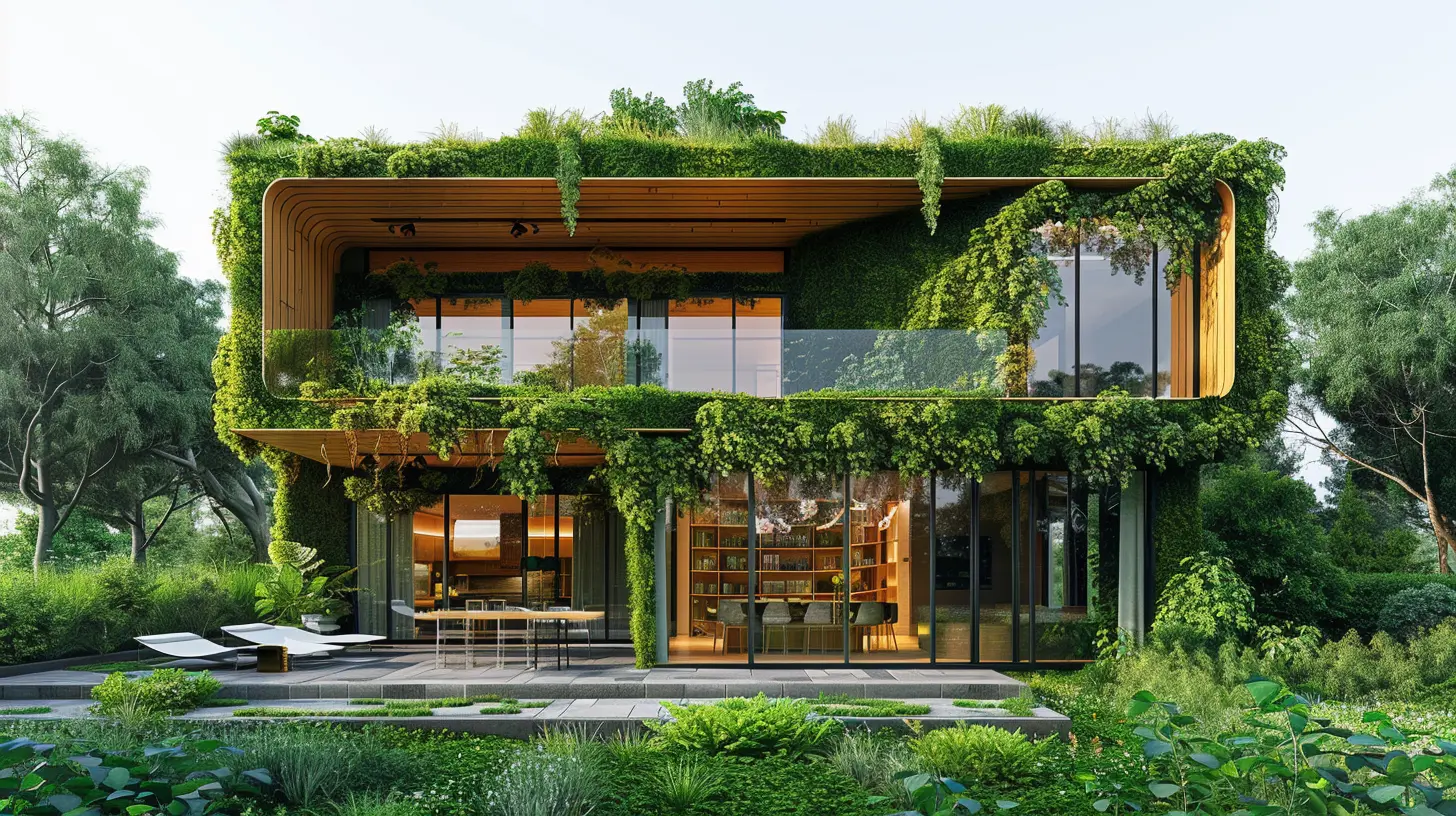
3. Renewable Energy Integration
To truly make green construction work, renewable energy solutions need to be part of the equation. Here are some ways buildings can generate and use energy sustainably.Solar Panels
One of the most common and effective ways to incorporate renewable energy into construction is through solar power. Installing solar panels can significantly reduce dependency on fossil fuels and even allow homeowners to sell excess energy back to the grid.Wind Energy
For those building in windy regions, small-scale wind turbines can provide a sustainable energy source. While not as common as solar panels, they can be an excellent addition to off-grid homes or commercial buildings looking to reduce their carbon footprint.Geothermal Heating & Cooling
Instead of using traditional HVAC systems, geothermal energy leverages the consistent underground temperature to heat and cool buildings efficiently. Though the initial installation cost can be high, the long-term savings make it a great investment.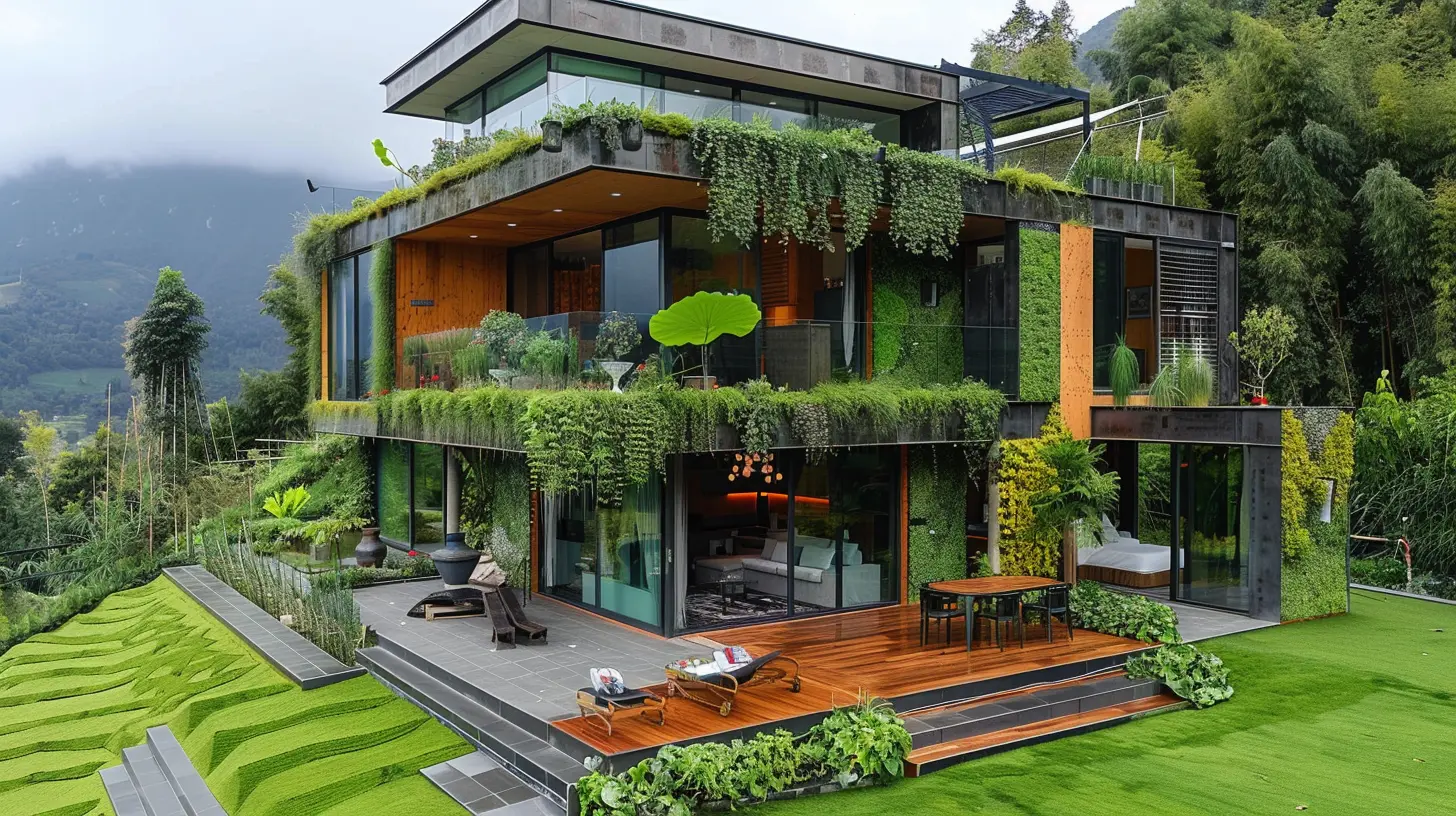
4. Water Conservation Strategies
Water is a precious resource, yet construction often overlooks it. Green buildings incorporate water-saving strategies to ensure efficient use of this vital resource.Rainwater Harvesting Systems
Why let rainwater go to waste? Rainwater harvesting systems collect and store rain for later use in irrigation, flushing toilets, and even drinking (with proper filtration).Greywater Recycling
Greywater—water from sinks, showers, and washing machines—doesn’t have to go down the drain. Greywater recycling systems filter and repurpose this water for landscaping and other non-potable uses, significantly reducing water waste.Permeable Pavements
Instead of traditional concrete, which prevents water from soaking into the ground, permeable pavements allow rainwater to seep into the soil, replenishing groundwater and preventing flood-related issues.5. Smart Technology for Sustainable Construction
We live in the age of technology, so why not use it to make buildings smarter and greener?Smart Thermostats
Devices like Nest or Ecobee learn a homeowner’s habits and adjust heating and cooling accordingly, reducing unnecessary energy use and cutting utility bills.Automated Lighting Systems
Smart lighting systems use motion sensors and programmable schedules to ensure lights aren’t running unnecessarily, saving energy and enhancing efficiency.Energy-Efficient Windows
Windows may seem like a small detail, but they make a big difference in a building’s energy efficiency. Double-glazed or low-emissivity (Low-E) windows help control indoor temperatures, reducing the need for heating and cooling.6. Green Roofs and Living Walls
Thinking outside the box—literally—green roofs and living walls are transforming urban landscapes.Green Roofs
Green roofs are essentially gardens on rooftops that provide insulation, reduce heat absorption, and improve air quality. Plus, they create beautiful spaces for relaxation in urban environments.Living Walls
Vertical gardens or living walls are not just aesthetically pleasing—they also help control indoor temperatures, filter pollutants, and enhance indoor air quality.Final Thoughts
Sustainable construction isn't just an environmentally responsible choice; it's an economically smart one too. By incorporating green alternatives to traditional construction methods, builders and homeowners can reduce costs, conserve resources, and create healthier living spaces.With the rapid advancement of technology and innovative building materials, there’s never been a better time to go green. Whether you're planning to build a home or invest in real estate, considering sustainable options will be a move you won’t regret.
The future of construction is green. Are you ready to be part of it?
all images in this post were generated using AI tools
Category:
Sustainable HousingAuthor:

Travis Lozano
Discussion
rate this article
2 comments
Phoenix Ruiz
Incorporating green alternatives into construction not only reduces environmental impact but also enhances building efficiency and occupant health. Techniques such as modular building, sustainable materials, and energy-efficient designs are reshaping the industry. Embracing these methods is essential for future-proofing developments while supporting eco-friendly practices and sustainable living.
February 15, 2026 at 3:57 AM
Travis Lozano
Absolutely! Embracing green alternatives in construction is crucial for minimizing environmental impact and improving efficiency and health. Techniques like modular building and sustainable materials are indeed key to shaping a sustainable future in the industry.
Russell McCool
Great insights! It's exciting to see sustainable building options gaining popularity! 🌱🏡
January 28, 2026 at 4:38 AM
Travis Lozano
Thank you! I'm glad you found the insights valuable—it's inspiring to see the shift towards sustainable building! 🌍✨