Foreclosed Homes in Rural vs. Urban Areas: What’s the Difference?
11 June 2026
Foreclosures are a hot topic in the real estate world. They can be opportunities for bargain hunters or investors looking to score a great deal. But did you know that buying a foreclosed home in a rural area is a completely different ballgame compared to snagging one in the city? The dynamics of rural versus urban real estate, especially when it comes to foreclosures, are worlds apart.
Are you curious about what sets these markets apart? Whether you're a first-time buyer, a savvy investor, or just someone exploring your options, we’re going to dive into everything you need to know. Let’s break it down.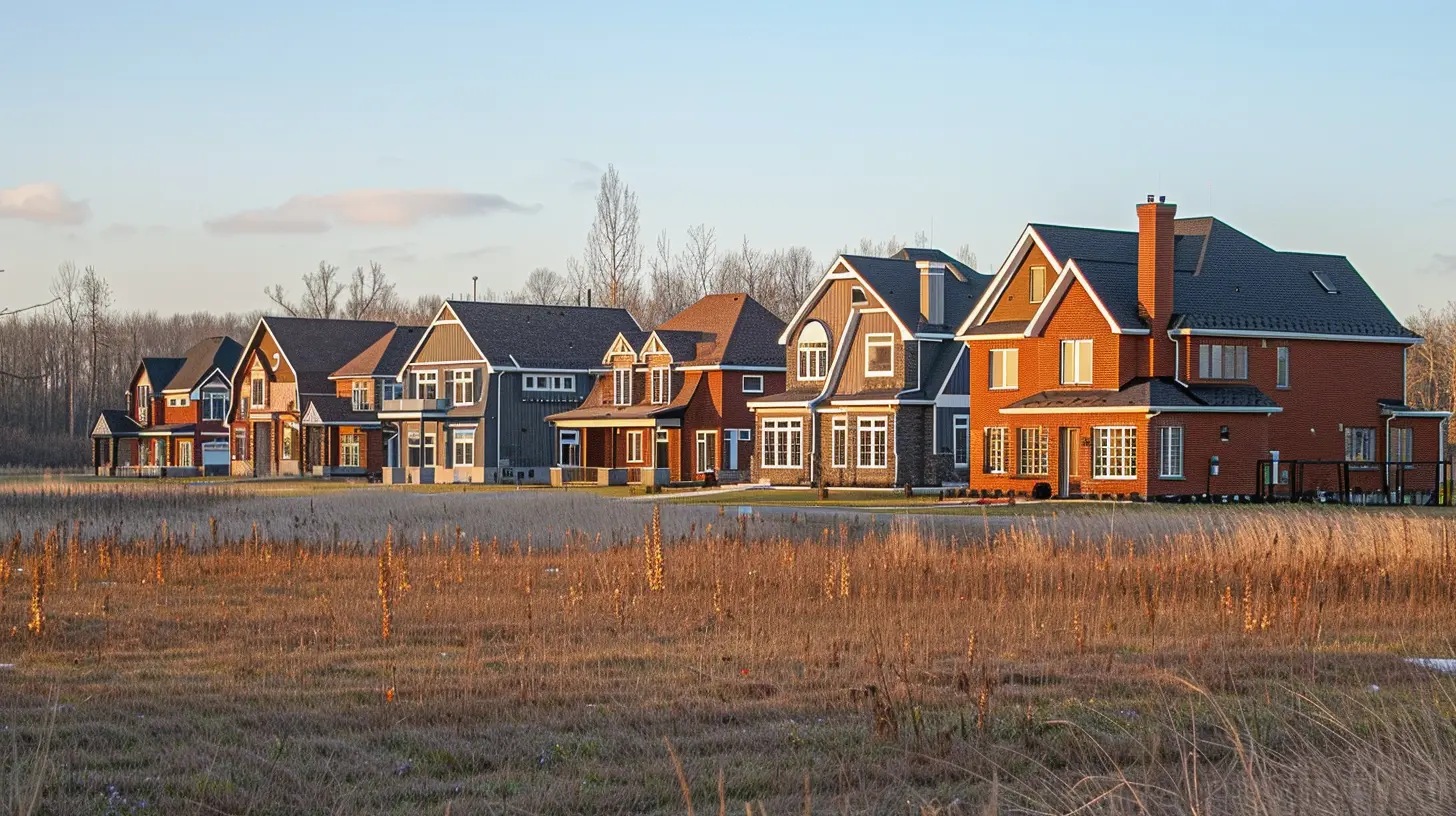
What Are Foreclosed Homes?
Before we dive into the rural vs. urban debate, let’s make sure we’re all on the same page. A foreclosed home is a property that a lender has taken ownership of because the previous owner couldn’t keep up with their mortgage payments. Banks or financial institutions sell these homes to recoup their losses. Sounds like a win-win for the buyer, right? Well… not always.While foreclosures usually come with a cheaper price tag, they can also come with baggage—think deferred maintenance, legal complications, or even emotional distress tied to the property. So, whether in the countryside or the big city, tread carefully.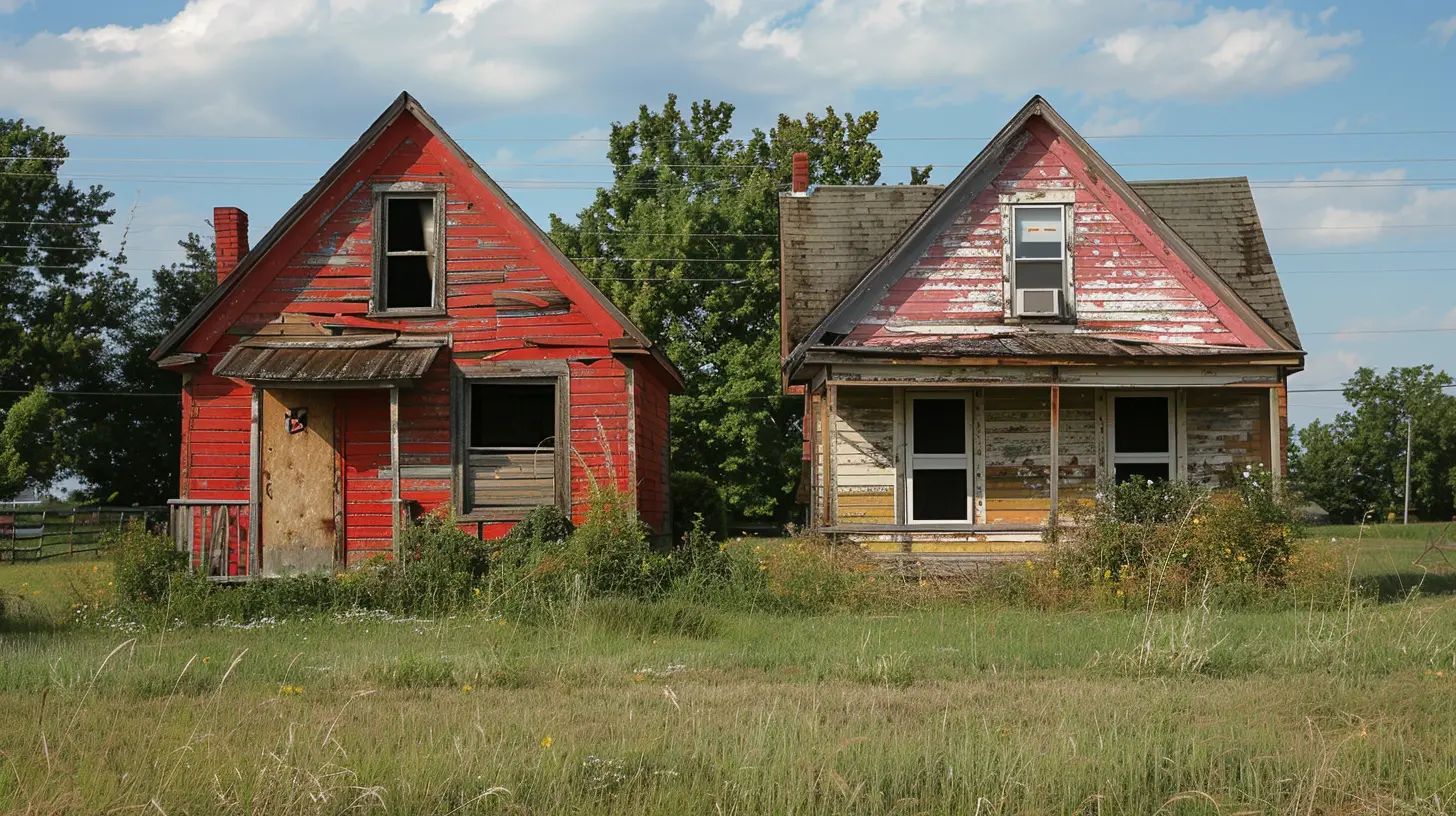
The Rural Foreclosure Market: A Quiet Opportunity
When you think about rural areas, what comes to mind? Rolling hills, peaceful surroundings, and more cows than cars? You're not wrong. The vibe in rural areas often carries over into their housing market, including foreclosures. Let’s explore how rural foreclosures stand out.Lower Demand, Lower Costs
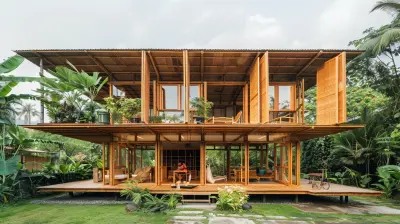
In rural locales, there’s typically less competition for homes, and that includes foreclosed properties. Why? Fewer people are looking to live in these areas. If you’re someone who craves solitude or wants to escape the hustle and bustle, you might find foreclosed properties at significantly lower prices compared to urban areas.More Land, More Bang for Your Buck
One of the biggest perks of rural foreclosures? Land. Lots and lots of land. Even if the house needs some TLC (and foreclosed homes often do), the sheer number of acres you get can make up for it. Plus, you have room to experiment—a garden, a barn, or even that dream chicken coop you’ve been fantasizing about.But Wait, There’s a Catch…
Rural properties, especially foreclosures, aren’t always a steal. Many are older homes, and they might not have been updated in decades. Plus, you might be looking at challenges like outdated septic systems, unpaved roads leading to the property, or limited access to utilities. Fixing up a rural foreclosure can take more time, effort, and, yes, money than you initially thought.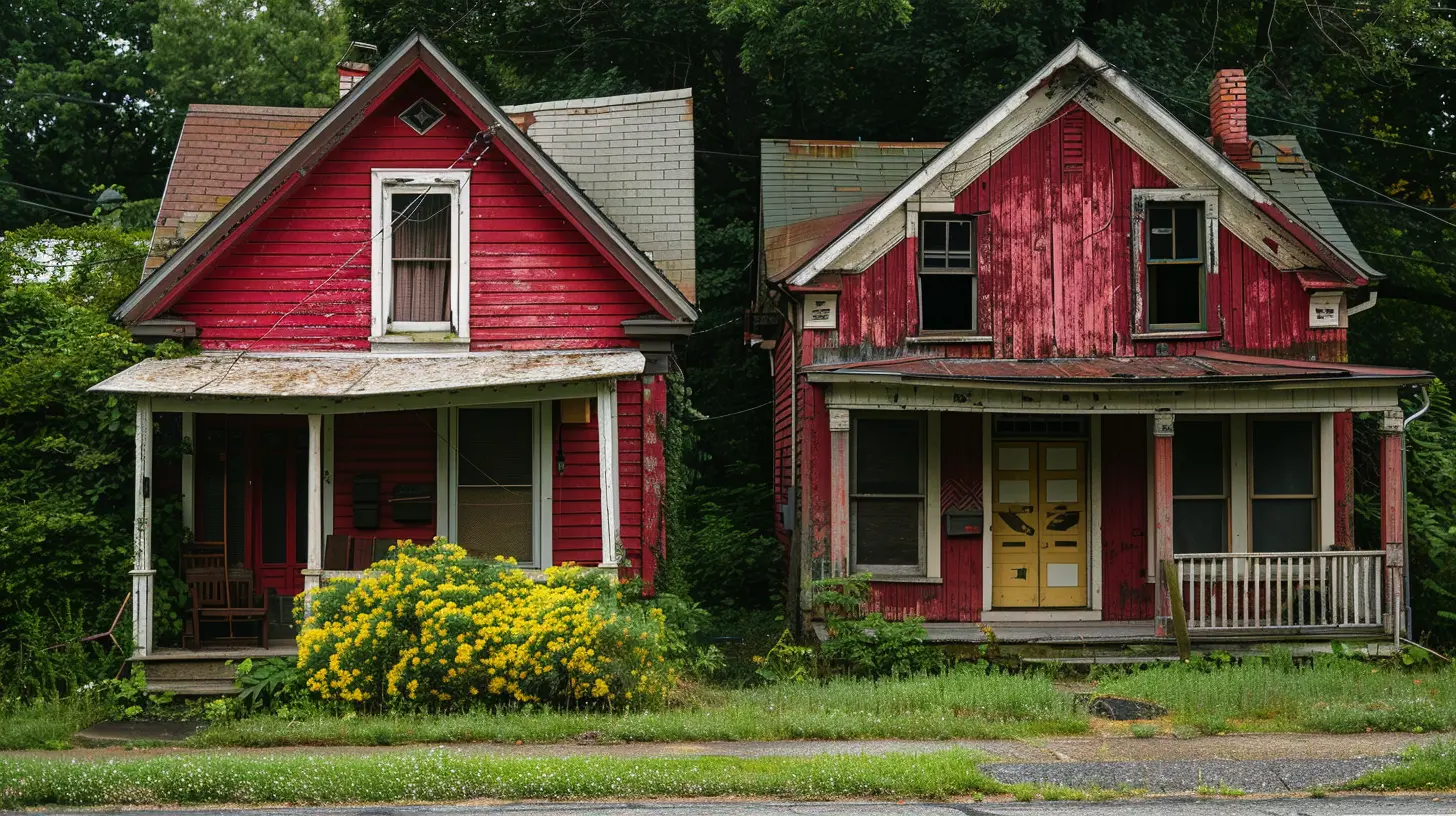
The Urban Foreclosure Market: Fast-Paced and Competitive
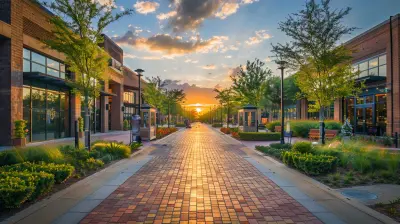
Now, let’s switch gears to urban areas. Think city skylines, bustling streets, and properties that go under contract faster than you can say "real estate." When it comes to urban foreclosures, things are a little different—okay, a lot different.Higher Demand and Fierce Competition
If rural foreclosures are the quiet kid at the back of the class, urban ones are the hotshot everyone’s talking about. The demand for city living is sky-high, and that extends to foreclosed properties too. First-time buyers, flippers, and even big-time developers are all eyeing that same property, which means bidding wars can drive up the price.Convenience (But at a Cost)
Foreclosed homes in urban areas are often more appealing because of their location. You’re closer to jobs, schools, public transit, and entertainment. But remember, convenience comes with a price—these homes are often more expensive than their rural counterparts, even in foreclosure.Watch Out for Hidden Risks
Think urban foreclosures are a safe bet? Not always. City properties can come with their own baggage, like unpaid property taxes or liens. And because demand is so high, you’ll need to move fast, which doesn’t leave much time for due diligence. It’s kind of like trying to grab the last slice of pizza at a party—blink, and it’s gone.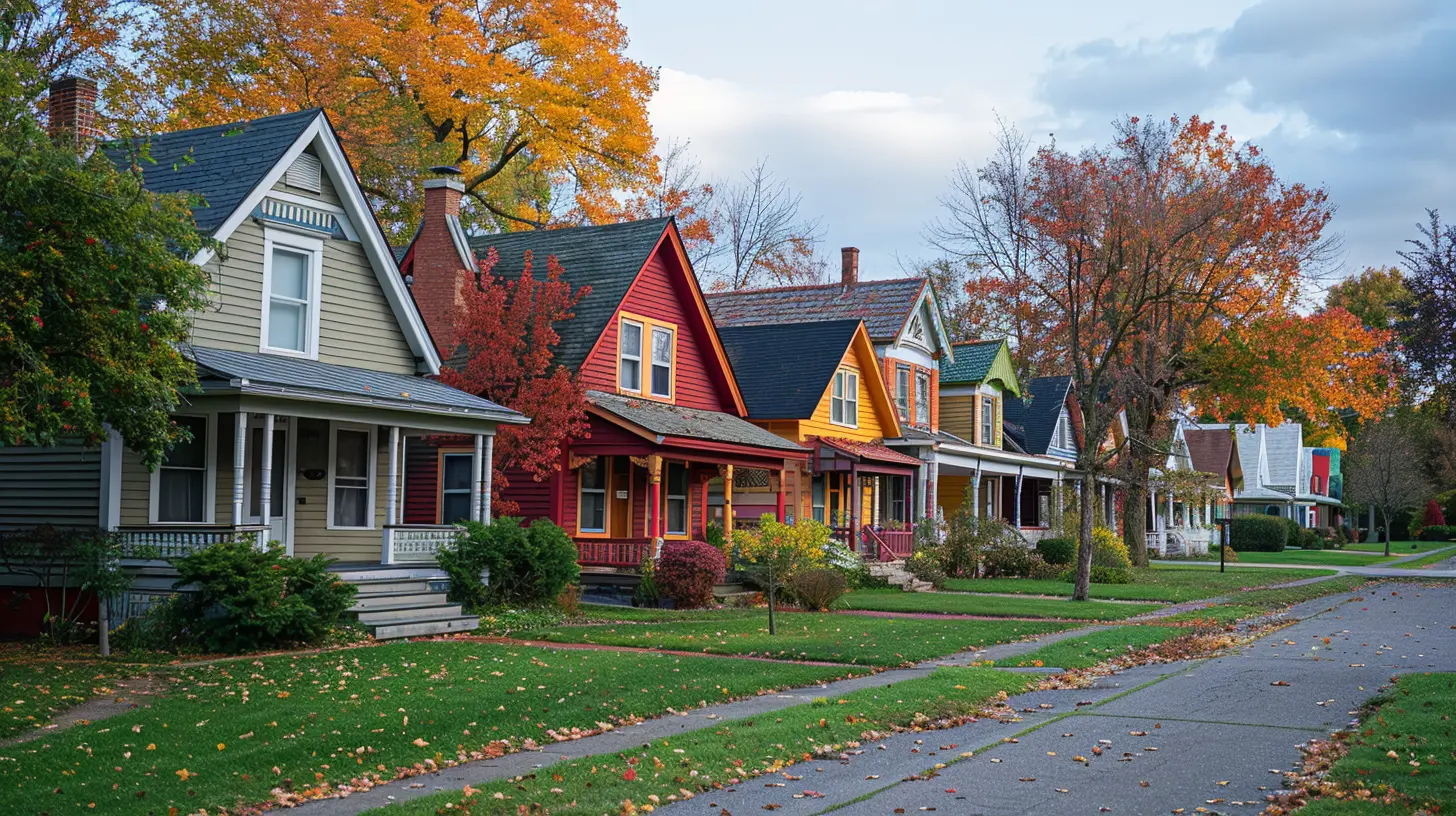
Key Differences Between Rural and Urban Foreclosures
Let’s put it all together and break down the main differences between rural and urban foreclosures:| Factor | Rural Foreclosures | Urban Foreclosures |
|---------------------------|------------------------------------------------|------------------------------------------|
| Price | Typically lower | Higher due to demand |
| Competition | Minimal, often overlooked | Intense and fast-paced |
| Land | Often includes significant acreage | Limited land, usually smaller lots |
| Condition | May require extensive upgrades or repairs | Condition varies, but some homes are newer |
| Convenience | Fewer amenities, higher chance of being remote | Close to amenities, work, and services |
| Investment Potential | Long-term growth, but slower appreciation | Fast appreciation in high-demand markets |
How to Decide: Rural vs. Urban Foreclosures
Alright, so you’re ready to take the plunge and buy a foreclosed home. But which path should you take—rural or urban? It really depends on your goals, lifestyle, and willingness to take risks.Go Rural If…
- You’re looking for peace, quiet, and space.- You want to stretch your budget and maybe get some extra land.
- You’re okay with putting in the work to modernize or fix up an older property.
Go Urban If…
- You thrive in fast-paced environments and love being in the middle of it all.- You want a property with resale potential.
- You have the budget to compete in a competitive market.
Tips for Buying a Foreclosed Home (No Matter the Location)
Whether you’re leaning rural or urban, buying a foreclosure isn’t like your typical home purchase. Here are some must-know tips to help you navigate the process:1. Do Your Homework: Research the property thoroughly. Don’t let the cheap price blind you to potential red flags.
2. Get a Home Inspection: Never skip this step—even if you're buying "as-is." You need to know what you’re getting into.
3. Work with a Real Estate Agent: Specifically, find one who has experience with foreclosures. They’ll know the tricks of the trade.
4. Secure Financing: Some foreclosures require cash offers, while others might allow for loans. Make sure your financing is in place before making an offer.
5. Stay Patient: The foreclosure process can be slow and filled with paperwork. Don’t let it frustrate you.
The Final Verdict: Rural vs. Urban Foreclosures
So, what’s the difference between rural and urban foreclosures? In short, everything. From price points and competition to land size and convenience, these two types of foreclosures cater to completely different buyers.If you want affordability and space, rural areas might be your best bet. But if you're after fast appreciation and a more convenient lifestyle, urban foreclosures could be the way to go. Just weigh the pros and cons, do your research, and—most importantly—follow your gut. After all, every buyer’s dream home is different.
all images in this post were generated using AI tools
Category:
ForeclosuresAuthor:

Travis Lozano
Discussion
rate this article
1 comments
Victoria McVeigh
This article offers valuable insights into the unique challenges and opportunities of foreclosed homes in different settings. Understanding these differences can truly help buyers make informed decisions. Thank you!
June 11, 2026 at 12:45 PM
Travis Lozano
Thank you for your thoughtful comment! I'm glad you found the insights helpful. Understanding the nuances really can make a difference for buyers.