Exploring the Benefits of Reclaimed Wood in Modern Construction
23 November 2026
When it comes to modern construction, builders and homeowners alike are searching for materials that are not only durable but also sustainable and aesthetically pleasing. One material that checks all these boxes? Reclaimed wood.
If you’ve ever stepped into a home with exposed wooden beams, a rustic barn door, or a rich wood floor that seemed to tell a story, chances are you've encountered reclaimed wood. But why is this material gaining so much popularity in today’s construction industry? Let’s dive into the benefits of reclaimed wood and why it might be the perfect choice for your next project. 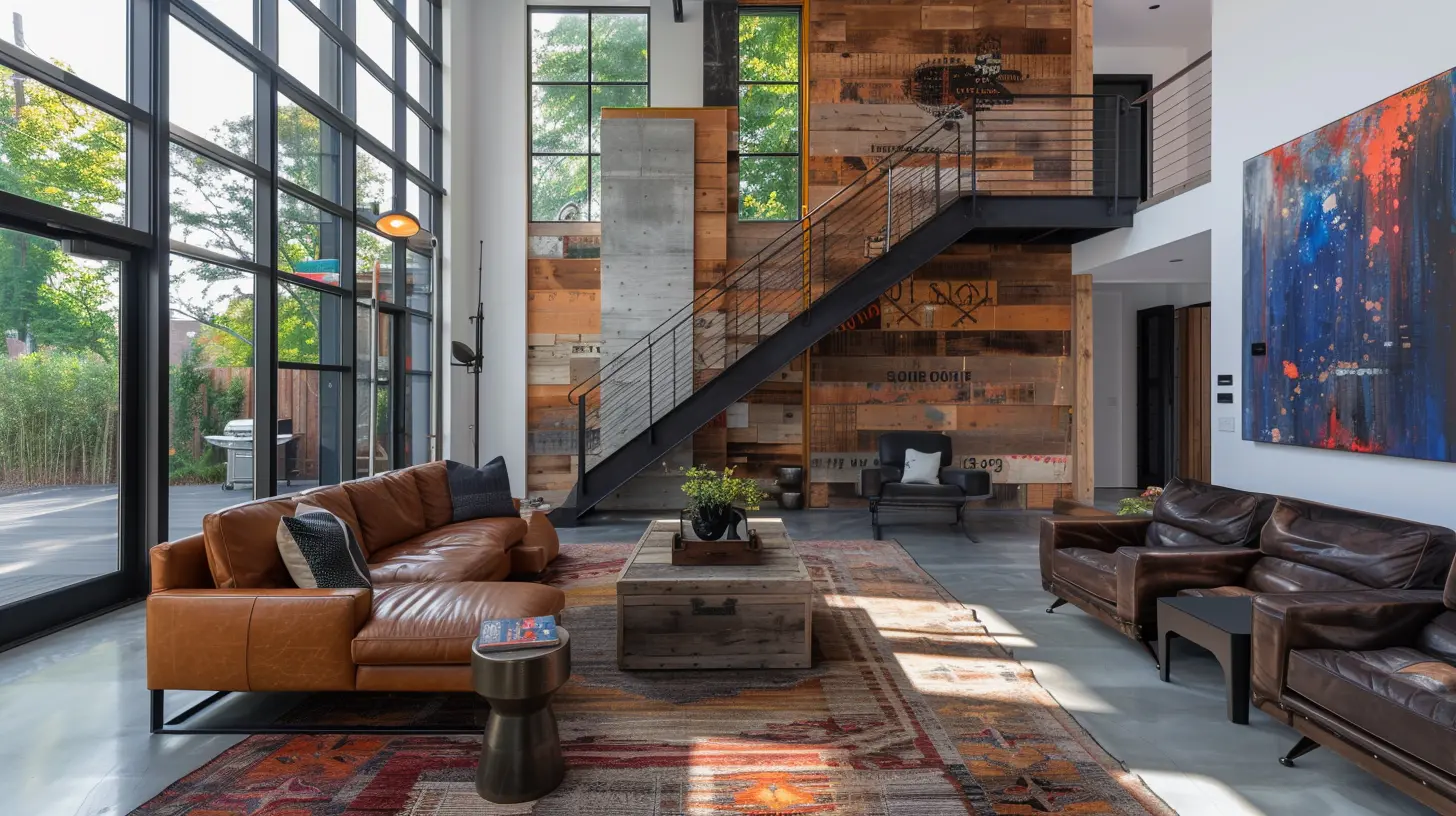
What Is Reclaimed Wood?
Before we get into the benefits, let's take a moment to understand what reclaimed wood actually is.Simply put, reclaimed wood is wood that has been salvaged from old structures—think barns, factories, warehouses, and even ships. Instead of letting these materials go to waste, they are carefully processed and repurposed for new construction projects.
The result? A material that boasts character, history, and sustainability all at once. 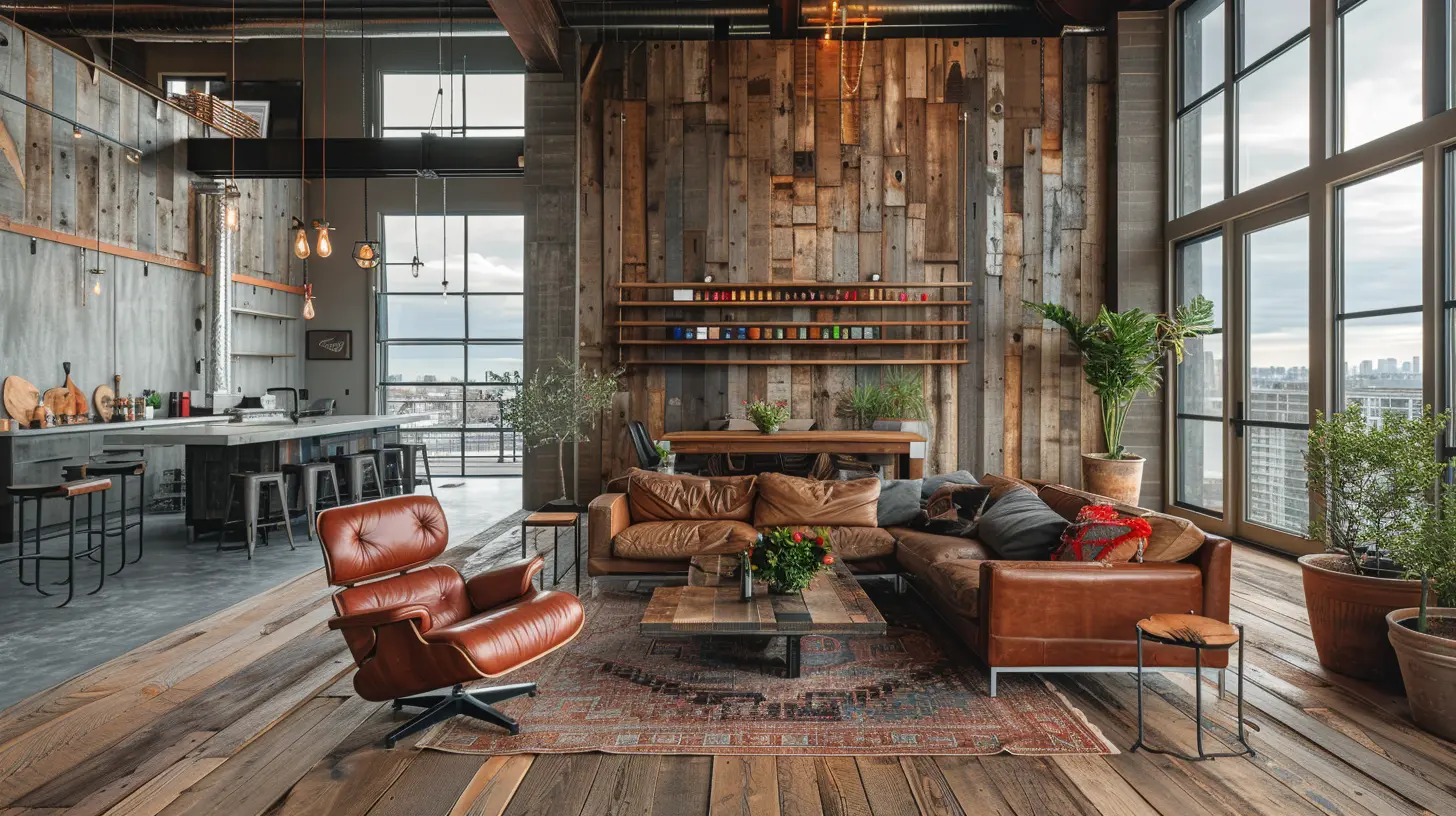
The Environmental Benefits of Reclaimed Wood
1. Reduces Deforestation
Deforestation is a major global concern, with millions of trees being cut down each year. By using reclaimed wood, you’re directly reducing the demand for freshly cut lumber, helping to preserve forests and natural habitats.Think about it: Every reclaimed wood plank you use means one less tree being felled. That’s a win for the environment!
2. Lowers Carbon Footprint
Producing new wood involves cutting trees, processing the lumber, and transporting it. Each step contributes to carbon emissions. Reclaimed wood, on the other hand, skips these harmful processes, reducing the overall carbon footprint of a construction project.If you're looking for an eco-friendly way to build or renovate your home, reclaimed wood is a top choice.
3. Keeps Waste Out of Landfills
Old buildings get demolished all the time, and without the practice of salvaging wood, this valuable material would just end up in landfills. Reclaimed wood gives these old beams and planks a new purpose, reducing waste and promoting sustainability.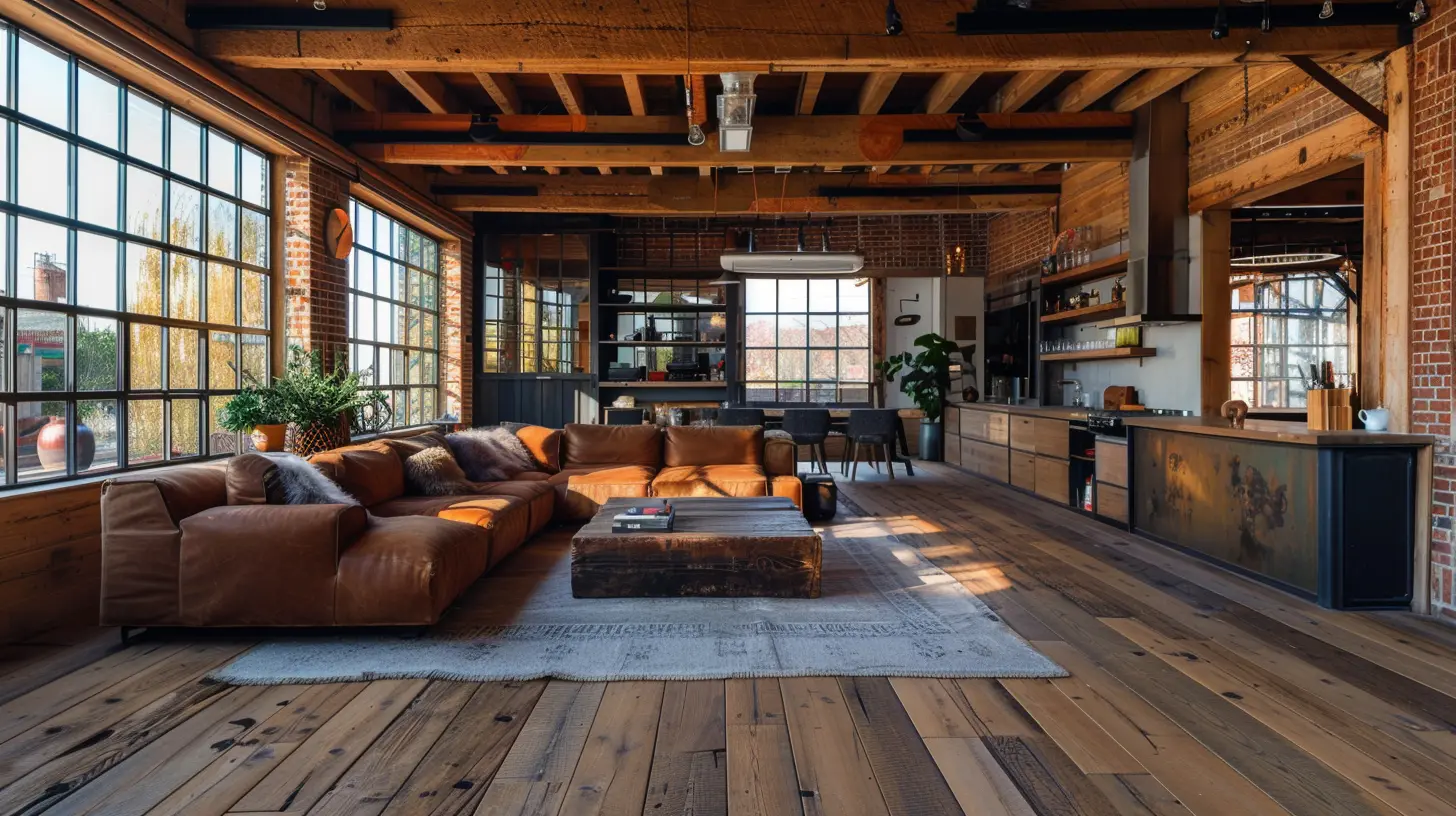
Aesthetic and Functional Benefits of Reclaimed Wood
4. Unique, One-of-a-Kind Appearance
One of the biggest draws of reclaimed wood is its character. Unlike newly milled wood, reclaimed wood has a distinct aged look—weathered textures, knots, nail holes, and even saw marks that add charm and personality to any space.No two pieces are the same, making your home truly unique. Whether you use reclaimed wood for flooring, walls, or furniture, it brings warmth and depth that new wood simply can’t replicate.
5. Adds a Sense of History and Storytelling
Imagine having a dining table made from wood salvaged from a 100-year-old barn. That’s not just a piece of furniture—it’s a piece of history! Every scratch and imperfection tells a story, making reclaimed wood an element of nostalgia and charm.For homeowners who love character-driven design, reclaimed wood is the perfect conversation starter.
6. Superior Strength and Durability
Older wood tends to be stronger and more durable than freshly harvested lumber. Why? Because many older buildings were constructed using wood from ancient trees that had already grown for hundreds of years.This aged wood has been naturally hardened over time, making it less prone to warping, cracking, or shrinking compared to newly processed wood. If you want a long-lasting material, reclaimed wood is a fantastic choice. 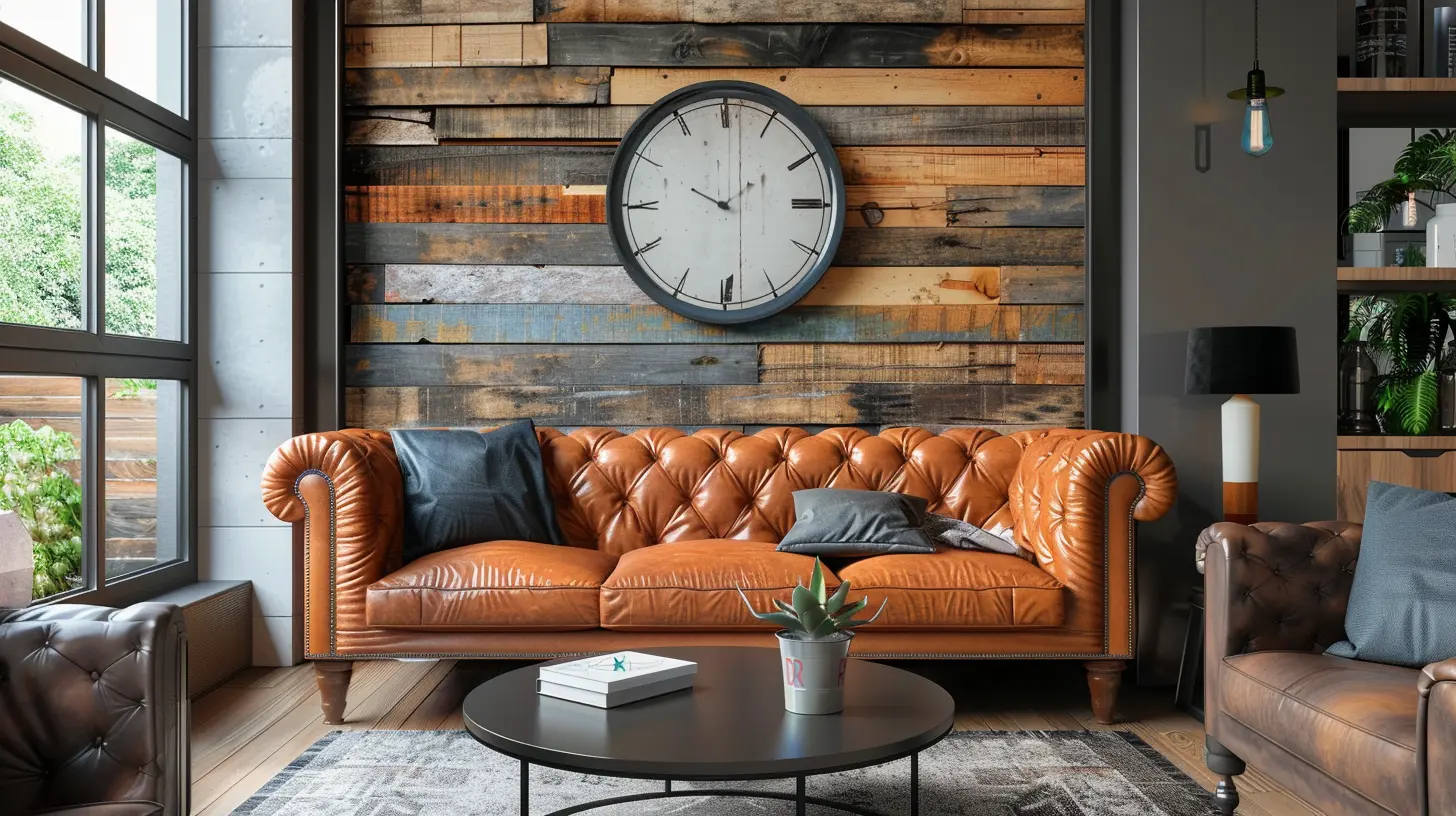
How Reclaimed Wood Enhances Modern Construction
7. Versatility in Design
Reclaimed wood isn’t just for rustic or farmhouse-style homes. It fits beautifully in modern, industrial, and even minimalist designs. Whether you're aiming for a cozy cabin vibe or a sleek, contemporary look, reclaimed wood adds warmth without overwhelming the space.It can be used for:
- Flooring
- Accent walls
- Ceiling beams
- Kitchen countertops
- Custom furniture
No matter where it’s applied, reclaimed wood brings an inviting, organic feel that makes any space more welcoming.
8. Improved Indoor Air Quality
Believe it or not, reclaimed wood can contribute to better indoor air quality. Since older wood has already gone through the process of drying and aging, it off-gasses fewer volatile organic compounds (VOCs) compared to freshly treated wood.For individuals who are sensitive to chemicals and allergens, materials like reclaimed wood can help create a healthier living environment.
9. Cost-Effective in the Long Run
While reclaimed wood can sometimes be more expensive upfront, its longevity and durability often make it a cost-effective investment. Because it’s already been through years (or even decades) of use, it's less susceptible to the wear and tear that newer wood might experience.Think of it like buying a leather jacket—it might cost more at first, but it lasts for years and only gets better with time.
Tips for Using Reclaimed Wood in Your Project
If you’re considering reclaimed wood for your home or construction project, here are a few essential tips:1. Source from Reputable Suppliers
Not all reclaimed wood is created equal. Ensure you’re sourcing from reliable suppliers who properly clean, treat, and certify their wood before selling it.2. Consider Moisture Levels
Wood expands and contracts based on moisture. Since reclaimed wood has been exposed to different climates over time, it’s important to acclimate it to your home’s humidity levels before installation.3. Look for Certifications
If sustainability is a priority, check for certifications like FSC-certified reclaimed wood. This ensures that the wood was sourced and processed in an environmentally responsible manner.4. Get Creative with Applications
Don’t just stick to flooring—think beyond the basics! Use reclaimed wood in furniture, shelving, ceiling beams, and even artistic wall panels for maximum impact.The Future of Reclaimed Wood in Construction
As sustainability continues to shape the future of construction, the demand for reclaimed wood is only expected to grow. Architects, designers, and builders are embracing this material not just for its eco-friendly benefits, but also for its beauty, history, and durability.Whether you’re remodeling your home, building from scratch, or simply adding a few rustic elements, reclaimed wood is a smart and stylish choice. It tells a story, reduces environmental impact, and brings warmth and character that new materials just can’t replicate.
So, the next time you're planning a construction project, ask yourself: Why go for new when you can have something with history, charm, and sustainability all in one?
Final Thoughts
Reclaimed wood isn’t just about aesthetics—it’s about making a conscious choice for the planet, preserving history, and investing in superior quality. Whether you’re drawn to its unique look, its sustainability factor, or its durability, there’s no doubt that reclaimed wood is a game-changer in modern construction.If you're considering adding reclaimed wood to your home, know that you're choosing a material that offers a perfect blend of past and future—a piece of history that continues to give back.
all images in this post were generated using AI tools
Category:
Building MaterialsAuthor:

Travis Lozano