Emergency Preparedness Plans for Rental Properties
13 February 2026
When it comes to renting out a property, there's a lot to think about—leases, tenants, maintenance, and of course, emergencies! Disasters can strike at any time, whether it's a fire, flood, power outage, or even a gas leak. As a landlord, property manager, or even a tenant, having a solid emergency preparedness plan in place is not just smart—it’s essential.
But how do you create a plan that keeps tenants safe while also protecting your investment? Let’s break down everything you need to know about emergency preparedness for rental properties. 
Why Every Rental Property Needs an Emergency Plan
Think about it: when disaster strikes, every second counts. Having a well-thought-out emergency plan can make the difference between chaos and calm, damage and safety, or even life and death.Rental properties come with their own unique challenges. Unlike single-family homes, you’re not just looking out for your own family—you’re responsible for multiple tenants who may not be familiar with evacuation routes, emergency contacts, or where safety equipment is located.
A solid plan will ensure that renters know exactly what to do in different situations, minimizing confusion and maximizing safety. Plus, it can help protect your property from extensive damage that could've been avoided with proper preparation.
The Legal Side of Emergency Preparedness
In some places, landlords are legally required to have emergency plans in place. Even if it's not required by law in your area, being prepared can protect you from liability in case of an emergency.Providing tenants with an emergency plan can not only save lives but also show that you care about their well-being. And let’s face it—happy, safe tenants are much more likely to stay long-term, saving you the headache of high turnover. 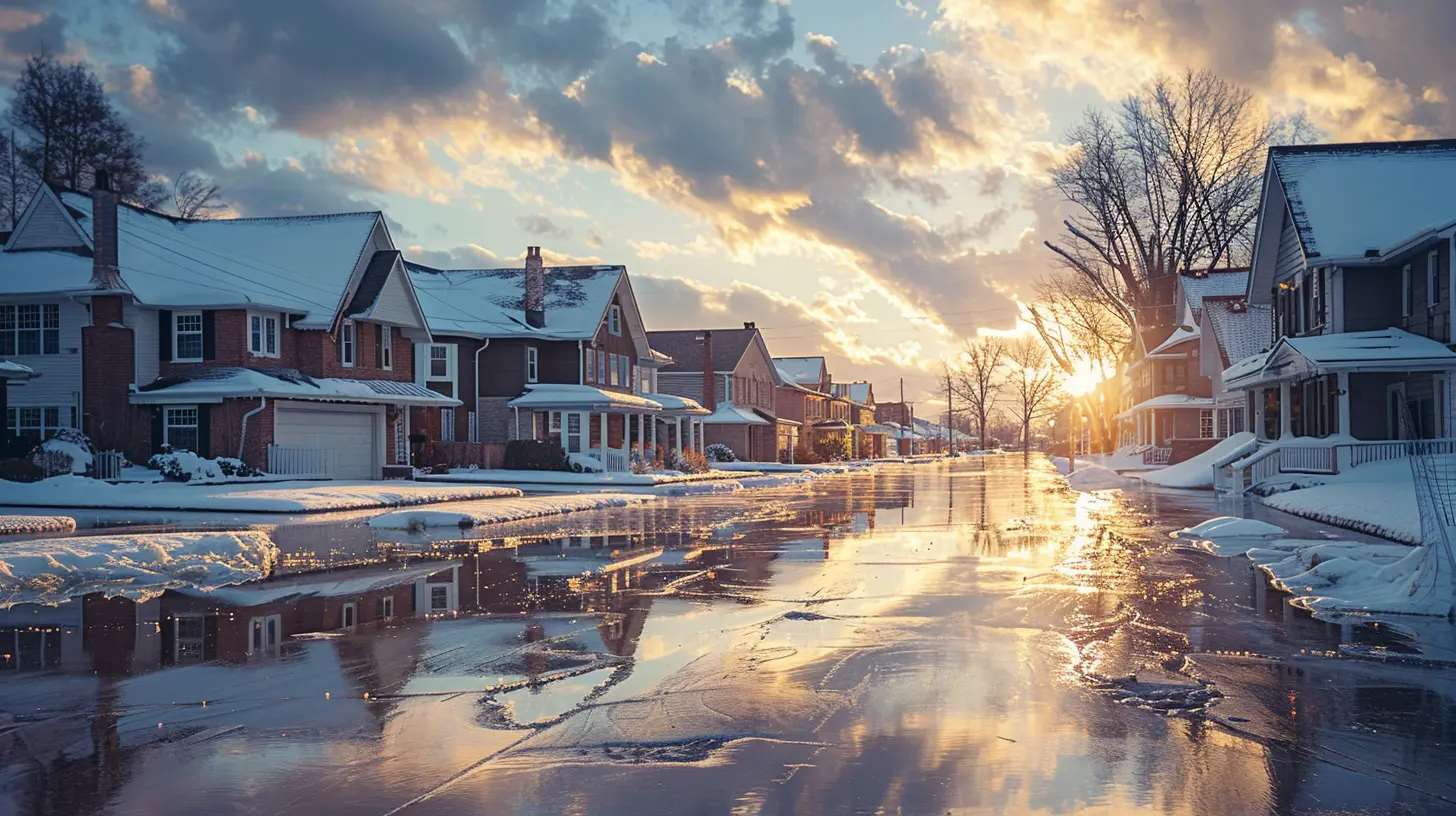
Components of a Solid Emergency Preparedness Plan
An effective plan should cover multiple types of emergencies and be easy for tenants to understand and follow. Here’s what you need to include:1. Emergency Contacts & Communication Strategy
When something goes wrong, who do tenants call first? Instead of panicking, they should have easy access to a list of emergency contacts, including:- Landlord or Property Manager's Contact – Make sure tenants can reach you quickly during an emergency.
- Local Emergency Services – 911 is a given, but also provide numbers for non-emergency police, fire, and poison control.
- Maintenance & Utility Companies – Water leaks, gas leaks, or power outages require immediate reporting. Provide numbers for the power company, water department, and gas provider.
Additionally, consider setting up an emergency communication plan where tenants receive updates via email, text, or a property management app. This is especially useful during widespread disasters like hurricanes or blizzards.
2. Fire Safety & Evacuation Plan
Fires are one of the most common rental property disasters. A fire safety plan should include:- Smoke Alarms & Fire Extinguishers – Ensure all detectors work and that extinguishers are in accessible locations.
- Evacuation Routes – Clearly mark exits and ensure tenants know the safest paths to get out.
- Meeting Point – Establish a designated spot where everyone should gather after evacuating.
Encourage tenants to avoid risky behaviors like overloading outlets or leaving candles unattended. A little prevention goes a long way!
3. Natural Disaster Preparedness
Different areas face different natural disasters, so tailor your plan accordingly. Here are a few key scenarios:Hurricanes & Tornadoes
- Designate the safest areas in the building for shelter.- Provide tenants with information on securing windows and doors.
- Stock emergency supplies like flashlights and first-aid kits.
Earthquakes
- Educate tenants on the “Drop, Cover, and Hold On” method.- Secure heavy furniture and remove potential hazards.
- Inform renters about shutoff valves for gas and water.
Floods
- Keep drainage systems clear to prevent water buildup.- Provide sandbags if you’re in a flood-prone area.
- Ensure tenants know how to turn off electrical appliances to prevent electrocution.
4. Power Outage Plan
Losing power can be a minor inconvenience or a major disaster, depending on the length and cause of the outage. An effective plan should include:- Backup Lighting – Encourage tenants to keep flashlights and spare batteries.
- Refrigeration Tips – Advise tenants to keep fridge and freezer doors closed to preserve food longer.
- Alternative Power Sources – If your rental has a generator, make sure tenants know how to use it safely.
5. Security & Lockdown Procedures
Unfortunately, break-ins and security threats do happen. Ensure tenants know how to stay safe by:- Keeping doors and windows locked at all times.
- Establishing a protocol for reporting suspicious activity.
- Knowing when and how to shelter in place during serious threats.
6. First Aid & Medical Emergencies
Every rental property should have basic first aid supplies available. Encourage tenants to have:- First aid kits with bandages, antiseptics, and essential medications.
- A list of local hospitals and urgent care centers.
- A plan for assisting neighbors who may have mobility issues. 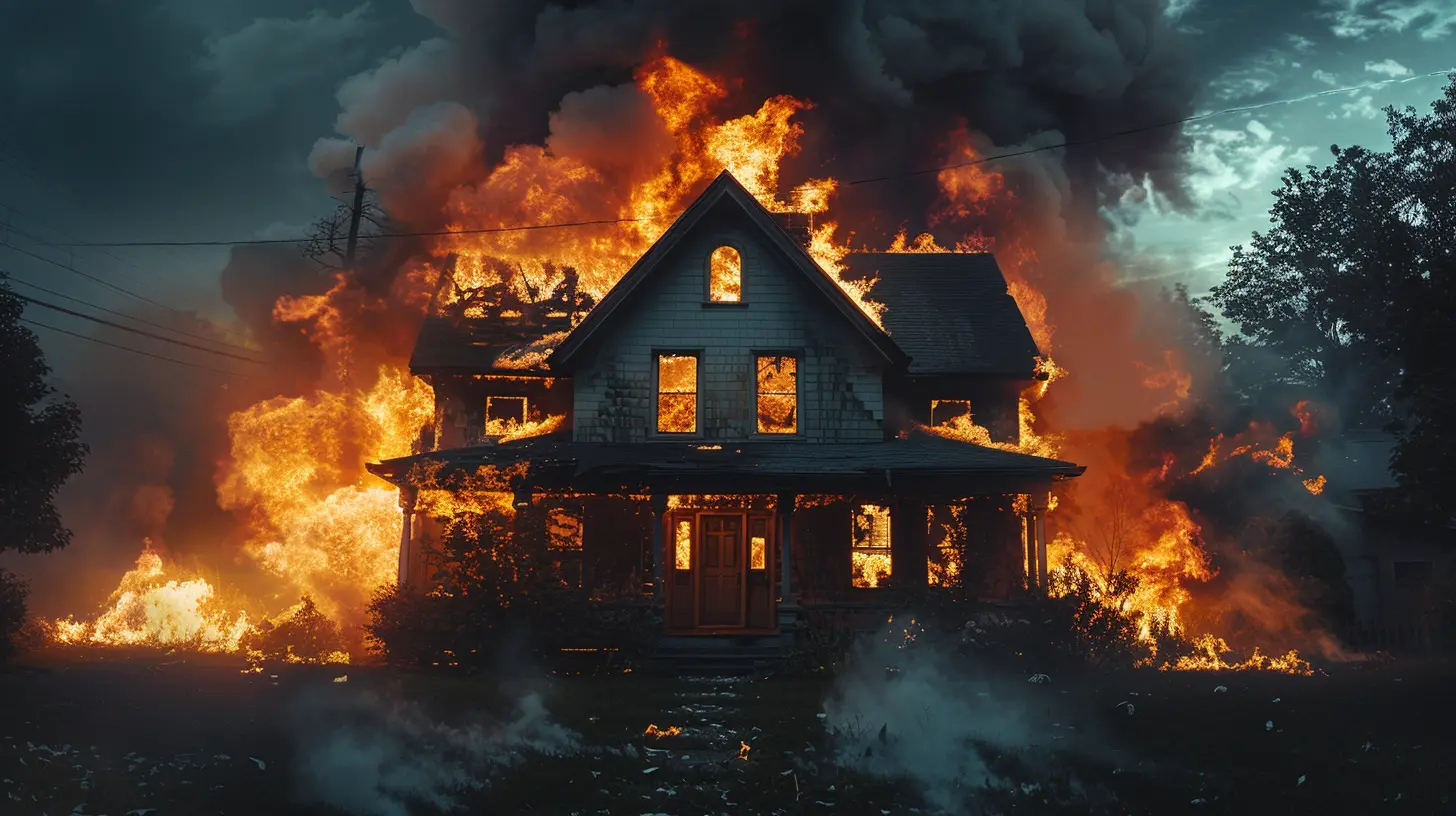
Helping Tenants Stay Prepared
A plan is only good if people know about it! Make emergency preparedness easy for tenants by:1. Providing a Tenant Handbook
Include emergency procedures in a welcome handbook when new tenants move in. A simple printed or digital guide works wonders.2. Holding Periodic Drills
Fire drills aren’t just for schools! Running emergency drills in apartment complexes or multi-unit buildings can reinforce important safety measures.3. Installing Emergency Notice Boards
Post emergency contacts, evacuation maps, and safety tips in common areas. When an emergency happens, a quick glance can make all the difference.4. Sending Out Reminders
A quick email or text reminder about emergency procedures—especially before storm season—can keep safety top of mind for renters.
The Landlord’s Role in Emergency Situations
As a landlord or property manager, your job doesn't stop at providing a plan. Being proactive in emergencies can prevent damage, reduce liability, and show tenants you care.- Ensure all safety equipment is functional (fire alarms, extinguishers, carbon monoxide detectors, etc.).
- Respond quickly to tenant concerns—delayed maintenance can turn small issues into big crises.
- Keep insurance policies up to date—coverage can be a lifesaver after a disaster.
- Work with local authorities to stay informed about regional risks and best practices.
Remember, emergencies often bring out the best (or worst) in people. Leading with preparedness and a calm response can help everyone navigate tough situations more safely.
Final Thoughts
Emergencies are unpredictable, but being unprepared doesn’t have to be an option. Whether you’re a landlord, property manager, or tenant, having an emergency preparedness plan in place is one of the smartest things you can do.By taking the time to outline safety procedures, provide clear communication, and think ahead, you’re not just protecting a building—you’re safeguarding lives. And in the end, that’s what truly matters.
> Have you implemented an emergency plan for your rental property yet? If not, now’s the perfect time to start!
all images in this post were generated using AI tools
Category:
Property ManagementAuthor:

Travis Lozano
Discussion
rate this article
2 comments
Rose McFarlane
Preparedness transforms properties into safe havens, enhancing tenants' peace of mind.
February 28, 2026 at 4:19 AM
Travis Lozano
Thank you! Indeed, preparedness not only protects properties but also fosters a sense of security for tenants.
Elena Gonzalez
In the realm of bricks and beams, Let safety weave through our dreams. A plan for storms, for fires' dance, In rental homes, give peace a chance. With foresight’s light, we build and stand, Secure our hearts, a steadfast hand.
February 13, 2026 at 3:51 AM
Travis Lozano
Thank you for your poetic reflection! It beautifully emphasizes the importance of safety and preparedness in rental properties.