Eco-Friendly Features to Include in Your Vacation Home
12 February 2026
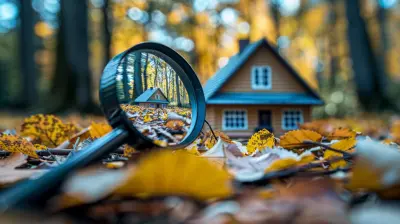
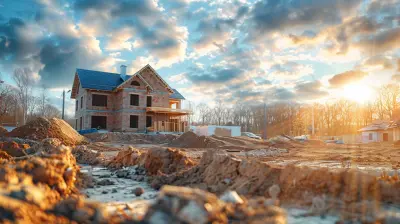
Owning a vacation home is a dream for many. It’s your little escape from the chaos of everyday life, a place where you can unwind and reconnect with nature, family, or even yourself. But in today's world, where sustainability is more important than ever, why not make your getaway spot as eco-friendly as possible? Not only will you reduce your carbon footprint, but you'll also save money in the long run and even increase your property's value.
So, what eco-friendly features should you consider for your vacation home? Let’s dive in!
1. Solar Panels: Harness the Power of the Sun
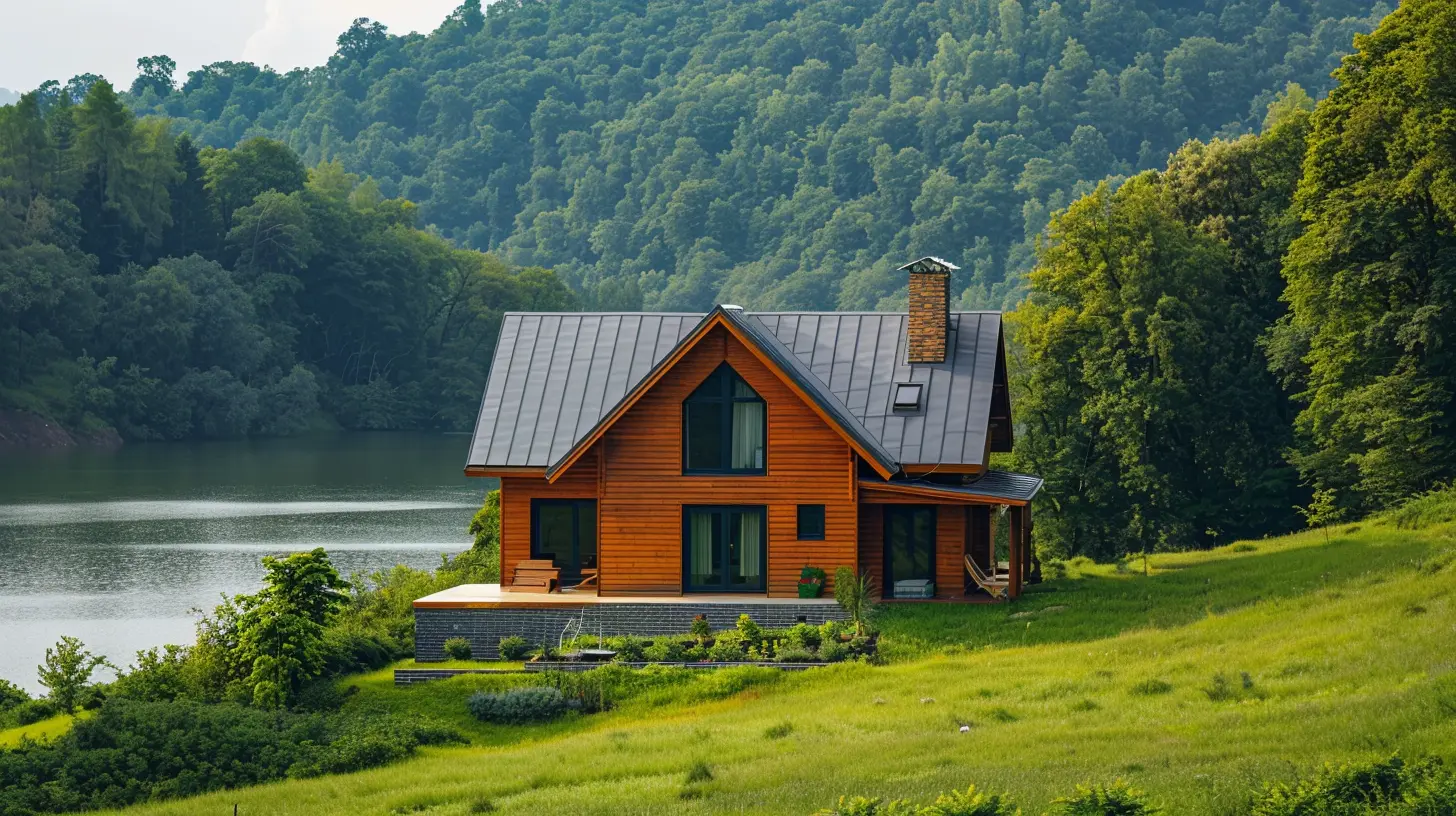
One of the best investments for an eco-friendly vacation home is solar panels. Think about it—your vacation home likely sits empty for part of the year, soaking in all that sunshine. Why not put it to work?Solar panels can generate electricity to power your home, heat water, and even charge an electric vehicle. Over time, they can significantly reduce (or even eliminate) your energy bills. Plus, many governments offer tax incentives for installing solar energy systems, making it a win-win.
2. Energy-Efficient Appliances: Cut Down on Power Usage
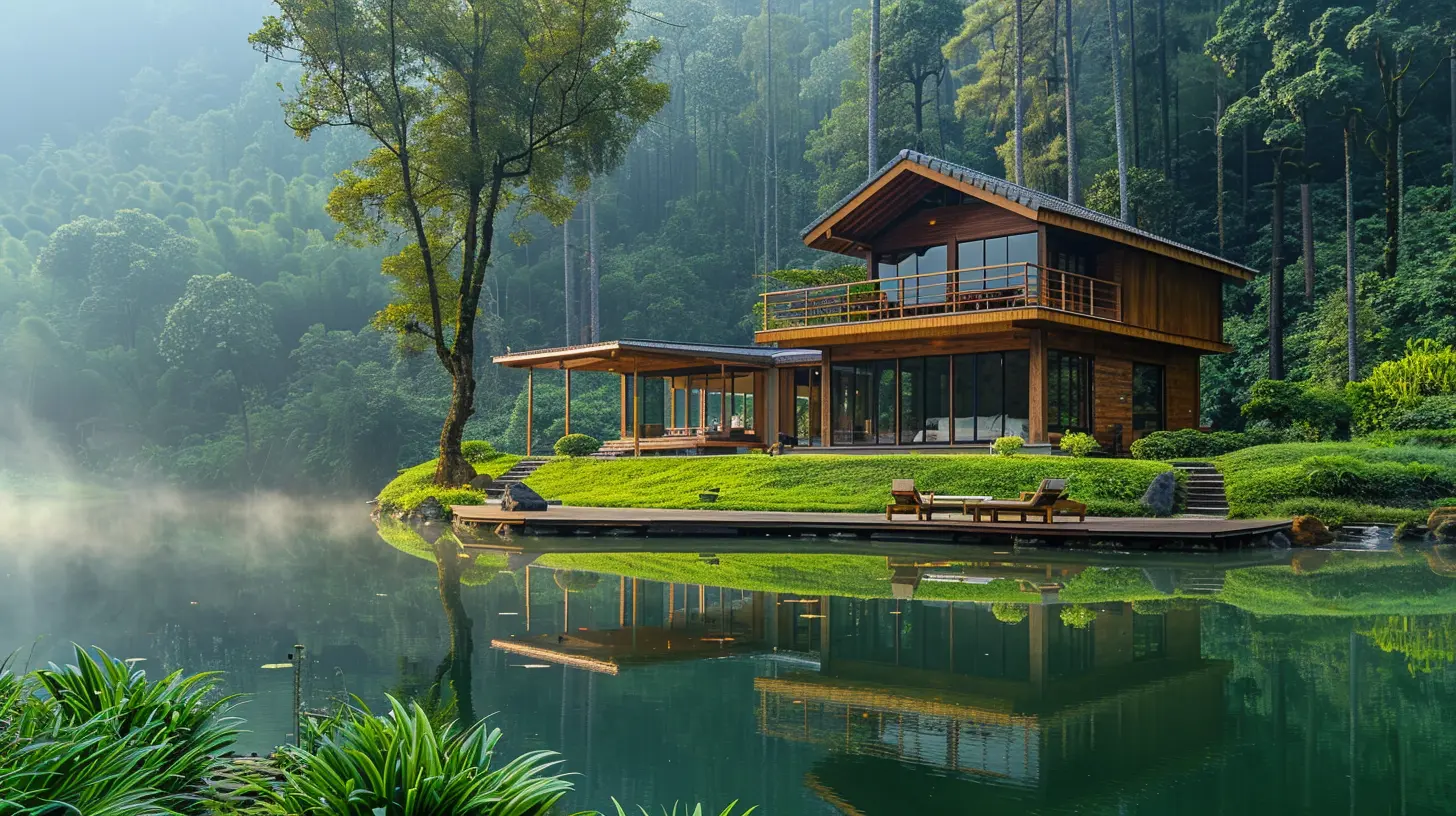
Old, inefficient appliances suck up way more energy than you realize. If you’re setting up your vacation home or renovating, go for ENERGY STAR-rated appliances. These are designed to consume less power without sacrificing performance.Look for:
- LED lighting (which lasts longer and uses less power)
- Energy-efficient refrigerators, dishwashers, and washing machines
- Smart thermostats that optimize heating and cooling
- Low-energy ceiling fans to reduce reliance on AC
Not only will you save on energy bills, but your guests (if you’re renting it out) will appreciate the modern and efficient setup.
3. Rainwater Harvesting System: Use Water Wisely
Why let all that rain go to waste? Installing a rainwater harvesting system lets you collect and store rainwater for things like:- Watering plants and landscaping
- Flushing toilets
- Cleaning outdoor areas
A simple setup with a rain barrel can help, but if you really want to go all in, an advanced filtration system can make rainwater safe for drinking and showering.
4. Eco-Friendly Insulation: Keep it Cozy Without Wasting Energy
Heating and cooling costs can skyrocket if your vacation home isn’t properly insulated. Instead of traditional fiberglass insulation, opt for sustainable alternatives such as:- Recycled denim insulation (yes, old jeans can keep your home warm!)
- Sheep’s wool insulation (a natural, breathable material)
- Soy-based spray foam insulation (a non-toxic, energy-efficient option)
Good insulation keeps your home warm in the winter and cool in the summer without cranking up the HVAC system—saving both energy and money.
5. Sustainable Building Materials: Build With the Planet in Mind
If you’re building or renovating your vacation home, consider sustainable materials such as:- Bamboo (a fast-growing, durable alternative to hardwood)
- Reclaimed wood (adds character while reducing deforestation)
- Recycled steel or composite materials for structure and siding
- Cork flooring (comfortable, durable, and renewable)
Not only do these materials reduce environmental impact, but they also give your home a unique, stylish touch.
6. Composting Toilets: A Natural Waste Management Solution
Traditional septic systems can be expensive and require a lot of maintenance, especially for remote vacation homes. A composting toilet is a fantastic alternative. These toilets use little to no water, break down waste naturally, and create nutrient-rich compost that can be used for gardening.7. Smart Home Technology: Optimize Energy Use
Who doesn’t love a smart home? With the right tech, you can control your vacation home remotely and ensure everything runs efficiently. Some great eco-friendly smart home features include:- Smart thermostats that adjust based on occupancy
- Motion-sensor lights that turn off when no one is around
- Smart plugs to cut off power to unused devices
- Leak detectors to prevent water waste
These gadgets not only make life easier, but they also prevent unnecessary energy consumption when the home isn’t in use.
8. Native Landscaping: Low-Maintenance and Water-Efficient
Instead of struggling to keep up with a thirsty lawn, consider xeriscaping—a landscaping method that uses native plants, which require less water and maintenance.Native plants thrive in local climates, attract pollinators like bees and butterflies, and reduce the need for chemical fertilizers and pesticides. Plus, they make your vacation home blend beautifully into the natural surroundings.
9. Green Roof or Living Walls: Bringing Nature Closer
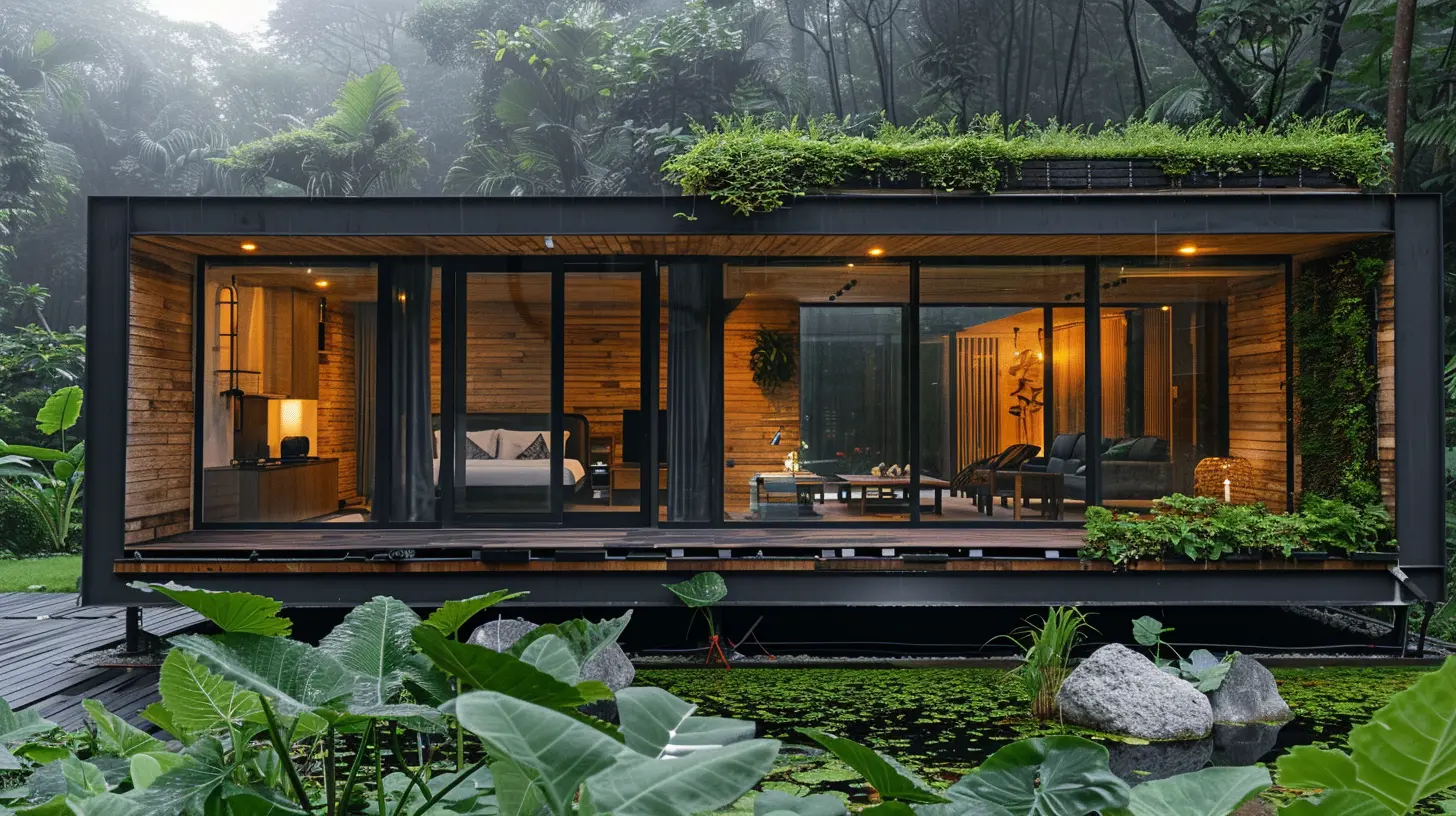
A green roof or living wall isn’t just aesthetically pleasing—it acts as natural insulation, improves air quality, and even helps with water drainage. Plus, it creates a serene environment, perfect for a vacation home. Imagine sipping your morning coffee on a rooftop garden filled with flowers and herbs!
10. Greywater Recycling: Reuse Water Efficiently
Greywater recycling systems collect used water from sinks, showers, and laundry and repurpose it for flushing toilets or irrigation. This significantly reduces overall water consumption and is especially useful for vacation homes in dry regions.11. Off-Grid Power Backup: Sustainable Energy Even When the Grid Fails
Power outages can be common in remote areas. Instead of relying on a traditional generator, consider off-grid power alternatives like:- Battery storage systems (such as Tesla Powerwall)
- Micro wind turbines
- Hydroelectric generators (if your property has a water source)
These ensure your vacation home stays powered up without relying on fossil fuels.
12. Eco-Friendly Furniture and Decor: Sustainable Style
When furnishing your vacation home, think beyond aesthetics—go for environmentally friendly choices. Look for:- Reclaimed or repurposed furniture
- Non-toxic, VOC-free paint
- Upcycled decor items
- Natural fiber rugs (like jute or wool)
This way, your home is both stylish and sustainable!
13. Low-Flow Plumbing Fixtures: Reduce Water Waste
Water conservation is crucial, especially in vacation homes where guests may not always be as mindful. Install low-flow toilets, faucets, and showerheads to cut down on water waste without compromising comfort.
14. Electric Vehicle Charging Station: Future-Proof Your Home
If you or your guests drive electric vehicles, installing a charging station makes a huge difference. Not only does it enhance the eco-friendliness of your home, but it also increases your property's appeal for eco-conscious renters.Final Thoughts
Making your vacation home eco-friendly isn’t just good for the planet—it’s good for you, too. These features reduce costs, improve comfort, and boost property value, all while ensuring a sustainable future. Whether you’re starting from scratch or making small upgrades, every step towards sustainability counts.So, why not turn your vacation home into a true green paradise? Your wallet, your guests, and Mother Nature will thank you!
all images in this post were generated using AI tools
Category:
Vacation HomesAuthor:

Travis Lozano
Discussion
rate this article
2 comments
Carter Ruiz
Incorporating eco-friendly features in your vacation home not only reduces environmental impact but can also enhance property value. Consider solar panels, energy-efficient appliances, and sustainable materials for a greener, more appealing retreat.
March 1, 2026 at 1:03 PM
Travis Lozano
Absolutely! Eco-friendly features not only minimize your environmental footprint but also increase your home's value. Solar panels and energy-efficient appliances are great additions for a sustainable retreat.
Callisto Wagner
Sprinkle your vacation home with eco-friendly features! They save the planet and create a cozy retreat for you and nature!
February 15, 2026 at 3:57 AM
Travis Lozano
Absolutely! Incorporating eco-friendly features not only benefits the planet but also enhances the comfort and charm of your vacation home. Great suggestion!