Designing Homes for Enhanced Natural Light and Energy Savings
6 February 2026
Creating a home that embraces natural light and maximizes energy savings isn’t just about aesthetics—it’s about smart, sustainable living. The way a home is designed can greatly impact its energy consumption, indoor comfort, and overall ambiance. By strategically incorporating architectural elements, materials, and technologies, homeowners can reduce reliance on artificial lighting and heating, while enjoying a brighter and more inviting space.
So, how can you design a home that bathes in sunshine while keeping energy bills low? Let’s dive in! 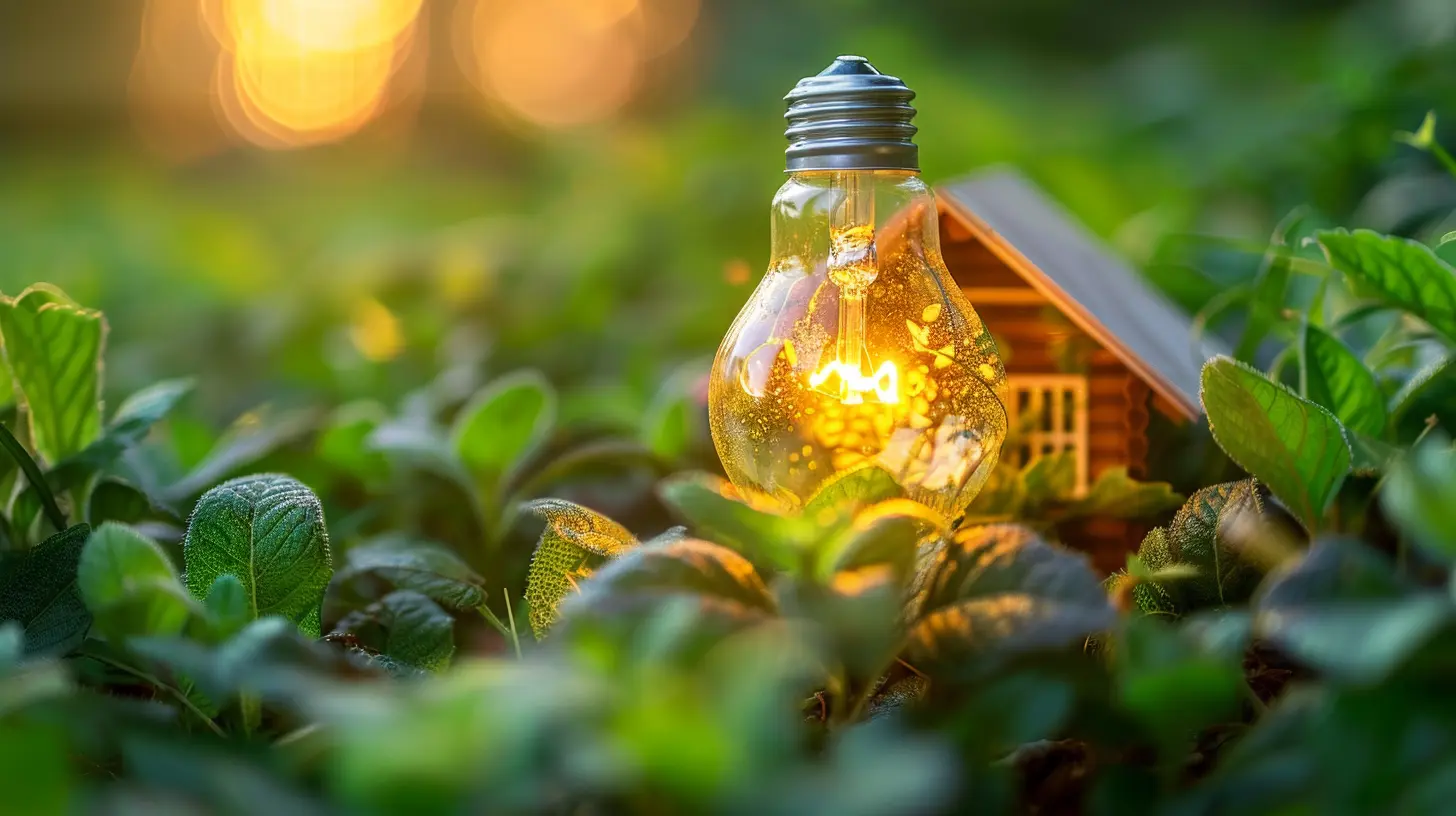
Why Natural Light Matters in Home Design
Natural light does more than just brighten up a space—it plays a crucial role in energy efficiency, mental well-being, and even home value.Boosts Energy Efficiency
When a home is designed to maximize daylight, the need for artificial lighting decreases, which in turn lowers electricity consumption. Additionally, well-placed windows and skylights can contribute to passive solar heating, reducing the need for artificial heating in colder months.Enhances Mood and Productivity
Ever noticed how working in a naturally lit room feels different from one illuminated by artificial lights? Studies show that natural light improves mood, reduces stress, and enhances productivity. Whether you’re working from home or simply unwinding, a bright and airy space can do wonders for your well-being.Increases Home Value
Homes that are designed with ample natural light tend to be more appealing to buyers. Large windows, open spaces, and skylights create an inviting atmosphere that many homebuyers seek. If you ever decide to sell, a well-lit home may fetch a higher price.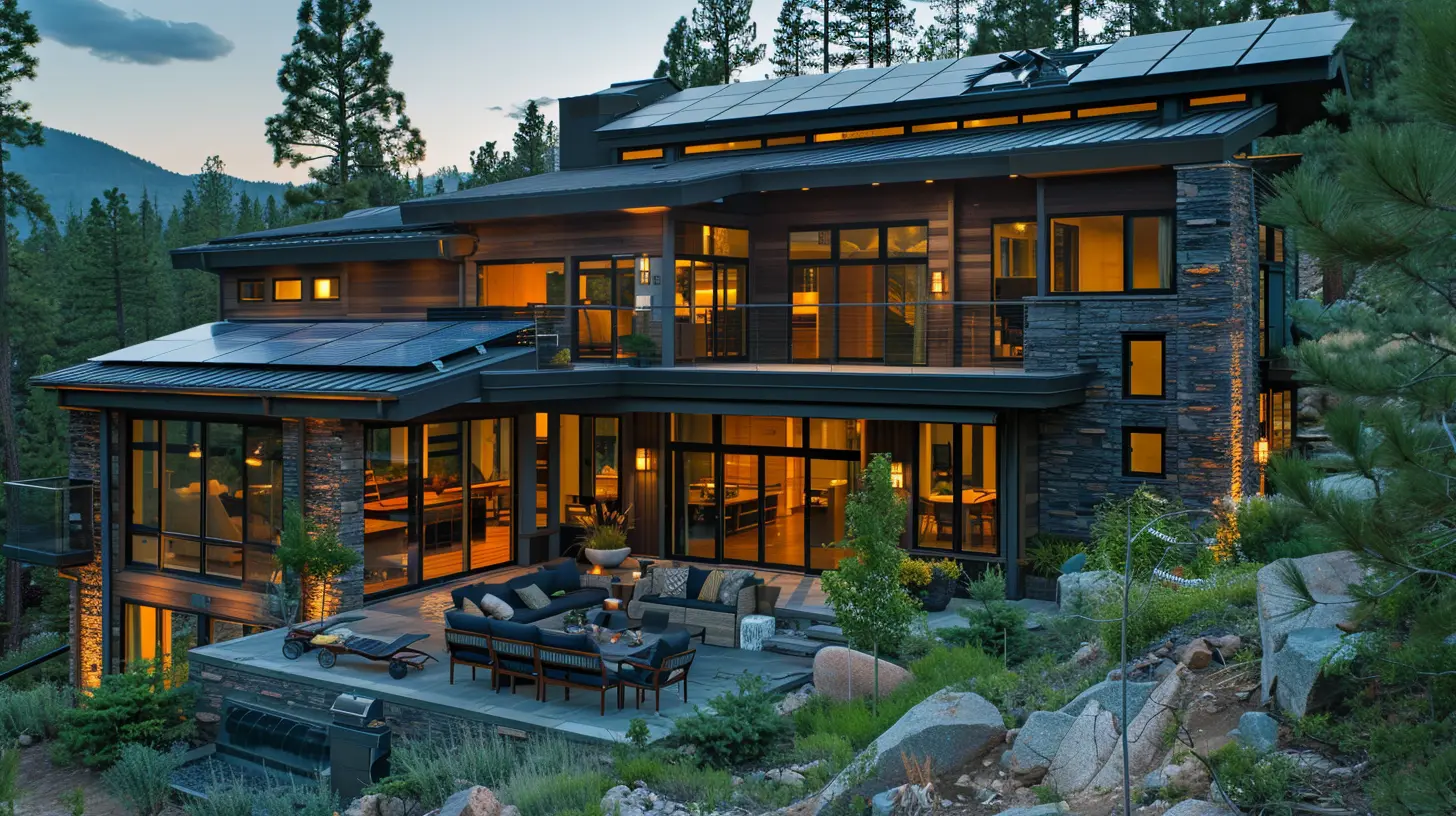
Smart Design Strategies for Maximum Natural Light
Bringing more natural light into your home isn’t just about adding windows everywhere. Strategic planning is key. Here are some clever design tactics:1. Optimize Window Placement and Size
The positioning and size of windows significantly impact how much natural light enters your home.- South-Facing Windows: In most climates, south-facing windows allow the most daylight throughout the day without excessive heat gain.
- Floor-to-Ceiling Windows: These can dramatically increase light penetration, especially in living areas.
- Clerestory Windows: Small windows placed near the ceiling let in light without compromising privacy.
2. Use Reflective Surfaces to Amplify Light
Mirrors, glass surfaces, and even glossy flooring can help distribute natural light throughout your home. A well-placed mirror opposite a window can reflect sunlight into darker corners, brightening up the space naturally.3. Choose Light Colors for Interiors
Dark walls and floors absorb light, while lighter shades reflect it. Whites, creams, and pastels are excellent choices for walls, ceilings, and furniture to enhance brightness.4. Install Skylights and Solar Tubes
If adding more windows isn’t an option, skylights can bring in ample daylight from above. For interior rooms without windows, solar tubes (or sun tunnels) are a fantastic alternative. These small tubular skylights channel sunlight into the home, illuminating dim spaces naturally.5. Use Open Floor Plans
Walls and partitions can block light from flowing through a home. Open-concept layouts allow daylight to spread, reducing the need for artificial lighting. Using glass doors or frosted partitions can also maintain privacy without sacrificing natural light.6. Incorporate Light-Filtering Window Treatments
Heavy drapes or blackout curtains can block valuable sunlight. Instead, opt for sheer curtains, blinds, or smart shades that adjust automatically based on daylight levels. This allows you to control light entry without completely darkening a room.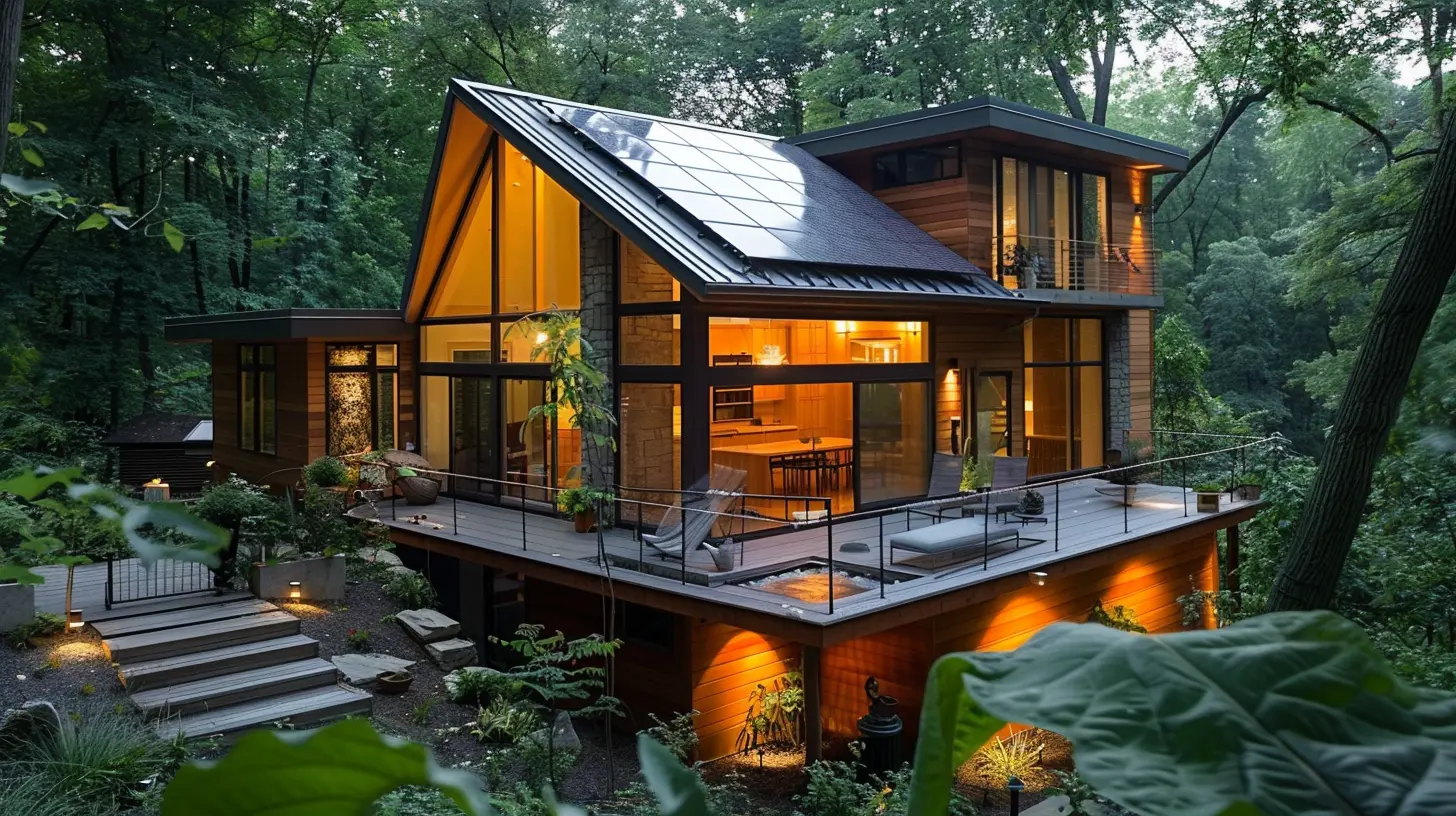
Energy-Efficient Elements to Complement Natural Light
Maximizing daylight is just one part of the equation. To truly optimize energy efficiency, consider these additional design elements:1. Energy-Efficient Windows
Not all windows are created equal. Look for double- or triple-pane windows with low-E coatings. These reduce heat loss in winter and minimize heat gain in summer, keeping indoor temperatures comfortable year-round.2. Passive Solar Design
A well-designed home can harness the sun’s energy naturally. Passive solar design techniques include:- Orienting the home to take advantage of seasonal sunlight.
- Using thermal mass materials (like concrete or brick) to absorb and radiate heat.
- Installing overhangs or pergolas to provide shade in summer while allowing sunlight in during winter.
3. Smart Lighting Systems
Even with great natural light, artificial lighting is sometimes necessary. Smart LED lighting systems can adjust based on occupancy and daylight levels, further reducing energy waste.4. Insulated Window Treatments
While large windows bring in light, they can also let out heat. Energy-efficient curtains, cellular shades, or insulated blinds can help regulate indoor temperatures without compromising natural illumination.5. Green Roofs and Living Walls
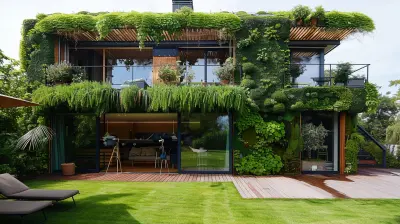
Incorporating vegetation into home design doesn’t just look good—it improves energy efficiency too! Green roofs and vertical gardens provide natural insulation, reducing heat absorption and keeping indoor spaces cooler in summer.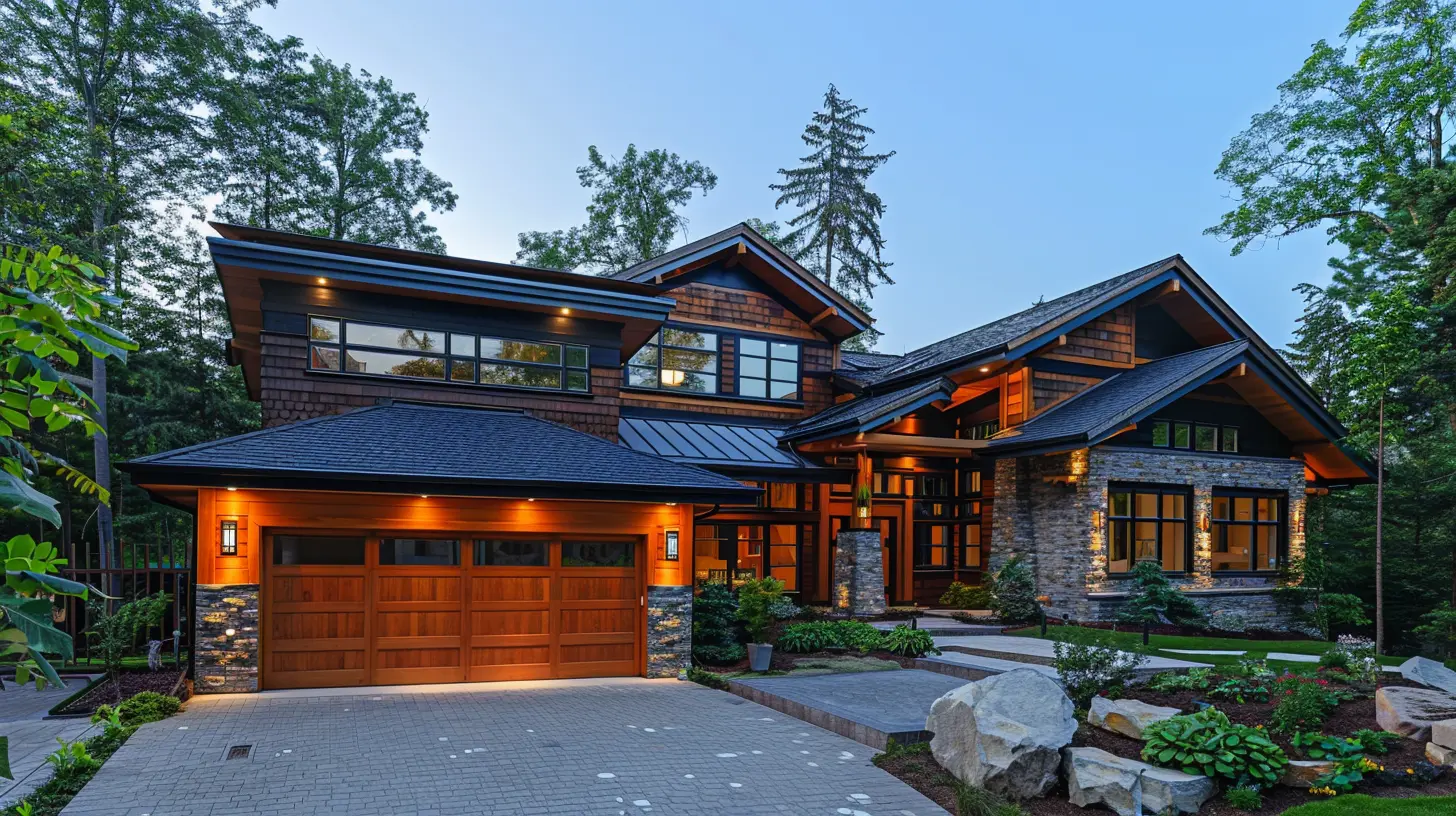
Common Mistakes to Avoid
While maximizing light and energy efficiency is beneficial, there are pitfalls to dodge:1. Overlooking Glare Control
Too much direct sunlight can cause glare, making rooms uncomfortable. Use strategically placed shading elements like overhangs, trees, or adjustable blinds to prevent excessive brightness.2. Ignoring Ventilation
More windows can mean more heat, especially in summer. Ensure proper cross-ventilation by incorporating operable windows or ventilation systems that allow fresh air to circulate.3. Using Poor-Quality Glass
Cheap or single-pane glass can lead to energy loss. Always invest in high-performance glazing to maintain temperature control while letting in light.4. Cluttering Windows and Light Pathways
Heavy furniture, dark curtains, or excessive décor near windows can block valuable daylight. Keep spaces open and free-flowing to allow light to spread effectively.Final Thoughts
Designing a home with enhanced natural light and energy savings isn’t just about aesthetics—it’s about creating a comfortable, sustainable, and cost-effective living environment. By strategically positioning windows, using reflective surfaces, and incorporating energy-efficient innovations, homeowners can enjoy a bright, airy space while minimizing energy costs.So, whether you’re building from scratch or renovating an existing home, thoughtful design choices can make all the difference. After all, who wouldn’t want a home that feels naturally warm, bright, and inviting?
all images in this post were generated using AI tools
Category:
Sustainable HousingAuthor:

Travis Lozano
Discussion
rate this article
2 comments
Lumen Jennings
Fascinating concepts! How can we further combine light and efficiency?
February 24, 2026 at 4:29 AM
Travis Lozano
Thank you! We can explore innovative window designs, use reflective surfaces to amplify light, and integrate smart technology to optimize energy use in tandem with natural light.
Kara McTigue
Embrace bold designs that prioritize natural light—it's not just sustainable; it's essential!
February 6, 2026 at 5:57 AM
Travis Lozano
Absolutely! Natural light transforms spaces and enhances well-being while cutting energy costs. It's a win-win!