Composite Materials in Construction: Innovation Meets Durability
10 December 2025
Building strong, long-lasting structures isn't just about bricks and mortar anymore. The construction industry is evolving, and composite materials are leading the charge. Combining strength, flexibility, and durability, these modern materials are changing the way we build.
But what exactly are composite materials, and why are they becoming so popular in construction? Let’s dive in and uncover the innovation behind these game-changing materials. 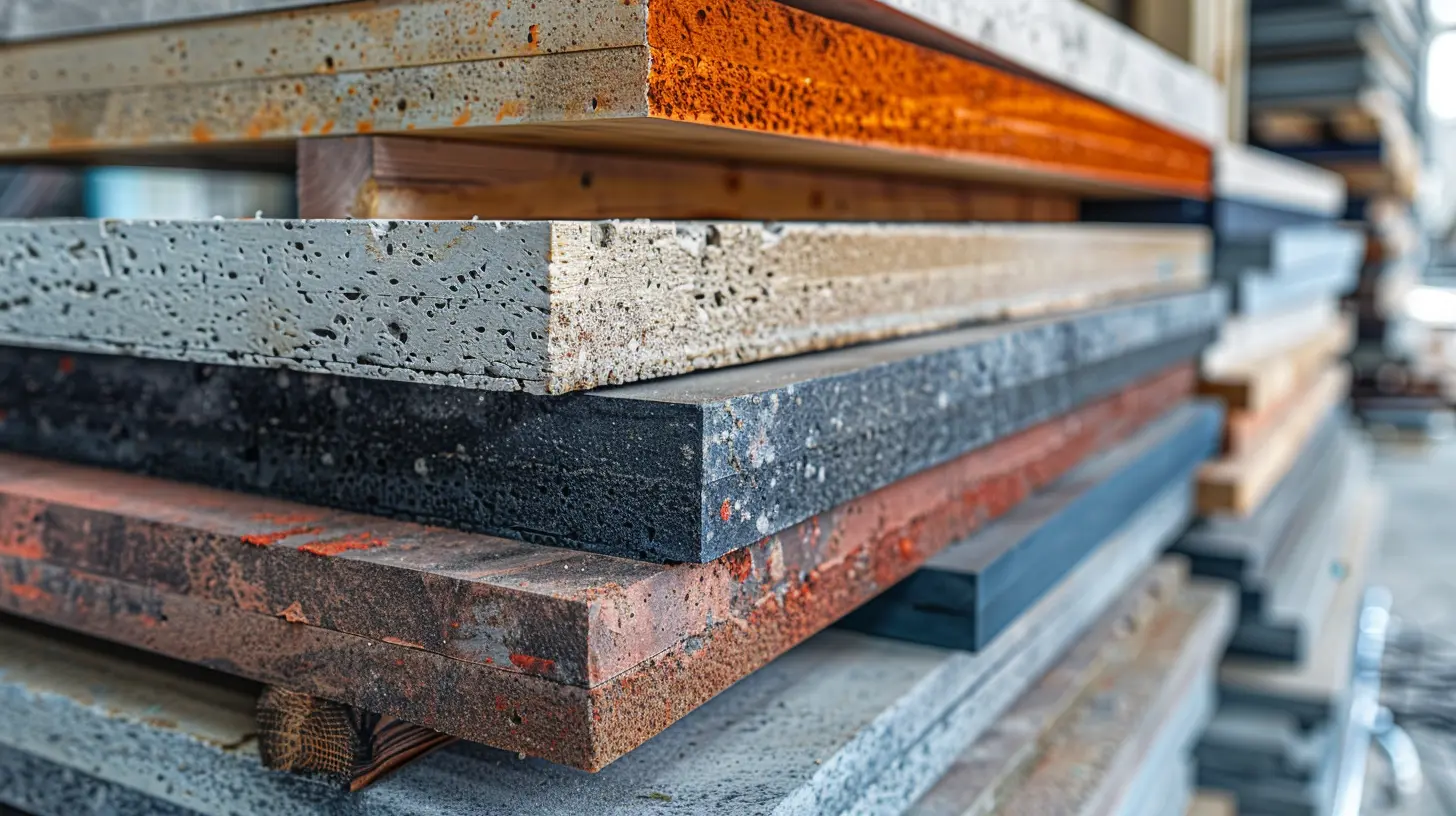
What Are Composite Materials?
Simply put, composite materials are a combination of two or more different materials that, when combined, create something stronger and more durable than the sum of their parts. Think of it like a superhero team—each member (or material) brings a unique strength, making the final product more resilient and efficient.In construction, composites usually consist of a binder or matrix (like resin or cement) and a reinforcement material (such as fiberglass or carbon fiber). Together, they form lightweight yet incredibly strong building materials. 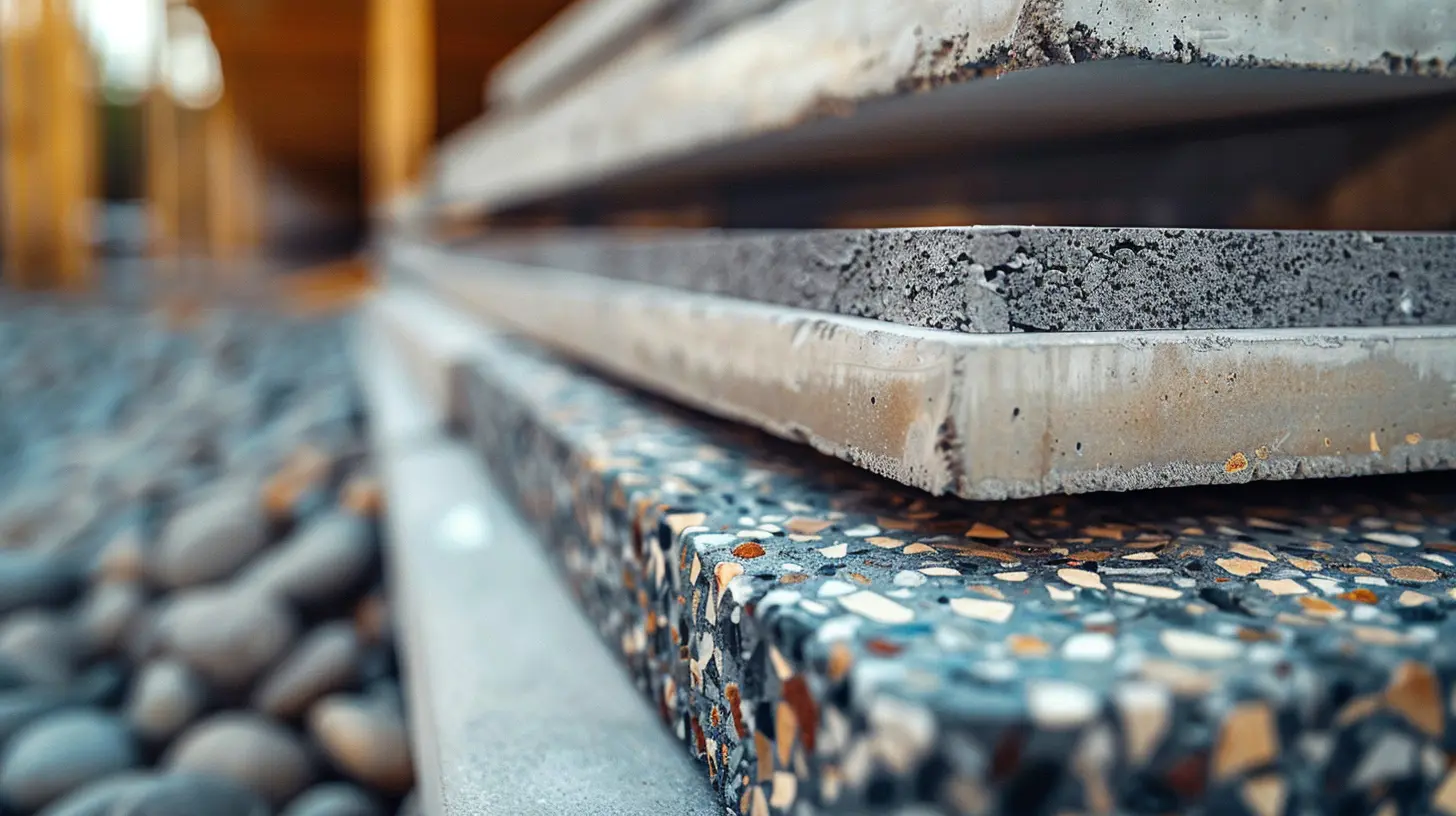
Why Are Composite Materials Used in Construction?
You might be wondering—why go for composites when we already have materials like concrete, steel, and wood? Well, traditional materials have their limitations. Wood rots, steel rusts, and concrete can crack. Composite materials, on the other hand, offer a unique mix of advantages:- Durability – They last longer and resist weathering better than traditional materials.
- Lightweight – Easier to transport and handle, reducing labor and transportation costs.
- High Strength-to-Weight Ratio – Stronger than many traditional materials without the added bulk.
- Corrosion Resistance – Unlike steel, composites don’t rust or degrade easily.
- Design Flexibility – Can be molded into different shapes and sizes, making them perfect for custom architectural designs.
With these benefits, it’s easy to see why composite materials are revolutionizing the construction industry. 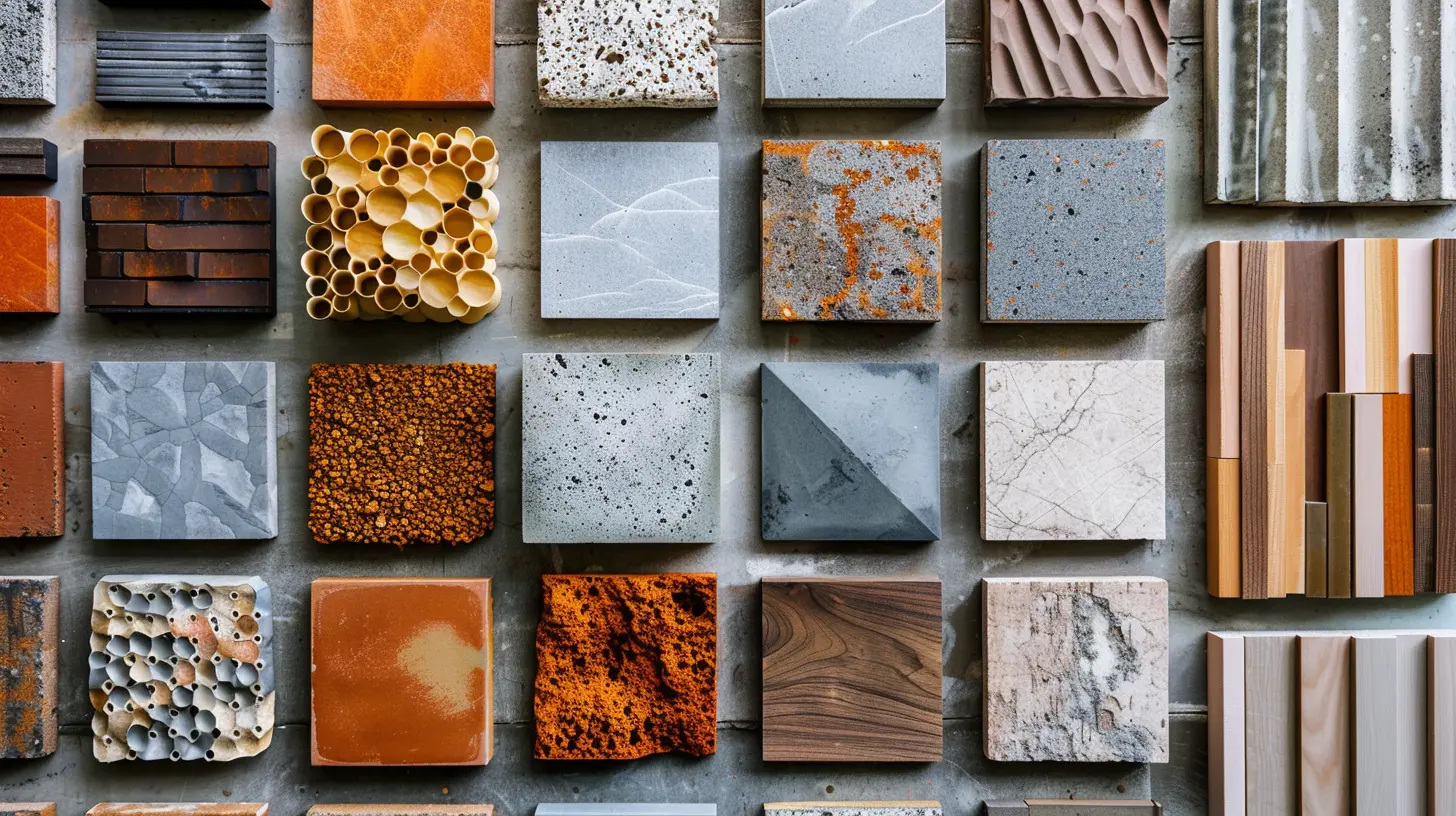
Types of Composite Materials in Construction
Not all composite materials are the same. Depending on the project, different types of composites are used to achieve the best results. Here are some of the most common ones:1. Fiber-Reinforced Polymers (FRP)
FRP composites are made by combining a polymer matrix (such as epoxy or polyester) with fibers like glass, carbon, or aramid. These materials are widely used in bridge construction, building reinforcement, and even aerospace engineering due to their incredible strength and lightweight nature.2. Concrete Composites
Concrete itself can be considered a composite material when reinforced with steel bars (rebar) or fibers like carbon or glass fiber. Fiber-reinforced concrete is stronger, reduces cracking, and improves overall durability—perfect for high-stress areas like bridges and skyscrapers.3. Wood Composites
Traditional wood has its vulnerabilities, but engineered wood products like laminated veneer lumber (LVL) and oriented strand board (OSB) enhance strength while reducing susceptibility to warping and rotting. These materials are commonly used in flooring, roofing, and even furniture.4. Metal Matrix Composites (MMC)
These are a combination of metal (like aluminum) reinforced with fibers or particles, providing superior strength, heat resistance, and lightweight properties. MMCs are primarily used in industries that require extreme durability, such as aerospace and high-performance construction applications.5. Sandwich Panels
Much like a sandwich (hence the name), these panels consist of two outer layers (such as metal or composite materials) with a lightweight core (such as foam or honeycomb structures) in between. They offer exceptional insulation and strength while keeping weight to a minimum, making them ideal for prefabricated buildings and modular construction.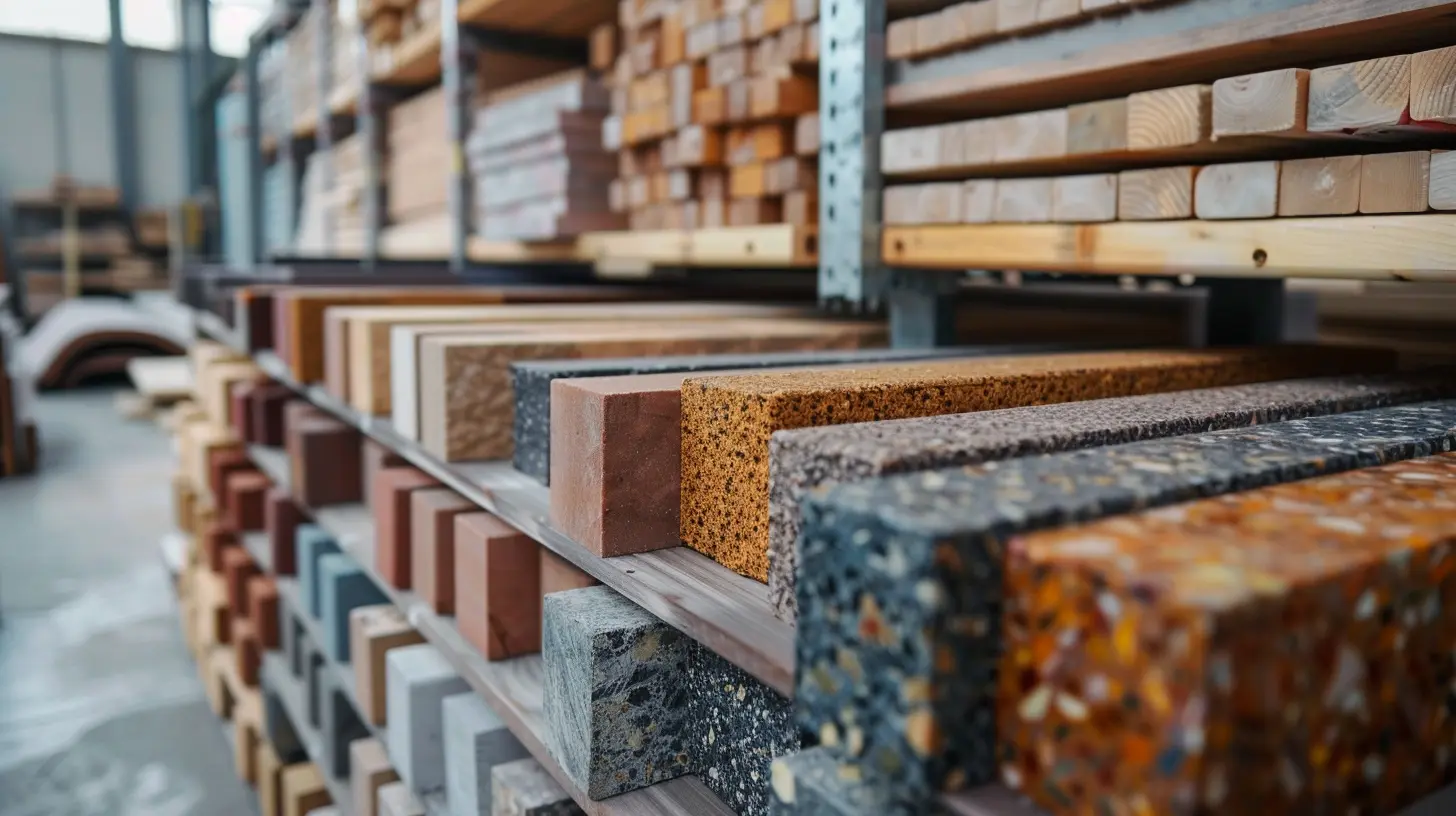
How Composite Materials Are Changing the Construction Landscape
The shift towards composite materials isn’t just a passing trend—it’s a game-changer for the entire construction industry. Here’s how:1. Faster, More Efficient Construction
Since composites are lightweight yet strong, they reduce the need for heavy machinery and extensive labor. Prefabricated composite components can be manufactured off-site and simply assembled on location, speeding up construction projects significantly.2. Increased Sustainability
Sustainability is a hot topic in construction, and composite materials help reduce environmental impact. Many composites are made from recycled materials, and their durability means fewer replacements and repairs, ultimately reducing waste. Plus, their energy-efficient properties contribute to greener, more sustainable buildings.3. Improved Safety and Performance
Composite materials excel in safety. Many are fire-resistant, non-corrosive, and have high impact resistance. This makes them perfect for structures that need to withstand extreme conditions, like earthquake-prone areas or coastal buildings constantly exposed to saltwater.4. Iconic Architectural Designs
With their moldability and versatility, composites provide architects with endless design possibilities. From sleek, curved façades to futuristic skyscrapers, these materials bring bold, innovative designs to life with less structural limitations.Challenges of Using Composite Materials in Construction
Despite their incredible advantages, composite materials aren’t perfect. Here are a few challenges that still need to be addressed:- Cost – High-quality composites can be pricier than traditional materials, making them less accessible for smaller projects.
- Limited Awareness – Many in the construction industry are still unfamiliar with these materials, slowing down their widespread adoption.
- Recycling Issues – Some composites are difficult to recycle due to their complex composition, posing sustainability concerns in the long run.
That said, ongoing research is tackling these challenges, and as technology advances, composite materials will only become more affordable and eco-friendly.
Future of Composite Materials in Construction
So, what’s next? The future of construction is leaning heavily toward advanced materials, and composites are at the forefront of this transformation. Innovations like self-healing composites (materials that repair themselves from cracks and damage) and smart composites (which can monitor structural health and detect weaknesses) are already in development.With increasing demand for greener, stronger, and more efficient buildings, composite materials are set to dominate the industry. As technology progresses, construction projects will become faster, safer, and more sustainable—ushering in a new era of architectural possibilities.
Final Thoughts
From towering skyscrapers to modern bridges, composite materials are reshaping the way we build. Their unmatched durability, lightweight properties, and design flexibility make them the go-to choice for future construction projects.While challenges still exist, the growing adoption of composites signals a significant shift in the industry. As innovations continue to push the boundaries, we can expect to see even more extraordinary structures built with these advanced materials.
Are you ready to embrace the future of construction? Because with composite materials, the possibilities are endless.
all images in this post were generated using AI tools
Category:
Building MaterialsAuthor:

Travis Lozano
Discussion
rate this article
2 comments
Oberon Carter
Composite materials? More like the superhero of construction! Combining innovation with durability, they’re giving traditional materials a run for their money. Time to elevate your building game, folks!
December 20, 2025 at 3:29 AM
Travis Lozano
Absolutely! Composite materials are revolutionizing construction by blending strength and innovation, setting new standards for durability and design. Exciting times ahead!
Lulu McNeil
Composite materials are revolutionizing construction—merging innovation with durability for a future that demands both strength and sustainability.
December 10, 2025 at 4:17 AM
Travis Lozano
Thank you! I'm glad you see the potential of composite materials in shaping a sustainable future for construction.