Common Misconceptions About Foreclosure Properties
25 January 2026
Buying a foreclosure property can be an attractive option, especially for those looking for a bargain in the real estate market. However, there are numerous myths and misconceptions surrounding these types of properties that often discourage potential buyers.
Are foreclosures always a steal? Do they all need serious repairs? Is financing impossible? Let’s dive into some of the most common myths about foreclosure properties and separate fact from fiction. 
What Is a Foreclosure Property?
Before we start busting myths, let's define what a foreclosure property is.A foreclosure occurs when a homeowner fails to keep up with their mortgage payments, leading the lender to take possession of the home. Once the bank or lender owns the property, they typically sell it to recover their losses. These homes can be bought at auctions, through short sales, or directly from the bank.
Sounds simple, right? Well, the reality of buying a foreclosure can be filled with surprises—both good and bad. 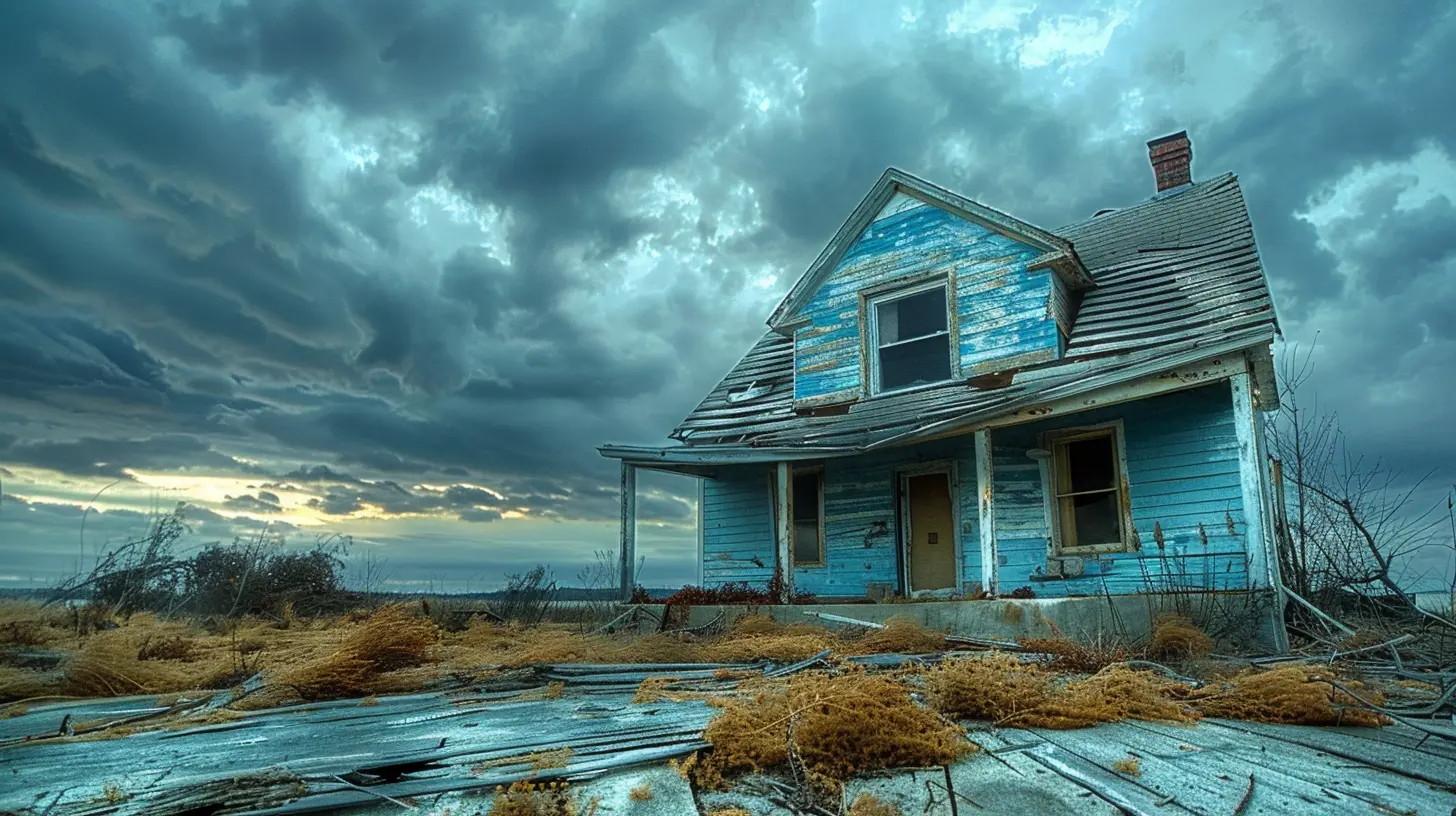
Myth #1: Foreclosure Properties Are Always Sold at Rock-Bottom Prices
The Reality:
Many people assume that every foreclosed home is a once-in-a-lifetime deal. While it’s true that some foreclosures are priced below market value, they aren't always dirt cheap.Banks and lenders want to recover as much of their money as possible, so they often price the properties competitively. Additionally, if a foreclosure is in a desirable area or in good condition, multiple buyers might drive up the price, sometimes even beyond what a similar non-foreclosed home would sell for.
If you're expecting to snag a luxury home for pennies on the dollar, you might be in for a rude awakening. 
Myth #2: Foreclosed Homes Are in Terrible Condition
The Reality:
It’s true that some foreclosed properties have been neglected or even intentionally damaged by previous owners. However, not all foreclosure homes are fixer-uppers.Some homeowners, even while facing foreclosure, continue maintaining their homes. Others may have left only minor repair issues that won’t cost much to fix.
Yes, you might encounter homes with broken windows, missing appliances, or plumbing issues, but that’s not always the case. A professional home inspection before purchase can provide clarity on what you're getting into. 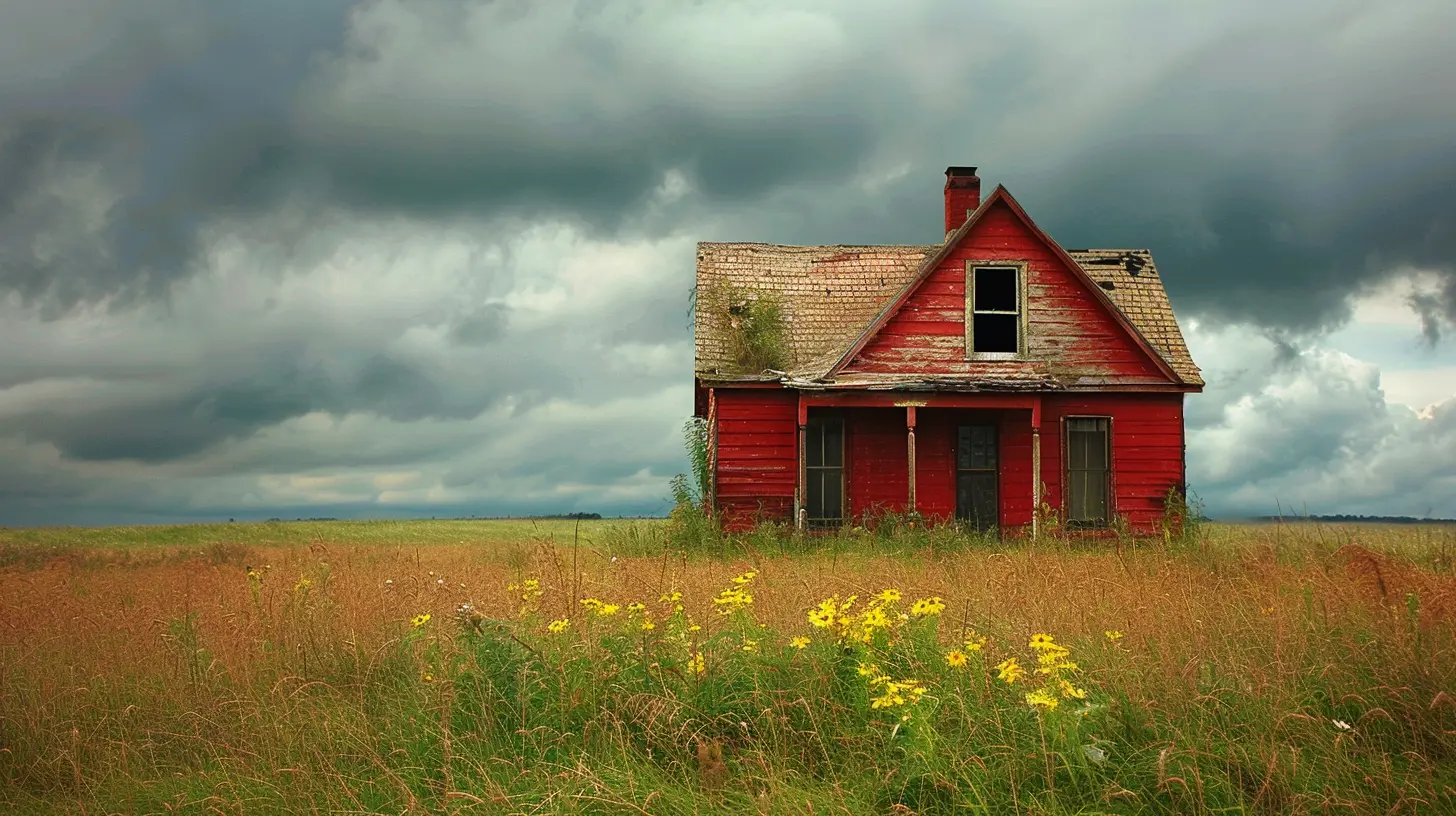
Myth #3: You Can Only Pay in Cash
The Reality:
A common belief is that buying a foreclosure requires an all-cash offer, but that’s simply not true.While cash buyers do have an advantage—especially in competitive markets—you can absolutely finance a foreclosure property through traditional means. FHA 203(k) loans, VA loans, and even conventional mortgages can be used to purchase foreclosures, depending on the home’s condition.
The key is to get pre-approved for a loan and ensure that the property meets the lender's guidelines before making an offer.
Myth #4: The Buying Process Is Fast and Easy
The Reality:
Unlike a traditional home sale, purchasing a foreclosure can be time-consuming, especially if you're buying a bank-owned property or through a short sale.Banks move slowly when reviewing offers, and some foreclosure deals can take months to close. If the property is part of a short sale, the lender must approve the deal, adding another layer of delays.
If you're looking for a quick and seamless home-buying process, foreclosure properties may not be the right fit.
Myth #5: Foreclosures Are Only in Bad Neighborhoods
The Reality:
Many assume that foreclosure properties are confined to declining neighborhoods or areas with high crime rates. This couldn’t be further from the truth.Homes go into foreclosure for a variety of reasons, many of which have nothing to do with the neighborhood's quality. Job loss, medical emergencies, or unexpected financial hardships can cause homeowners in even the most upscale areas to default on their mortgages.
If you're house hunting, don’t automatically dismiss a foreclosure just because of its status. It might be a hidden gem in a desirable location.
Myth #6: Foreclosed Properties Come with No Additional Costs
The Reality:
A foreclosed home’s price tag is just one part of the equation. Buyers often underestimate the additional costs that come with purchasing these properties.Potential Extra Costs Include:
- Repairs & Renovations – Even if the home is in relatively good shape, some updates may still be needed.- Unpaid Property Taxes – Some foreclosures come with back taxes that the new buyer must cover.
- Utility & HOA Fees – Unpaid homeowner association (HOA) fees or utility bills might become your responsibility.
Before making an offer, it's crucial to research and budget for these hidden costs.
Myth #7: Banks Are Desperate to Sell and Will Take Any Offer
The Reality:
Many buyers think that banks are eager to get rid of foreclosure properties and will accept any lowball offer. That’s rarely the case.Banks aren’t emotionally attached to the property like a traditional home seller would be, but they still aim to recover as much of their investment as possible. They conduct market analyses to determine a fair price, and if multiple buyers are interested, they won't hesitate to hold out for a better offer.
If you're serious about purchasing a foreclosure, be prepared to negotiate—just don’t expect banks to accept pennies on the dollar.
Myth #8: Foreclosures Take Forever to Close
The Reality:
While some foreclosures can drag on due to red tape, not all foreclosure purchases take an eternity.What Impacts the Closing Timeline?
- Auction Purchases – If you win a foreclosure at auction, you could take possession quickly, sometimes within weeks.- Bank-Owned (REO) Properties – Banks have specific processes that can slow things down, but if everything is in order, closing can happen within 30–60 days.
- Short Sales – This is where things can really get delayed since the lender needs to approve the sale, which can take months.
If you're in a rush, aim for auction or bank-owned properties rather than short sales.
Myth #9: Foreclosures Are Only for Investors
The Reality:
While real estate investors frequently target foreclosures, you don’t have to be one to buy these properties.Regular homebuyers can purchase foreclosed homes for their personal use. With the right financing and patience, first-time buyers or those looking for a primary residence can benefit from buying a foreclosure.
In fact, many lenders prioritize owner-occupants over investors when selling their foreclosure inventory. Programs like Fannie Mae’s HomePath encourage traditional buyers by offering special financing options.
Myth #10: Once a Foreclosure, Always a Problem Property
The Reality:
Just because a home has been foreclosed on doesn’t mean it’s a bad investment.Foreclosures happen for many reasons—financial hardship, divorce, medical issues—not necessarily because something is wrong with the home itself. Once a foreclosure is purchased and properly maintained, it can appreciate in value just like any other home.
If you're willing to do your homework, a foreclosure can turn into a fantastic long-term investment.
Final Thoughts
Foreclosure properties may seem intimidating, but they aren’t as scary as some people think. While they do come with risks, understanding the truth behind the myths can help you make an informed decision.If you approach the process with realistic expectations, do your due diligence, and prepare financially, a foreclosure might just be your ticket to homeownership at a great price.
So, are foreclosures really as risky as people say? Or could they be one of the best-kept secrets in the real estate market? That’s for you to decide.
all images in this post were generated using AI tools
Category:
ForeclosuresAuthor:

Travis Lozano
Discussion
rate this article
2 comments
Madison Gonzalez
Great article! Clearing up misconceptions about foreclosure properties is essential for buyers. Understanding the true potential and challenges can lead to better investment decisions and more informed purchases.
February 18, 2026 at 5:15 AM
Travis Lozano
Thank you for your feedback! I'm glad you found the article helpful in clarifying the complexities of foreclosure properties. Understanding these nuances is key to making informed investment choices.
Nicholas Vasquez
Many believe foreclosure properties are always a bargain. However, potential hidden costs and extensive repairs can outweigh initial savings, making careful consideration essential.
January 27, 2026 at 5:11 AM
Travis Lozano
Absolutely! While foreclosure properties can seem like great deals, it's crucial to factor in potential hidden costs and repairs to avoid financial pitfalls. Careful consideration is key.